

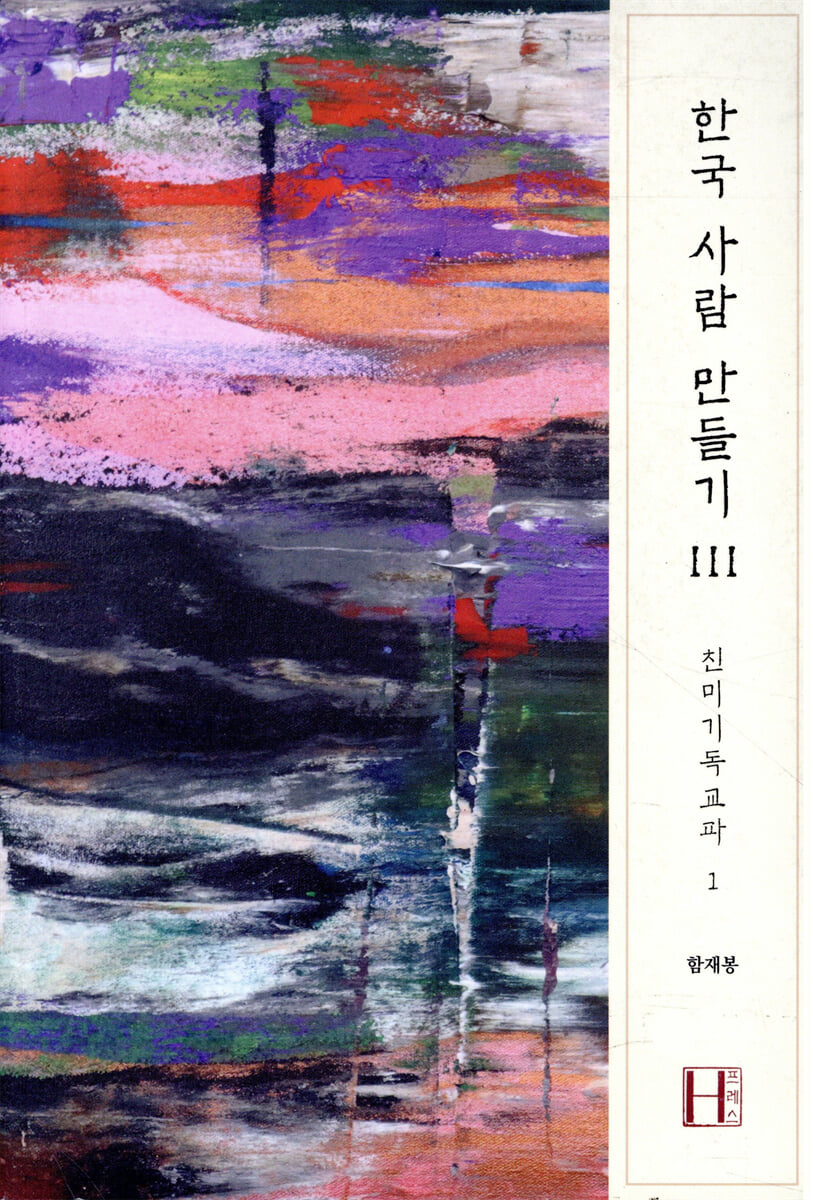
Making Korean People 3
 |
Description
Book Introduction
Horace Allen, who saved Min Yeong-ik from being stabbed by the reformists during the Gapsin Coup, gained the trust of Emperor Gojong and Minjungjeon and opened Gwanghyewon.
Pastors Appenzeller, Scranton, and Underwood, who were waiting in Japan to go on a mission to Joseon, also came to Joseon on the occasion of the opening of Gwanghyewon.
American Christian missionary work in Korea begins in earnest.
At the time of their arrival, all power in Joseon was seized by King Gojong, Min Jung-jeon, Min Yeong-jun, and Min Yeong-ik due to the failure of the Im-o Incident and the Gapsin Coup.
After that, Joseon collapsed under the tyranny of Emperor Gojong and the Min clan for 10 years until the outbreak of the Sino-Japanese War in 1894.
The Christianity that American missionaries began to spread was a Protestant denomination based on Calvinism.
Calvinism led Europe, which had fallen into an apocalyptic situation as medieval feudal society collapsed, into modernity.
Scottish Calvinists reformed society by founding the Presbyterian Church and laid the foundation for the 'Scottish Enlightenment'.
Dutch Calvinists founded the Dutch Republic in 1588 and built the richest country in the world.
The English Calvinists, known as the 'Puritans', led the Puritan Revolution and crossed over to the New World to establish the United States of America.
The missionaries who came to Joseon armed with Calvinism and evangelicalism did not spread abstract theology, but instead jumped into reforming Joseon's daily life.
While preaching that Confucianism is evil and heretical, he does not allow any compromise with the state religion of Joseon, Zhu Xi's Neo-Confucianism.
Just as Zhu Xi's Neo-Confucianism, introduced at the end of the Goryeo Dynasty, directly challenged Buddhism, which had been the state religion for 1,000 years, Protestantism, introduced at the end of the Joseon Dynasty, directly challenged Zhu Xi's Neo-Confucianism, which had been the state religion of Joseon.
It was a "clash of civilizations."
Meanwhile, the Qing Dynasty attempted to reform through the 'Self-Strengthening Movement' and maintained its sovereignty over Joseon through skillful diplomacy.
Japan achieved remarkable development through its policy of strengthening its nation and military.
Entering the 1890s, Joseon's continued political instability eventually led to the intervention of the Qing and Japan.
Japan had retreated before the Qing's military power during the Im-o Incident and the Gapsin Coup, but it did not retreat in 1894.
That's how the Sino-Japanese War begins.
Pastors Appenzeller, Scranton, and Underwood, who were waiting in Japan to go on a mission to Joseon, also came to Joseon on the occasion of the opening of Gwanghyewon.
American Christian missionary work in Korea begins in earnest.
At the time of their arrival, all power in Joseon was seized by King Gojong, Min Jung-jeon, Min Yeong-jun, and Min Yeong-ik due to the failure of the Im-o Incident and the Gapsin Coup.
After that, Joseon collapsed under the tyranny of Emperor Gojong and the Min clan for 10 years until the outbreak of the Sino-Japanese War in 1894.
The Christianity that American missionaries began to spread was a Protestant denomination based on Calvinism.
Calvinism led Europe, which had fallen into an apocalyptic situation as medieval feudal society collapsed, into modernity.
Scottish Calvinists reformed society by founding the Presbyterian Church and laid the foundation for the 'Scottish Enlightenment'.
Dutch Calvinists founded the Dutch Republic in 1588 and built the richest country in the world.
The English Calvinists, known as the 'Puritans', led the Puritan Revolution and crossed over to the New World to establish the United States of America.
The missionaries who came to Joseon armed with Calvinism and evangelicalism did not spread abstract theology, but instead jumped into reforming Joseon's daily life.
While preaching that Confucianism is evil and heretical, he does not allow any compromise with the state religion of Joseon, Zhu Xi's Neo-Confucianism.
Just as Zhu Xi's Neo-Confucianism, introduced at the end of the Goryeo Dynasty, directly challenged Buddhism, which had been the state religion for 1,000 years, Protestantism, introduced at the end of the Joseon Dynasty, directly challenged Zhu Xi's Neo-Confucianism, which had been the state religion of Joseon.
It was a "clash of civilizations."
Meanwhile, the Qing Dynasty attempted to reform through the 'Self-Strengthening Movement' and maintained its sovereignty over Joseon through skillful diplomacy.
Japan achieved remarkable development through its policy of strengthening its nation and military.
Entering the 1890s, Joseon's continued political instability eventually led to the intervention of the Qing and Japan.
Japan had retreated before the Qing's military power during the Im-o Incident and the Gapsin Coup, but it did not retreat in 1894.
That's how the Sino-Japanese War begins.
- You can preview some of the book's contents.
Preview
index
introduction
The Gapsin Coup and Protestantism 15
Joseon on the eve of the advent of Protestantism in 18
Protestantism and Calvinism 20
Reformed Church 22
Calvinism and Modern Society 24
Joseon's Feudal Society and Calvinism 27
East Asia on the eve of the Sino-Japanese War 30
Chapter 1: A Hand of God
1.
Gapsin Coup and Allen 34
2.
Horace Allen 41
3.
Gwanghyewon 43
4.
Bobingsa 47
5.
Second Lieutenant Polk 56
6.
Goucher and Maclay 62
7.
Maclay 65
8.
Scranton and Appenzeller 70
9.
Underwood 75
Chapter 2: Abigyuhuan
1.
The Collapse of the Joseon Economy 82
2.
Paralyzed Government 84
3.
Hell Joseon 86 Witnessed by Missionaries
Chapter 3 Hell Joseon and Protestantism
1.
Modern Medicine 115
2.
Modern Education 122
3.
Challenge to the Caste System 126
4.
Challenges to Gender Discrimination 131
5.
Joseon's First Election and Autonomy 140
6.
The Reinvention of Hangul 143
7.
Conversion and the Internalization of Discipline 153
Chapter 4 The Reformation and Calvin
1.
Hell in the Late Middle Ages 163
2.
Humanism and the Reformation 168
3.
Calvin and the Religious Conflict in France 182
4.
Calvin's Political Thought 217
5.
Exiles in Geneva 232
6.
Deconstruction of the Medieval Worldview 241
7.
The Presbyterian Revolution in Scotland 252
8.
Dutch Republic 271
9.
The Puritan Revolution in England 295
Chapter 5 The American Puritan Revolution
1.
Puritans and the New World 326
2.
Puritan Theology 336
3.
Puritan Politics 343
4.
The Great Awakening Movement 349
5.
Protestantism and the Modern State 360
Chapter 6: Qing's Self-Strengthening Movement
1.
Sinyu Coup 373
2.
Committee and Self-Strengthening 385
3.
Self-Strengthening Movement 398
4.
Installation of the General Affairs Office 411
5.
Establishment of Customs 418
6.
Construction of the Armory 424
7.
Modern Education 434
8.
Overseas Student Dispatch 451
9.
Maritime Defense vs. Inland Defense 463
10.
Sino-French War 477
11.
Anti-foreignism and Conservatism 490
12.
The Failure of the Central and Western Methods Theory 497
Chapter 7 Japan's Rich and Strong Nation
1.
Political Reform 511
2.
Economic Reform 519
3.
Freedom and Civil Rights Movement 530
4.
Meiji Constitution 544
5.
Education Reform 576
6.
Military Reform 590
7.
Renegotiation of Unequal Treaties 606
8.
The Osaka Incident and the Rise of the Far Right (613)
Chapter 8: Joseon's Lost Decade
1.
Geomundo Incident (April 15, 1885) 645
2.
Möllendorff and the First Secret Agreement between Russia and Russia 664
3.
Daewongun's release and return to Korea in 695
4.
Qing rule over Joseon in 713
5.
Failed Port Opening 775
6.
The chaos of Joseon's domestic affairs in 808
7.
Joseon on the eve of the Sino-Japanese War in 837
Conclusion 844
Note 848
Reference 918
Appendix 932
Index 990
The Gapsin Coup and Protestantism 15
Joseon on the eve of the advent of Protestantism in 18
Protestantism and Calvinism 20
Reformed Church 22
Calvinism and Modern Society 24
Joseon's Feudal Society and Calvinism 27
East Asia on the eve of the Sino-Japanese War 30
Chapter 1: A Hand of God
1.
Gapsin Coup and Allen 34
2.
Horace Allen 41
3.
Gwanghyewon 43
4.
Bobingsa 47
5.
Second Lieutenant Polk 56
6.
Goucher and Maclay 62
7.
Maclay 65
8.
Scranton and Appenzeller 70
9.
Underwood 75
Chapter 2: Abigyuhuan
1.
The Collapse of the Joseon Economy 82
2.
Paralyzed Government 84
3.
Hell Joseon 86 Witnessed by Missionaries
Chapter 3 Hell Joseon and Protestantism
1.
Modern Medicine 115
2.
Modern Education 122
3.
Challenge to the Caste System 126
4.
Challenges to Gender Discrimination 131
5.
Joseon's First Election and Autonomy 140
6.
The Reinvention of Hangul 143
7.
Conversion and the Internalization of Discipline 153
Chapter 4 The Reformation and Calvin
1.
Hell in the Late Middle Ages 163
2.
Humanism and the Reformation 168
3.
Calvin and the Religious Conflict in France 182
4.
Calvin's Political Thought 217
5.
Exiles in Geneva 232
6.
Deconstruction of the Medieval Worldview 241
7.
The Presbyterian Revolution in Scotland 252
8.
Dutch Republic 271
9.
The Puritan Revolution in England 295
Chapter 5 The American Puritan Revolution
1.
Puritans and the New World 326
2.
Puritan Theology 336
3.
Puritan Politics 343
4.
The Great Awakening Movement 349
5.
Protestantism and the Modern State 360
Chapter 6: Qing's Self-Strengthening Movement
1.
Sinyu Coup 373
2.
Committee and Self-Strengthening 385
3.
Self-Strengthening Movement 398
4.
Installation of the General Affairs Office 411
5.
Establishment of Customs 418
6.
Construction of the Armory 424
7.
Modern Education 434
8.
Overseas Student Dispatch 451
9.
Maritime Defense vs. Inland Defense 463
10.
Sino-French War 477
11.
Anti-foreignism and Conservatism 490
12.
The Failure of the Central and Western Methods Theory 497
Chapter 7 Japan's Rich and Strong Nation
1.
Political Reform 511
2.
Economic Reform 519
3.
Freedom and Civil Rights Movement 530
4.
Meiji Constitution 544
5.
Education Reform 576
6.
Military Reform 590
7.
Renegotiation of Unequal Treaties 606
8.
The Osaka Incident and the Rise of the Far Right (613)
Chapter 8: Joseon's Lost Decade
1.
Geomundo Incident (April 15, 1885) 645
2.
Möllendorff and the First Secret Agreement between Russia and Russia 664
3.
Daewongun's release and return to Korea in 695
4.
Qing rule over Joseon in 713
5.
Failed Port Opening 775
6.
The chaos of Joseon's domestic affairs in 808
7.
Joseon on the eve of the Sino-Japanese War in 837
Conclusion 844
Note 848
Reference 918
Appendix 932
Index 990
GOODS SPECIFICS
- Publication date: December 24, 2020
- Page count, weight, size: 1,008 pages | 1,408g | 152*225*23mm
- ISBN13: 9791197103568
- ISBN10: 1197103562
You may also like
카테고리
korean


korean

![GQ KOREA Mark (Monthly): December [2025]](http://librairie.coreenne.fr/cdn/shop/files/8ef265dbbfbf186523ed75ba7319009d.jpg?v=1765340328&width=3840)


