

Perspective drawing
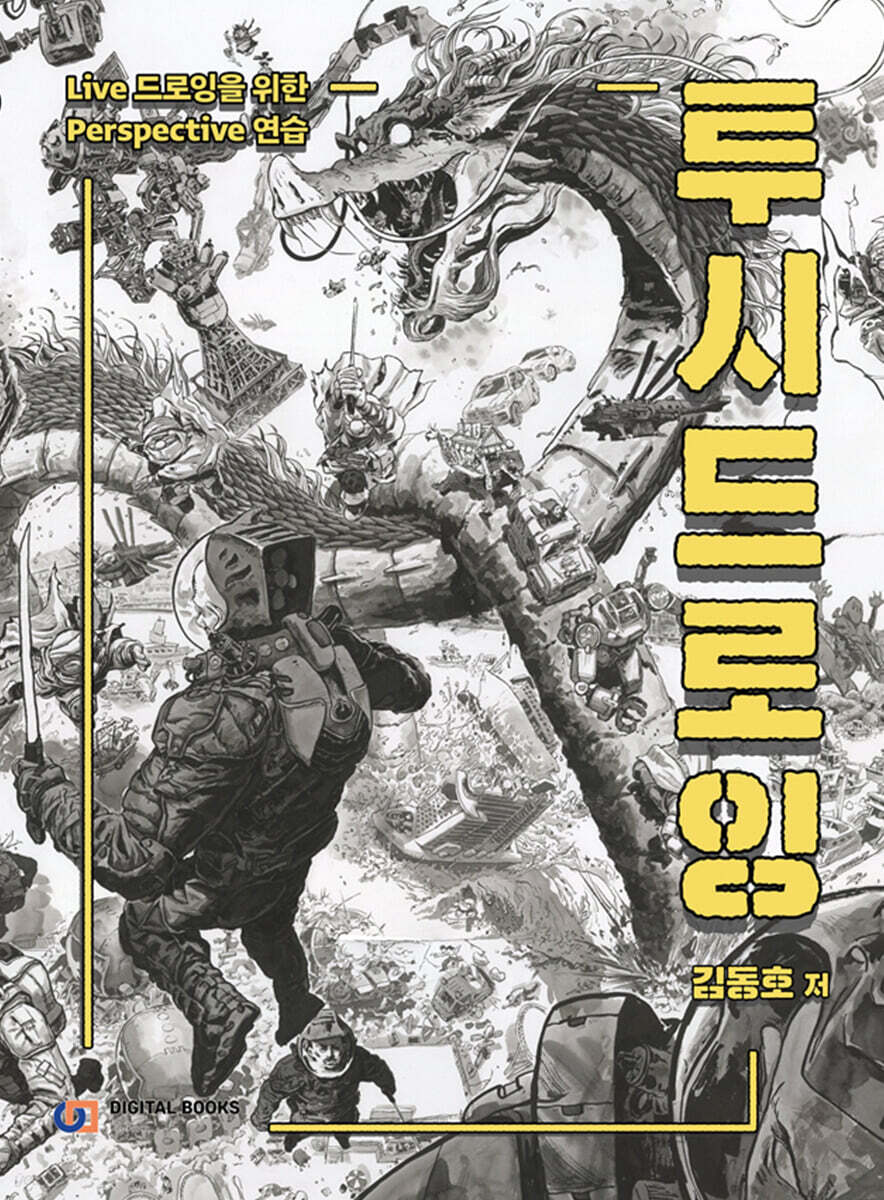 |
Description
Book Introduction
It is not a picture that is recognized by the brain with a corrected gaze,
Training to draw what you see!
Perspective drawing
We take a closer look at perspective, the power to view and analyze space.
Through numerous live drawing projects, I learned that the artist's expertise in drawing spaces as they appear is not a matter of extraordinary skill or secrets, but rather simply drawing what he sees. It becomes clear that only through a shift in perception, through training and practice, can one truly improve drawing skills.
Training to draw what you see!
Perspective drawing
We take a closer look at perspective, the power to view and analyze space.
Through numerous live drawing projects, I learned that the artist's expertise in drawing spaces as they appear is not a matter of extraordinary skill or secrets, but rather simply drawing what he sees. It becomes clear that only through a shift in perception, through training and practice, can one truly improve drawing skills.
- You can preview some of the book's contents.
Preview
index
PART 01.
Understanding Perspective - Why Should We Learn to Draw?
PART 02.
All spaces and objects cannot help but appear different depending on the direction, distance, and angle from which I view them.
- Let's look at how space and objects change depending on each situation.
Chapter 01.
When it looks different depending on the direction of the gaze
Chapter 02.
When it looks different depending on the distance
Chapter 03.
When it looks different depending on the angle
PART 03.
Understanding eye level and vanishing point.
Chapter 01.
What is eye level? vs. vanishing point?
Chapter 02.
Let's look at and draw the frame changes according to the camera position.
Chapter 03.
Let's find eye level.
Chapter 04.
Let's find the eye level and draw a new character that fits there.
PART 04.
Let's draw a person according to perspective.
- Think about the size of people and objects that change depending on their location and draw them accurately.
Chapter 01.
Differences between people and objects in the foreground and background.
Chapter 02.
Drawing people who look different depending on the camera angle and position.
Chapter 03.
Let's draw the same situation with different camera settings.
Chapter 04.
What does the distant view look like through a fisheye lens?
PART 05.
Perspective techniques needed when designing characters or objects.
- Try drawing diagonally rotating designs such as utility poles, fishnet stockings, and scallop patterns to match the perspective.
Chapter 01.
Try drawing a diagonal pattern
Chapter 02.
Let's draw a telephone pole.
Chapter 03.
Let's draw a tire.
Chapter 04.
Let's draw a picture using the rule of fifths.
Chapter 05.
Let's draw a space by duplicating the interval.
Chapter 06.
Let's draw the picture on the cup.
Chapter 07.
Let's move an object of the same size to the opposite side.
Chapter 08, Let's draw a car using perspective techniques.
Chapter 09.
Let's draw the reflected object.
Chapter 10.
Let's draw a guitar using reflection.
Chapter 11.
Let's deepen our understanding of ellipses.
Chapter 12.
Let's learn about the vanishing point of the hill.
Chapter 13.
Let's draw an interior space with a triangular roof from different angles.
Chapter 14 Let's analyze the structure by referring to the picture.
PART 06.
An in-depth analysis of fisheye lens composition.
Chapter 01.
The fisheye lens effect is accompanied by the passage of time.
Chapter 02.
Interpret space by setting the fisheye lens at different angles.
Chapter 03.
The difference between looking straight ahead and looking down.
Understanding Perspective - Why Should We Learn to Draw?
PART 02.
All spaces and objects cannot help but appear different depending on the direction, distance, and angle from which I view them.
- Let's look at how space and objects change depending on each situation.
Chapter 01.
When it looks different depending on the direction of the gaze
Chapter 02.
When it looks different depending on the distance
Chapter 03.
When it looks different depending on the angle
PART 03.
Understanding eye level and vanishing point.
Chapter 01.
What is eye level? vs. vanishing point?
Chapter 02.
Let's look at and draw the frame changes according to the camera position.
Chapter 03.
Let's find eye level.
Chapter 04.
Let's find the eye level and draw a new character that fits there.
PART 04.
Let's draw a person according to perspective.
- Think about the size of people and objects that change depending on their location and draw them accurately.
Chapter 01.
Differences between people and objects in the foreground and background.
Chapter 02.
Drawing people who look different depending on the camera angle and position.
Chapter 03.
Let's draw the same situation with different camera settings.
Chapter 04.
What does the distant view look like through a fisheye lens?
PART 05.
Perspective techniques needed when designing characters or objects.
- Try drawing diagonally rotating designs such as utility poles, fishnet stockings, and scallop patterns to match the perspective.
Chapter 01.
Try drawing a diagonal pattern
Chapter 02.
Let's draw a telephone pole.
Chapter 03.
Let's draw a tire.
Chapter 04.
Let's draw a picture using the rule of fifths.
Chapter 05.
Let's draw a space by duplicating the interval.
Chapter 06.
Let's draw the picture on the cup.
Chapter 07.
Let's move an object of the same size to the opposite side.
Chapter 08, Let's draw a car using perspective techniques.
Chapter 09.
Let's draw the reflected object.
Chapter 10.
Let's draw a guitar using reflection.
Chapter 11.
Let's deepen our understanding of ellipses.
Chapter 12.
Let's learn about the vanishing point of the hill.
Chapter 13.
Let's draw an interior space with a triangular roof from different angles.
Chapter 14 Let's analyze the structure by referring to the picture.
PART 06.
An in-depth analysis of fisheye lens composition.
Chapter 01.
The fisheye lens effect is accompanied by the passage of time.
Chapter 02.
Interpret space by setting the fisheye lens at different angles.
Chapter 03.
The difference between looking straight ahead and looking down.
GOODS SPECIFICS
- Date of issue: October 15, 2024
- Page count, weight, size: 256 pages | 668g | 189*257*14mm
- ISBN13: 9788960884694
- ISBN10: 8960884693
You may also like
카테고리
korean


korean

![GQ KOREA Mark (Monthly): December [2025]](http://librairie.coreenne.fr/cdn/shop/files/8ef265dbbfbf186523ed75ba7319009d.jpg?v=1765340328&width=3840)


