

Upper grade class play
 |
Description
Book Introduction
Learning and character education at the same time!
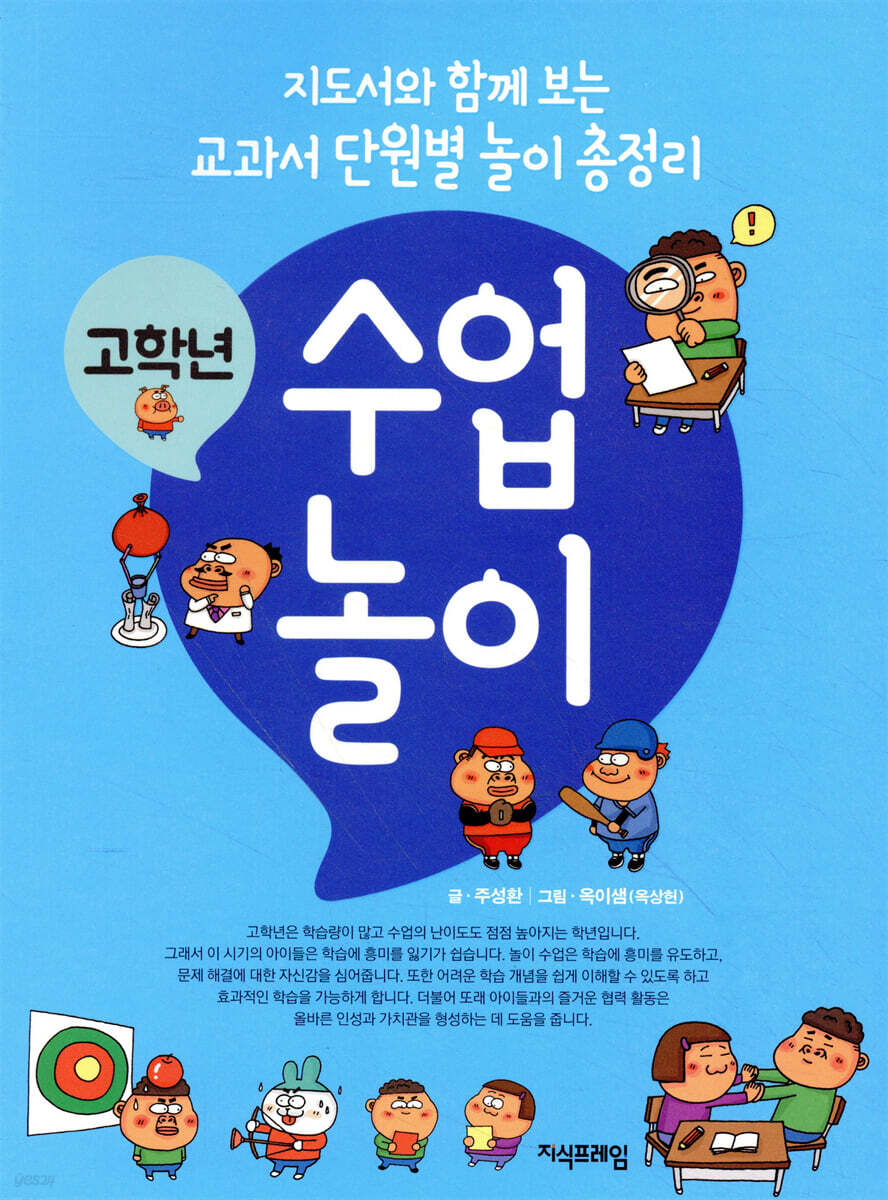
154 Upper Grade Classroom Activities with Guidebooks
The reason why learning in upper grades is more difficult than in lower or middle grades is not only because the amount of learning that must be done increases, but also because learning concepts that require logical and critical thinking skills appear.
As the amount of studying increases and the content becomes more difficult, if students do not find their own motivation to study in their later years, they are likely to lose interest in studying and experience a slump.
Emotional stability is also important for older students, whose intellectual and social abilities are growing explosively.
Positive relationships between family, teachers, and friends have a significant impact on the development of older children.
So, what kind of classroom play should children at this age engage in? This book organizes play for each subject unit, tailored to the learning development of upper-grade students.
We introduce a class game for upper grades that fosters self-directed learning habits while stimulating interest in learning, while fostering consideration and understanding through cooperative learning with friends.
154 Upper Grade Classroom Activities with Guidebooks
The reason why learning in upper grades is more difficult than in lower or middle grades is not only because the amount of learning that must be done increases, but also because learning concepts that require logical and critical thinking skills appear.
As the amount of studying increases and the content becomes more difficult, if students do not find their own motivation to study in their later years, they are likely to lose interest in studying and experience a slump.
Emotional stability is also important for older students, whose intellectual and social abilities are growing explosively.
Positive relationships between family, teachers, and friends have a significant impact on the development of older children.
So, what kind of classroom play should children at this age engage in? This book organizes play for each subject unit, tailored to the learning development of upper-grade students.
We introduce a class game for upper grades that fosters self-directed learning habits while stimulating interest in learning, while fostering consideration and understanding through cooperative learning with friends.
- You can preview some of the book's contents.
Preview
index
Introduction
Part 0: Playing in the Upper Grades: How to Do It
Part 1 Korean Language Class Play
01 Listen to a story and draw a picture │ 02 Look at the picture and talk about cause and effect │ 03 Make up a question │ 04 What if the Earth is destroyed │ 05 Take turns sharing opinions │ 06 Draw a cartoon │ 07 Look at the words and make up a story │ 08 Role-playing arithmetic │ 09 Put my heart in an emotion cup │ 10 Spelling game │ 11 Listen to me │ 12 Fairy tale quiz │ 13 Read a book and ask a question │ 14 After space travel │ 15 Polysemy game │ 16 Find sentence pairs │ 17 Take an imaginary picture │ 18 Choose a story topic │ 19 Make a sentence │ 20 Because, so │ 21 Make a natural sentence │ 22 Find synonyms │ 23 True and false │ 24 Steal votes │ 25 Speak with your body │ 26 Write associated words │ 27 Korean language outing
Part 2 Math Class Play
01 Number baseball game │ 02 Baduk stone game of wit │ 03 Mission accomplishment through barter │ 04 Put down multiples and divisors │ 05 Put down fraction cards │ 06 Big and small fraction game │ 07 Line up fraction game │ 08 Line symmetry origami │ 09 Find line symmetry shapes │ 10 Decimal multiplication game │ 11 Collect problem cards │ 12 Finger addition │ 13 Make numbers by moving toothpicks │ 14 Complete bingo │ 15 Turn over ten heads │ 16 Find matching answers │ 17 Collect the same cards │ 18 Land grabbing
Part 3 Social Science Class Play
01 Words associated with pizza │ 02 Dispatch a correspondent │ 03 Play pilgrim │ 04 Ask questions │ 05 Interview class │ 06 Deliver water │ 07 Teach a friend │ 08 Paper tearing bingo │ 09 Words associated with pizza │ 10 Find the false card │ 11 People bingo │ 12 Tax evasion │ 13 Guess the president │ 14 Innocent and white magnet bingo │ 15 Continuation │ 16 Mirror game │ 17 Stacking balloon towers │ 18 Firecrackers │ 19 Finding the characteristics of living things │ 20 Experience the speed of electric current flow │ 21 Environment and food chain │ 22 Matching activity │ 23 Matching cards │ 24 Telepathy
Part 4 Moral Lesson Play
01 Role-playing as an angel and a devil │ 02 Talking about my worries │ 03 Similarities and differences between me and my friends │ 04 Life drama │ 05 Forgiveness score │ 06 Bullying experience │ 07 Love experience │ 08 Role-playing as a bystander │ 09 I praise you │ 10 Tower of unification │ 11 The most precious thing │ 12 Words I want to hear and words I don't want to hear │ 13 Conditions for my family's happiness │ 14 Enjoyable school life │ 15 Sharing feelings │ 16 Role as a mediator │ 17 One step forward │ 18 Twist │ 19 Solving global problems │ 20 Giving and receiving compliments as gifts │ 21 Crossing stepping stones
Part 5 Arts and Physical Education Class Play
01 Walking with good posture │ 02 Catching the tail │ 03 Archery │ 04 Running with a rubber band │ 05 Moving while standing upright │ 06 Passing the hula hoop │ 07 Spinning around │ 08 Simple golf │ 09 Fly, flying saucer │ 10 Catch the hula hoop │ 11 Herding pigs │ 12 Taking turns doing gymnastics │ 13 Building a tower with a hula hoop and passing through │ 14 Team pursuit game │ 15 Untangling hands │ 16 Horizontal bar play │ 17 Ice dodgeball │ 18 Towel tag │ 19 Boat dodgeball │ 20 Close your eyes and tag │ 21 Zigzag ball throw │ 22 Human golf │ 23 Crouching tag │ 24 Body commandment song │ 25 Zentel pixel decoration │ 26 Floating the ball │ 27 Becoming the main character in the work │ 28 The appearance of fruit, present, and beauty │ 29 Creating an image │ 30 Life pizza │ 31 Spilling paint
Part 6 Other Class Play
01 Have you ever had this experience? │ 02 Fashion show │ 03 Travel to heaven │ 04 Laugh in the smile zone │ 05 Meditate │ 06 Experience a disability │ 07 The King and the Pauper Mukjjippa │ 08 Crossing the stepping stones │ 09 Eating snacks │ 10 Make the other person laugh │ 11 Ranking survey │ 12 Public interest or personal interest │ 13 Share opinions │ 14 Give out prizes │ 15 Stacking cups │ 16 Carrying marbles with a pipe │ 17 Collaborative writing │ 18 Blowing on a ping pong ball │ 19 Sending a bottle cap far away │ 20 Mafia game │ 21 Making a long rope │ 22 Moving a feather │ 23 Who is it? │ 24 Finding the Exit │ 25 Finding the Missing Person │ 26 Walking on Two Feet │ 27 Untangling the Thread │ 28 Turning the Gear │ 29 Unpacking the Envelope │ 30 Human Bingo Game │ 31 Finding What We Have in Common │ 32 Stacking Cups with Rubber Bands │ 33 Luxontinic
Part 0: Playing in the Upper Grades: How to Do It
Part 1 Korean Language Class Play
01 Listen to a story and draw a picture │ 02 Look at the picture and talk about cause and effect │ 03 Make up a question │ 04 What if the Earth is destroyed │ 05 Take turns sharing opinions │ 06 Draw a cartoon │ 07 Look at the words and make up a story │ 08 Role-playing arithmetic │ 09 Put my heart in an emotion cup │ 10 Spelling game │ 11 Listen to me │ 12 Fairy tale quiz │ 13 Read a book and ask a question │ 14 After space travel │ 15 Polysemy game │ 16 Find sentence pairs │ 17 Take an imaginary picture │ 18 Choose a story topic │ 19 Make a sentence │ 20 Because, so │ 21 Make a natural sentence │ 22 Find synonyms │ 23 True and false │ 24 Steal votes │ 25 Speak with your body │ 26 Write associated words │ 27 Korean language outing
Part 2 Math Class Play
01 Number baseball game │ 02 Baduk stone game of wit │ 03 Mission accomplishment through barter │ 04 Put down multiples and divisors │ 05 Put down fraction cards │ 06 Big and small fraction game │ 07 Line up fraction game │ 08 Line symmetry origami │ 09 Find line symmetry shapes │ 10 Decimal multiplication game │ 11 Collect problem cards │ 12 Finger addition │ 13 Make numbers by moving toothpicks │ 14 Complete bingo │ 15 Turn over ten heads │ 16 Find matching answers │ 17 Collect the same cards │ 18 Land grabbing
Part 3 Social Science Class Play
01 Words associated with pizza │ 02 Dispatch a correspondent │ 03 Play pilgrim │ 04 Ask questions │ 05 Interview class │ 06 Deliver water │ 07 Teach a friend │ 08 Paper tearing bingo │ 09 Words associated with pizza │ 10 Find the false card │ 11 People bingo │ 12 Tax evasion │ 13 Guess the president │ 14 Innocent and white magnet bingo │ 15 Continuation │ 16 Mirror game │ 17 Stacking balloon towers │ 18 Firecrackers │ 19 Finding the characteristics of living things │ 20 Experience the speed of electric current flow │ 21 Environment and food chain │ 22 Matching activity │ 23 Matching cards │ 24 Telepathy
Part 4 Moral Lesson Play
01 Role-playing as an angel and a devil │ 02 Talking about my worries │ 03 Similarities and differences between me and my friends │ 04 Life drama │ 05 Forgiveness score │ 06 Bullying experience │ 07 Love experience │ 08 Role-playing as a bystander │ 09 I praise you │ 10 Tower of unification │ 11 The most precious thing │ 12 Words I want to hear and words I don't want to hear │ 13 Conditions for my family's happiness │ 14 Enjoyable school life │ 15 Sharing feelings │ 16 Role as a mediator │ 17 One step forward │ 18 Twist │ 19 Solving global problems │ 20 Giving and receiving compliments as gifts │ 21 Crossing stepping stones
Part 5 Arts and Physical Education Class Play
01 Walking with good posture │ 02 Catching the tail │ 03 Archery │ 04 Running with a rubber band │ 05 Moving while standing upright │ 06 Passing the hula hoop │ 07 Spinning around │ 08 Simple golf │ 09 Fly, flying saucer │ 10 Catch the hula hoop │ 11 Herding pigs │ 12 Taking turns doing gymnastics │ 13 Building a tower with a hula hoop and passing through │ 14 Team pursuit game │ 15 Untangling hands │ 16 Horizontal bar play │ 17 Ice dodgeball │ 18 Towel tag │ 19 Boat dodgeball │ 20 Close your eyes and tag │ 21 Zigzag ball throw │ 22 Human golf │ 23 Crouching tag │ 24 Body commandment song │ 25 Zentel pixel decoration │ 26 Floating the ball │ 27 Becoming the main character in the work │ 28 The appearance of fruit, present, and beauty │ 29 Creating an image │ 30 Life pizza │ 31 Spilling paint
Part 6 Other Class Play
01 Have you ever had this experience? │ 02 Fashion show │ 03 Travel to heaven │ 04 Laugh in the smile zone │ 05 Meditate │ 06 Experience a disability │ 07 The King and the Pauper Mukjjippa │ 08 Crossing the stepping stones │ 09 Eating snacks │ 10 Make the other person laugh │ 11 Ranking survey │ 12 Public interest or personal interest │ 13 Share opinions │ 14 Give out prizes │ 15 Stacking cups │ 16 Carrying marbles with a pipe │ 17 Collaborative writing │ 18 Blowing on a ping pong ball │ 19 Sending a bottle cap far away │ 20 Mafia game │ 21 Making a long rope │ 22 Moving a feather │ 23 Who is it? │ 24 Finding the Exit │ 25 Finding the Missing Person │ 26 Walking on Two Feet │ 27 Untangling the Thread │ 28 Turning the Gear │ 29 Unpacking the Envelope │ 30 Human Bingo Game │ 31 Finding What We Have in Common │ 32 Stacking Cups with Rubber Bands │ 33 Luxontinic
Into the book
I guessed that his father's violence might have made this student a rebel.
I just said a few words, and suddenly tears started falling from the child's eyes.
Before I knew it, tears were welling up in my eyes as I listened to the child's story.
I felt sorry for not understanding the difficult feelings of such a child.
I felt ashamed of myself for trying to be a strict teacher, thinking that this student was so spoiled because I wasn't strict.
I realized that education is not about being strict and making students listen to the teacher, but about communicating with them.
It was a valuable time that reminded me once again that there is nothing better than play to connect with students.
---From "Introductory Remarks"
The purpose of play classes in older grades is to help students achieve their goals through play, rather than just having fun.
When you teach a class focused on fun, you often end up doing activities that are unrelated to the class content.
And among older students, there are many who dislike moving activities and are reluctant to participate in activities that they consider childish.
Therefore, participation will increase if you play a game that allows you to achieve the class goals while staying in place.
---「part 0.
From "Playing in the Upper Grades Class, Do It Like This!"
Older students have a lot to learn, so they can't play often.
It is good to use play classes when you are studying to summarize, mainly at the end of a unit.
It is important to focus on play classes where students can collaborate in groups to complete tasks, allowing them to experience the joy of small successes through cooperation.
It is also important to achieve common goals rather than competition.
Project-based learning, especially in social studies, is also a good example of play-based learning.
---「part 0.
From "Playing in the Upper Grades Class, Do It Like This!"
There are many rules to the game.
A game that breaks the rules is no longer a game.
Obeying rules and laws is the most basic virtue that a democratic citizen must have.
We must develop the habit of following rules through play.
Teachers should not be lenient with students who break the rules.
If you don't catch a small spark, it will become a big fire.
If you break even a small rule, you should immediately be told that you have broken the rule and be made to do it again or not get points.
If you ignore small rule breaks, they will continue to do the same thing in the future, and other friends will break the same rules.
I just said a few words, and suddenly tears started falling from the child's eyes.
Before I knew it, tears were welling up in my eyes as I listened to the child's story.
I felt sorry for not understanding the difficult feelings of such a child.
I felt ashamed of myself for trying to be a strict teacher, thinking that this student was so spoiled because I wasn't strict.
I realized that education is not about being strict and making students listen to the teacher, but about communicating with them.
It was a valuable time that reminded me once again that there is nothing better than play to connect with students.
---From "Introductory Remarks"
The purpose of play classes in older grades is to help students achieve their goals through play, rather than just having fun.
When you teach a class focused on fun, you often end up doing activities that are unrelated to the class content.
And among older students, there are many who dislike moving activities and are reluctant to participate in activities that they consider childish.
Therefore, participation will increase if you play a game that allows you to achieve the class goals while staying in place.
---「part 0.
From "Playing in the Upper Grades Class, Do It Like This!"
Older students have a lot to learn, so they can't play often.
It is good to use play classes when you are studying to summarize, mainly at the end of a unit.
It is important to focus on play classes where students can collaborate in groups to complete tasks, allowing them to experience the joy of small successes through cooperation.
It is also important to achieve common goals rather than competition.
Project-based learning, especially in social studies, is also a good example of play-based learning.
---「part 0.
From "Playing in the Upper Grades Class, Do It Like This!"
There are many rules to the game.
A game that breaks the rules is no longer a game.
Obeying rules and laws is the most basic virtue that a democratic citizen must have.
We must develop the habit of following rules through play.
Teachers should not be lenient with students who break the rules.
If you don't catch a small spark, it will become a big fire.
If you break even a small rule, you should immediately be told that you have broken the rule and be made to do it again or not get points.
If you ignore small rule breaks, they will continue to do the same thing in the future, and other friends will break the same rules.
---「part 0.
From "Playing in the Upper Grades Class, Do It Like This!"
From "Playing in the Upper Grades Class, Do It Like This!"
Publisher's Review
This book introduces all the games necessary for upper grade classes, including Korean, math, social studies, science, ethics, arts and physical education, and other class games, divided into six parts.
The beginning of each part includes an index that can be used for each unit of each subject, and each game is organized to guide you to the relevant subject and unit, making it easy to find the game you need for class.
「Part 1 Korean Language Class Play」 The most important thing in upper grade Korean language learning is discussion and debate.
In higher grades, students develop a critical awareness of looking at a topic from multiple perspectives and become more adept at expressing their own opinions.
Listening to friends' opinions and expressing one's own with logical evidence through various discussions and debates helps develop thinking skills, vocabulary, and expressive skills.
We've compiled a variety of activities to make discussion and debate fun.
「Part 2 Math Class Play」 Higher grades math teaches the concept of numbers that requires thinking skills.
As complex and advanced arithmetic operations, measurements, proportions, and the process of finding common denominators of fractions appear, it is easy for children to lose interest in mathematics.
In higher grades, it is necessary to make math fun so that children do not lose interest in it and to provide a solid foundation for them to move on to more advanced learning.
We have collected various activities that can help develop concentration and thinking skills through games such as putting down multiples, putting down factors, putting down fraction cards, multiplying decimals, and finding symmetrical shapes.
「Part 3 Social Science Class Play」 The scope of upper grade social studies is broad and there is a lot of content that is made up of expanding background knowledge.
We've compiled a collection of social games that help build friendly relationships with friends.
You can learn and understand the meaning and concepts of social terms through play activities that review what you have learned, such as tax portal, people bingo, find the fake card, and paper tear bingo.
The science curriculum is a collection of games that help develop inquiry and creativity.
We introduce a variety of activities that can be done with materials that are easily available around you, such as mirror play, balloon tower building, firecrackers, and finding characteristics of living things.
「Part 4 Moral Education Play」 Moral education is a subject that helps develop children's character and social skills.
We introduce games that help children develop good character and learn the right attitude and posture in life through positive relationships with neighbors, family, and friends.
We have collected games that help prevent school violence, such as role-playing as angels and devils, finding out what's similar and different between you and your friends, experiencing bullying, and experiencing love, as well as games that help build self-esteem and understand your friends' feelings, such as the most precious thing, praising you, and the conditions for our family's happiness.
「Part 5 Arts and Physical Education Class Play」 Various arts and physical education activities such as physical education, music, and art are very helpful in developing healthy physical strength and a healthy mind.
We have collected various games that can help develop concentration, creativity, and imagination, such as walking with good posture, catching tails, moving while standing upright, spinning around, and decorating Zentel pixels.
「Part 6 Other Class Play」 A collection of games that are helpful for creativity and fellowship activities.
In the upper grades, when self-esteem is strong and one's ego grows, one's mood swings are severe and can cause big and small problems with friends.
Have you ever had this experience? We introduce games that provide opportunities to understand and become close to each other through collaborative activities with friends, such as fashion shows, trips to heaven, and smile zone laughter.
The beginning of each part includes an index that can be used for each unit of each subject, and each game is organized to guide you to the relevant subject and unit, making it easy to find the game you need for class.
「Part 1 Korean Language Class Play」 The most important thing in upper grade Korean language learning is discussion and debate.
In higher grades, students develop a critical awareness of looking at a topic from multiple perspectives and become more adept at expressing their own opinions.
Listening to friends' opinions and expressing one's own with logical evidence through various discussions and debates helps develop thinking skills, vocabulary, and expressive skills.
We've compiled a variety of activities to make discussion and debate fun.
「Part 2 Math Class Play」 Higher grades math teaches the concept of numbers that requires thinking skills.
As complex and advanced arithmetic operations, measurements, proportions, and the process of finding common denominators of fractions appear, it is easy for children to lose interest in mathematics.
In higher grades, it is necessary to make math fun so that children do not lose interest in it and to provide a solid foundation for them to move on to more advanced learning.
We have collected various activities that can help develop concentration and thinking skills through games such as putting down multiples, putting down factors, putting down fraction cards, multiplying decimals, and finding symmetrical shapes.
「Part 3 Social Science Class Play」 The scope of upper grade social studies is broad and there is a lot of content that is made up of expanding background knowledge.
We've compiled a collection of social games that help build friendly relationships with friends.
You can learn and understand the meaning and concepts of social terms through play activities that review what you have learned, such as tax portal, people bingo, find the fake card, and paper tear bingo.
The science curriculum is a collection of games that help develop inquiry and creativity.
We introduce a variety of activities that can be done with materials that are easily available around you, such as mirror play, balloon tower building, firecrackers, and finding characteristics of living things.
「Part 4 Moral Education Play」 Moral education is a subject that helps develop children's character and social skills.
We introduce games that help children develop good character and learn the right attitude and posture in life through positive relationships with neighbors, family, and friends.
We have collected games that help prevent school violence, such as role-playing as angels and devils, finding out what's similar and different between you and your friends, experiencing bullying, and experiencing love, as well as games that help build self-esteem and understand your friends' feelings, such as the most precious thing, praising you, and the conditions for our family's happiness.
「Part 5 Arts and Physical Education Class Play」 Various arts and physical education activities such as physical education, music, and art are very helpful in developing healthy physical strength and a healthy mind.
We have collected various games that can help develop concentration, creativity, and imagination, such as walking with good posture, catching tails, moving while standing upright, spinning around, and decorating Zentel pixels.
「Part 6 Other Class Play」 A collection of games that are helpful for creativity and fellowship activities.
In the upper grades, when self-esteem is strong and one's ego grows, one's mood swings are severe and can cause big and small problems with friends.
Have you ever had this experience? We introduce games that provide opportunities to understand and become close to each other through collaborative activities with friends, such as fashion shows, trips to heaven, and smile zone laughter.
GOODS SPECIFICS
- Date of issue: January 29, 2020
- Page count, weight, size: 320 pages | 650g | 172*235*30mm
- ISBN13: 9788994655802
- ISBN10: 8994655808
You may also like
카테고리
korean


korean

![GQ KOREA Mark (Monthly): December [2025]](http://librairie.coreenne.fr/cdn/shop/files/8ef265dbbfbf186523ed75ba7319009d.jpg?v=1765340328&width=3840)


