

Four Gentle Plants
 |
Description
Book Introduction
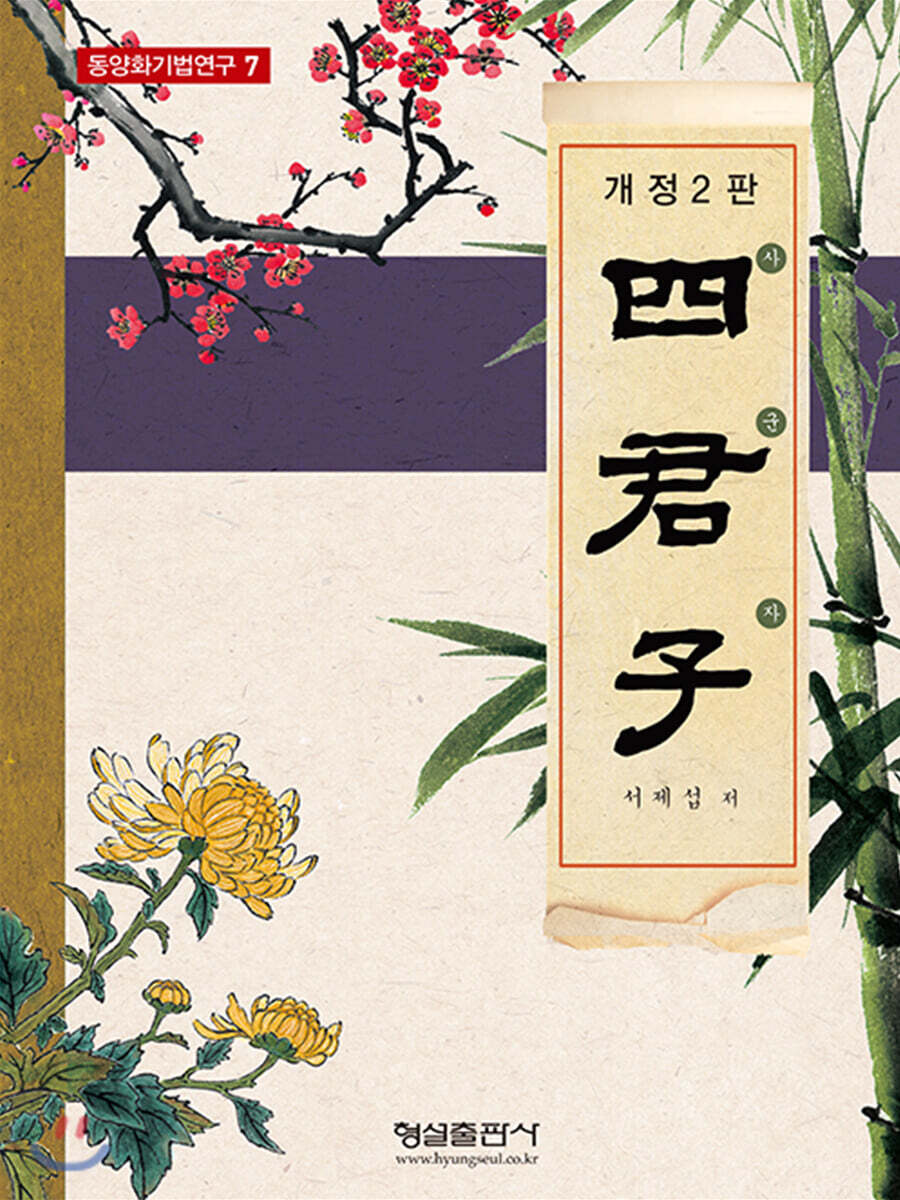
This book lists the techniques unique to the Four Gentlemen: plum, orchid, chrysanthemum, and bamboo. While these techniques are briefly presented in ink and wash painting books, this book presents the techniques in more specific and detailed ways, making it a guide for those who wish to study the Four Gentlemen systematically.
In particular, while revising and expanding, I wrote anew, and in addition to the sumik molgol method (水墨沒骨), I supplemented and reworked the white drawing method (白描), the hook and hook method (彩色), and the light coloring method (淡彩) to make the drawings easier to understand. Furthermore, I wrote the topics in the examples I provided, albeit with my limited skills, to inform beginners about the concept of white space in screen composition and the positioning of the topic.
In particular, while revising and expanding, I wrote anew, and in addition to the sumik molgol method (水墨沒骨), I supplemented and reworked the white drawing method (白描), the hook and hook method (彩色), and the light coloring method (淡彩) to make the drawings easier to understand. Furthermore, I wrote the topics in the examples I provided, albeit with my limited skills, to inform beginners about the concept of white space in screen composition and the positioning of the topic.
- You can preview some of the book's contents.
Preview
index
Bamboo
Bamboo / 68
How to Draw Bamboo / 69
1.
Drawing Bamboo Strips / 70
1.
Non-standard stem expressions / 72
2.
When drawing two or more stems / 74
2.
Drawing Bamboo Branches / 75
3.
Drawing Bamboo Branches / 78
4.
Connection of bamboo stems and branches / 83
5.
Drawing Bamboo Leaves / 86
1.
How to Use Ink / 86
2.
How to Use a Brush / 86
3.
Angyeopbeop / 88
4.
Leaflet Method / 89
5.
Points to Avoid When Drawing Bamboo Leaves / 94
6.
Things to keep in mind when drawing leaves / 94
7.
Determination of the leaves at the ends of branches / 95
6.
Drawing the Bamboo Root / 102
1.
Drawing Bamboo Shoots / 102
2.
Bamboo Slice Drawing / 102
3.
Drawing Old Trees / 102
7.
Drawing Bamboo Comprehensively / 103
1.
Drawing Bamboo / 117
2.
Drawing a Ujuk / 119
3.
Drawing Bamboo / 121
4.
Drawing Hyeonaejuk / 123
5.
Drawing Snow Bamboo / 125
6.
Drawing Bamboo with a White Paper / 127
7.
Drawing Bamboo with a Gureuk / 129
8.
Drawing Bamboo with Watercolor / 131
plum
Plum (梅, plum blossom) / 134
How to Draw a Plum Blossom / 135
1.
Drawing a Plum Blossom Branch / 136
1.
Drawing Twigs / 141
2.
Drawing a simple drawing on a piece of paper / 142
2.
Drawing a Plum Blossom / 144
3.
The connection between plum poles and plum branches / 148
4.
The Branch-and-Row Flower-Leaving Method / 152
5.
Drawing a Plum Blossom / 155
1.
Drawing Petals / 155
2.
Drawing Flower Stamens / 156
3.
Drawing the Sepals / 158
4.
Notes on Flowers / 160
5.
Drawing Flowers with Dotting Techniques / 161
6.
Plum Blossom Composition / 162
1.
Four characters of the eagle / 162
2.
The Four Ears of the Eagle / 162
3.
Precautions for Buyers / 164
4.
5 Requirements for Drawing Plum Blossoms / 166
7.
Comprehensive Drawing of Plum Blossoms / 166
1.
36 Diseases of Hwagwangmaebo / 185
2.
The Hwagwangmaebo's Theory of Obsession / 185
Chrysanthemum
Chrysanthemum / 188
How to Draw Chrysanthemums / 189
1.
Drawing Chrysanthemums / 189
1.
Drawing Petals / 190
2.
Drawing Flower Stamens / 194
3.
Drawing the Sepals / 194
4.
Drawing Flower Buds / 195
5.
Drawing Chrysanthemums / 197
6.
Drawing Flowers with Baekmyo Method / 198
2.
Drawing Chrysanthemum Leaves / 200
3.
Drawing the Chrysanthemum Stem and Branches / 205
4.
Combination of Chrysanthemum Branches and Leaves / 206
5.
Drawing Chrysanthemums Comprehensively / 207
1.
The Treasure of Chrysanthemums / 220
2.
Painting Chrysanthemums with Watercolor / 225
3.
Drawing Chrysanthemums Using the Gureuk Method / 229
Topic / 2311.
I / 231 2.
Death / 232 3.
Every / 233 4.
Country / 234
Appreciation Chapter / 239
References / 249
Bamboo / 68
How to Draw Bamboo / 69
1.
Drawing Bamboo Strips / 70
1.
Non-standard stem expressions / 72
2.
When drawing two or more stems / 74
2.
Drawing Bamboo Branches / 75
3.
Drawing Bamboo Branches / 78
4.
Connection of bamboo stems and branches / 83
5.
Drawing Bamboo Leaves / 86
1.
How to Use Ink / 86
2.
How to Use a Brush / 86
3.
Angyeopbeop / 88
4.
Leaflet Method / 89
5.
Points to Avoid When Drawing Bamboo Leaves / 94
6.
Things to keep in mind when drawing leaves / 94
7.
Determination of the leaves at the ends of branches / 95
6.
Drawing the Bamboo Root / 102
1.
Drawing Bamboo Shoots / 102
2.
Bamboo Slice Drawing / 102
3.
Drawing Old Trees / 102
7.
Drawing Bamboo Comprehensively / 103
1.
Drawing Bamboo / 117
2.
Drawing a Ujuk / 119
3.
Drawing Bamboo / 121
4.
Drawing Hyeonaejuk / 123
5.
Drawing Snow Bamboo / 125
6.
Drawing Bamboo with a White Paper / 127
7.
Drawing Bamboo with a Gureuk / 129
8.
Drawing Bamboo with Watercolor / 131
plum
Plum (梅, plum blossom) / 134
How to Draw a Plum Blossom / 135
1.
Drawing a Plum Blossom Branch / 136
1.
Drawing Twigs / 141
2.
Drawing a simple drawing on a piece of paper / 142
2.
Drawing a Plum Blossom / 144
3.
The connection between plum poles and plum branches / 148
4.
The Branch-and-Row Flower-Leaving Method / 152
5.
Drawing a Plum Blossom / 155
1.
Drawing Petals / 155
2.
Drawing Flower Stamens / 156
3.
Drawing the Sepals / 158
4.
Notes on Flowers / 160
5.
Drawing Flowers with Dotting Techniques / 161
6.
Plum Blossom Composition / 162
1.
Four characters of the eagle / 162
2.
The Four Ears of the Eagle / 162
3.
Precautions for Buyers / 164
4.
5 Requirements for Drawing Plum Blossoms / 166
7.
Comprehensive Drawing of Plum Blossoms / 166
1.
36 Diseases of Hwagwangmaebo / 185
2.
The Hwagwangmaebo's Theory of Obsession / 185
Chrysanthemum
Chrysanthemum / 188
How to Draw Chrysanthemums / 189
1.
Drawing Chrysanthemums / 189
1.
Drawing Petals / 190
2.
Drawing Flower Stamens / 194
3.
Drawing the Sepals / 194
4.
Drawing Flower Buds / 195
5.
Drawing Chrysanthemums / 197
6.
Drawing Flowers with Baekmyo Method / 198
2.
Drawing Chrysanthemum Leaves / 200
3.
Drawing the Chrysanthemum Stem and Branches / 205
4.
Combination of Chrysanthemum Branches and Leaves / 206
5.
Drawing Chrysanthemums Comprehensively / 207
1.
The Treasure of Chrysanthemums / 220
2.
Painting Chrysanthemums with Watercolor / 225
3.
Drawing Chrysanthemums Using the Gureuk Method / 229
Topic / 2311.
I / 231 2.
Death / 232 3.
Every / 233 4.
Country / 234
Appreciation Chapter / 239
References / 249
Publisher's Review
Currently, our art education is focused on Western art, even though it is located in the East.
In this respect, the author believed that in order to revive and develop the brilliant unique traditions of our ancestors, there should be educational materials that combine the theory and practice of Oriental painting, a spiritual product that lives in lines and white space, as well as awareness and popularization of Oriental painting.
I understand that several books on oriental painting techniques have been published recently.
Some of them were written by domestic painters, and most of the others were simply translations of foreign editions or re-edited versions of several books. So, based on the experiences I gained from the classroom and various materials, I have compiled what I have written in the form of drawings for over ten years from the perspective of studying, and published this series on oriental painting techniques.
In terms of content, it is based on the painting techniques and painting theories of previous painters, and also refers to new modern theories. The illustrated paintings focus on reflecting not only the basic form and characteristics of the subject matter, but also its biological content.
This book lists the techniques unique to the Four Gentlemen: plum, orchid, chrysanthemum, and bamboo. While this is briefly shown in ink and wash painting books, this book presents the techniques in more specific and detailed ways, so I believe it will serve as a guide for those who wish to study the Four Gentlemen systematically.
In particular, while revising and expanding, I wrote anew, and in addition to the sumik molgol method (水墨沒骨), I supplemented and reworked the drawings to make them easier to understand by using the white drawing method (白描), the hook and hook method (彩色), and the light coloring method (淡彩). Furthermore, I hope you understand that I wrote the subject in the example work, even though my skills are lacking, in order to inform beginners about the concept of white space in screen composition and the positioning of the subject.
I have tried to provide some help to beginners who are learning Oriental painting, but I am not sure how effective the message will be in conveying the meaning... I hope for your warm advice and guidance.
It's already been 20 years since the first edition was published.
We have published a second revised edition of this book, further enhancing and supplementing its contents.
We would like to express our gratitude to our readers who have studied using this book.
Written by Ha Jeong (霞汀)
In this respect, the author believed that in order to revive and develop the brilliant unique traditions of our ancestors, there should be educational materials that combine the theory and practice of Oriental painting, a spiritual product that lives in lines and white space, as well as awareness and popularization of Oriental painting.
I understand that several books on oriental painting techniques have been published recently.
Some of them were written by domestic painters, and most of the others were simply translations of foreign editions or re-edited versions of several books. So, based on the experiences I gained from the classroom and various materials, I have compiled what I have written in the form of drawings for over ten years from the perspective of studying, and published this series on oriental painting techniques.
In terms of content, it is based on the painting techniques and painting theories of previous painters, and also refers to new modern theories. The illustrated paintings focus on reflecting not only the basic form and characteristics of the subject matter, but also its biological content.
This book lists the techniques unique to the Four Gentlemen: plum, orchid, chrysanthemum, and bamboo. While this is briefly shown in ink and wash painting books, this book presents the techniques in more specific and detailed ways, so I believe it will serve as a guide for those who wish to study the Four Gentlemen systematically.
In particular, while revising and expanding, I wrote anew, and in addition to the sumik molgol method (水墨沒骨), I supplemented and reworked the drawings to make them easier to understand by using the white drawing method (白描), the hook and hook method (彩色), and the light coloring method (淡彩). Furthermore, I hope you understand that I wrote the subject in the example work, even though my skills are lacking, in order to inform beginners about the concept of white space in screen composition and the positioning of the subject.
I have tried to provide some help to beginners who are learning Oriental painting, but I am not sure how effective the message will be in conveying the meaning... I hope for your warm advice and guidance.
It's already been 20 years since the first edition was published.
We have published a second revised edition of this book, further enhancing and supplementing its contents.
We would like to express our gratitude to our readers who have studied using this book.
Written by Ha Jeong (霞汀)
GOODS SPECIFICS
- Date of issue: March 2, 2020
- Page count, weight, size: 252 pages | 223*297*20mm
- ISBN13: 9788947283984
- ISBN10: 8947283983
You may also like
카테고리
korean


korean

![GQ KOREA Mark (Monthly): December [2025]](http://librairie.coreenne.fr/cdn/shop/files/8ef265dbbfbf186523ed75ba7319009d.jpg?v=1765340328&width=3840)


