

Vocal Secret 24
 |
Description
Book Introduction
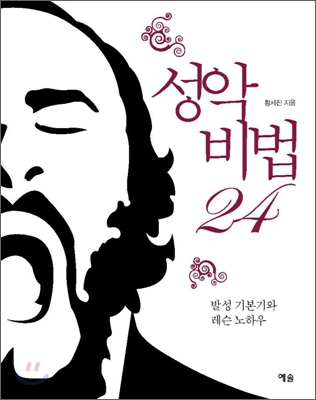
A book containing twenty-four secrets of vocal music that will captivate and move audiences with your beautiful voice.
The author, who has dedicated himself to vocal lessons for over 10 years, explains the fundamentals of vocalization and teaching know-how in an easy-to-understand manner using examples based on his own experience.
This book emphasizes the importance of objectively assessing one's own abilities and presents vocal grades that can be helpful in vocal lessons.
This book presents practical teaching know-how, such as how to use lesson notebooks, how to use recordings, and how to appreciate records and performances. It also includes external growth in vocal lessons, presenting anecdotes of successful masters through thorough position management, patience and perseverance in turning slumps into opportunities, clear goal setting, and a positive attitude.
The author, who has dedicated himself to vocal lessons for over 10 years, explains the fundamentals of vocalization and teaching know-how in an easy-to-understand manner using examples based on his own experience.
This book emphasizes the importance of objectively assessing one's own abilities and presents vocal grades that can be helpful in vocal lessons.
This book presents practical teaching know-how, such as how to use lesson notebooks, how to use recordings, and how to appreciate records and performances. It also includes external growth in vocal lessons, presenting anecdotes of successful masters through thorough position management, patience and perseverance in turning slumps into opportunities, clear goal setting, and a positive attitude.
- You can preview some of the book's contents.
Preview
index
prolog
Part 1 Towards the Master of Vocalization
1.
80% of vocalization is breathing.
2.
Five Exercises to Improve Your Breathing
3.
Opening your jaw opens your breathing
4.
Control your tongue, an obstacle to breathing
5.
Larynx, the gateway to deep breathing
6.
4 Steps to Abdominal Breathing
7.
Find resonance
8.
Vocal cord vibration determines tone
9.
Balance your breathing, resonance, and vocal cords.
10.
Musicality that a vocalist must possess
Part 2 Lesson Know-How No One Teach You
11.
Know your own abilities
12.
The Secret of the Lesson Notebook
13.
How to Use Recording for Rapid Growth
14.
Find a practice method that works for you
15.
Appreciation techniques to emulate the masters
16.
Use a slump as an opportunity
17.
Talents and abilities required by learners
18.
Thorough self-management allows you to perform at your best.
Part 3: Attitudes for Becoming an Excellent Artist
19.
Vivid dreams awaken your potential.
20.
Those who record and imagine their dreams achieve them.
21.
A goal is a dream with a deadline.
22.
The price is made by a positive attitude.
23.
You can only continue to grow if your fundamentals are solid.
24.
Become a reading artist
Part 1 Towards the Master of Vocalization
1.
80% of vocalization is breathing.
2.
Five Exercises to Improve Your Breathing
3.
Opening your jaw opens your breathing
4.
Control your tongue, an obstacle to breathing
5.
Larynx, the gateway to deep breathing
6.
4 Steps to Abdominal Breathing
7.
Find resonance
8.
Vocal cord vibration determines tone
9.
Balance your breathing, resonance, and vocal cords.
10.
Musicality that a vocalist must possess
Part 2 Lesson Know-How No One Teach You
11.
Know your own abilities
12.
The Secret of the Lesson Notebook
13.
How to Use Recording for Rapid Growth
14.
Find a practice method that works for you
15.
Appreciation techniques to emulate the masters
16.
Use a slump as an opportunity
17.
Talents and abilities required by learners
18.
Thorough self-management allows you to perform at your best.
Part 3: Attitudes for Becoming an Excellent Artist
19.
Vivid dreams awaken your potential.
20.
Those who record and imagine their dreams achieve them.
21.
A goal is a dream with a deadline.
22.
The price is made by a positive attitude.
23.
You can only continue to grow if your fundamentals are solid.
24.
Become a reading artist
Into the book
Personally, there are two tenors that I like very much.
Luciano Pavarotti and Placido Domingo.
Which of these two sings correctly? Whose vocal technique is better? Whose musicality is better? The answer is both.
Pavarotti's method is good, and Domingo's method is also good.
Both singers have good vocal technique and excellent musicality.
Nothing else is wrong.
It's just different.
Different, but all right.
You can choose the method that suits you among the many methods in this book.
Anyone who learns to sing will have problems with how to sing.
But how to solve that problem varies from person to person.
Because the voices are different, the physical conditions, the structure and appearance of the vocal cords, and the singing habits are all different.
--- From the prologue
The three keys to vocalization are breathing, resonance, and vocal cords.
The price is the person who throws and catches these three balls well.
These balls are all made of glass.
If you drop any of the three balls, your vocalization will be broken.
Using all three balls is an excellent vocal technique.
--- p.97
The song is evaluated in front of an audience.
It's no use if you can't sing well in front of an audience.
Maintaining good condition is a skill.
If you sing with a good voice during practice but your condition is bad on the day of the performance and you cannot perform to your full potential, then you have failed to take care of yourself.
A person who knows how to sing in the best condition when the opportunity comes can be said to be a skilled singer.
--- p.212
The biggest obstacle to building the fundamentals of vocalization is bad habits.
It takes a relatively short period of time for a student who has never learned vocal music to build the fundamentals of vocalization.
However, it takes longer for students who already have bad habits to build the fundamentals of vocalization.
Because it is more difficult to break bad habits.
Luciano Pavarotti and Placido Domingo.
Which of these two sings correctly? Whose vocal technique is better? Whose musicality is better? The answer is both.
Pavarotti's method is good, and Domingo's method is also good.
Both singers have good vocal technique and excellent musicality.
Nothing else is wrong.
It's just different.
Different, but all right.
You can choose the method that suits you among the many methods in this book.
Anyone who learns to sing will have problems with how to sing.
But how to solve that problem varies from person to person.
Because the voices are different, the physical conditions, the structure and appearance of the vocal cords, and the singing habits are all different.
--- From the prologue
The three keys to vocalization are breathing, resonance, and vocal cords.
The price is the person who throws and catches these three balls well.
These balls are all made of glass.
If you drop any of the three balls, your vocalization will be broken.
Using all three balls is an excellent vocal technique.
--- p.97
The song is evaluated in front of an audience.
It's no use if you can't sing well in front of an audience.
Maintaining good condition is a skill.
If you sing with a good voice during practice but your condition is bad on the day of the performance and you cannot perform to your full potential, then you have failed to take care of yourself.
A person who knows how to sing in the best condition when the opportunity comes can be said to be a skilled singer.
--- p.212
The biggest obstacle to building the fundamentals of vocalization is bad habits.
It takes a relatively short period of time for a student who has never learned vocal music to build the fundamentals of vocalization.
However, it takes longer for students who already have bad habits to build the fundamentals of vocalization.
Because it is more difficult to break bad habits.
--- p.275
Publisher's Review
■ Twenty-four vocal secrets for those who dream of becoming a vocalist and are challenging themselves!
Everyone has probably dreamed of singing beautifully in front of others at least once.
This book contains twenty-four secrets to captivating and moving audiences with your own beautiful voice.
The author, who has dedicated himself to vocal lessons for over 10 years, uses his extensive experience to explain the fundamentals of vocalization and teaching know-how that anyone learning vocal music must know in an easy-to-understand way using examples.
■ Find the best practice method for you and dedicate yourself to it!
When it comes to learning something, the process and method of putting in effort are just as important as talent.
The author suggests various methods and know-how to maximize the effectiveness of vocal lessons, and encourages you to find the method that is right for you.
To do this, he says it is important to objectively assess one's own skills, and suggests vocal grades that will be helpful for vocal lessons.
Additionally, practical lesson know-how, such as how to use lesson notebooks, how to use recordings, and how to appreciate records and performances, will be of real help.
■ Learn from the vivid experiences of successful people!
Even those who are considered experts in various fields often go through difficult times called slumps.
Their stories of failure and how they overcame them to reach the top serve as an opportunity to reflect on our own attitude.
The author presents anecdotes of successful individuals who achieved success through thorough position management, patience and perseverance in turning slumps into opportunities, clear goal setting, and a positive attitude, and also suggests external growth through vocal lessons.
■ Summary of Key Contents
Part 1, ‘Towards the Master of Vocalization’ explains the vocalization method that is the basis of vocal music.
To sing well, you must learn good vocalization techniques.
We have organized the vocalization method to make it as easy to understand as possible, focusing on the core of vocalization: breathing, vocal cords, and resonance.
Part 2, 'Lesson Know-How That No One Teach You', covers how to grow quickly through lessons.
It explains how to take notes, how to record and analyze your voice using an MP3 player or recorder, an effective practice method that suits you, how to appreciate the masters to emulate them, and how to overcome slumps and self-management methods.
Part 3, “Attitudes to Become an Excellent Artist,” discusses the attitudes we should learn through the experiences of successes and failures of masters in various fields.
It presents lessons we can learn through anecdotes of world-class vocalists who have overcome their weaknesses and developed their strengths.
Everyone has probably dreamed of singing beautifully in front of others at least once.
This book contains twenty-four secrets to captivating and moving audiences with your own beautiful voice.
The author, who has dedicated himself to vocal lessons for over 10 years, uses his extensive experience to explain the fundamentals of vocalization and teaching know-how that anyone learning vocal music must know in an easy-to-understand way using examples.
■ Find the best practice method for you and dedicate yourself to it!
When it comes to learning something, the process and method of putting in effort are just as important as talent.
The author suggests various methods and know-how to maximize the effectiveness of vocal lessons, and encourages you to find the method that is right for you.
To do this, he says it is important to objectively assess one's own skills, and suggests vocal grades that will be helpful for vocal lessons.
Additionally, practical lesson know-how, such as how to use lesson notebooks, how to use recordings, and how to appreciate records and performances, will be of real help.
■ Learn from the vivid experiences of successful people!
Even those who are considered experts in various fields often go through difficult times called slumps.
Their stories of failure and how they overcame them to reach the top serve as an opportunity to reflect on our own attitude.
The author presents anecdotes of successful individuals who achieved success through thorough position management, patience and perseverance in turning slumps into opportunities, clear goal setting, and a positive attitude, and also suggests external growth through vocal lessons.
■ Summary of Key Contents
Part 1, ‘Towards the Master of Vocalization’ explains the vocalization method that is the basis of vocal music.
To sing well, you must learn good vocalization techniques.
We have organized the vocalization method to make it as easy to understand as possible, focusing on the core of vocalization: breathing, vocal cords, and resonance.
Part 2, 'Lesson Know-How That No One Teach You', covers how to grow quickly through lessons.
It explains how to take notes, how to record and analyze your voice using an MP3 player or recorder, an effective practice method that suits you, how to appreciate the masters to emulate them, and how to overcome slumps and self-management methods.
Part 3, “Attitudes to Become an Excellent Artist,” discusses the attitudes we should learn through the experiences of successes and failures of masters in various fields.
It presents lessons we can learn through anecdotes of world-class vocalists who have overcome their weaknesses and developed their strengths.
GOODS SPECIFICS
- Date of issue: December 15, 2008
- Page count, weight, size: 288 pages | 342g | 145*185*20mm
- ISBN13: 9788959162420
- ISBN10: 8959162426
You may also like
카테고리
korean


korean

![GQ KOREA Mark (Monthly): December [2025]](http://librairie.coreenne.fr/cdn/shop/files/8ef265dbbfbf186523ed75ba7319009d.jpg?v=1765340328&width=3840)


