

Johann Sebastian Bach's Spiral Time
 |
Description
Book Introduction
An in-depth guide for lovers of Bach's music.
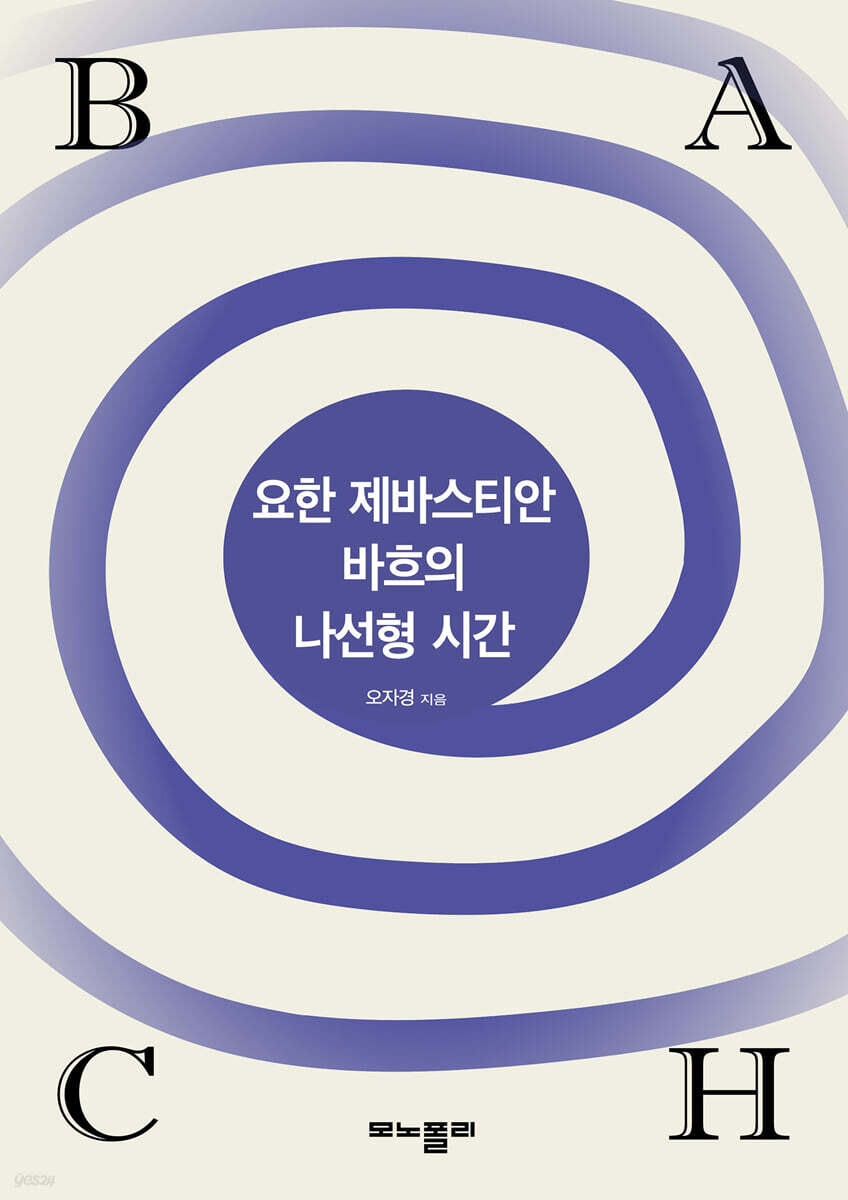
This book examines Bach's life and music, along with the people and historical background surrounding him, and explores the philosophy of time hidden within his works.
The author interprets the 'cyclical time' created by the repeated bass and returning aria, focusing especially on the 'Goldberg Variations'.
When that cycle meshes with the 'linear time' of reality, the music expands beyond the circle into a spiral.
The gradually expanding pitch structure of the canon is also read as a symbol of this spiral.
By illuminating the traces of Bach's later life hidden beneath the surface on the structure of the variations, the author experiences his own inner process of transformation within them.
As a result, Bach's music is presented anew as an art form that resonates forever within 'spiral time', while preserving perfect balance and beauty.
This book examines Bach's life and music, along with the people and historical background surrounding him, and explores the philosophy of time hidden within his works.
The author interprets the 'cyclical time' created by the repeated bass and returning aria, focusing especially on the 'Goldberg Variations'.
When that cycle meshes with the 'linear time' of reality, the music expands beyond the circle into a spiral.
The gradually expanding pitch structure of the canon is also read as a symbol of this spiral.
By illuminating the traces of Bach's later life hidden beneath the surface on the structure of the variations, the author experiences his own inner process of transformation within them.
As a result, Bach's music is presented anew as an art form that resonates forever within 'spiral time', while preserving perfect balance and beauty.
- You can preview some of the book's contents.
Preview
index
Introduction
prolog
Part 1
aria
1721: Two Weddings in Midwinter
1722: Mitke's Harpsichord and Clavier Works / 35
First Canon: Johann Sebastian Bach: Cantor of St. Thomaskirche, Leipzig
1724: The Cantor's Burdensome Mission and the St. John Passion
1725: "Little Clavier Pieces for Anna Magdalena"
Second Canon: Wilhelm Friedemann Bach: The eldest son, following in his father's footsteps.
1727: Queen Eberhardine's funeral music and conflict with the universities
1728: Ziegler, a female poet from Leipzig
Third Canon: Collegium Musicum
1730: Cantor 'incurable' recorded in city council minutes
1731: Publication of Clavier Uebung, Volume 1
Fourth Canon: Carl Philipp Emanuel Bach: A Wise Second Son Who Maintained a Moderate Distance from His Father
1733: Mass dedicated to the new Elector Frederick Augustus II
1734: The Coffee Cantata: The Equation of Coffee and Marriage
Fifth Canon: Johann Gottfried Bernhard Bach: The Weak Third Son
Part 2
1736: The 'War of the Assistants' and the Life of a Dresden Court Composer: Act 2 Overture
1737: The ongoing dispute with the schoolmaster, Ernesti
The Sixth Canon: Johann Adolf Scheibe: Sharp Criticism and Hatred
1739: Cancellation of Passion performances and publication of Clavier Ubung, Volume 3
1740: Johann Elias Bach: Secretary and Tutor
Seventh Canon: Johann Christian Bach: The Youngest Son's International Fame and the Story Behind It
1742: "The Quite-Tempered Clavier, Volume 2"
1743: A series of 'Great Concerts' and organ recitals in other cities
Eighth Canon: Count Kaiserling and Goldberg
1745: War and the occupation by Prussian troops
1746: Organ inspection in Naumburg
Ninth Canon: Frederick the Great and the Musical Offering
1748: The Mitzler Music Society and The Art of the Fugue
1749: Mass in B minor and Lischen's Wedding
1750.
Quadlibet: 'Love one another'
The Return of Heavenly Aria
Epilogue
Author's Note
supplement
1.
The original structure of "Aria and 30 Variations"
2.
Johann Sebastian Bach's immediate family
References
prolog
Part 1
aria
1721: Two Weddings in Midwinter
1722: Mitke's Harpsichord and Clavier Works / 35
First Canon: Johann Sebastian Bach: Cantor of St. Thomaskirche, Leipzig
1724: The Cantor's Burdensome Mission and the St. John Passion
1725: "Little Clavier Pieces for Anna Magdalena"
Second Canon: Wilhelm Friedemann Bach: The eldest son, following in his father's footsteps.
1727: Queen Eberhardine's funeral music and conflict with the universities
1728: Ziegler, a female poet from Leipzig
Third Canon: Collegium Musicum
1730: Cantor 'incurable' recorded in city council minutes
1731: Publication of Clavier Uebung, Volume 1
Fourth Canon: Carl Philipp Emanuel Bach: A Wise Second Son Who Maintained a Moderate Distance from His Father
1733: Mass dedicated to the new Elector Frederick Augustus II
1734: The Coffee Cantata: The Equation of Coffee and Marriage
Fifth Canon: Johann Gottfried Bernhard Bach: The Weak Third Son
Part 2
1736: The 'War of the Assistants' and the Life of a Dresden Court Composer: Act 2 Overture
1737: The ongoing dispute with the schoolmaster, Ernesti
The Sixth Canon: Johann Adolf Scheibe: Sharp Criticism and Hatred
1739: Cancellation of Passion performances and publication of Clavier Ubung, Volume 3
1740: Johann Elias Bach: Secretary and Tutor
Seventh Canon: Johann Christian Bach: The Youngest Son's International Fame and the Story Behind It
1742: "The Quite-Tempered Clavier, Volume 2"
1743: A series of 'Great Concerts' and organ recitals in other cities
Eighth Canon: Count Kaiserling and Goldberg
1745: War and the occupation by Prussian troops
1746: Organ inspection in Naumburg
Ninth Canon: Frederick the Great and the Musical Offering
1748: The Mitzler Music Society and The Art of the Fugue
1749: Mass in B minor and Lischen's Wedding
1750.
Quadlibet: 'Love one another'
The Return of Heavenly Aria
Epilogue
Author's Note
supplement
1.
The original structure of "Aria and 30 Variations"
2.
Johann Sebastian Bach's immediate family
References
GOODS SPECIFICS
- Date of issue: November 18, 2025
- Page count, weight, size: 240 pages | 143*214*20mm
- ISBN13: 9788991952362
- ISBN10: 8991952364
You may also like
카테고리
korean


korean

![GQ KOREA Mark (Monthly): December [2025]](http://librairie.coreenne.fr/cdn/shop/files/8ef265dbbfbf186523ed75ba7319009d.jpg?v=1765340328&width=3840)


