

The Ecstasy of the Garden
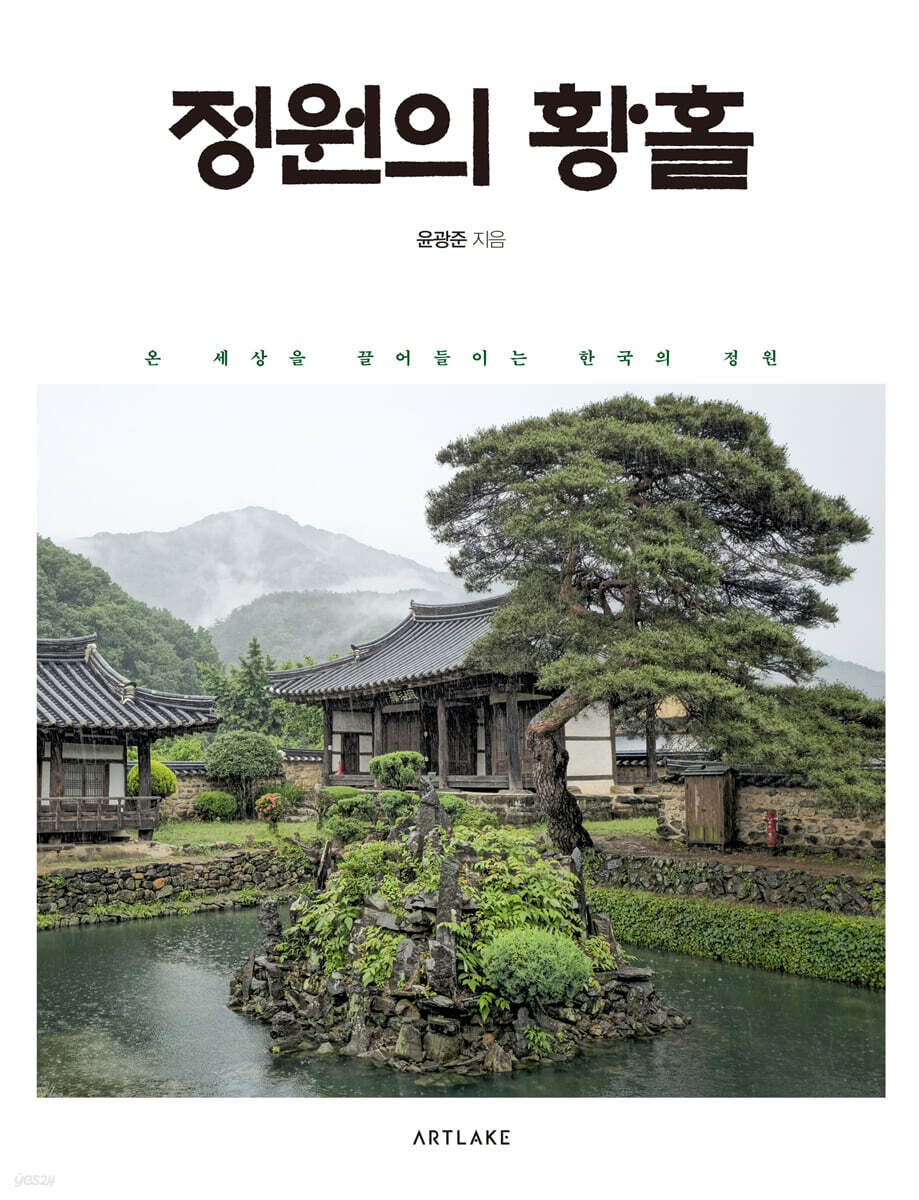 |
Description
Book Introduction
Take a look at our gardens, which are filled with the unique style and sentiment of Korea!
A story about our garden, told with a unique perspective!
There are about 10,000 gardens in our country.
But there aren't many people who have actually been to the garden.
Why? Because we don't realize that a pavilion or pavilion located in a place with beautiful mountains, water, and beautiful scenery is our garden.
So, even if you see it, you often don't realize you've seen it and just pass it by.
The author, who became interested in gardens by chance over twenty years ago, has been visiting gardens at home and abroad for a long time, steadily recording them through photos and writing.
Having visited various gardens around the world, I have come to realize that our garden has a unique charm that is stronger and more certain.
So, in recent years, I have been deeply immersed in and intensively exploring Korea's ancient gardens.
What makes this book unique is that it contains 22 gardens that the author carefully selected based on highly subjective criteria, rather than general criteria such as fame or cultural heritage value.
This is 'Yoon Gwang-jun's List of Famous Gardens', which highlights the unique characteristics of Korean gardens that are easy to miss at first glance.
These are places where you can truly experience the unique beauty of our gardens, which blend naturally into the landscape as if they had been there from the beginning.
The author of this book, Gwangjun Yoon, is a writer who has traveled both domestically and internationally, accumulating diverse experiences and unique perspectives.
Besides, you're a professional photographer.
The vision and perspective are bound to be different.
Let's take a look at the Korean gardens that he selected and interpreted with his own standards, feeling them with his five senses.
The shabby and quiet pavilions and gazebos that you usually pass by without much thought will come across as having a new and different feel.
A story about our garden, told with a unique perspective!
There are about 10,000 gardens in our country.
But there aren't many people who have actually been to the garden.
Why? Because we don't realize that a pavilion or pavilion located in a place with beautiful mountains, water, and beautiful scenery is our garden.
So, even if you see it, you often don't realize you've seen it and just pass it by.
The author, who became interested in gardens by chance over twenty years ago, has been visiting gardens at home and abroad for a long time, steadily recording them through photos and writing.
Having visited various gardens around the world, I have come to realize that our garden has a unique charm that is stronger and more certain.
So, in recent years, I have been deeply immersed in and intensively exploring Korea's ancient gardens.
What makes this book unique is that it contains 22 gardens that the author carefully selected based on highly subjective criteria, rather than general criteria such as fame or cultural heritage value.
This is 'Yoon Gwang-jun's List of Famous Gardens', which highlights the unique characteristics of Korean gardens that are easy to miss at first glance.
These are places where you can truly experience the unique beauty of our gardens, which blend naturally into the landscape as if they had been there from the beginning.
The author of this book, Gwangjun Yoon, is a writer who has traveled both domestically and internationally, accumulating diverse experiences and unique perspectives.
Besides, you're a professional photographer.
The vision and perspective are bound to be different.
Let's take a look at the Korean gardens that he selected and interpreted with his own standards, feeling them with his five senses.
The shabby and quiet pavilions and gazebos that you usually pass by without much thought will come across as having a new and different feel.
- You can preview some of the book's contents.
Preview
index
prolog
Part 1: Korean Gardens with Their Unique Charm and the World's Greatest Gardens
Where the hell is the garden?
Living in the splendid mountains and rivers of Samcheolli, I did not create a garden.
Our gardens are home to over ten thousand pavilions and towers.
What happened in the sperm?
A loose, comfortable and leisurely Korean garden
We can tolerate cold, but not stuffiness.
A shabby, old building that was a garden?
Why You Can't Imagine a Korean Garden Without a Mountain
The gardens of Europe lead to Rome.
The gardens of Vaux-le-Vicomte and Versailles in France, boasting the perfect beauty of symmetry.
A time for reflection in open spaces: gardens in England and Germany
Japan's beautiful gardens, the pinnacle of sophistication and delicacy.
A Chinese garden that brings the world into its front yard
Part 2: In Search of Our Country's Nujeong and Byeolseo
Garden of Voluntary Isolation and Disconnection_Miryang Sameunjeong
Paradise within the house_Songhwa House in Oeam-ri, Asan
I will show you how to become one with nature_ Bonghwa Waseonjeong
An elegant and graceful garden_Haman Mugiyeondang
I'd rather be dirt than live like a dog_ Damyang Soswaewon
Embracing the whole of Byeongsan_ Andong Hahoe Village Byeongsan Seowon Mandeoru
The gentle and gentle garden of Ganggol Village_Yeolhwajeong Pavilion in Ganggol Village, Boseong
There are three large Samsin Mountains that are not found anywhere else_Andong Chehwajeong
If you want to relax in the garden_Andong Manhyujeong
Even the breathtaking scenery of Gosan can't compare to Gosanjeong Pavilion_Andong Gosanjeong Pavilion
In summer, it becomes a paradise covered with crape myrtle blossoms_Myeongokheon
The Reason for the Empty Yard_Songcheomjongtak and Gwangajeong in Yangdong Village, Gyeongju
A feast of auspicious stones unfolds at Yeongyang Gyeongjeong
There are rocks and water, so let's build a pavilion by the stream_Yecheon Choganjeong
A large, towering pavilion like a fortress_Yecheon Byeongamjeong
A mountain built with the good deeds of a living Buddha_Jinju Yongho Garden
As if possessing the whole world, Haman Akyangru is abundant.
Enter the stream and become one with nature_Geoyeonjeong, Haman
A charming garden where people can feel the presence of others_Hwasun Im Daejeong Garden
I am the master of mountains and rivers_Yeongdeok Simsujeong
There is a turtle rock on the site of a famous site_Bonghwa Cheongamjeong
Distant mountain scenery is the essence of Korean gardens_Daegu Sayuwon
Part 1: Korean Gardens with Their Unique Charm and the World's Greatest Gardens
Where the hell is the garden?
Living in the splendid mountains and rivers of Samcheolli, I did not create a garden.
Our gardens are home to over ten thousand pavilions and towers.
What happened in the sperm?
A loose, comfortable and leisurely Korean garden
We can tolerate cold, but not stuffiness.
A shabby, old building that was a garden?
Why You Can't Imagine a Korean Garden Without a Mountain
The gardens of Europe lead to Rome.
The gardens of Vaux-le-Vicomte and Versailles in France, boasting the perfect beauty of symmetry.
A time for reflection in open spaces: gardens in England and Germany
Japan's beautiful gardens, the pinnacle of sophistication and delicacy.
A Chinese garden that brings the world into its front yard
Part 2: In Search of Our Country's Nujeong and Byeolseo
Garden of Voluntary Isolation and Disconnection_Miryang Sameunjeong
Paradise within the house_Songhwa House in Oeam-ri, Asan
I will show you how to become one with nature_ Bonghwa Waseonjeong
An elegant and graceful garden_Haman Mugiyeondang
I'd rather be dirt than live like a dog_ Damyang Soswaewon
Embracing the whole of Byeongsan_ Andong Hahoe Village Byeongsan Seowon Mandeoru
The gentle and gentle garden of Ganggol Village_Yeolhwajeong Pavilion in Ganggol Village, Boseong
There are three large Samsin Mountains that are not found anywhere else_Andong Chehwajeong
If you want to relax in the garden_Andong Manhyujeong
Even the breathtaking scenery of Gosan can't compare to Gosanjeong Pavilion_Andong Gosanjeong Pavilion
In summer, it becomes a paradise covered with crape myrtle blossoms_Myeongokheon
The Reason for the Empty Yard_Songcheomjongtak and Gwangajeong in Yangdong Village, Gyeongju
A feast of auspicious stones unfolds at Yeongyang Gyeongjeong
There are rocks and water, so let's build a pavilion by the stream_Yecheon Choganjeong
A large, towering pavilion like a fortress_Yecheon Byeongamjeong
A mountain built with the good deeds of a living Buddha_Jinju Yongho Garden
As if possessing the whole world, Haman Akyangru is abundant.
Enter the stream and become one with nature_Geoyeonjeong, Haman
A charming garden where people can feel the presence of others_Hwasun Im Daejeong Garden
I am the master of mountains and rivers_Yeongdeok Simsujeong
There is a turtle rock on the site of a famous site_Bonghwa Cheongamjeong
Distant mountain scenery is the essence of Korean gardens_Daegu Sayuwon
Detailed image

Into the book
After seeing these gardens, the charm of our own gardens really came to me.
All values are clearly revealed through comparison.
The gardens of the world were created from the thoughts of their creators.
When I found out the reason, I realized that the form and approach were similar, and the process of becoming famous also had a lot in common.
As the process of typification and formalization took place and time passed, related research and stories were added, and people came to know about it.
Famous gardens were soon to be well-signified, popular and symbolic places.
--- p.9
For Koreans, the mountain scenery surrounding the village serves as a garden.
If you were to create a garden, it would obviously be a landscape in harmony with the mountains.
He also said that the greatest beauty is to extend the garden and make it look natural, like part of the mountain.
Most private gardens in the provinces have only one simple pavilion and are said to value minimizing human intervention.
He finally seemed to understand why Korean gardens seemed to have done nothing.
--- p.24
The number of pavilions worth visiting across the country is roughly condensed to about 300.
If you visit one or two places at a time, you can see most of it in about 1-2 years.
If you've seen one or two pavilions, you might think, 'It's nothing special!'
If you've visited 10 places, it changes to 'It's more fun than I thought!'
Once you get past 1200, it starts to feel heavier.
The harmony between the buildings and the landscape, combined with the tenacious, rough, yet dynamic nature of the Korean people, creates a uniqueness that is beyond comparison.
--- p.36
On the other hand, our garden was not clearly conceptualized from the beginning.
It would be more persuasive to say that there was no need for concepts and therefore no reason to define them.
The mountains and fields, streams and rocks that I see before my eyes are so beautiful and nice that I couldn't find any reason to create and maintain them.
Even if there was a garden, it was not decorated or decorated in a fancy way.
Our ancestors, who felt more comfortable when nature and humans were mixed together, did not stylize their gardens.
I thought that harmony with nature, as natural as breathing, was enough.
It can be said that the Korean sentiment and garden, which consider this a virtue, are 100% in sync.
--- p.46~47
My interests are villa gardens and modern gardens.
Most of this book is devoted to visiting these two gardens.
It contains content that will highlight the unique charm of Korean gardens.
The cultural heritage value of the villa garden is not very high, except for a few places.
Because it was expanded and rebuilt, the original shape was already destroyed and deformed.
--- p.65
If I had to pick one garden that was particularly impressive among the villa gardens I've seen, it would be Sam Eun Jeong in Miryang.
It had a different atmosphere from other gardens.
Sam Eun Jeong stands hidden behind a dense network of tall trees.
The strange pavilion, which gave off a strange impression, was located on a mountain far from the village.
At a glance, it was obvious that it had been intentionally dropped.
I felt like I was imprisoning myself in self-imposed isolation and isolation.
If you go to many places in search of a sperm, your intuition will not be far off.
Even the atmosphere was gloomy.
It wasn't just that I came here on a cold, dreary afternoon in February, the tail end of winter.
--- p.151
The leaves sparkled fresh in the morning sunlight, and the sound of water could be heard through the curved stone channels.
A stream flows inside the house… .
It came from elasticity.
The scenery, with its vivid colors and sounds, was incredibly beautiful.
I asked the person I met where this place was.
“This is Songhwa’s house.” Songhwa’s pine flower is pollen.
Inside the wall, the yellow pine pollen emitted by the new shoots of the crooked pine trees was like a mist.
I had a dreamlike day at Songhwa House, meeting real Songhwa.
--- p.162
Waseonjeong means a pavilion where immortals lie down and rest.
But Waseonjeong's freshness seemed to have a unique taste.
Because it was not a mysterious and misty landscape of overlapping mountain peaks as depicted in old paintings.
Instead, I chose the waterfall.
The sound of water falling from the waterfall, less than 20 meters away, was loud.
The waterfall, which falls from a hollowed-out terrain, is completely invisible from the outside.
The surrounding area was covered with dense forest, so the shadows of the trees were dark and it was cool enough to feel the chill even though it was summer.
All values are clearly revealed through comparison.
The gardens of the world were created from the thoughts of their creators.
When I found out the reason, I realized that the form and approach were similar, and the process of becoming famous also had a lot in common.
As the process of typification and formalization took place and time passed, related research and stories were added, and people came to know about it.
Famous gardens were soon to be well-signified, popular and symbolic places.
--- p.9
For Koreans, the mountain scenery surrounding the village serves as a garden.
If you were to create a garden, it would obviously be a landscape in harmony with the mountains.
He also said that the greatest beauty is to extend the garden and make it look natural, like part of the mountain.
Most private gardens in the provinces have only one simple pavilion and are said to value minimizing human intervention.
He finally seemed to understand why Korean gardens seemed to have done nothing.
--- p.24
The number of pavilions worth visiting across the country is roughly condensed to about 300.
If you visit one or two places at a time, you can see most of it in about 1-2 years.
If you've seen one or two pavilions, you might think, 'It's nothing special!'
If you've visited 10 places, it changes to 'It's more fun than I thought!'
Once you get past 1200, it starts to feel heavier.
The harmony between the buildings and the landscape, combined with the tenacious, rough, yet dynamic nature of the Korean people, creates a uniqueness that is beyond comparison.
--- p.36
On the other hand, our garden was not clearly conceptualized from the beginning.
It would be more persuasive to say that there was no need for concepts and therefore no reason to define them.
The mountains and fields, streams and rocks that I see before my eyes are so beautiful and nice that I couldn't find any reason to create and maintain them.
Even if there was a garden, it was not decorated or decorated in a fancy way.
Our ancestors, who felt more comfortable when nature and humans were mixed together, did not stylize their gardens.
I thought that harmony with nature, as natural as breathing, was enough.
It can be said that the Korean sentiment and garden, which consider this a virtue, are 100% in sync.
--- p.46~47
My interests are villa gardens and modern gardens.
Most of this book is devoted to visiting these two gardens.
It contains content that will highlight the unique charm of Korean gardens.
The cultural heritage value of the villa garden is not very high, except for a few places.
Because it was expanded and rebuilt, the original shape was already destroyed and deformed.
--- p.65
If I had to pick one garden that was particularly impressive among the villa gardens I've seen, it would be Sam Eun Jeong in Miryang.
It had a different atmosphere from other gardens.
Sam Eun Jeong stands hidden behind a dense network of tall trees.
The strange pavilion, which gave off a strange impression, was located on a mountain far from the village.
At a glance, it was obvious that it had been intentionally dropped.
I felt like I was imprisoning myself in self-imposed isolation and isolation.
If you go to many places in search of a sperm, your intuition will not be far off.
Even the atmosphere was gloomy.
It wasn't just that I came here on a cold, dreary afternoon in February, the tail end of winter.
--- p.151
The leaves sparkled fresh in the morning sunlight, and the sound of water could be heard through the curved stone channels.
A stream flows inside the house… .
It came from elasticity.
The scenery, with its vivid colors and sounds, was incredibly beautiful.
I asked the person I met where this place was.
“This is Songhwa’s house.” Songhwa’s pine flower is pollen.
Inside the wall, the yellow pine pollen emitted by the new shoots of the crooked pine trees was like a mist.
I had a dreamlike day at Songhwa House, meeting real Songhwa.
--- p.162
Waseonjeong means a pavilion where immortals lie down and rest.
But Waseonjeong's freshness seemed to have a unique taste.
Because it was not a mysterious and misty landscape of overlapping mountain peaks as depicted in old paintings.
Instead, I chose the waterfall.
The sound of water falling from the waterfall, less than 20 meters away, was loud.
The waterfall, which falls from a hollowed-out terrain, is completely invisible from the outside.
The surrounding area was covered with dense forest, so the shadows of the trees were dark and it was cool enough to feel the chill even though it was summer.
--- p.175
Publisher's Review
There are so many gardens in our country?!
The more you know about Korean gardens, the more fascinating they become, and they ultimately become a sight of ecstasy!
There are things that are so familiar and natural that we don't even recognize their existence.
In this case, the charm and value that are easily captured by strangers can easily be overlooked or wasted.
Aren't Korean gardens one of those things?
There are over ten thousand gardens across our country, but not many people are aware of this fact.
Even though there is a charming garden right next to us, we often pass by it without even realizing that it is a garden.
This is because the reality is that there are no standards for defining gardens, their names are confusing, and even their number is unclear.
Moreover, there are many gardens that stand as if they were a part of nature, boasting outstanding scenery.
Unlike famous foreign gardens that are decorated with beautiful flowers and trees, wonderful statues and fountains, our gardens give the impression that nothing has been done except for a pavilion.
But this is precisely the unique charm of Korean gardens.
Korean gardens are 'loose, comfortable, and leisurely', but when you enter the center of the garden or the veranda, the surrounding scenery, including the mountains, draws in, creating a sense of grandeur.
We invite readers to a Korean garden that becomes more and more attractive the more you learn about it, and ultimately presents a breathtaking scene.
From the entrance to the center of the garden, follow the author's gaze and experience a variety of experiences!
The hidden charm of Korean gardens that you may have overlooked without even realizing it!
When talking about the three greatest gardens in Korea, Soswaewon, Seyeonjeong, and Gyeongjeong are often mentioned.
But suddenly a question arises.
Who selected the "Top 3" or "Best" and on what basis? The sources are unclear, and even the categories vary depending on the time period and the selection body.
Accordingly, the author compiled common characteristics found in ancient Korean gardens and selected 22 gardens that best exemplify these characteristics to complete the 'My Garden List'.
It contains a wide range of gardens, including those renowned for their beauty, such as Damyang Soswaewon and Andong Byeongsan Seowon, as well as gardens that are lesser-known but instantly captivated the author's five senses, such as Songhwadaek in Oeam Village, Asan, Gosanjeong in Andong, and Akyangru in Haman.
From the moment you enter the garden, the author naturally draws readers into the same moment and space through vivid descriptions of elements that stimulate the five senses, such as the feel of the wind, the sound of water, the chirping of birds, the smell of grass and earth, and even the wide-open scenery that immediately catches your eye the moment you climb up to the pavilion.
As you follow the author's gaze and tour gardens across the country, you will naturally come to appreciate the unique world of Korean gardens and find yourself completely absorbed in it.
The more you know about Korean gardens, the more fascinating they become, and they ultimately become a sight of ecstasy!
There are things that are so familiar and natural that we don't even recognize their existence.
In this case, the charm and value that are easily captured by strangers can easily be overlooked or wasted.
Aren't Korean gardens one of those things?
There are over ten thousand gardens across our country, but not many people are aware of this fact.
Even though there is a charming garden right next to us, we often pass by it without even realizing that it is a garden.
This is because the reality is that there are no standards for defining gardens, their names are confusing, and even their number is unclear.
Moreover, there are many gardens that stand as if they were a part of nature, boasting outstanding scenery.
Unlike famous foreign gardens that are decorated with beautiful flowers and trees, wonderful statues and fountains, our gardens give the impression that nothing has been done except for a pavilion.
But this is precisely the unique charm of Korean gardens.
Korean gardens are 'loose, comfortable, and leisurely', but when you enter the center of the garden or the veranda, the surrounding scenery, including the mountains, draws in, creating a sense of grandeur.
We invite readers to a Korean garden that becomes more and more attractive the more you learn about it, and ultimately presents a breathtaking scene.
From the entrance to the center of the garden, follow the author's gaze and experience a variety of experiences!
The hidden charm of Korean gardens that you may have overlooked without even realizing it!
When talking about the three greatest gardens in Korea, Soswaewon, Seyeonjeong, and Gyeongjeong are often mentioned.
But suddenly a question arises.
Who selected the "Top 3" or "Best" and on what basis? The sources are unclear, and even the categories vary depending on the time period and the selection body.
Accordingly, the author compiled common characteristics found in ancient Korean gardens and selected 22 gardens that best exemplify these characteristics to complete the 'My Garden List'.
It contains a wide range of gardens, including those renowned for their beauty, such as Damyang Soswaewon and Andong Byeongsan Seowon, as well as gardens that are lesser-known but instantly captivated the author's five senses, such as Songhwadaek in Oeam Village, Asan, Gosanjeong in Andong, and Akyangru in Haman.
From the moment you enter the garden, the author naturally draws readers into the same moment and space through vivid descriptions of elements that stimulate the five senses, such as the feel of the wind, the sound of water, the chirping of birds, the smell of grass and earth, and even the wide-open scenery that immediately catches your eye the moment you climb up to the pavilion.
As you follow the author's gaze and tour gardens across the country, you will naturally come to appreciate the unique world of Korean gardens and find yourself completely absorbed in it.
GOODS SPECIFICS
- Date of issue: November 1, 2024
- Page count, weight, size: 372 pages | 606g | 153*200*23mm
- ISBN13: 9791198633897
- ISBN10: 1198633891
You may also like
카테고리
korean


korean

![GQ KOREA Mark (Monthly): December [2025]](http://librairie.coreenne.fr/cdn/shop/files/8ef265dbbfbf186523ed75ba7319009d.jpg?v=1765340328&width=3840)


