

Fascinating photos
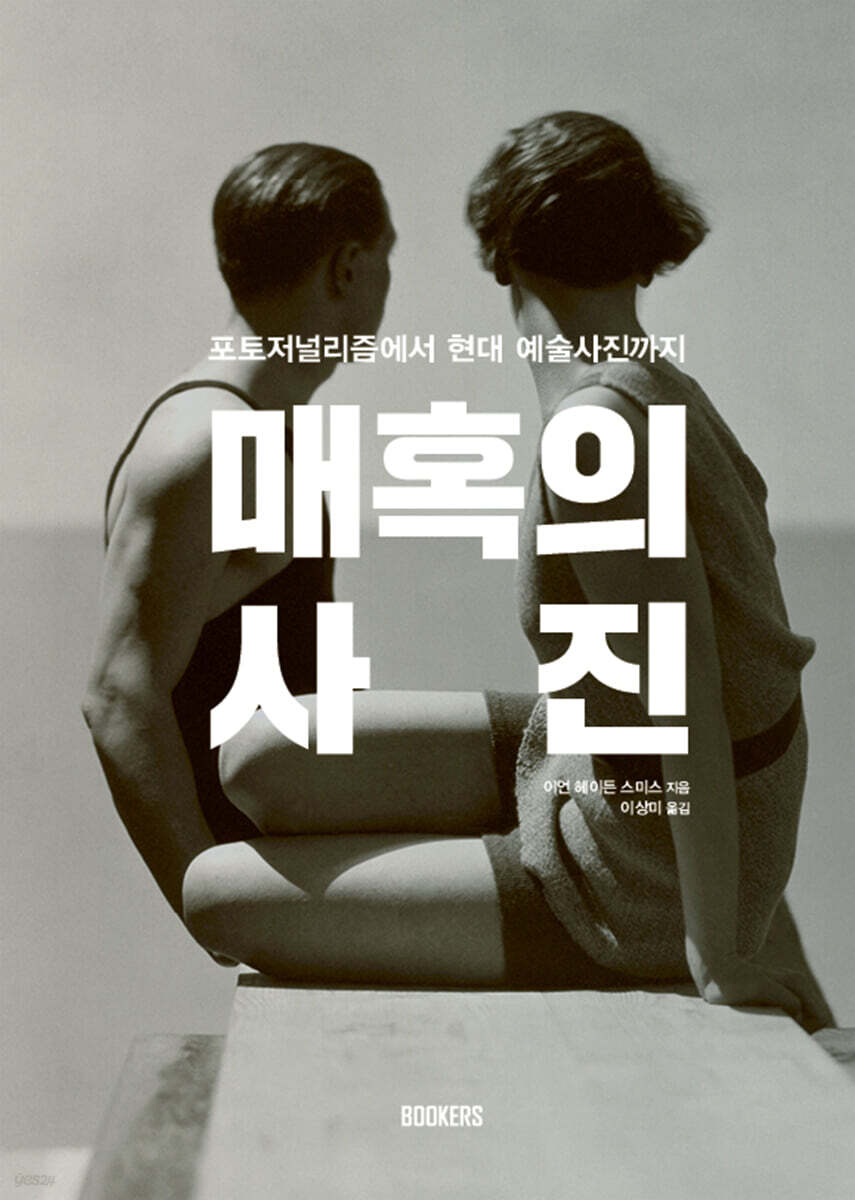 |
Description
Book Introduction
A deep understanding of modern photography
A book that helps you enjoy interesting experiences!
Photography, which has recently been gaining more attention as a genre of art, has had a relatively short history of about 200 years, developed by photographers who sought to 'realistically' express the surrounding world, objects, and people, or to embrace the 'aesthetics' of fine art.
In the process, it has expanded its scope to encompass a wide range of areas, from ideologically charged photographs, such as photojournalism, paparazzi photography, and propaganda, to photographs that embody commercial and artistic value, such as advertising and fashion.
This book introduces how the messages photographers of the time sought to convey were expressed in a single photo, as well as how technological advancements in cameras, lighting, and printing methods revolutionized the history of photography.
A book that helps you enjoy interesting experiences!
Photography, which has recently been gaining more attention as a genre of art, has had a relatively short history of about 200 years, developed by photographers who sought to 'realistically' express the surrounding world, objects, and people, or to embrace the 'aesthetics' of fine art.
In the process, it has expanded its scope to encompass a wide range of areas, from ideologically charged photographs, such as photojournalism, paparazzi photography, and propaganda, to photographs that embody commercial and artistic value, such as advertising and fashion.
This book introduces how the messages photographers of the time sought to convey were expressed in a single photo, as well as how technological advancements in cameras, lighting, and printing methods revolutionized the history of photography.
- You can preview some of the book's contents.
Preview
index
Getting Started | How to Use This Book
Genre
Monochrome | Pictorialism | Straight photography | Portrait | Landscape | Street photography | Color | Nude | Still life | Self-portrait | Abstract | Avant-garde | War | Propaganda | Ethnography | Photojournalism | Documentary | Humanism | Science | Art | Glamour | Pop | Society | Topography | Fashion | Advertising | Paparazzi | Concept | Direction | Performance | Contemporary art | Selfie
work
View from the Window at Gras, Nicéphore Niépce | Self-Portrait, Nadar | Still Life with Fruit and Decanter, Roger Fenton | The Harvest of Death, Timothy H.
O'Sullivan | Beatrice, Julia Margaret Cameron | Children Searching in the Mud Flats, Frank Meadow Sutcliffe | Third Class, Alfred Stieglitz | Entrance to the Pyramid of Menkaure, Friedrich Adolph Panet | The Mechanic and the Steam Jump, Louis Hine | Ingres's Violin, Man Ray | Portrait of a Mother, Alexander Rodchenko | Fork, André Kertész | The Divers, Georg Hoyningen Hühne | Green Peppers (No.
30), Edward Weston | “Lovers in a Cafe”, Brassai | “New York, Night View”, Berenice Abbott | “Immigrant Mother, Nipomo, California”, Dorothea Lange | “Bathroom at the Borough Dog Training Ground, Hale County, Alabama”, Walker Evans | “Photogram”, Laszlo Moholy-Nagy | “The Cop Killer”, Wizzy | “Power Lines in the Mojave Desert”, Ansel Adams | “American Soldiers Landing on Omaha Beach, D-Day, Normandy, France, June 6, 1944”, Robert Capa | “Liberation of Buchenwald Concentration Camp”, Margaret Bourke-White | “The Kiss at City Hall”, Robert Doanou | “Parade, Hoboken, New Jersey”, Robert Frank | “California, USA”, Elliot Erwitt | “Four Kings of Hollywood”, Slim Aarons | Che Guevara, Alberto Korda | Malcolm X, Eve Arnold | Jack Ruby Killing Lee Harvey Oswald, Robert H.
Jackson | Earthrise, William Anders | Algiers, Louisiana, William Eggleston | Panti Kim Phuc, Nick Ut | Sunday Afternoon, Whitby, England, Ian Barry | Self-Portrait in Crossdressing, Andy Warhol | Untitled 96, Cindy Sherman | Cookies from Tin Pan Alley, Nan Goldin | New Brighton, England, Martin Parr | Jesus in Urine, André Serrano | Louvre 1, Paris, 1989, Thomas Struth | Lutz and Alex in a Tree, Wolfgang Tillmans | Work for World Peace, Not a Sign with What Someone Else Wants to Tell You, But What You Want to Tell Them, Gillian Wearing | Hilton Head Island, South Carolina, June 24, 1992, by Rineke Dijkstra | The Baltic Sea, Rügen by Hiroshi Sugimoto | Flower Rondo by Nobuyoshi Araki | The Falling Man by Richard Drew | Overpass by Jeff Wall | Under the Roses by Gregory Crewdson | The Amazon by Andreas Gursky | Salt Pan #13 by Edward Burtynsky
subject
Weather | Architecture | Beauty | Love | Religion | Movement | Surreal | Nature | Animals | Death | Iconography | Celebrities | Cityscape | Consumerism | Class | Poverty | Politics | People | Decisive Moment | Technology | Modernity | Texture | Gender | Age | Power | Crime | Family | Popularity | Sports | Music | Youth Culture | Appropriation
Technique
Camera obscura | Daguerreotype | Calotype | Cyanotype | Collodion | Albumen paper | Gelatin silver print | Platinum print | Hand-coloring | Double exposure | Artificial light | Aerial photography | Cropping | Solarization | Moment capture | Kodachrome | SLR | Long exposure | Flash | Polaroid | Photomontage | Photo manipulation | Soft focus | Digital photography
Browse | Art Gallery | Image Source
Genre
Monochrome | Pictorialism | Straight photography | Portrait | Landscape | Street photography | Color | Nude | Still life | Self-portrait | Abstract | Avant-garde | War | Propaganda | Ethnography | Photojournalism | Documentary | Humanism | Science | Art | Glamour | Pop | Society | Topography | Fashion | Advertising | Paparazzi | Concept | Direction | Performance | Contemporary art | Selfie
work
View from the Window at Gras, Nicéphore Niépce | Self-Portrait, Nadar | Still Life with Fruit and Decanter, Roger Fenton | The Harvest of Death, Timothy H.
O'Sullivan | Beatrice, Julia Margaret Cameron | Children Searching in the Mud Flats, Frank Meadow Sutcliffe | Third Class, Alfred Stieglitz | Entrance to the Pyramid of Menkaure, Friedrich Adolph Panet | The Mechanic and the Steam Jump, Louis Hine | Ingres's Violin, Man Ray | Portrait of a Mother, Alexander Rodchenko | Fork, André Kertész | The Divers, Georg Hoyningen Hühne | Green Peppers (No.
30), Edward Weston | “Lovers in a Cafe”, Brassai | “New York, Night View”, Berenice Abbott | “Immigrant Mother, Nipomo, California”, Dorothea Lange | “Bathroom at the Borough Dog Training Ground, Hale County, Alabama”, Walker Evans | “Photogram”, Laszlo Moholy-Nagy | “The Cop Killer”, Wizzy | “Power Lines in the Mojave Desert”, Ansel Adams | “American Soldiers Landing on Omaha Beach, D-Day, Normandy, France, June 6, 1944”, Robert Capa | “Liberation of Buchenwald Concentration Camp”, Margaret Bourke-White | “The Kiss at City Hall”, Robert Doanou | “Parade, Hoboken, New Jersey”, Robert Frank | “California, USA”, Elliot Erwitt | “Four Kings of Hollywood”, Slim Aarons | Che Guevara, Alberto Korda | Malcolm X, Eve Arnold | Jack Ruby Killing Lee Harvey Oswald, Robert H.
Jackson | Earthrise, William Anders | Algiers, Louisiana, William Eggleston | Panti Kim Phuc, Nick Ut | Sunday Afternoon, Whitby, England, Ian Barry | Self-Portrait in Crossdressing, Andy Warhol | Untitled 96, Cindy Sherman | Cookies from Tin Pan Alley, Nan Goldin | New Brighton, England, Martin Parr | Jesus in Urine, André Serrano | Louvre 1, Paris, 1989, Thomas Struth | Lutz and Alex in a Tree, Wolfgang Tillmans | Work for World Peace, Not a Sign with What Someone Else Wants to Tell You, But What You Want to Tell Them, Gillian Wearing | Hilton Head Island, South Carolina, June 24, 1992, by Rineke Dijkstra | The Baltic Sea, Rügen by Hiroshi Sugimoto | Flower Rondo by Nobuyoshi Araki | The Falling Man by Richard Drew | Overpass by Jeff Wall | Under the Roses by Gregory Crewdson | The Amazon by Andreas Gursky | Salt Pan #13 by Edward Burtynsky
subject
Weather | Architecture | Beauty | Love | Religion | Movement | Surreal | Nature | Animals | Death | Iconography | Celebrities | Cityscape | Consumerism | Class | Poverty | Politics | People | Decisive Moment | Technology | Modernity | Texture | Gender | Age | Power | Crime | Family | Popularity | Sports | Music | Youth Culture | Appropriation
Technique
Camera obscura | Daguerreotype | Calotype | Cyanotype | Collodion | Albumen paper | Gelatin silver print | Platinum print | Hand-coloring | Double exposure | Artificial light | Aerial photography | Cropping | Solarization | Moment capture | Kodachrome | SLR | Long exposure | Flash | Polaroid | Photomontage | Photo manipulation | Soft focus | Digital photography
Browse | Art Gallery | Image Source
Detailed image

Into the book
There is no particular style or trend that has completely dominated the history of photography.
In the early days of photography, there was a clear divide between those interested in accurately representing the world around them and those photographers who embraced the aesthetics of fine art.
---From "Starting"
From photojournalistic and documentary work to more artistically oriented works, most serious photographic work has not acknowledged the advancement of color film.
Eventually, magazines used color photographs, but 'real' news stuck to black and white.
---From "Monochrome" and "Genre"
John William Draper (1811-1882) took a photograph of his sister.
To take a photograph, the subject had to remain completely still for more than a minute.
---From "Portrait Photography" and "Genre"
Nadar (1820-1910) broke away from photography as a conventional portrait and captured subjects as active participants rather than passive models.
As a result, his photographs became the epitome of spontaneity.
---「Nadar, Self-Portrait, from 「Works」」
Wei Zhi later summarized the criminal's situation as follows:
“It happened in the waiting room.
This guy killed a cop.
“First I got a black eye from being hit, and then I ended up in the electric chair at Sing Sing Prison.” This factual description perfectly encapsulates Weezy’s photojournalistic style.
---「From "Police Killer" by Weezy, "Works"」
Photography was always at the center of Warhol's work, even in his screen prints.
Warhol's cross-dressing self-portrait is reminiscent of Man Ray's photograph of Marcel Duchamp dressed as a woman.
Drag queens fascinated Warhol, and this series blurs gender boundaries.
(...) can be read as a desire to have the viewers look at oneself while simultaneously turning away from oneself.
---「Andy Warhol, Self-Portrait in Cross-Dressing, from 「Works」」
Martin Parr (1952-), who blurred the boundaries between art and entertainment, high and low culture, changed the British attitude toward photography with his highly saturated color portraits.
(...) When it was first exhibited in a gallery in London, it was derided by critics as being derogatory to the working class.
However, it has since been recognized as reflecting them more accurately than many of the 'noble' black-and-white portraits that came before it.
---From "Martin Parr, New Brighton, England," "Works"
From billboards to catalogs, photography has proven to be a profitable medium for selling lifestyles.
In the early 20th century, as magazines gained popularity, they used photography to promote fashion and build brands.
---From "Consumerism," "Topic"
Social movements of the late 19th and early 20th centuries brought about changes in the way poverty was represented, and government policies and political ideologies were radicalized around the image of the poor.
In the late 19th century, as thousands of people flocked to rapidly expanding urban areas, concern about the urban poor grew.
Pioneers such as Oscar Gustave Reylander (1813–1875), Heinrich Gillet (1858–1929), and Eugène Atget documented poverty in London, Revelin, and Paris.
---From "Poverty," "Theme"
Color photography was invented for scientific purposes and was marginalized by the established photography community until a new generation embraced its qualities.
The introduction of color film was a complex and lengthy process of trial and error.
The first durable color photograph was published by Scottish mathematical physicist James Clerk Maxwell (1831–1879), and was an image of a tartan ribbon.
---From "Color" and "Technique"
Early photographs used only natural light.
However, later use of light sources other than the sun gave photographers much more creative opportunities and allowed them to shoot indoors.
In 1839, Levett Landon Boscaveng Ibbetson (1799–1869) used a gray light to illuminate minute objects during photography.
Nadar made significant advances in lighting, using battery-powered lights in a series documenting the Parisian sewer system in the early 1860s.
In the early days of photography, there was a clear divide between those interested in accurately representing the world around them and those photographers who embraced the aesthetics of fine art.
---From "Starting"
From photojournalistic and documentary work to more artistically oriented works, most serious photographic work has not acknowledged the advancement of color film.
Eventually, magazines used color photographs, but 'real' news stuck to black and white.
---From "Monochrome" and "Genre"
John William Draper (1811-1882) took a photograph of his sister.
To take a photograph, the subject had to remain completely still for more than a minute.
---From "Portrait Photography" and "Genre"
Nadar (1820-1910) broke away from photography as a conventional portrait and captured subjects as active participants rather than passive models.
As a result, his photographs became the epitome of spontaneity.
---「Nadar, Self-Portrait, from 「Works」」
Wei Zhi later summarized the criminal's situation as follows:
“It happened in the waiting room.
This guy killed a cop.
“First I got a black eye from being hit, and then I ended up in the electric chair at Sing Sing Prison.” This factual description perfectly encapsulates Weezy’s photojournalistic style.
---「From "Police Killer" by Weezy, "Works"」
Photography was always at the center of Warhol's work, even in his screen prints.
Warhol's cross-dressing self-portrait is reminiscent of Man Ray's photograph of Marcel Duchamp dressed as a woman.
Drag queens fascinated Warhol, and this series blurs gender boundaries.
(...) can be read as a desire to have the viewers look at oneself while simultaneously turning away from oneself.
---「Andy Warhol, Self-Portrait in Cross-Dressing, from 「Works」」
Martin Parr (1952-), who blurred the boundaries between art and entertainment, high and low culture, changed the British attitude toward photography with his highly saturated color portraits.
(...) When it was first exhibited in a gallery in London, it was derided by critics as being derogatory to the working class.
However, it has since been recognized as reflecting them more accurately than many of the 'noble' black-and-white portraits that came before it.
---From "Martin Parr, New Brighton, England," "Works"
From billboards to catalogs, photography has proven to be a profitable medium for selling lifestyles.
In the early 20th century, as magazines gained popularity, they used photography to promote fashion and build brands.
---From "Consumerism," "Topic"
Social movements of the late 19th and early 20th centuries brought about changes in the way poverty was represented, and government policies and political ideologies were radicalized around the image of the poor.
In the late 19th century, as thousands of people flocked to rapidly expanding urban areas, concern about the urban poor grew.
Pioneers such as Oscar Gustave Reylander (1813–1875), Heinrich Gillet (1858–1929), and Eugène Atget documented poverty in London, Revelin, and Paris.
---From "Poverty," "Theme"
Color photography was invented for scientific purposes and was marginalized by the established photography community until a new generation embraced its qualities.
The introduction of color film was a complex and lengthy process of trial and error.
The first durable color photograph was published by Scottish mathematical physicist James Clerk Maxwell (1831–1879), and was an image of a tartan ribbon.
---From "Color" and "Technique"
Early photographs used only natural light.
However, later use of light sources other than the sun gave photographers much more creative opportunities and allowed them to shoot indoors.
In 1839, Levett Landon Boscaveng Ibbetson (1799–1869) used a gray light to illuminate minute objects during photography.
Nadar made significant advances in lighting, using battery-powered lights in a series documenting the Parisian sewer system in the early 1860s.
---From "Artificial Lighting" and "Technique"
Publisher's Review
From a photographer's perspective
The 'decisive moments' captured
The history of photography is not very long.
Although it cannot be classified into a specific trend or style like art history, it has developed the most rapidly among the 'visual arts' over a relatively short period of about 200 years.
The process of how the 'camera obscura', the predecessor of photography, became the modern digital DSR, from the first image, 'View from the Window of Gras', left behind through experiments by inventor and scientist Nicéphore Niépce, to the 'super high-resolution' image, 'Salt Field #13', taken from approximately 150 to 200 meters above the ground.
With the advancement of science and technology, the equipment needed for photography has evolved, and using these, photographers have been busy capturing the world around them.
The photographer's unique perspective on the subject is added to capture the 'decisive moment'.
These moments can have ideological meaning, as in photojournalism, paparazzi photography, and propaganda, or they can be expressed as beauty in commercial advertising and fashion.
This book examines the themes chosen by photographers and the changes in expression brought about by advances in photographic equipment technology, through 50 major photographic works that have had a significant impact on the history of photography.
A single photo
A message to us
Photography has expanded its scope not only through technology but also through various industries.
The development of mass media such as newspapers and the magazine Life expanded the influence of photojournalism, and it captured the horrors of war (such as the Vietnam War, the Crimean War, and the Civil War) and the hardships of immigrants and workers ("The Migrant Mother," "The Mechanic and the Steam Pump," "New Brighton, England"), thereby addressing social issues of the time.
Gradually, the world of globalization and mass consumerism is shown through Amazon's logistics warehouse through a personal, detailed perspective (〈Amazon〉), and the appearance of immigrants looking for work (〈Highway〉) is expressed as a form of modern art.
The subsequent rise of the entertainment industry, including advertising, film, music, and sports, encouraged photography to expand beyond its role as a factual record into the realm of art.
Photographers embraced the field of photography from various art and design movements in the early 20th century, experimenting with various forms and techniques through their 'subjects'.
Photography, which has created history by intertwining with different fields, is sometimes evaluated as being divided into ‘commerciality’ or ‘artistic value.’
This book defines photography as “a mirror that reflects the world, and at the same time, it explores the complexities of human psychology and emotions, peering into them.”
If we limit our appreciation of photographs to our personal tastes, we may only have seen a very small portion of them.
However, if you can understand the message contained in the photograph within the political, social, and cultural context of the time, you can gain another level of enjoyment from viewing the photograph.
The 'decisive moments' captured
The history of photography is not very long.
Although it cannot be classified into a specific trend or style like art history, it has developed the most rapidly among the 'visual arts' over a relatively short period of about 200 years.
The process of how the 'camera obscura', the predecessor of photography, became the modern digital DSR, from the first image, 'View from the Window of Gras', left behind through experiments by inventor and scientist Nicéphore Niépce, to the 'super high-resolution' image, 'Salt Field #13', taken from approximately 150 to 200 meters above the ground.
With the advancement of science and technology, the equipment needed for photography has evolved, and using these, photographers have been busy capturing the world around them.
The photographer's unique perspective on the subject is added to capture the 'decisive moment'.
These moments can have ideological meaning, as in photojournalism, paparazzi photography, and propaganda, or they can be expressed as beauty in commercial advertising and fashion.
This book examines the themes chosen by photographers and the changes in expression brought about by advances in photographic equipment technology, through 50 major photographic works that have had a significant impact on the history of photography.
A single photo
A message to us
Photography has expanded its scope not only through technology but also through various industries.
The development of mass media such as newspapers and the magazine Life expanded the influence of photojournalism, and it captured the horrors of war (such as the Vietnam War, the Crimean War, and the Civil War) and the hardships of immigrants and workers ("The Migrant Mother," "The Mechanic and the Steam Pump," "New Brighton, England"), thereby addressing social issues of the time.
Gradually, the world of globalization and mass consumerism is shown through Amazon's logistics warehouse through a personal, detailed perspective (〈Amazon〉), and the appearance of immigrants looking for work (〈Highway〉) is expressed as a form of modern art.
The subsequent rise of the entertainment industry, including advertising, film, music, and sports, encouraged photography to expand beyond its role as a factual record into the realm of art.
Photographers embraced the field of photography from various art and design movements in the early 20th century, experimenting with various forms and techniques through their 'subjects'.
Photography, which has created history by intertwining with different fields, is sometimes evaluated as being divided into ‘commerciality’ or ‘artistic value.’
This book defines photography as “a mirror that reflects the world, and at the same time, it explores the complexities of human psychology and emotions, peering into them.”
If we limit our appreciation of photographs to our personal tastes, we may only have seen a very small portion of them.
However, if you can understand the message contained in the photograph within the political, social, and cultural context of the time, you can gain another level of enjoyment from viewing the photograph.
GOODS SPECIFICS
- Date of issue: December 30, 2023
- Format: Hardcover book binding method guide
- Page count, weight, size: 224 pages | 148*210*20mm
- ISBN13: 9791190118620
- ISBN10: 1190118629
You may also like
카테고리
korean


korean

![GQ KOREA Mark (Monthly): December [2025]](http://librairie.coreenne.fr/cdn/shop/files/8ef265dbbfbf186523ed75ba7319009d.jpg?v=1765340328&width=3840)


