

Dopamine Detox
 |
Description
Book Introduction
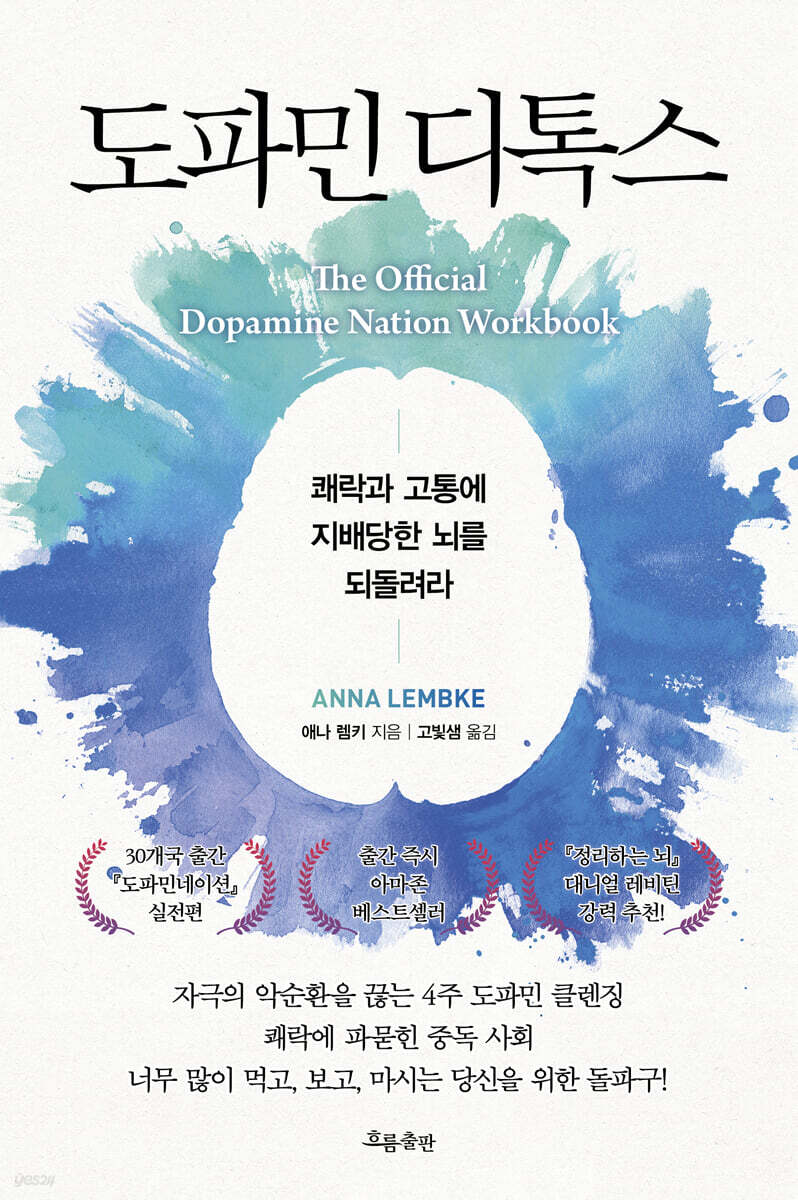
Dopamine Nation: Practical Edition, Published in 30 Countries An Amazon bestseller immediately after publication Highly recommended by Daniel Levitin, "The Organizing Brain." 4-Week Dopamine Cleanse to Break the Vicious Cycle of Stimulation How to Unleash Your Brain's Control Over Pleasure and Pain "Dopamine Detox" is an alternative solution by Anna Lemke that deeply analyzes the addiction problem commonly encountered in modern society. While the previous work, "Dopamine Nation," revealed the correlation between the pursuit of pleasure and mental health, this book focuses on providing solutions to restore mental health that has been put in crisis due to the pursuit of dopamine and live a healthy life. Modern people, drawn into a variety of stimuli such as smartphones, social media, OTT platforms, online pornography, games, alcohol, and gambling, fall into a vicious cycle of addiction without even realizing that they are addicted. But in today's world of smartphones, even behaviors that are considered positive, like exercise and reading, are designed to be addictive. Even if we don't go out of our way to find the addictive substance, push notifications are always following us. For a generation that's online 24/7, smartphones are like hypodermic needles that inject dopamine, and we've all become potential addicts. Therefore, we must immediately readjust our brain's pleasure set point to break the cycle of addiction. Anna Lemke uses the latest advances in brain and neuroscience and a variety of clinical cases to explore how common, familiar, and even taken-for-granted stimuli disrupt the brain's homeostasis. In a world where we're consumed quickly and stimuli offer instant gratification, how can we pursue sustainable satisfaction? "Dopamine Detox" will serve as a guide to finding the answer to that question. Heal your brain from eating, watching, and drinking too much! |
- You can preview some of the book's contents.
Preview
index
Preface to the Korean Edition | Time to Face Your Overstimulated Self
Preface | Reclaiming the Brain Sick of Pleasure and Pain
How to read this book
Chapter 1 Data
Chapter 2 Objectives
Chapter 3 Problem
Chapter 4: Temperance and Asceticism
Chapter 5 Mindfulness
Chapter 6: Insight and Honesty
Chapter 7: Next Steps
Chapter 8 Experiment
Acknowledgements
Preface | Reclaiming the Brain Sick of Pleasure and Pain
How to read this book
Chapter 1 Data
Chapter 2 Objectives
Chapter 3 Problem
Chapter 4: Temperance and Asceticism
Chapter 5 Mindfulness
Chapter 6: Insight and Honesty
Chapter 7: Next Steps
Chapter 8 Experiment
Acknowledgements
Detailed image
.jpg)
Into the book
What's the difference between passion, habit, and addiction? It all comes down to whether the substance or behavior in question is harmful.
Harm isn't always immediately apparent.
It may be clearly visible to others but not to the person affected, and the harm may accumulate over time and go unnoticed.
It is more difficult to perceive the harm of culturally praised behaviors, such as drugs taken as a cure, work, fame, money, or power.
--- From "Chapter 1 Data"
You can get a subjective 'feeling' that you are achieving a certain outcome through substances and behaviors that provide strong rewards.
But in reality, most of them fail to achieve their expected goals.
In other words, what you feel is happening may not actually be happening.
--- From "Chapter 2 Goals"
A world once lacking in resources has become a place of overwhelming abundance.
We now have greater access to powerful substances and behaviors that didn't exist in the past: messaging, Twitter (now 'X'), e-cigarettes, video chat, marijuana, doctor shopping, and more.
We are all potential addicts.
For a generation that's online 24/7, smartphones are hypodermic needles that deliver digital dopamine.
Even if you haven't been exposed to an addictive substance yet, you may soon encounter one on a website near you.
As a result, they feel pleasure only when there is a greater reward, and feel pain even with the smallest stimulus.
--- From "Chapter 3 Problems"
In our modern society, steeped in dopamine, there is no need to seek out addictive substances.
They always follow us.
Think of various forms of marketing and promotion, including push notifications.
Addictive substances and behaviors cause us to consume and consume again.
--- From "Chapter 4 Temperance and Asceticism"
When quitting addictive substances and behaviors, it is essential to recognize the mental state of boredom.
Boredom seems like a trivial emotion on the surface.
But behind boredom lurks the most enduring and terrifying emotion of all: the existential dread of living.
--- From “Chapter 5 Mindfulness”
When we speak truthfully about our lives and experience the direct consequences of our wrongdoings, we become aware of our own actions and the harm they cause to others.
The truth tells us things we can never experience when we lie.
As we gain better access to more truthful information, the way we tell our stories will change.
--- From “Chapter 6: Insight and Honesty”
About 80 percent of patients who successfully completed a dopamine detox reported more benefits than drawbacks.
Among those 80 percent were patients who had completely resolved the addiction that had brought them to me in the first place.
Most still want to return to the substance or behavior they were addicted to, but they tend to use less than before.
In fact, they used less addictive substances or behaviors over a period of time and were more likely to have healthier relationships.
Harm isn't always immediately apparent.
It may be clearly visible to others but not to the person affected, and the harm may accumulate over time and go unnoticed.
It is more difficult to perceive the harm of culturally praised behaviors, such as drugs taken as a cure, work, fame, money, or power.
--- From "Chapter 1 Data"
You can get a subjective 'feeling' that you are achieving a certain outcome through substances and behaviors that provide strong rewards.
But in reality, most of them fail to achieve their expected goals.
In other words, what you feel is happening may not actually be happening.
--- From "Chapter 2 Goals"
A world once lacking in resources has become a place of overwhelming abundance.
We now have greater access to powerful substances and behaviors that didn't exist in the past: messaging, Twitter (now 'X'), e-cigarettes, video chat, marijuana, doctor shopping, and more.
We are all potential addicts.
For a generation that's online 24/7, smartphones are hypodermic needles that deliver digital dopamine.
Even if you haven't been exposed to an addictive substance yet, you may soon encounter one on a website near you.
As a result, they feel pleasure only when there is a greater reward, and feel pain even with the smallest stimulus.
--- From "Chapter 3 Problems"
In our modern society, steeped in dopamine, there is no need to seek out addictive substances.
They always follow us.
Think of various forms of marketing and promotion, including push notifications.
Addictive substances and behaviors cause us to consume and consume again.
--- From "Chapter 4 Temperance and Asceticism"
When quitting addictive substances and behaviors, it is essential to recognize the mental state of boredom.
Boredom seems like a trivial emotion on the surface.
But behind boredom lurks the most enduring and terrifying emotion of all: the existential dread of living.
--- From “Chapter 5 Mindfulness”
When we speak truthfully about our lives and experience the direct consequences of our wrongdoings, we become aware of our own actions and the harm they cause to others.
The truth tells us things we can never experience when we lie.
As we gain better access to more truthful information, the way we tell our stories will change.
--- From “Chapter 6: Insight and Honesty”
About 80 percent of patients who successfully completed a dopamine detox reported more benefits than drawbacks.
Among those 80 percent were patients who had completely resolved the addiction that had brought them to me in the first place.
Most still want to return to the substance or behavior they were addicted to, but they tend to use less than before.
In fact, they used less addictive substances or behaviors over a period of time and were more likely to have healthier relationships.
--- From "Chapter 7: Next Steps"
Publisher's Review
The era of "dopamine-chasing"
The Birth of the "Dopamine Man," a Pleasure-Drenched Being
Modern people seek out stimulation every day and live by consuming that stimulation.
70% of deaths worldwide are caused by factors we can completely change ourselves, such as smoking, lack of exercise, and poor eating habits. However, rather than combat these risk factors, many people are drowning in stimulation and pleasure.
It's like living like a machine constantly seeking dopamine, losing control over what you eat, see, and drink.
The word that describes this phenomenon is dopaming.
If dopamine is the neurotransmitter secreted when we feel pleasure and joy, then farming refers to the act of collecting and gathering something.
In other words, dopaming is a new word that means the act of wandering around in search of pleasure like a hyena.
The typical daily life of modern people who can't put their smartphones down for even a moment, constantly check social media, and search for new content on OTT services is a typical example of dophamming.
The problem is that this stimulation only leaves us thirsty.
Addicted humans, or dopamine humans, need more stimulation to quench their thirst.
In this repeated stimulation, we become focused on momentary pleasure rather than true happiness and move away from long-term satisfaction.
As a result, you lose control and lose yourself.
A society where everyone is addicted
What is it that makes us addicted?
Anna Lemke cites 'abundance' as the main reason modern people are addicted to dopamine.
“More people than ever before are meeting their basic survival needs (food, clothing, shelter).
(…) virtually every aspect of human life has been designed to be more positively rewarding, more accessible, more novel, and more powerful.
(…) What is puzzling is that the wealthier the country and the better the access to mental health care, the more unhappy, depressed and anxious people are.
This is called the ‘paradox of abundance.’” (p. 12)
People are less happy, more depressed, and more anxious than they were 30 years ago.
Between 1990 and 2017, the number of new cases of depression increased by 50% worldwide, and in Korea, the rate of depression diagnoses soared from just 3.6% in 2011 to 6.7% in 2021.
Among them were many physically fit young men with loving families, excellent educations, and relative wealth.
Their problem was not trauma, social isolation, or poverty, but 'excess.'
The brain processes pleasure and pain in the same place.
Pleasure and pain are like scales at opposite ends.
Once you start consuming addictive substances such as alcohol, cigarettes, social media, and chocolate, you will want to consume more.
So the scales tip toward pleasure, and the brain powers pain to maintain balance.
In this process, we become vulnerable to stress and conflict and are overcome by anxiety and depression.
Ironically, the addiction to 'abundance' is driving us further into a state of mental and inner poverty.
This book explores the paradox of abundance, revealing the surprising patterns that lead to compulsive overconsumption and the reasons we unknowingly drive ourselves into addiction, using a variety of case studies and research to help us examine our own behavior.
Anna Lemke's Bold Prescription for Dopamine Addiction
Restore Balance to Your Life with a 4-Week Dopamine Detox
A four-week dopamine detox is required to safely stop compulsive overspending.
Four weeks is a reasonable amount of time for most people to recover and regain their sense of balance.
In week 1, focus on cutting out core stimuli.
We choose one stimulus we rely on the most, such as our smartphone, social media, sweet food, or an activity we play, and limit our use of it.
Through this process, you will experience enduring a period of time without stimulation and face the anxiety and emptiness that arise when there is no stimulation.
It's an important first step toward breaking the brain's pattern of demanding constant stimulation and developing the ability to tolerate discomfort.
In the second week, we continue to practice more intensified abstinence, continuing the activities we stopped in the first week. We avoid stimulating activities like watching TV, playing games, and surfing the internet as much as possible, and introduce healthy habits like exercise, meditation, and reading.
The goal of week 2 is to make our brains less stimulation-seeking.
You may experience withdrawal symptoms, but even that is a sign that your reward system is stabilizing.
After two weeks, the brain gradually becomes stable without much stimulation.
In weeks 3 and 4, you will explore your inner transformation through mindfulness training and take time to reflect on why you have become dependent on certain stimuli.
Meditate for 10 minutes a day or keep a journal to record the withdrawal symptoms you experience and the effects of dopamine detox.
Through the process of reflection, we learn how to maintain inner peace without stimulation.
You'll also learn how to cope when uncomfortable emotions arise, allowing you to pursue deeper, more lasting satisfaction instead of short-term stimulation.
After the four-week dopamine detox, stimuli are slowly reintroduced.
However, unlike before, you need to maintain a habit of moderation. Incorporate stimulating activities into your life in a controlled manner, such as watching TV again but for only 30 minutes, or limiting social media use to one hour.
In this process, you restrain and maintain stimulation, and consume stimulation in a different way than before.
We are subject to overstimulation.
These addictions may provide temporary pleasure, but they come at a price: anxiety, stress, and depression.
Your brain will demand more and more stimulation, robbing it of the joys of everyday life.
『Dopamine Detox』 helps you recover the small joys of life and self-control.
If you've ever lost your way, following stimuli without knowing where they're going, I can confidently say that this book will be your guide.
Have you been swayed by the pleasure of dopamine? It's time to take control of your brain!
The Birth of the "Dopamine Man," a Pleasure-Drenched Being
Modern people seek out stimulation every day and live by consuming that stimulation.
70% of deaths worldwide are caused by factors we can completely change ourselves, such as smoking, lack of exercise, and poor eating habits. However, rather than combat these risk factors, many people are drowning in stimulation and pleasure.
It's like living like a machine constantly seeking dopamine, losing control over what you eat, see, and drink.
The word that describes this phenomenon is dopaming.
If dopamine is the neurotransmitter secreted when we feel pleasure and joy, then farming refers to the act of collecting and gathering something.
In other words, dopaming is a new word that means the act of wandering around in search of pleasure like a hyena.
The typical daily life of modern people who can't put their smartphones down for even a moment, constantly check social media, and search for new content on OTT services is a typical example of dophamming.
The problem is that this stimulation only leaves us thirsty.
Addicted humans, or dopamine humans, need more stimulation to quench their thirst.
In this repeated stimulation, we become focused on momentary pleasure rather than true happiness and move away from long-term satisfaction.
As a result, you lose control and lose yourself.
A society where everyone is addicted
What is it that makes us addicted?
Anna Lemke cites 'abundance' as the main reason modern people are addicted to dopamine.
“More people than ever before are meeting their basic survival needs (food, clothing, shelter).
(…) virtually every aspect of human life has been designed to be more positively rewarding, more accessible, more novel, and more powerful.
(…) What is puzzling is that the wealthier the country and the better the access to mental health care, the more unhappy, depressed and anxious people are.
This is called the ‘paradox of abundance.’” (p. 12)
People are less happy, more depressed, and more anxious than they were 30 years ago.
Between 1990 and 2017, the number of new cases of depression increased by 50% worldwide, and in Korea, the rate of depression diagnoses soared from just 3.6% in 2011 to 6.7% in 2021.
Among them were many physically fit young men with loving families, excellent educations, and relative wealth.
Their problem was not trauma, social isolation, or poverty, but 'excess.'
The brain processes pleasure and pain in the same place.
Pleasure and pain are like scales at opposite ends.
Once you start consuming addictive substances such as alcohol, cigarettes, social media, and chocolate, you will want to consume more.
So the scales tip toward pleasure, and the brain powers pain to maintain balance.
In this process, we become vulnerable to stress and conflict and are overcome by anxiety and depression.
Ironically, the addiction to 'abundance' is driving us further into a state of mental and inner poverty.
This book explores the paradox of abundance, revealing the surprising patterns that lead to compulsive overconsumption and the reasons we unknowingly drive ourselves into addiction, using a variety of case studies and research to help us examine our own behavior.
Anna Lemke's Bold Prescription for Dopamine Addiction
Restore Balance to Your Life with a 4-Week Dopamine Detox
A four-week dopamine detox is required to safely stop compulsive overspending.
Four weeks is a reasonable amount of time for most people to recover and regain their sense of balance.
In week 1, focus on cutting out core stimuli.
We choose one stimulus we rely on the most, such as our smartphone, social media, sweet food, or an activity we play, and limit our use of it.
Through this process, you will experience enduring a period of time without stimulation and face the anxiety and emptiness that arise when there is no stimulation.
It's an important first step toward breaking the brain's pattern of demanding constant stimulation and developing the ability to tolerate discomfort.
In the second week, we continue to practice more intensified abstinence, continuing the activities we stopped in the first week. We avoid stimulating activities like watching TV, playing games, and surfing the internet as much as possible, and introduce healthy habits like exercise, meditation, and reading.
The goal of week 2 is to make our brains less stimulation-seeking.
You may experience withdrawal symptoms, but even that is a sign that your reward system is stabilizing.
After two weeks, the brain gradually becomes stable without much stimulation.
In weeks 3 and 4, you will explore your inner transformation through mindfulness training and take time to reflect on why you have become dependent on certain stimuli.
Meditate for 10 minutes a day or keep a journal to record the withdrawal symptoms you experience and the effects of dopamine detox.
Through the process of reflection, we learn how to maintain inner peace without stimulation.
You'll also learn how to cope when uncomfortable emotions arise, allowing you to pursue deeper, more lasting satisfaction instead of short-term stimulation.
After the four-week dopamine detox, stimuli are slowly reintroduced.
However, unlike before, you need to maintain a habit of moderation. Incorporate stimulating activities into your life in a controlled manner, such as watching TV again but for only 30 minutes, or limiting social media use to one hour.
In this process, you restrain and maintain stimulation, and consume stimulation in a different way than before.
We are subject to overstimulation.
These addictions may provide temporary pleasure, but they come at a price: anxiety, stress, and depression.
Your brain will demand more and more stimulation, robbing it of the joys of everyday life.
『Dopamine Detox』 helps you recover the small joys of life and self-control.
If you've ever lost your way, following stimuli without knowing where they're going, I can confidently say that this book will be your guide.
Have you been swayed by the pleasure of dopamine? It's time to take control of your brain!
GOODS SPECIFICS
- Date of issue: October 29, 2024
- Page count, weight, size: 200 pages | 414g | 145*218*16mm
- ISBN13: 9788965966647
- ISBN10: 8965966647
You may also like
카테고리
korean


korean

![GQ KOREA Mark (Monthly): December [2025]](http://librairie.coreenne.fr/cdn/shop/files/8ef265dbbfbf186523ed75ba7319009d.jpg?v=1765340328&width=3840)


