

Biography of Kurushima Takehiko
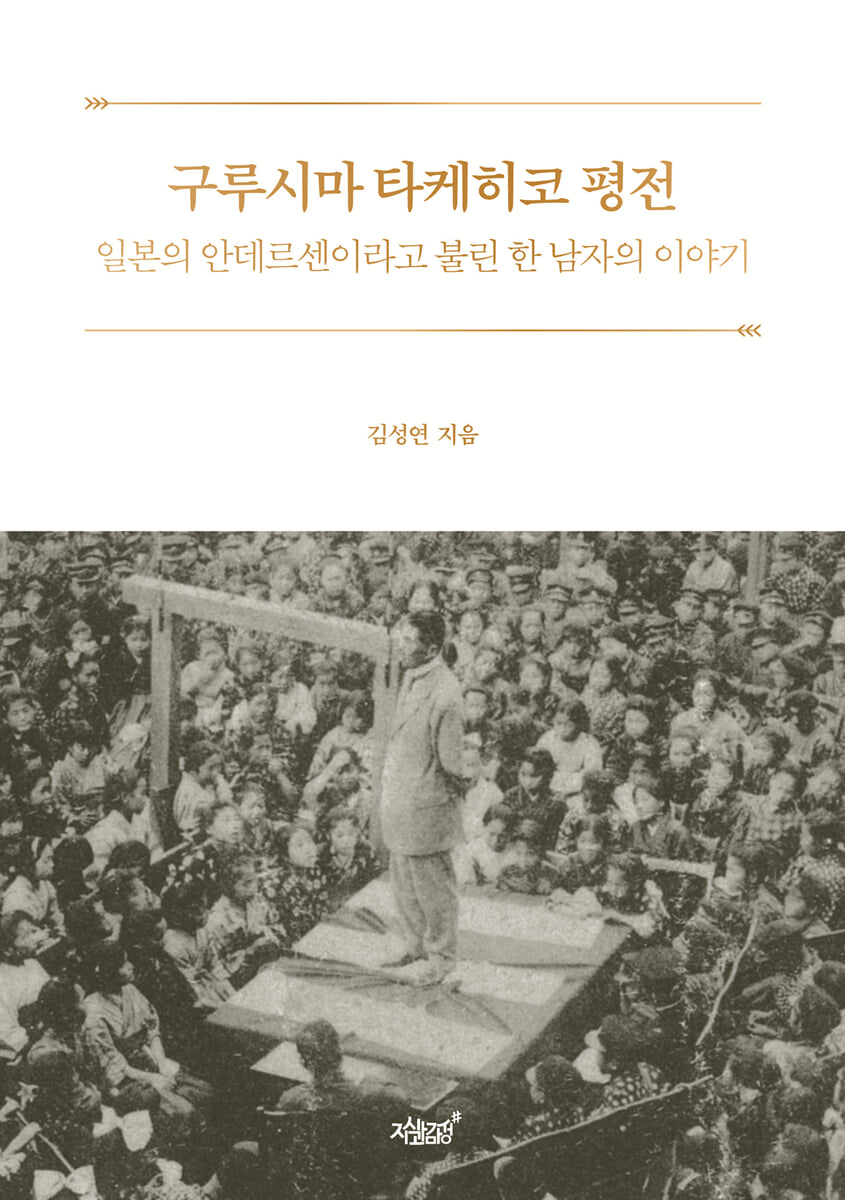 |
Description
Book Introduction
A non-fiction biography of Takehiko Kurushima, a descendant of the Murakami pirates, Japan's greatest pirates, who sought to nurture children's hearts through storytelling.
- You can preview some of the book's contents.
Preview
index
introduction
Chapter 1: The Young Master of the Mansion at 1 Donomachi
Chapter 2: A Belief in My Heart
Chapter 3: The Birth of Onoe Shinbei
Chapter 4: The Beginning of Fairy Tale Performances and Children's Theater
Chapter 5: Sowing the Seeds of Children's Culture
Chapter 6: Around the World
Chapter 7: Sawarabi Kindergarten
Chapter 8 The United States
Chapter 9: To Manchuria, Taiwan, and Korea
Chapter 10 To Europe
Chapter 11 Boy Scouts in Japan, Too!
Chapter 12 Andersen to Japan!
Chapter 13 Tomogaki
Chapter 14: If I remain silent, the stones will cry out.
Chapter 15: The Flower That Bloomed on Those Footsteps
Kurushima Takehiko Chronology
References
Chapter 1: The Young Master of the Mansion at 1 Donomachi
Chapter 2: A Belief in My Heart
Chapter 3: The Birth of Onoe Shinbei
Chapter 4: The Beginning of Fairy Tale Performances and Children's Theater
Chapter 5: Sowing the Seeds of Children's Culture
Chapter 6: Around the World
Chapter 7: Sawarabi Kindergarten
Chapter 8 The United States
Chapter 9: To Manchuria, Taiwan, and Korea
Chapter 10 To Europe
Chapter 11 Boy Scouts in Japan, Too!
Chapter 12 Andersen to Japan!
Chapter 13 Tomogaki
Chapter 14: If I remain silent, the stones will cry out.
Chapter 15: The Flower That Bloomed on Those Footsteps
Kurushima Takehiko Chronology
References
Publisher's Review
Andersen's 'word?' and the storyteller who was also a teacher
For a long time, 'stories' were mostly passed down through word of mouth.
Later, in modern times, with the creation of original fairy tales by Andersen and others, fairy tales finally became established as a 'genre' containing children's dreams and hopes, forming an important framework for narrative literature.
However, as we move beyond the era of high illiteracy in the 19th and early 20th centuries, ‘storytelling’, or ‘oral storytelling’, began in earnest, and the person at the center of this was none other than Takehiko Kurushima.
He was a man who devoted his entire life to the development of Japanese fairy tales, to the point that he was called the Antersen of Japan. From the late 1800s until his death in 1960 at the age of 86, he left countless traces in various aspects of Japanese children's culture.
This book, "A Biography of Takehiko Kurushima - The Story of a Man Called the Andersen of Japan," is a biography that covers his entire life from birth, and traces how a boy from Kusumachi, Oita Prefecture, gave up his dream of becoming a cattle farmer and grew into a children's literature writer and storyteller over the course of 60 years, during which the emperor changed three times: Meiji, Taisho, and Showa.
Particularly meaningful are the scenes that trace Takehiko's unwavering pursuit of his dreams, from the time he first dreamed of children's literature at the age of 19 until the moment he closed his eyes at the age of 86, in connection with various events during a period of historical upheaval.
In fact, Takehiko began his military career by landing on the Liaodong Peninsula during the Sino-Japanese War in December 1894, when he was twenty years old. He continued his military service in Incheon, Korea, during the Russo-Japanese War in 1904, when he was thirty. In the meantime, he published various types of writing and tried not to lose his focus.
Even on the battlefield where guns and swords were flying, he was concerned about children and literature. In 1906, when he was 32 years old, he founded Japan's first social education institution for boys and girls, "Fairy Tale Club," and began regular fairy tale telling activities.
During this period, he also made various efforts to expand the base of Japanese children's literature, such as founding Japan's first children's newspaper, Home, and publishing the children's play, Frog Flute (Kimono Bundo).
Then, in 1907, he and his teacher and close friend, another children's literature writer, Iwaya Sazanami, began a nationwide fairy tale tour, creating a fairy tale boom in Japan.
The storytelling that began in this way created dreamlike moments of encounters between Takehiko Kurushima and children for decades to come, and was imprinted as a “fairytale-like fairytale” in the childhoods of countless Japanese educators, politicians, and businesspeople.
Takehiko also collected local toys and founded the toy research group Shonikai (小??), and on May 5, 1910, he opened the Sawarabi Kindergarten in Tokyo.
In particular, at this Sawarabi Kindergarten, many children receive sophisticated Western-style early childhood education thanks to Takehiko's unique educational philosophy, and thanks to the weekly fixed storytelling time, they have the opportunity to encounter a variety of fairy tales from around the world.
Takehiko's achievements are countless, including introducing the Boy Scouts to Japan, traveling alone to the United States to study and introduce Western children's education systems, and in particular, bringing back the first Montessori curriculum to Japan, and establishing the 'Eton English Academy'.
In 1924, when he was 50 years old, he visited Denmark as a vice-leader of the Boy Scouts and worked to spread the value of Andersen, whose importance was not fully recognized, throughout Denmark. The following year, in 1925, he hosted a large-scale fairy tale festival in Japan to commemorate the 50th anniversary of Andersen's death and was awarded the Danish King's Order of Cultural Merit, truly proving why the name "Andersen of Japan" should be another name for him.
Even listing just a few examples would be breathtaking, and Takehiko Kurushima's children's literature and educational activities were truly remarkable achievements and accomplishments, rare not only in Japan but also around the world.
However, in this biography introducing him, there is a truly special part that is hard to take your eyes off: the scene where he traveled around various places during the Great Kanto Earthquake and told children a story about the disaster.
Another is the time of the Tokyo Air Raid in 1945, and the scene after the Hiroshima atomic bombing when he was about to leave for a storytelling activity for over 8,000 children in Kyushu.
What kind of 'world' is fairy tales for children, what kind of 'world' do fairy tales create in children's world, and what kind of comfort do fairy tales provide children with? The fairy tale storytelling activities at the most desperate moments are truly tear-jerkingly moving.
Even amidst the ravages of war, Takehiko took risks to provide children with the opportunity to read fairy tales. He was truly a true Andersen, creating a time as precious as the snow in April.
There are a few passages in the book that particularly stand out, the story of the Japanese eloquence Hieda no Are.
“Our Japan is a country of words that has valued words since ancient times. Hasn’t there been a storyteller in history who conveyed everything through words?” - Hieda no Are, who narrated the Kojiki
The story of Hieda no Are, who orally recounted the entire long history, is directly connected to Kurushima Takehiko, who orally recounted all the fairy tales of the world.
And another word that reveals the amazing child education view of the 'spiritual' Takehiko.
“The job of a kindergarten teacher is to develop the foundation of a person’s personality.
“This is as noble a work as God does.”
Takehiko, who guided children into the world of dreams as the 'Japanese Andersen', soon shows the 'power of storytelling' through words, becoming a 'spirit of words'(?) and then a person of the earth, telling an amazing story of children's education.
Let's read the biography, "Kurushima Takehiko Biography - The Story of a Man Called Japan's Andersen," where all of these things are piled up on each page.
For a long time, 'stories' were mostly passed down through word of mouth.
Later, in modern times, with the creation of original fairy tales by Andersen and others, fairy tales finally became established as a 'genre' containing children's dreams and hopes, forming an important framework for narrative literature.
However, as we move beyond the era of high illiteracy in the 19th and early 20th centuries, ‘storytelling’, or ‘oral storytelling’, began in earnest, and the person at the center of this was none other than Takehiko Kurushima.
He was a man who devoted his entire life to the development of Japanese fairy tales, to the point that he was called the Antersen of Japan. From the late 1800s until his death in 1960 at the age of 86, he left countless traces in various aspects of Japanese children's culture.
This book, "A Biography of Takehiko Kurushima - The Story of a Man Called the Andersen of Japan," is a biography that covers his entire life from birth, and traces how a boy from Kusumachi, Oita Prefecture, gave up his dream of becoming a cattle farmer and grew into a children's literature writer and storyteller over the course of 60 years, during which the emperor changed three times: Meiji, Taisho, and Showa.
Particularly meaningful are the scenes that trace Takehiko's unwavering pursuit of his dreams, from the time he first dreamed of children's literature at the age of 19 until the moment he closed his eyes at the age of 86, in connection with various events during a period of historical upheaval.
In fact, Takehiko began his military career by landing on the Liaodong Peninsula during the Sino-Japanese War in December 1894, when he was twenty years old. He continued his military service in Incheon, Korea, during the Russo-Japanese War in 1904, when he was thirty. In the meantime, he published various types of writing and tried not to lose his focus.
Even on the battlefield where guns and swords were flying, he was concerned about children and literature. In 1906, when he was 32 years old, he founded Japan's first social education institution for boys and girls, "Fairy Tale Club," and began regular fairy tale telling activities.
During this period, he also made various efforts to expand the base of Japanese children's literature, such as founding Japan's first children's newspaper, Home, and publishing the children's play, Frog Flute (Kimono Bundo).
Then, in 1907, he and his teacher and close friend, another children's literature writer, Iwaya Sazanami, began a nationwide fairy tale tour, creating a fairy tale boom in Japan.
The storytelling that began in this way created dreamlike moments of encounters between Takehiko Kurushima and children for decades to come, and was imprinted as a “fairytale-like fairytale” in the childhoods of countless Japanese educators, politicians, and businesspeople.
Takehiko also collected local toys and founded the toy research group Shonikai (小??), and on May 5, 1910, he opened the Sawarabi Kindergarten in Tokyo.
In particular, at this Sawarabi Kindergarten, many children receive sophisticated Western-style early childhood education thanks to Takehiko's unique educational philosophy, and thanks to the weekly fixed storytelling time, they have the opportunity to encounter a variety of fairy tales from around the world.
Takehiko's achievements are countless, including introducing the Boy Scouts to Japan, traveling alone to the United States to study and introduce Western children's education systems, and in particular, bringing back the first Montessori curriculum to Japan, and establishing the 'Eton English Academy'.
In 1924, when he was 50 years old, he visited Denmark as a vice-leader of the Boy Scouts and worked to spread the value of Andersen, whose importance was not fully recognized, throughout Denmark. The following year, in 1925, he hosted a large-scale fairy tale festival in Japan to commemorate the 50th anniversary of Andersen's death and was awarded the Danish King's Order of Cultural Merit, truly proving why the name "Andersen of Japan" should be another name for him.
Even listing just a few examples would be breathtaking, and Takehiko Kurushima's children's literature and educational activities were truly remarkable achievements and accomplishments, rare not only in Japan but also around the world.
However, in this biography introducing him, there is a truly special part that is hard to take your eyes off: the scene where he traveled around various places during the Great Kanto Earthquake and told children a story about the disaster.
Another is the time of the Tokyo Air Raid in 1945, and the scene after the Hiroshima atomic bombing when he was about to leave for a storytelling activity for over 8,000 children in Kyushu.
What kind of 'world' is fairy tales for children, what kind of 'world' do fairy tales create in children's world, and what kind of comfort do fairy tales provide children with? The fairy tale storytelling activities at the most desperate moments are truly tear-jerkingly moving.
Even amidst the ravages of war, Takehiko took risks to provide children with the opportunity to read fairy tales. He was truly a true Andersen, creating a time as precious as the snow in April.
There are a few passages in the book that particularly stand out, the story of the Japanese eloquence Hieda no Are.
“Our Japan is a country of words that has valued words since ancient times. Hasn’t there been a storyteller in history who conveyed everything through words?” - Hieda no Are, who narrated the Kojiki
The story of Hieda no Are, who orally recounted the entire long history, is directly connected to Kurushima Takehiko, who orally recounted all the fairy tales of the world.
And another word that reveals the amazing child education view of the 'spiritual' Takehiko.
“The job of a kindergarten teacher is to develop the foundation of a person’s personality.
“This is as noble a work as God does.”
Takehiko, who guided children into the world of dreams as the 'Japanese Andersen', soon shows the 'power of storytelling' through words, becoming a 'spirit of words'(?) and then a person of the earth, telling an amazing story of children's education.
Let's read the biography, "Kurushima Takehiko Biography - The Story of a Man Called Japan's Andersen," where all of these things are piled up on each page.
GOODS SPECIFICS
- Date of issue: November 11, 2025
- Page count, weight, size: 248 pages | 148*210*20mm
- ISBN13: 9791139229066
- ISBN10: 1139229060
You may also like
카테고리
korean


korean

![GQ KOREA Mark (Monthly): December [2025]](http://librairie.coreenne.fr/cdn/shop/files/8ef265dbbfbf186523ed75ba7319009d.jpg?v=1765340328&width=3840)


