

All About Character Creation 2
 |
Description
Book Introduction
The first step to writing well is
A deep understanding of human nature
The author delves into the characters' personalities, revealing their pasts, desires, motivations, goals, fears, hopes,
You have to figure out what you want to hide and what secrets you want to keep.
Everything you need to know about character creation to create three-dimensional characters for powerful stories that will make this possible!
A Character Building Dictionary for Aspiring and Established Writers: "A Writer's Guide to Creation."
Bestselling novels, popular movies, high-rated dramas, and popular webtoons and web novels feature compelling protagonists and intriguing villains.
In short, characters are important for box office success.
It is the goal and dream of every writer to create characters that capture the interest of readers and audiences, evoke empathy, and remain in their memories for a long time.
To conceive creative stories and create compelling characters, to avoid falling into time-worn clichés, and to avoid disillusioning readers and audiences, writers must have a thorough understanding of human nature.
Only believable stories and characters based on an understanding of human personality and psychology can captivate readers and audiences.
So how can we make this possible?
『Everything About Character Creation 1-99 Positive Personalities』 and 『Everything About Character Creation 2-106 Negative Personalities』 are the best reference materials for aspiring and established writers when creating characters.
These two books, which have been long-term bestsellers in the Amazon Writing and Composition category and are essential reading for anyone interested in writing, carefully select and interpret the "99 positive and 106 negative personality traits" of humans, respectively, and show specific methods for portraying characters with various personalities in stories.
Unlike existing story creation or writing books that deal with characters in just one chapter, this book focuses solely on creating characters.
It examines human personality closely, suggesting the background of a positive or negative character and the reasons why that character came to be. It also explains the behaviors (or attitudes), thoughts and feelings associated with that character, the positive and negative aspects of that character, and the personalities of other characters who cause conflict.
The analysis and detailed description of each personality are all based on theories in psychology and personality research, making them even more credible.
As a "core summary" that analyzes the complex and multifaceted nature of human nature from various perspectives and clearly organizes the elements necessary for creating stories and characters, it will provide writers with information and abundant inspiration tailored to the character they are trying to create.
Authors Angela and Becca are co-founders of Writers Helping Writers® and One Stop for Writers®, which provide unique and diverse resources to help writers get started. Through these books, they share their writing know-how with aspiring and established writers, editors, psychologists, and other readers around the world.
A deep understanding of human nature
The author delves into the characters' personalities, revealing their pasts, desires, motivations, goals, fears, hopes,
You have to figure out what you want to hide and what secrets you want to keep.
Everything you need to know about character creation to create three-dimensional characters for powerful stories that will make this possible!
A Character Building Dictionary for Aspiring and Established Writers: "A Writer's Guide to Creation."
Bestselling novels, popular movies, high-rated dramas, and popular webtoons and web novels feature compelling protagonists and intriguing villains.
In short, characters are important for box office success.
It is the goal and dream of every writer to create characters that capture the interest of readers and audiences, evoke empathy, and remain in their memories for a long time.
To conceive creative stories and create compelling characters, to avoid falling into time-worn clichés, and to avoid disillusioning readers and audiences, writers must have a thorough understanding of human nature.
Only believable stories and characters based on an understanding of human personality and psychology can captivate readers and audiences.
So how can we make this possible?
『Everything About Character Creation 1-99 Positive Personalities』 and 『Everything About Character Creation 2-106 Negative Personalities』 are the best reference materials for aspiring and established writers when creating characters.
These two books, which have been long-term bestsellers in the Amazon Writing and Composition category and are essential reading for anyone interested in writing, carefully select and interpret the "99 positive and 106 negative personality traits" of humans, respectively, and show specific methods for portraying characters with various personalities in stories.
Unlike existing story creation or writing books that deal with characters in just one chapter, this book focuses solely on creating characters.
It examines human personality closely, suggesting the background of a positive or negative character and the reasons why that character came to be. It also explains the behaviors (or attitudes), thoughts and feelings associated with that character, the positive and negative aspects of that character, and the personalities of other characters who cause conflict.
The analysis and detailed description of each personality are all based on theories in psychology and personality research, making them even more credible.
As a "core summary" that analyzes the complex and multifaceted nature of human nature from various perspectives and clearly organizes the elements necessary for creating stories and characters, it will provide writers with information and abundant inspiration tailored to the character they are trying to create.
Authors Angela and Becca are co-founders of Writers Helping Writers® and One Stop for Writers®, which provide unique and diverse resources to help writers get started. Through these books, they share their writing know-how with aspiring and established writers, editors, psychologists, and other readers around the world.
- You can preview some of the book's contents.
Preview
index
Exploring and clarifying the problematic nature of the introduction
Search
Writer to writer
It is human and attractive because of its shortcomings.
What is the flaw?
What Flaws Do in Character Development: Complicate the Journey
What Flaws Do in Relationships: They Cause Discord
Starting to Create a Character: How to Choose the Right Flaw
Villains and Their Flaws: Balancing Them
Things to Know About Character Flaws
How to Show a Character's Flaws
The challenges of creating flawed characters
Last Note
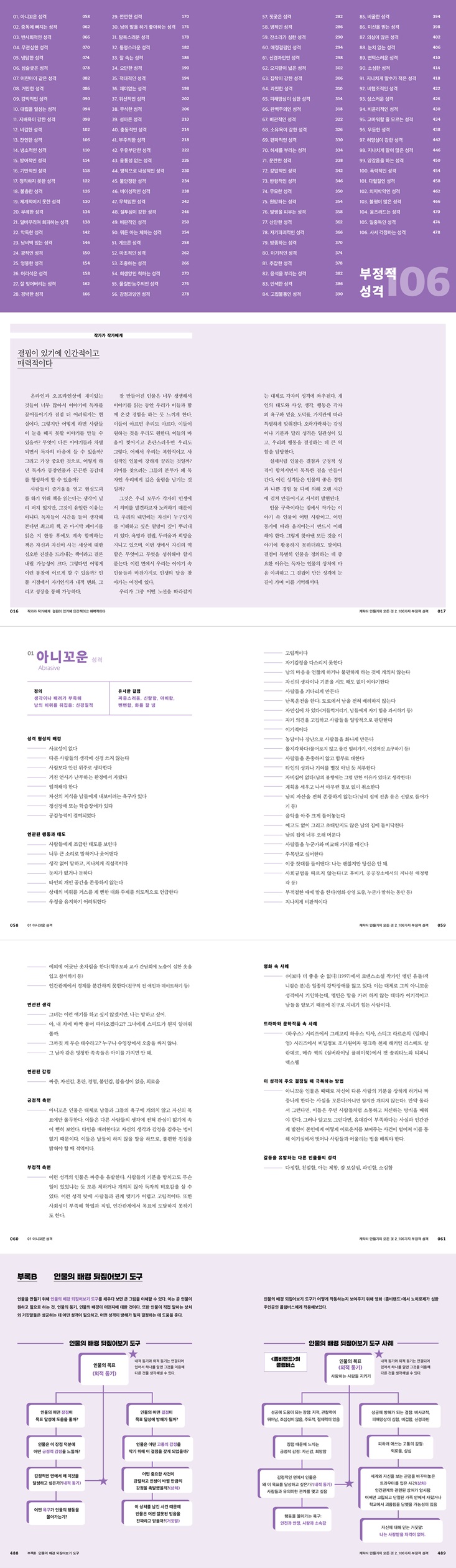
Character Creation: Everything You Need to Know 2 - 106 Negative Personalities
01.
A bad personality
02.
addictive personality
03.
antisocial personality
04.
indifferent personality
05.
cold personality
06.
grumpy personality
07.
childlike personality
08.
arrogant personality
09.
obsessive personality
10.
A personality that is prone to confrontation
11.
A personality with a strong desire for dominance
12.
cowardly personality
13.
cruel personality
14.
cynical personality
15.
defensive personality
16.
deceptive personality
17.
dishonest personality
18.
disloyal personality
19.
unsystematic personality
20.
rude personality
21.
A personality that is evasive and vague
22.
vicious personality
23.
A spendthrift personality
24.
fanatical personality
25.
eccentric personality
26.
foolish personality
27.
forgetful personality
28.
frivolous personality
29.
strict personality
30.
A personality that likes to talk about other people
31.
greedy personality
32.
blunt personality
33.
Gullible personality
34.
arrogant personality
35.
hostile personality
36.
boring personality
37.
hypocritical personality
38.
ignorant personality
39.
dry personality
40.
impulsive personality
41.
careless personality
42.
indecisive personality
43.
inflexible personality
44.
pathologically introverted personality
45.
unstable personality
46.
irrational personality
47.
Irresponsible personality
48.
jealous personality
49.
critical personality
50.
A personality that pretends to know everything
51.
lazy personality
52.
macho personality
53.
Manipulative personality
54.
The personality of pretending to be a scapegoat
55.
Materialistic personality
56.
overemotional personality
57.
mischievous personality
58.
pathological personality
59.
A nagging personality
60.
A personality lacking affection
61.
neurotic personality
62.
A broad-minded personality
63.
obsessive personality
64.
hypersensitive personality
65.
A personality with severe persecution delusions
66.
Perfectionist personality
67.
pessimistic personality
68.
possessive personality
69.
biased personality
70.
a boastful personality
71.
disorderly personality
72.
coercive personality
73.
rebellious personality
74.
reckless personality
75.
resentful personality
76.
troublemaking personality
77.
absent-minded personality
78.
self-destructive personality
79.
indulgent personality
80.
selfish personality
81.
ugly personality
82.
whiny personality
83.
stingy personality
84.
stubborn personality
85.
cowardly personality
86.
superstitious personality
87.
Suspicious personality
88.
oblivious personality
89.
fickle personality
90.
timid personality
91.
A personality that is too reserved
92.
uncooperative personality
93.
A sly personality
94.
unethical personality
95.
ungrateful personality
96.
stupid personality
97.
vain personality
98.
overly talkative personality
99.
vindictive personality
100.
violent personality
101.
choleric personality
102.
Weak-willed personality
103.
complaining personality
104.
Shrinking personality
105.
workaholic personality
106.
The personality of a person who worries about buying things
Appendix A: Basic Human Needs and Lies
Appendix B: Character Background Review Tool
Appendix C: Character Personality Pyramid Tool
References and Materials
Search
Writer to writer
It is human and attractive because of its shortcomings.
What is the flaw?
What Flaws Do in Character Development: Complicate the Journey
What Flaws Do in Relationships: They Cause Discord
Starting to Create a Character: How to Choose the Right Flaw
Villains and Their Flaws: Balancing Them
Things to Know About Character Flaws
How to Show a Character's Flaws
The challenges of creating flawed characters
Last Note
Character Creation: Everything You Need to Know 2 - 106 Negative Personalities
01.
A bad personality
02.
addictive personality
03.
antisocial personality
04.
indifferent personality
05.
cold personality
06.
grumpy personality
07.
childlike personality
08.
arrogant personality
09.
obsessive personality
10.
A personality that is prone to confrontation
11.
A personality with a strong desire for dominance
12.
cowardly personality
13.
cruel personality
14.
cynical personality
15.
defensive personality
16.
deceptive personality
17.
dishonest personality
18.
disloyal personality
19.
unsystematic personality
20.
rude personality
21.
A personality that is evasive and vague
22.
vicious personality
23.
A spendthrift personality
24.
fanatical personality
25.
eccentric personality
26.
foolish personality
27.
forgetful personality
28.
frivolous personality
29.
strict personality
30.
A personality that likes to talk about other people
31.
greedy personality
32.
blunt personality
33.
Gullible personality
34.
arrogant personality
35.
hostile personality
36.
boring personality
37.
hypocritical personality
38.
ignorant personality
39.
dry personality
40.
impulsive personality
41.
careless personality
42.
indecisive personality
43.
inflexible personality
44.
pathologically introverted personality
45.
unstable personality
46.
irrational personality
47.
Irresponsible personality
48.
jealous personality
49.
critical personality
50.
A personality that pretends to know everything
51.
lazy personality
52.
macho personality
53.
Manipulative personality
54.
The personality of pretending to be a scapegoat
55.
Materialistic personality
56.
overemotional personality
57.
mischievous personality
58.
pathological personality
59.
A nagging personality
60.
A personality lacking affection
61.
neurotic personality
62.
A broad-minded personality
63.
obsessive personality
64.
hypersensitive personality
65.
A personality with severe persecution delusions
66.
Perfectionist personality
67.
pessimistic personality
68.
possessive personality
69.
biased personality
70.
a boastful personality
71.
disorderly personality
72.
coercive personality
73.
rebellious personality
74.
reckless personality
75.
resentful personality
76.
troublemaking personality
77.
absent-minded personality
78.
self-destructive personality
79.
indulgent personality
80.
selfish personality
81.
ugly personality
82.
whiny personality
83.
stingy personality
84.
stubborn personality
85.
cowardly personality
86.
superstitious personality
87.
Suspicious personality
88.
oblivious personality
89.
fickle personality
90.
timid personality
91.
A personality that is too reserved
92.
uncooperative personality
93.
A sly personality
94.
unethical personality
95.
ungrateful personality
96.
stupid personality
97.
vain personality
98.
overly talkative personality
99.
vindictive personality
100.
violent personality
101.
choleric personality
102.
Weak-willed personality
103.
complaining personality
104.
Shrinking personality
105.
workaholic personality
106.
The personality of a person who worries about buying things
Appendix A: Basic Human Needs and Lies
Appendix B: Character Background Review Tool
Appendix C: Character Personality Pyramid Tool
References and Materials
Detailed image
Into the book
Exploring and clarifying the problematic nature of the introduction
As a writer, if you're a straightforward person, it's hard to fathom the mind of someone who's timid or discouraged.
Also, if you are careful and conscientious, you will not be able to understand a reckless and impulsive person.
Fortunately, as a writer, there is a solution to this dilemma.
Look up the "Reckless Personality" section in this book to see what causes people to be reckless and what specific behaviors they engage in based on this personality trait. --- p.007
What flaws do to a character's transformation: they complicate the journey.
A character doesn't need to overcome every flaw during their journey, but for the story to end with a strong and balanced character, the fatal flaw must be eliminated, or at least weakened to the point where it can no longer dictate or hinder their life.
If the story is not to end without the character facing his or her fears, the character's efforts at the beginning of the story must be reversed at the end. --- p.024
Writer to Writer: Villains and Their Flaws: Balancing Them
It is no exaggeration to say that the success of a story depends on the writer's ability to portray a plausible villain who opposes the protagonist.
…a weak villain may only give the protagonist a few hardships, but a strong villain will make the protagonist ask much more of himself than he ever thought possible.
Villains, despite having profound flaws and operating under absurd moral codes, must be realistic and relatable to readers.
Their mere presence must command attention, and their actions must not arouse even the slightest suspicion of dark power, while their intentions and motives must be logical and understandable. --- p.036
Writer to Writer: Villains and Their Flaws: Balancing Them
When choosing flaws, think about how the villain's strengths mirror the protagonist's weaknesses.
If the protagonist is timid and unsure, make the villain decisive and confident.
Also, if the protagonist's strengths are trusting and patient, the antagonist is made to be suspicious and impatient.
Carefully select flaws and strengths to ensure that conflict and clashes erupt whenever the protagonist and villain clash.
As a writer, if you're a straightforward person, it's hard to fathom the mind of someone who's timid or discouraged.
Also, if you are careful and conscientious, you will not be able to understand a reckless and impulsive person.
Fortunately, as a writer, there is a solution to this dilemma.
Look up the "Reckless Personality" section in this book to see what causes people to be reckless and what specific behaviors they engage in based on this personality trait. --- p.007
What flaws do to a character's transformation: they complicate the journey.
A character doesn't need to overcome every flaw during their journey, but for the story to end with a strong and balanced character, the fatal flaw must be eliminated, or at least weakened to the point where it can no longer dictate or hinder their life.
If the story is not to end without the character facing his or her fears, the character's efforts at the beginning of the story must be reversed at the end. --- p.024
Writer to Writer: Villains and Their Flaws: Balancing Them
It is no exaggeration to say that the success of a story depends on the writer's ability to portray a plausible villain who opposes the protagonist.
…a weak villain may only give the protagonist a few hardships, but a strong villain will make the protagonist ask much more of himself than he ever thought possible.
Villains, despite having profound flaws and operating under absurd moral codes, must be realistic and relatable to readers.
Their mere presence must command attention, and their actions must not arouse even the slightest suspicion of dark power, while their intentions and motives must be logical and understandable. --- p.036
Writer to Writer: Villains and Their Flaws: Balancing Them
When choosing flaws, think about how the villain's strengths mirror the protagonist's weaknesses.
If the protagonist is timid and unsure, make the villain decisive and confident.
Also, if the protagonist's strengths are trusting and patient, the antagonist is made to be suspicious and impatient.
Carefully select flaws and strengths to ensure that conflict and clashes erupt whenever the protagonist and villain clash.
--- p.039
Publisher's Review
There are no perfect villains in this world - Things to be careful of when giving a character a negative personality.
Positive traits are qualities that lead to a person's personal growth and benefit others, while flaws, or negative traits, are traits that destroy or diminish human relationships and show no consideration for the well-being of others.
As a writer, you would want to explore and elucidate these various problematic characteristics.
This is because internal and external conflicts are discovered there, and readers feel pain for the character's wounds and pay attention to the personality created by those deficiencies.
There are many factors that determine what kind of person a person will become, including upbringing, role models, environment, and genetic characteristics.
The most fatal factor among them, the one that writers must always strive to unearth from their characters' pasts, is the clot of emotion, such as trauma.
These old wounds have a tremendous impact on the character and are a key factor in influencing his current actions.
When trying to create a human and compelling character despite his fatal flaws, it's important to avoid using a negative character who is full of flaws and useless, such as a typical villain who craves power, an incompetent leader, a scary and repulsive appearance, a self-centered brat, or a villain who only cares about their own self-interest.
Finding the right balance of negative and positive traits is crucial to creating a likable negative character.
By using this book, which neatly organizes the characteristics of each personality by dividing 106 negative personality traits into categories, you can create human and three-dimensional characters.
How to show readers that flaws can also benefit a character.
Negative traits, whether major or minor, can prejudice a person and affect their relationships.
Flaws can limit a person's learning and growth, hinder sound judgment, and impair relationships with others.
In most situations, flaws prevent a character from achieving his or her personal and professional goals.
Remember, flaws themselves are destructive, but when applied well, they can benefit a character within the context of the story.
For example, let's assume a protagonist who enters a den of corruption and crime.
In a world where people are desperate to take advantage of each other, the ability to lie is a valuable asset.
Also, keep in mind that flaws have positive aspects.
A person who trusts everyone easily is prone to being scammed, but on the other hand, he is evaluated as a trustworthy, friendly, and generous person.
One way to endear a negative character to the reader is to show the desperate situation he is in.
A character in a situation where there is no chance of winning evokes sympathy in the reader, making them want to escape with him.
Another way is to avoid the mistake of giving your character too many flaws, such as unclear motivations or inconsistent changes, so that the negative traits overwhelm the positive ones.
One flaw that runs through the character should be identified and emphasized, and other negative traits should be relegated to the appendix.
In addition, when examining a character's negative traits, if you also explore their positive aspects and utilize both aspects, you can create a three-dimensional and realistic character.
Positive traits are qualities that lead to a person's personal growth and benefit others, while flaws, or negative traits, are traits that destroy or diminish human relationships and show no consideration for the well-being of others.
As a writer, you would want to explore and elucidate these various problematic characteristics.
This is because internal and external conflicts are discovered there, and readers feel pain for the character's wounds and pay attention to the personality created by those deficiencies.
There are many factors that determine what kind of person a person will become, including upbringing, role models, environment, and genetic characteristics.
The most fatal factor among them, the one that writers must always strive to unearth from their characters' pasts, is the clot of emotion, such as trauma.
These old wounds have a tremendous impact on the character and are a key factor in influencing his current actions.
When trying to create a human and compelling character despite his fatal flaws, it's important to avoid using a negative character who is full of flaws and useless, such as a typical villain who craves power, an incompetent leader, a scary and repulsive appearance, a self-centered brat, or a villain who only cares about their own self-interest.
Finding the right balance of negative and positive traits is crucial to creating a likable negative character.
By using this book, which neatly organizes the characteristics of each personality by dividing 106 negative personality traits into categories, you can create human and three-dimensional characters.
How to show readers that flaws can also benefit a character.
Negative traits, whether major or minor, can prejudice a person and affect their relationships.
Flaws can limit a person's learning and growth, hinder sound judgment, and impair relationships with others.
In most situations, flaws prevent a character from achieving his or her personal and professional goals.
Remember, flaws themselves are destructive, but when applied well, they can benefit a character within the context of the story.
For example, let's assume a protagonist who enters a den of corruption and crime.
In a world where people are desperate to take advantage of each other, the ability to lie is a valuable asset.
Also, keep in mind that flaws have positive aspects.
A person who trusts everyone easily is prone to being scammed, but on the other hand, he is evaluated as a trustworthy, friendly, and generous person.
One way to endear a negative character to the reader is to show the desperate situation he is in.
A character in a situation where there is no chance of winning evokes sympathy in the reader, making them want to escape with him.
Another way is to avoid the mistake of giving your character too many flaws, such as unclear motivations or inconsistent changes, so that the negative traits overwhelm the positive ones.
One flaw that runs through the character should be identified and emphasized, and other negative traits should be relegated to the appendix.
In addition, when examining a character's negative traits, if you also explore their positive aspects and utilize both aspects, you can create a three-dimensional and realistic character.
GOODS SPECIFICS
- Date of issue: May 8, 2018
- Page count, weight, size: 496 pages | 748g | 160*220*30mm
- ISBN13: 9791187303176
- ISBN10: 1187303178
You may also like
카테고리
korean


korean

![GQ KOREA Mark (Monthly): December [2025]](http://librairie.coreenne.fr/cdn/shop/files/8ef265dbbfbf186523ed75ba7319009d.jpg?v=1765340328&width=3840)


