

History of Paradise
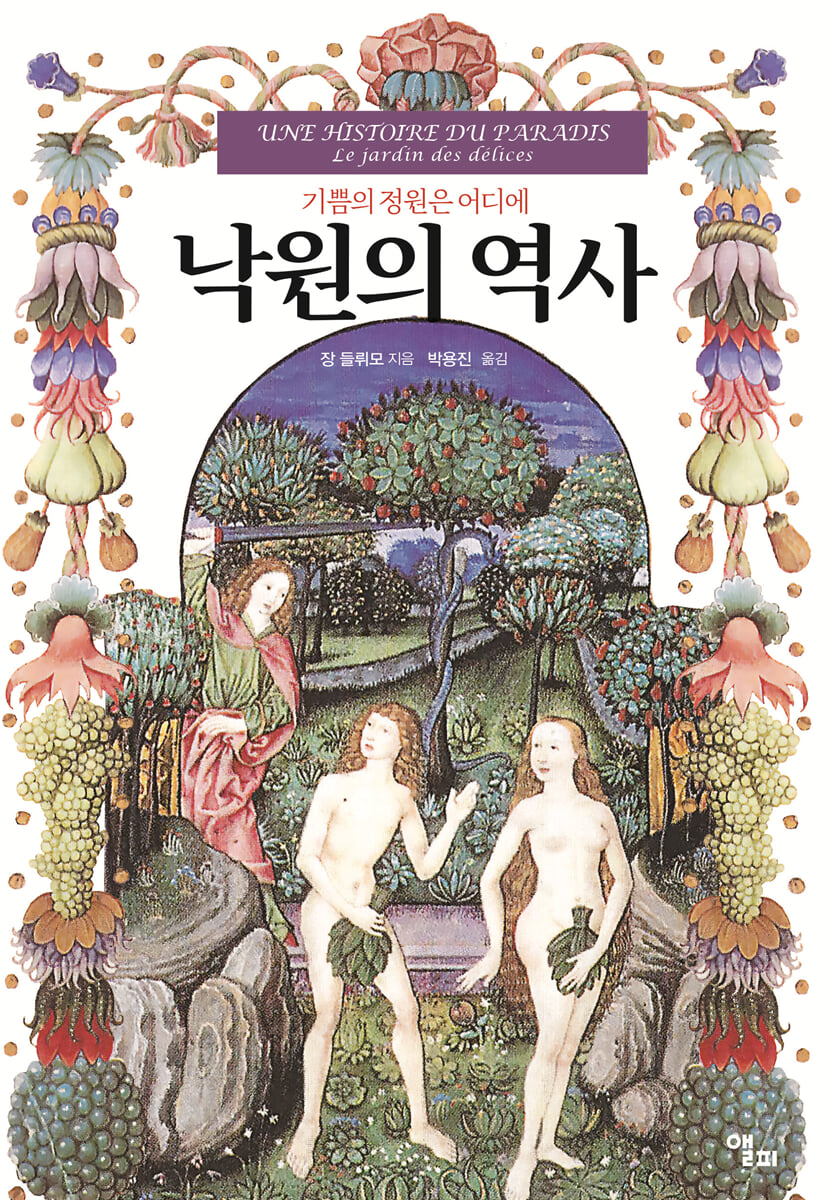 |
Description
Book Introduction
“Paradise” has from the beginning and for a long time referred to paradise on earth.
…
It was essentially a reference to the Garden of Delights where Adam and Eve lived.”
A Historical Review of Paradise
A meticulous historical journey, based on extensive historical materials, that traces the fierce debate surrounding the origin and location of paradise, and the endless challenges and adventures of proving its existence.
The author, who taught Western history at the Collège de France, is a leading researcher in the field of Western religious psychology, studying the emotions of fear and the afterlife that have dominated Western Christian civilization since the Middle Ages.
He devoted himself to the study of 'Paradise' until his death in 2020, completing the 'Paradise Trilogy' in 1992, 1995, and 2000.
This book is the first in a trilogy that continues with a longing for paradise, anticipation of the millennium, and hope for immortal joy.
What is paradise? Where is paradise located? The author ultimately argues that the three thousand years of Western civilization have been nothing more than a pilgrimage to find a lost paradise, a forbidden happiness.
…
It was essentially a reference to the Garden of Delights where Adam and Eve lived.”
A Historical Review of Paradise
A meticulous historical journey, based on extensive historical materials, that traces the fierce debate surrounding the origin and location of paradise, and the endless challenges and adventures of proving its existence.
The author, who taught Western history at the Collège de France, is a leading researcher in the field of Western religious psychology, studying the emotions of fear and the afterlife that have dominated Western Christian civilization since the Middle Ages.
He devoted himself to the study of 'Paradise' until his death in 2020, completing the 'Paradise Trilogy' in 1992, 1995, and 2000.
This book is the first in a trilogy that continues with a longing for paradise, anticipation of the millennium, and hope for immortal joy.
What is paradise? Where is paradise located? The author ultimately argues that the three thousand years of Western civilization have been nothing more than a pilgrimage to find a lost paradise, a forbidden happiness.
- You can preview some of the book's contents.
Preview
index
? Preface
? Translator's note
Chapter 1: The Blending of Legends: From Moses and Homer to Thomas Aquinas
The Lord God planted a garden in Eden.
The Golden Age, Plains of Elysion, Iles Fortune
Christianization of Greco-Roman mythology
Paradise on Earth: A 'Historical' Reality
Chapter 2 Paradise, a Place of Waiting
The Apocalypse in Judaism and Christianity
Paradise Reopened by Jesus
Chapter 3: Paradise on Earth and Medieval Geography
A paradise on earth that still exists on earth
From Jubilees to Thomas Aquinas / From St. Thomas Aquinas to Christopher Columbus
Paradise on Earth and Medieval Cartography
Chapter 4 The Kingdom of Priest John
The Triumph of Lies
Asia near the kingdom of Priest John
From Asia to Africa
Chapter 5: Another Dreamland
Paradise Island
America and Paradise
Chapter 6: Nostalgia
A sad look at the golden age and the 'Lucky Island'
closed garden
From closed garden to open garden
Flowers and springs
Chapter 7: New Learning and Paradise on Earth
A paradise at the heart of culture
Methods and Issues
gradual abandonment of medieval beliefs
Chapter 8: Studies on the Location of Paradise (16th-18th Centuries)
Abandonment of a fantastic place
Armenia, Babylonia or Palestine?
Armenia / Mesopotamia
Holy Land
A few supplementary questions
Chapter 9: Refined Date Calculations
When was paradise created?
The time between the creation of Adam and the creation of Eve
From the creation of Eve to her expulsion from paradise
Chapter 10: As soon as humanity opened its eyes, it saw itself in happiness.
The perfection of existence
Adam and Eve's abilities and knowledge
Marriage and Society in Paradise
Chapter 11: The Disappearance of the Enchanted Garden
Questions Raised by Fossils
Bible and Reason
The Birth of Evolution
Rousseau and Kant's 'State of Nature'
Conclusion: Another interpretation of the myth
? America
? Translator's note
Chapter 1: The Blending of Legends: From Moses and Homer to Thomas Aquinas
The Lord God planted a garden in Eden.
The Golden Age, Plains of Elysion, Iles Fortune
Christianization of Greco-Roman mythology
Paradise on Earth: A 'Historical' Reality
Chapter 2 Paradise, a Place of Waiting
The Apocalypse in Judaism and Christianity
Paradise Reopened by Jesus
Chapter 3: Paradise on Earth and Medieval Geography
A paradise on earth that still exists on earth
From Jubilees to Thomas Aquinas / From St. Thomas Aquinas to Christopher Columbus
Paradise on Earth and Medieval Cartography
Chapter 4 The Kingdom of Priest John
The Triumph of Lies
Asia near the kingdom of Priest John
From Asia to Africa
Chapter 5: Another Dreamland
Paradise Island
America and Paradise
Chapter 6: Nostalgia
A sad look at the golden age and the 'Lucky Island'
closed garden
From closed garden to open garden
Flowers and springs
Chapter 7: New Learning and Paradise on Earth
A paradise at the heart of culture
Methods and Issues
gradual abandonment of medieval beliefs
Chapter 8: Studies on the Location of Paradise (16th-18th Centuries)
Abandonment of a fantastic place
Armenia, Babylonia or Palestine?
Armenia / Mesopotamia
Holy Land
A few supplementary questions
Chapter 9: Refined Date Calculations
When was paradise created?
The time between the creation of Adam and the creation of Eve
From the creation of Eve to her expulsion from paradise
Chapter 10: As soon as humanity opened its eyes, it saw itself in happiness.
The perfection of existence
Adam and Eve's abilities and knowledge
Marriage and Society in Paradise
Chapter 11: The Disappearance of the Enchanted Garden
Questions Raised by Fossils
Bible and Reason
The Birth of Evolution
Rousseau and Kant's 'State of Nature'
Conclusion: Another interpretation of the myth
? America
Into the book
Paradise was, above all, a garden.
The ancient Persian word 'apiri-daeza' meant a walled orchard.
In ancient Hebrew, this was taken in the form 'pardes'.
Later, the Septuagint translated both the more classical Hebrew words for garden, 'gan' and 'pardes', as 'paradeisos'.
In this garden, nestled in the heart of a lush countryside (Eden), everything was delightful, delicious, and fragrant.
There, men and women lived in harmony with nature, and water was abundant (which meant ultimate happiness for a people constantly threatened by dryness and desertification).
Their existence will be immortal and will unfold in joy and, as Isaiah says, “with the sound of singing.”
--- p.49
In ancient translations of Genesis, “first” is translated as “eastward,” which is why many people thought that paradise was located to the east of this disc-shaped world, separated from the area where humans now live by a very large space (which could be land or sea).
The waters of the great flood rose to very high places on the earth where we live, but they did not reach paradise.
“Whether God created Paradise here or somewhere else, there is no doubt that such a place existed and exists on earth.”
--- p.131
A river flowing from paradise on earth crosses this land flowing with milk and honey.
This river brings emeralds, sapphires, topaz, beryl, amethyst, and other gemstones.
There are forests that produce a lot of pepper in particular.
This forest is located at the foot of Mount Olympus.
A stream of water flows from this mountain and passes near the earthly paradise, and its fragrance adds fragrance to all the spices.
If you drink this water three times on an empty stomach, you will never get sick again and will live your whole life as if you were thirty-two years old.
Priest John continued, “One of the advantages of my land is that it is a sandy sea without water.
“There, the sand really moves like the sea and ripples like waves.”
--- p.187
Tropical America, praised for its climate, abundant water, rare fruits, jewels, and birds from paradise, seemed to Europeans a blessed land that retained elements of the earth before its sin.
As a result, there was a widespread belief that Native Americans, especially Brazilians, lived longer than Europeans.
This time, the old theme of paradise resurfaces again.
That is, the longevity of the ancient patriarchs attested to in the Bible was seen by many as a substitute for the immortality enjoyed by our ancestors before original sin.
Didn't the priest John live to be 500 years old? The "Fortunate Isles" of Arthurian times also granted their inhabitants the privilege of longevity.
--- p.254
He argued that God did not try to hide the location of the Garden of Eden from us, unlike he did with Moses' tomb.
Rather, God's plan is to reveal to us the existence of a paradise on earth, "to remind us of our disobedience."
So God spoke through Moses and showed us carefully and accurately before our eyes the Garden, which had become a miserable place due to the lamentable mistakes of mankind.”
--- p.323
Salcedo got around this problem by borrowing from St. Augustine and distinguishing between two meanings of the word “form.”
If this word includes only “natural ability,” we can conclude that the man is “the head of the woman.”
But if we consider “supernatural powers” such as an immortal soul, grace, and free will, we can understand that men and women were equal before God, and that “some women even had these privileges and supernatural powers more than men, and were therefore more like God.”
As evidence of this, we can cite the Virgin Mary.
The ancient Persian word 'apiri-daeza' meant a walled orchard.
In ancient Hebrew, this was taken in the form 'pardes'.
Later, the Septuagint translated both the more classical Hebrew words for garden, 'gan' and 'pardes', as 'paradeisos'.
In this garden, nestled in the heart of a lush countryside (Eden), everything was delightful, delicious, and fragrant.
There, men and women lived in harmony with nature, and water was abundant (which meant ultimate happiness for a people constantly threatened by dryness and desertification).
Their existence will be immortal and will unfold in joy and, as Isaiah says, “with the sound of singing.”
--- p.49
In ancient translations of Genesis, “first” is translated as “eastward,” which is why many people thought that paradise was located to the east of this disc-shaped world, separated from the area where humans now live by a very large space (which could be land or sea).
The waters of the great flood rose to very high places on the earth where we live, but they did not reach paradise.
“Whether God created Paradise here or somewhere else, there is no doubt that such a place existed and exists on earth.”
--- p.131
A river flowing from paradise on earth crosses this land flowing with milk and honey.
This river brings emeralds, sapphires, topaz, beryl, amethyst, and other gemstones.
There are forests that produce a lot of pepper in particular.
This forest is located at the foot of Mount Olympus.
A stream of water flows from this mountain and passes near the earthly paradise, and its fragrance adds fragrance to all the spices.
If you drink this water three times on an empty stomach, you will never get sick again and will live your whole life as if you were thirty-two years old.
Priest John continued, “One of the advantages of my land is that it is a sandy sea without water.
“There, the sand really moves like the sea and ripples like waves.”
--- p.187
Tropical America, praised for its climate, abundant water, rare fruits, jewels, and birds from paradise, seemed to Europeans a blessed land that retained elements of the earth before its sin.
As a result, there was a widespread belief that Native Americans, especially Brazilians, lived longer than Europeans.
This time, the old theme of paradise resurfaces again.
That is, the longevity of the ancient patriarchs attested to in the Bible was seen by many as a substitute for the immortality enjoyed by our ancestors before original sin.
Didn't the priest John live to be 500 years old? The "Fortunate Isles" of Arthurian times also granted their inhabitants the privilege of longevity.
--- p.254
He argued that God did not try to hide the location of the Garden of Eden from us, unlike he did with Moses' tomb.
Rather, God's plan is to reveal to us the existence of a paradise on earth, "to remind us of our disobedience."
So God spoke through Moses and showed us carefully and accurately before our eyes the Garden, which had become a miserable place due to the lamentable mistakes of mankind.”
--- p.323
Salcedo got around this problem by borrowing from St. Augustine and distinguishing between two meanings of the word “form.”
If this word includes only “natural ability,” we can conclude that the man is “the head of the woman.”
But if we consider “supernatural powers” such as an immortal soul, grace, and free will, we can understand that men and women were equal before God, and that “some women even had these privileges and supernatural powers more than men, and were therefore more like God.”
As evidence of this, we can cite the Virgin Mary.
--- p.441
Publisher's Review
Node, connecting the Renaissance and the Age of Exploration
Paradise certainly exists somewhere on earth! This book argues that the desire to find and seek paradise has been a major driving force in Western history.
The West, in its quest for paradise, created maps and discovered the 'New World'.
It is difficult to imagine how preoccupied Western civilization has been with the question of paradise on earth.
The clergy endlessly debated the earthly life and sexuality of Adam and Eve, and in the Middle Ages, when paradise was forbidden, they believed that an earthly paradise existed far away in the East.
The longing for that lost paradise gave rise to the Renaissance, and the search for that land was the Age of Exploration.
Scholars in the 16th and 17th centuries seriously studied the site where God created the 'Garden of Delights'.
Although the discovery of evolution has shattered this dream, is there any concept more effective than "paradise" in examining the true nature of Western civilization's fundamental anxieties and longings? What did people envision as paradise, and what was lost and gained by its loss?
Three things Paradise left on Western history
The driving force of history: The longing for paradise has been one of the driving forces of Western history.
Westerners in the Middle Ages and early modern times harbored a fervent desire that paradise actually existed somewhere on earth and that they could one day reclaim it.
This was not simply a theological concept, but had a profound impact on Western civilization as a whole, spurring explorers to explore the New World and influencing mapmaking.
Guilt and Anxiety: The myth of Paradise Lost, the story of Adam and Eve's original sin and expulsion from the Garden of Eden, is the source of deep-seated guilt and anxiety felt by Westerners.
The author, who explored this Western sense of fear and guilt in his previous work, analyzes in "A History of Paradise" that guilt and melancholy deepened as hopes for paradise were dashed.
Utopia: The belief in an earthly paradise was shattered by fossil and geological discoveries, and ultimately by Darwin's theory of evolution and the scientific revolution.
Paradise as a real place on earth has disappeared, and the longing for paradise has been transformed into cultural elements such as literature and gardening.
Although the belief in a paradise on earth has faded, the longing and nostalgia for utopia still influence the Western imagination.
Paradise certainly exists somewhere on earth! This book argues that the desire to find and seek paradise has been a major driving force in Western history.
The West, in its quest for paradise, created maps and discovered the 'New World'.
It is difficult to imagine how preoccupied Western civilization has been with the question of paradise on earth.
The clergy endlessly debated the earthly life and sexuality of Adam and Eve, and in the Middle Ages, when paradise was forbidden, they believed that an earthly paradise existed far away in the East.
The longing for that lost paradise gave rise to the Renaissance, and the search for that land was the Age of Exploration.
Scholars in the 16th and 17th centuries seriously studied the site where God created the 'Garden of Delights'.
Although the discovery of evolution has shattered this dream, is there any concept more effective than "paradise" in examining the true nature of Western civilization's fundamental anxieties and longings? What did people envision as paradise, and what was lost and gained by its loss?
Three things Paradise left on Western history
The driving force of history: The longing for paradise has been one of the driving forces of Western history.
Westerners in the Middle Ages and early modern times harbored a fervent desire that paradise actually existed somewhere on earth and that they could one day reclaim it.
This was not simply a theological concept, but had a profound impact on Western civilization as a whole, spurring explorers to explore the New World and influencing mapmaking.
Guilt and Anxiety: The myth of Paradise Lost, the story of Adam and Eve's original sin and expulsion from the Garden of Eden, is the source of deep-seated guilt and anxiety felt by Westerners.
The author, who explored this Western sense of fear and guilt in his previous work, analyzes in "A History of Paradise" that guilt and melancholy deepened as hopes for paradise were dashed.
Utopia: The belief in an earthly paradise was shattered by fossil and geological discoveries, and ultimately by Darwin's theory of evolution and the scientific revolution.
Paradise as a real place on earth has disappeared, and the longing for paradise has been transformed into cultural elements such as literature and gardening.
Although the belief in a paradise on earth has faded, the longing and nostalgia for utopia still influence the Western imagination.
GOODS SPECIFICS
- Date of issue: November 5, 2025
- Page count, weight, size: 540 pages | 850g | 148*215*30mm
- ISBN13: 9791192647715
- ISBN10: 1192647718
You may also like
카테고리
korean


korean

![ELLE 엘르 스페셜 에디션 A형 : 12월 [2025]](http://librairie.coreenne.fr/cdn/shop/files/b8e27a3de6c9538896439686c6b0e8fb.jpg?v=1766436872&width=3840)


