

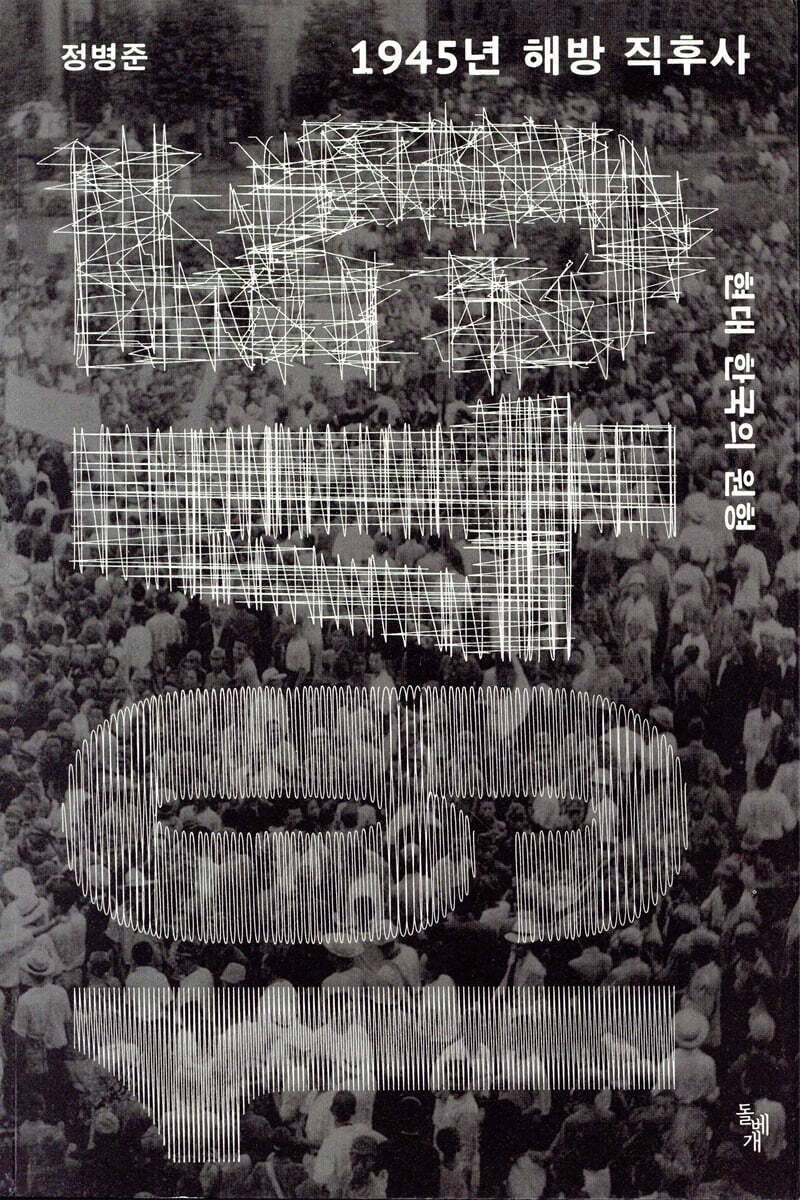
Immediately after liberation in 1945
 |
Description
Book Introduction
Unraveling the mysteries of history and grasping the full picture of the era immediately after liberation in 1945
The period immediately following liberation, the true starting point of modern Korean history, remained a mystery due to a severe lack of and distortion of data.
Only major events were known to common sense, but the specific circumstances surrounding the establishment of the Committee for the Preparation of the Establishment of the Joseon Nation (KCNE) after Japan's defeat and its transition to the People's Republic of Korea (PRK), the nature and status of the Committee, and the seizure of power by the Korean Democratic Party (Hanmindang) under the US military government were unknown.
The description of the events immediately after liberation was left blank or a mystery.
Drawing on new data, the fruits of long-term research, and the reflections of historians, this book seeks to unravel the mysteries of history immediately following liberation in 1945 and provide a comprehensive picture of the era.
The drama of the life-or-death struggle unfolds, revealing how the Japanese Government-General of Korea, the left and right, the US military government, and various other entities worked together to weave the beginnings of modern Korea.
The period immediately following liberation, the true starting point of modern Korean history, remained a mystery due to a severe lack of and distortion of data.
Only major events were known to common sense, but the specific circumstances surrounding the establishment of the Committee for the Preparation of the Establishment of the Joseon Nation (KCNE) after Japan's defeat and its transition to the People's Republic of Korea (PRK), the nature and status of the Committee, and the seizure of power by the Korean Democratic Party (Hanmindang) under the US military government were unknown.
The description of the events immediately after liberation was left blank or a mystery.
Drawing on new data, the fruits of long-term research, and the reflections of historians, this book seeks to unravel the mysteries of history immediately following liberation in 1945 and provide a comprehensive picture of the era.
The drama of the life-or-death struggle unfolds, revealing how the Japanese Government-General of Korea, the left and right, the US military government, and various other entities worked together to weave the beginnings of modern Korea.
- You can preview some of the book's contents.
Preview
index
introduction
Chapter 1.
Storm: The National Foundation Preparatory Committee, the Japanese Government-General of Korea's End-of-War Response, and the Creation of Dual Power
1.
prolog
2.
The Japanese Government-General of Korea's end-of-war measures and Yeo Un-hyeong
1) Activities of Yeo Un-hyeong and the National Alliance (1943-1945)
2) The Government-General of Korea's end-of-war measures and negotiations with Yeo Un-hyeong (August 10–14, 1945)
3.
The fall of Japan, the liberation of Korea, and the launch of the National Foundation Preparatory Committee
1) Agreement between Yeo Un-hyeong and the Government-General: The Gap Between Maintaining Public Order and Preparing for National Foundation
2) Launch of the National Foundation Preparatory Committee: The End of Japanese Rule, Space for Liberation
4.
Interlude: The Division of the Korean People's Army and the Creation of the Korean People's Republic
1) The first and second reorganizations and divisions of the Construction and Transportation Committee
2) The Soviet Army's advance into North Korea and the situation in Geonjun, South Pyongan Province
3) The establishment of the People's Republic of Korea and the third reorganization of the Constitutional Court
5.
The Conclusion of the North Korean People's Republic
1) Optimistic outlook and excessive Seoul-centricism
2) The end of the North Korean People's Republic
6.
Epilogue: The Government-General's Postwar Operations
Chapter 2.
The US Military's Entry into South Korea and the Unknown Behind-the-Scenes Influence: The Roles of the Japanese Army, Interpreters, and Williams
1.
The US 24th Corps' advance into South Korea and its first intelligence: The 17th Army's intelligence operations and the rise of interpreter and doorknob power.
1) US 24th Corps heading to Incheon
2) Radio Communications between the 24th US Army Corps and the Japanese Army: The Ventriloquism of a Conspiracy
3) The Emergence of Interpreter and Doorknob Power: Oda Yasuma and Lee Myomuk
2.
The role of Williams, the unknown policy maker
1) The Decision of the "Nobody": Williams, the Real Power in the US Military Government
2) The alignment of State Department political adviser Benninghoff and Langdon
Chapter 3.
The US military government's policies on the Governor-General, the Provisional Government, and the transfer of power
1.
The US military government's first measures: retaining the Governor-General's officials, allowing missionaries and their families to enter the country, and allowing information about Koreans to flow in.
1) Appointment and dismissal of officials of the Government-General of Korea
2) Promoting the entry of missionaries and their families to Korea
3) 'Christian National Advisory Council', 'Yeonhui Professional Government'
4) Tolerant pro-Japanese sentiment and strict anti-communism, the confrontation between democracy and communism
5) Information provided by Koreans
2.
The US military government's policy of artificial denial and use of the provisional government and the reorganization of South Korean politics
1) First policy decision: Yeo Un-hyeong and the denial of the People's Republic
2) Second policy decision: Utilization of the provisional government and entry of Syngman Rhee and Kim Gu into the country
3.
The era of powerlessness and sudden power
1) Creation of an advisory council
2) Appointment of 75,000 Korean officials in two months
3) The world of the Democratic Party of Korea
4) American international students, Christian, and missionary school graduates
Chapter 4.
The Unknown True Anti-Trusteeship Movement and Its Consequences
1.
Naive Haji's naive plan
1) Haji broke the high-level policy
2) 'Policy Maker': Promote the Political Affairs Committee or the Central Council for the Promotion of Independence
3) Don't be a "mess"
2.
The Untold True Anti-Trusteeship Movement: The Full Story of the Dokchokjunghyup
1) The return of the 'forgotten figure' Syngman Rhee
2) The pressure to urge the Korean people: Between support for the provisional government and an independent line
3) The direction of the central government's urging consultation: the State Council, the representative body of the people, and the mother body of the Korean government.
4) The Unknown True Anti-Trusteeship Movement: The Trio of the US Military Government, Syngman Rhee, and the Korean Democratic Party
Remaining Remarks: The Great Quarter of May 1946
References
List of tables and plates
Search
Chapter 1.
Storm: The National Foundation Preparatory Committee, the Japanese Government-General of Korea's End-of-War Response, and the Creation of Dual Power
1.
prolog
2.
The Japanese Government-General of Korea's end-of-war measures and Yeo Un-hyeong
1) Activities of Yeo Un-hyeong and the National Alliance (1943-1945)
2) The Government-General of Korea's end-of-war measures and negotiations with Yeo Un-hyeong (August 10–14, 1945)
3.
The fall of Japan, the liberation of Korea, and the launch of the National Foundation Preparatory Committee
1) Agreement between Yeo Un-hyeong and the Government-General: The Gap Between Maintaining Public Order and Preparing for National Foundation
2) Launch of the National Foundation Preparatory Committee: The End of Japanese Rule, Space for Liberation
4.
Interlude: The Division of the Korean People's Army and the Creation of the Korean People's Republic
1) The first and second reorganizations and divisions of the Construction and Transportation Committee
2) The Soviet Army's advance into North Korea and the situation in Geonjun, South Pyongan Province
3) The establishment of the People's Republic of Korea and the third reorganization of the Constitutional Court
5.
The Conclusion of the North Korean People's Republic
1) Optimistic outlook and excessive Seoul-centricism
2) The end of the North Korean People's Republic
6.
Epilogue: The Government-General's Postwar Operations
Chapter 2.
The US Military's Entry into South Korea and the Unknown Behind-the-Scenes Influence: The Roles of the Japanese Army, Interpreters, and Williams
1.
The US 24th Corps' advance into South Korea and its first intelligence: The 17th Army's intelligence operations and the rise of interpreter and doorknob power.
1) US 24th Corps heading to Incheon
2) Radio Communications between the 24th US Army Corps and the Japanese Army: The Ventriloquism of a Conspiracy
3) The Emergence of Interpreter and Doorknob Power: Oda Yasuma and Lee Myomuk
2.
The role of Williams, the unknown policy maker
1) The Decision of the "Nobody": Williams, the Real Power in the US Military Government
2) The alignment of State Department political adviser Benninghoff and Langdon
Chapter 3.
The US military government's policies on the Governor-General, the Provisional Government, and the transfer of power
1.
The US military government's first measures: retaining the Governor-General's officials, allowing missionaries and their families to enter the country, and allowing information about Koreans to flow in.
1) Appointment and dismissal of officials of the Government-General of Korea
2) Promoting the entry of missionaries and their families to Korea
3) 'Christian National Advisory Council', 'Yeonhui Professional Government'
4) Tolerant pro-Japanese sentiment and strict anti-communism, the confrontation between democracy and communism
5) Information provided by Koreans
2.
The US military government's policy of artificial denial and use of the provisional government and the reorganization of South Korean politics
1) First policy decision: Yeo Un-hyeong and the denial of the People's Republic
2) Second policy decision: Utilization of the provisional government and entry of Syngman Rhee and Kim Gu into the country
3.
The era of powerlessness and sudden power
1) Creation of an advisory council
2) Appointment of 75,000 Korean officials in two months
3) The world of the Democratic Party of Korea
4) American international students, Christian, and missionary school graduates
Chapter 4.
The Unknown True Anti-Trusteeship Movement and Its Consequences
1.
Naive Haji's naive plan
1) Haji broke the high-level policy
2) 'Policy Maker': Promote the Political Affairs Committee or the Central Council for the Promotion of Independence
3) Don't be a "mess"
2.
The Untold True Anti-Trusteeship Movement: The Full Story of the Dokchokjunghyup
1) The return of the 'forgotten figure' Syngman Rhee
2) The pressure to urge the Korean people: Between support for the provisional government and an independent line
3) The direction of the central government's urging consultation: the State Council, the representative body of the people, and the mother body of the Korean government.
4) The Unknown True Anti-Trusteeship Movement: The Trio of the US Military Government, Syngman Rhee, and the Korean Democratic Party
Remaining Remarks: The Great Quarter of May 1946
References
List of tables and plates
Search
Detailed image
.jpg)
Into the book
The human figures and the network of human relationships that make up the immediate post-liberation period are the core story of this book.
This book deals with a story that no one remembers, an unrecorded history, but a history that became the starting point of modern Korean history.
--- p.16
This book is a secret history of what happened immediately after liberation, and is filled with unknown stories.
He is saying that the unrecorded events about the Gunjun, Ingwan, the US military government, and the early anti-trusteeship movement, which we all thought we knew, were more important and decisive than the recorded or remembered events.
This book deals with a story that no one remembers, an unrecorded history, but a history that became the starting point of modern Korean history.
--- p.16
This book is a secret history of what happened immediately after liberation, and is filled with unknown stories.
He is saying that the unrecorded events about the Gunjun, Ingwan, the US military government, and the early anti-trusteeship movement, which we all thought we knew, were more important and decisive than the recorded or remembered events.
--- p.17
Publisher's Review
■ The 'Security Maintenance Committee' was transformed into the 'Construction Committee' & the Democratic Party faction did not actually participate in the construction committee.
From August 10 to 15, 1945, through negotiations between the Government-General and Yeo Un-hyeong, Japan promised cooperation in maintaining public order, and Yeo Un-hyeong took a cooperative attitude with the Government-General and obtained approval for the "five articles" including the release of political prisoners, food security, autonomy in public order activities, and freedom of assembly and association, effectively transferring a certain level of administrative authority.
The fact that the Korean Democratic Party later denounced Yeo Un-hyeong as a “pro-Japanese communist” was a slanderous attack on his negotiations with the Government-General, but in reality, this was nothing more than an afterthought after losing his initial hegemony to the swift response and influence of the Construction Committee.
The Government-General also proposed negotiations to Song Jin-woo of the Korean Democratic Party, but Song Jin-woo refused to negotiate, opposing the concrete details of the end-of-war plan of cooperation between Yeo Un-hyeong and the Government-General.
Rather, Yeo Un-hyeong's side proposed an alliance to Song Jin-woo's side during the negotiation process with the Government-General, but Song Jin-woo's side did not accept this either.
The author assesses that the Government-General initially intended to establish a "Public Security Preservation Association" through negotiations with Yeo Un-hyeong, but that Yeo Un-hyeong boldly and skillfully transformed it into a state-building organization called the "National Establishment Preparation Committee" (Geonjun).
The author believes that the Democratic Party of Korea not only lacked the capacity to prepare for nation-building, but also lacked the will.
This is precisely why they had no choice but to criticize and deny the People's Republic of Korea and its subsequent establishment.
In academic circles, the prevailing explanation is that the National Unification Front started as a left-right cooperative organization, but lost its status due to the left's ascendancy and the right's withdrawal. However, the author reveals that the Korean Democratic Party faction did not actually participate in the National Unification Front.
『The Immediate History of Liberation in 1945』 not only provides a “comprehensive and comprehensive explanation” of the actual negotiations between the Governor-General and Yeo Un-hyeong, and the birth and establishment of the National Construction Committee, but also explains the relationship between the National Construction Committee and the Korean Democratic Party, and the overall response of the Korean Democratic Party to the National Construction Committee.
■ The hastily formed “Provisional Revolutionary Government” of the People’s Republic of Korea
Shortly after the third reorganization of the Construction Corps was led by the Reconstructionist Communist Party of Korea, the Construction Corps was transformed into the “Provisional Revolutionary Government” called the People’s Republic of Korea (PRK).
The author says that the reason for the short transition to artificial intelligence was that the leadership of the construction unit, including Yeo Un-hyeong, was trying to prepare for the arrival of the US military.
It is possible that the Soviet Union, which had advanced to the north, took note of the precedent of transferring administrative power to the People's Committee.
The author believes that an “optimistic view of the world” led to the rapid establishment of artificial intelligence.
On the other hand, some are exploring the possibility that it may have been a means to counter the right-wing's support for the Chongqing Provisional Government.
Yeo Un-hyeong considered the Provisional Government to be one of many independence movement groups.
However, the artificiality of the reconstructionist Joseon Communist Party was criticized by both the left and right and the US military government due to its haste and irresponsibility (using the names of people such as Syngman Rhee and Kim Gu).
According to the author, around this time, Yeo Un-hyeong lost his leadership in the liberation period.
■ The profound influence of “Nobody” Navy Captain George Williams on modern Korean history
In January 1946, American physician George Z.
Williams had just returned home and was giving a speech at an American Methodist mission.
He is a “nobody” who served in the US military government as a mere naval lieutenant commander, and whose existence has never been revealed until now.
The Navy lieutenant colonel, who had been in Korea for only three months, served as secretary and political advisor to Lieutenant General Hodge, the commander of US Forces Korea, simply because he spoke Korean fluently when the US 24th Corps landed in Incheon.
The reason he was able to speak Korean well was because his father, Frank Williams, stayed in Gongju for 15 years as a Methodist missionary.
Williams's connections with Korean figures were through his Christian, missionary, and Yonhui College connections, which is why people with pro-American, anti-communist, Christian, and Yonhui College backgrounds were able to gain power in the US military government.
A naval lieutenant colonel who happened to be Haji's secretary because he was fluent in Korean distributed positions and handed over power to his liking.
“The circumstances and structure in which Williams exerted a decisive influence on modern Korean history are key to explaining the comprehensive contradictions and crises that modern Korean history faced following the arrival of the US military.”
■ From pro-Japanese to pro-American: A golden opportunity awaits again
For the pro-Japanese figures of the Korean Democratic Party, the US military government's ignorant personnel policy was a golden opportunity.
They seized power under the US military government by branding Yeo Woon-hyung, Geonjun, and Ink as “pro-Japanese and communist” and “presenting themselves as conservative, pro-American, well-educated democrats and patriots.”
The pro-Japanese faction that had been shouting "British and American" until yesterday has become pro-American today and has taken control of Korea once again.
A representative example is that Lee Myo-mook (PhD, Boston University), who was a vicious pro-Japanese collaborator, was selected as Haji's official interpreter and became a 'doorknob power' of the US military government.
In return for his efforts to free high-ranking Japanese officials arrested by the US military government, Lee Myo-muk erased his own pro-Japanese record.
This was “one of the defining moments in modern Korean history.”
■ The secretly promoted administration under the US military government: the trio of the US military government, Syngman Rhee, and the Korean Democratic Party
Since 1943, the official U.S. policy toward Korea has been a "multilateral international trusteeship" (Cairo Declaration) based on an agreement among the U.S., China, the U.K., and the Soviet Union.
One of the main agenda items of the Moscow Tripartite Conference scheduled for December 1945 was the trusteeship of the Korean Peninsula, and it was the U.S. government that took the lead in this.
But what is surprising here is that the US military government was aware of the State Department's trusteeship plan, but tried to thwart it.
The US military government knew about the plan of its superior agency, the State Department, but refused to follow it.
The author diagnoses that the US military government's scheme to violate and even break the State Department's directive was a serious problem.
The US military government ignored the directive to maintain political neutrality and chose a pro-government line by joining hands with the Korean Democratic Party centered around Syngman Rhee.
In other words, the military government of Haji did not follow the State Department's guidelines for a "multilateral international trusteeship" and attempted to secretly launch an administrative or interim government under the US military government.
Before the decision on trusteeship was made in December 1945, the US military government, in an effort to make the Central Council for the Acceleration of Independence a reality, informed Syngman Rhee and the leadership of the Korean Democratic Party in advance that the trusteeship plan would be discussed in Moscow.
Even the left, including those affiliated with the Provisional Government, refused to participate in the urging council to form a government led by Syngman Rhee and the Korean Democratic Party.
The author believes that although Syngman Rhee and the Korean Democratic Party advocated for the support of the Provisional Government, they were in fact only trying to take advantage of the Provisional Government's influence and had no intention of handing over power to the Provisional Government.
The Dokchokjunghyup, a trio of the US military government, Syngman Rhee, and the Korean Democratic Party, was a political maneuver to seize power.
We know that the Provisional Government faction led the anti-trusteeship movement after the Moscow Tripartite Conference in late 1945.
Regarding this, the author states that the 'true anti-trusteeship movement' was secretly promoted by the US military government, Syngman Rhee, and the Korean Democratic Party.
Of course, their opposition to the trusteeship was not motivated by nationalistic reasons, but was merely political desire and strategy.
“The real driving force and momentum that determined the fate of modern Korean history was not the anti-trusteeship movement at the end of 1945, but the anti-trusteeship movement led by the US military government in the early days of the US military government.”
From August 10 to 15, 1945, through negotiations between the Government-General and Yeo Un-hyeong, Japan promised cooperation in maintaining public order, and Yeo Un-hyeong took a cooperative attitude with the Government-General and obtained approval for the "five articles" including the release of political prisoners, food security, autonomy in public order activities, and freedom of assembly and association, effectively transferring a certain level of administrative authority.
The fact that the Korean Democratic Party later denounced Yeo Un-hyeong as a “pro-Japanese communist” was a slanderous attack on his negotiations with the Government-General, but in reality, this was nothing more than an afterthought after losing his initial hegemony to the swift response and influence of the Construction Committee.
The Government-General also proposed negotiations to Song Jin-woo of the Korean Democratic Party, but Song Jin-woo refused to negotiate, opposing the concrete details of the end-of-war plan of cooperation between Yeo Un-hyeong and the Government-General.
Rather, Yeo Un-hyeong's side proposed an alliance to Song Jin-woo's side during the negotiation process with the Government-General, but Song Jin-woo's side did not accept this either.
The author assesses that the Government-General initially intended to establish a "Public Security Preservation Association" through negotiations with Yeo Un-hyeong, but that Yeo Un-hyeong boldly and skillfully transformed it into a state-building organization called the "National Establishment Preparation Committee" (Geonjun).
The author believes that the Democratic Party of Korea not only lacked the capacity to prepare for nation-building, but also lacked the will.
This is precisely why they had no choice but to criticize and deny the People's Republic of Korea and its subsequent establishment.
In academic circles, the prevailing explanation is that the National Unification Front started as a left-right cooperative organization, but lost its status due to the left's ascendancy and the right's withdrawal. However, the author reveals that the Korean Democratic Party faction did not actually participate in the National Unification Front.
『The Immediate History of Liberation in 1945』 not only provides a “comprehensive and comprehensive explanation” of the actual negotiations between the Governor-General and Yeo Un-hyeong, and the birth and establishment of the National Construction Committee, but also explains the relationship between the National Construction Committee and the Korean Democratic Party, and the overall response of the Korean Democratic Party to the National Construction Committee.
■ The hastily formed “Provisional Revolutionary Government” of the People’s Republic of Korea
Shortly after the third reorganization of the Construction Corps was led by the Reconstructionist Communist Party of Korea, the Construction Corps was transformed into the “Provisional Revolutionary Government” called the People’s Republic of Korea (PRK).
The author says that the reason for the short transition to artificial intelligence was that the leadership of the construction unit, including Yeo Un-hyeong, was trying to prepare for the arrival of the US military.
It is possible that the Soviet Union, which had advanced to the north, took note of the precedent of transferring administrative power to the People's Committee.
The author believes that an “optimistic view of the world” led to the rapid establishment of artificial intelligence.
On the other hand, some are exploring the possibility that it may have been a means to counter the right-wing's support for the Chongqing Provisional Government.
Yeo Un-hyeong considered the Provisional Government to be one of many independence movement groups.
However, the artificiality of the reconstructionist Joseon Communist Party was criticized by both the left and right and the US military government due to its haste and irresponsibility (using the names of people such as Syngman Rhee and Kim Gu).
According to the author, around this time, Yeo Un-hyeong lost his leadership in the liberation period.
■ The profound influence of “Nobody” Navy Captain George Williams on modern Korean history
In January 1946, American physician George Z.
Williams had just returned home and was giving a speech at an American Methodist mission.
He is a “nobody” who served in the US military government as a mere naval lieutenant commander, and whose existence has never been revealed until now.
The Navy lieutenant colonel, who had been in Korea for only three months, served as secretary and political advisor to Lieutenant General Hodge, the commander of US Forces Korea, simply because he spoke Korean fluently when the US 24th Corps landed in Incheon.
The reason he was able to speak Korean well was because his father, Frank Williams, stayed in Gongju for 15 years as a Methodist missionary.
Williams's connections with Korean figures were through his Christian, missionary, and Yonhui College connections, which is why people with pro-American, anti-communist, Christian, and Yonhui College backgrounds were able to gain power in the US military government.
A naval lieutenant colonel who happened to be Haji's secretary because he was fluent in Korean distributed positions and handed over power to his liking.
“The circumstances and structure in which Williams exerted a decisive influence on modern Korean history are key to explaining the comprehensive contradictions and crises that modern Korean history faced following the arrival of the US military.”
■ From pro-Japanese to pro-American: A golden opportunity awaits again
For the pro-Japanese figures of the Korean Democratic Party, the US military government's ignorant personnel policy was a golden opportunity.
They seized power under the US military government by branding Yeo Woon-hyung, Geonjun, and Ink as “pro-Japanese and communist” and “presenting themselves as conservative, pro-American, well-educated democrats and patriots.”
The pro-Japanese faction that had been shouting "British and American" until yesterday has become pro-American today and has taken control of Korea once again.
A representative example is that Lee Myo-mook (PhD, Boston University), who was a vicious pro-Japanese collaborator, was selected as Haji's official interpreter and became a 'doorknob power' of the US military government.
In return for his efforts to free high-ranking Japanese officials arrested by the US military government, Lee Myo-muk erased his own pro-Japanese record.
This was “one of the defining moments in modern Korean history.”
■ The secretly promoted administration under the US military government: the trio of the US military government, Syngman Rhee, and the Korean Democratic Party
Since 1943, the official U.S. policy toward Korea has been a "multilateral international trusteeship" (Cairo Declaration) based on an agreement among the U.S., China, the U.K., and the Soviet Union.
One of the main agenda items of the Moscow Tripartite Conference scheduled for December 1945 was the trusteeship of the Korean Peninsula, and it was the U.S. government that took the lead in this.
But what is surprising here is that the US military government was aware of the State Department's trusteeship plan, but tried to thwart it.
The US military government knew about the plan of its superior agency, the State Department, but refused to follow it.
The author diagnoses that the US military government's scheme to violate and even break the State Department's directive was a serious problem.
The US military government ignored the directive to maintain political neutrality and chose a pro-government line by joining hands with the Korean Democratic Party centered around Syngman Rhee.
In other words, the military government of Haji did not follow the State Department's guidelines for a "multilateral international trusteeship" and attempted to secretly launch an administrative or interim government under the US military government.
Before the decision on trusteeship was made in December 1945, the US military government, in an effort to make the Central Council for the Acceleration of Independence a reality, informed Syngman Rhee and the leadership of the Korean Democratic Party in advance that the trusteeship plan would be discussed in Moscow.
Even the left, including those affiliated with the Provisional Government, refused to participate in the urging council to form a government led by Syngman Rhee and the Korean Democratic Party.
The author believes that although Syngman Rhee and the Korean Democratic Party advocated for the support of the Provisional Government, they were in fact only trying to take advantage of the Provisional Government's influence and had no intention of handing over power to the Provisional Government.
The Dokchokjunghyup, a trio of the US military government, Syngman Rhee, and the Korean Democratic Party, was a political maneuver to seize power.
We know that the Provisional Government faction led the anti-trusteeship movement after the Moscow Tripartite Conference in late 1945.
Regarding this, the author states that the 'true anti-trusteeship movement' was secretly promoted by the US military government, Syngman Rhee, and the Korean Democratic Party.
Of course, their opposition to the trusteeship was not motivated by nationalistic reasons, but was merely political desire and strategy.
“The real driving force and momentum that determined the fate of modern Korean history was not the anti-trusteeship movement at the end of 1945, but the anti-trusteeship movement led by the US military government in the early days of the US military government.”
GOODS SPECIFICS
- Publication date: November 24, 2023
- Page count, weight, size: 454 pages | 656g | 153*225*23mm
- ISBN13: 9791192836485
- ISBN10: 1192836480
You may also like
카테고리
korean


korean

![GQ KOREA Mark (Monthly): December [2025]](http://librairie.coreenne.fr/cdn/shop/files/8ef265dbbfbf186523ed75ba7319009d.jpg?v=1765340328&width=3840)


