

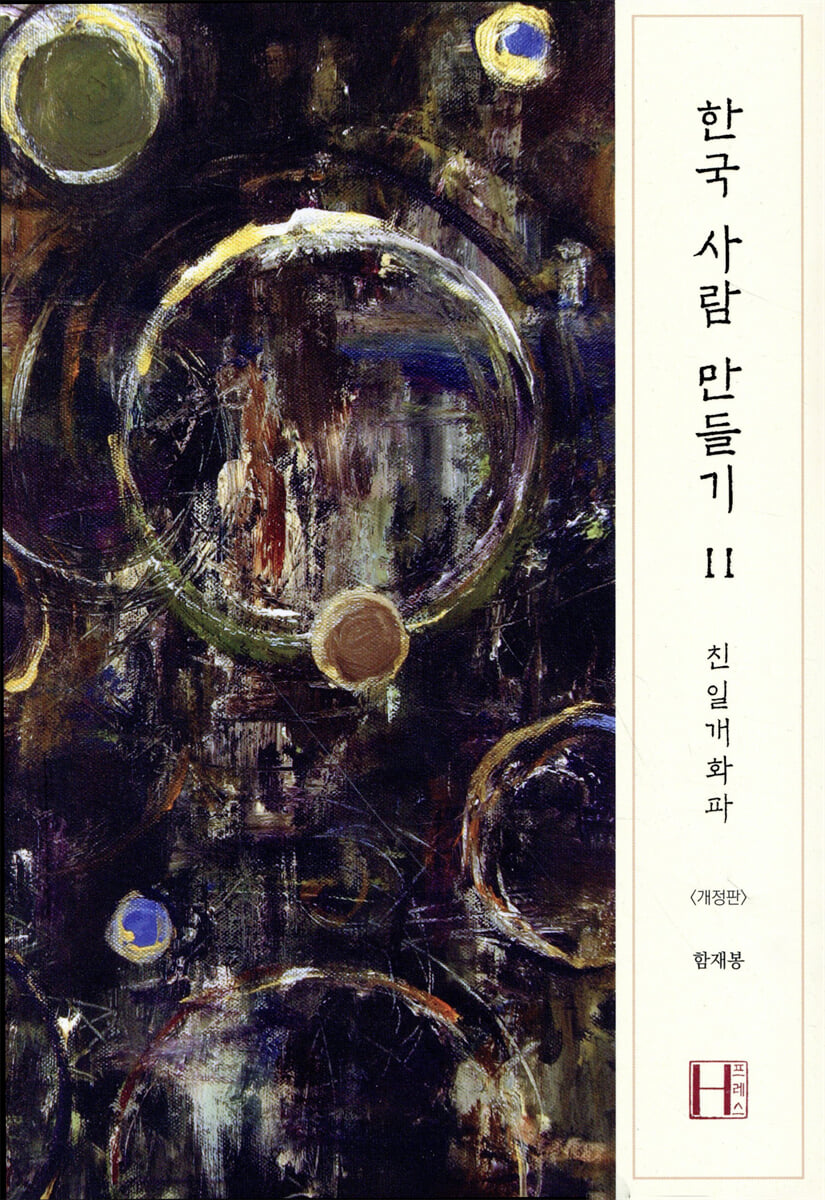
Making Korean People 2
 |
Description
Book Introduction
The "Making Koreans" series traces the political, international, and ideological backgrounds of the five human types that form the basis of the "Korean people."
This book is the second volume in the series, "Making Koreans," and explores why and how the "pro-Japanese reformist faction" was formed.
Despite the anti-Japanese sentiment deeply rooted in the minds of Koreans, the sense of cultural superiority over "Wa," and the strong isolationist policy, by the end of the 19th century, pro-Japanese reformists emerged who accepted Japan as the new standard of civilization.
This was a surprising shift in perception among the Joseon people, who had long considered China to be the axis of civilization.
The reason this 'Copernican Revolution' was possible was because we directly witnessed and learned about Japan's Meiji Restoration, which was a success unparalleled in world history.
At the time, it was difficult and dangerous to see and learn from Japan, but they learned from Japan, which was undergoing a rapid modernization process while overcoming all adversities.
The pro-Japanese reformists established a new worldview and national outlook through direct exchanges with Japanese politicians, businessmen, and thinkers who successfully led the political, economic, social, cultural, and ideological revolution known as the Meiji Restoration.
And in Joseon, too, they want to promote radical reforms like the Meiji Restoration.
However, they eventually fell into decline as they encountered resistance from the pro-Chinese faction that advocated for moderate reforms based on the "East Road, West Instrument Theory" (東道西器論).
This book is the second volume in the series, "Making Koreans," and explores why and how the "pro-Japanese reformist faction" was formed.
Despite the anti-Japanese sentiment deeply rooted in the minds of Koreans, the sense of cultural superiority over "Wa," and the strong isolationist policy, by the end of the 19th century, pro-Japanese reformists emerged who accepted Japan as the new standard of civilization.
This was a surprising shift in perception among the Joseon people, who had long considered China to be the axis of civilization.
The reason this 'Copernican Revolution' was possible was because we directly witnessed and learned about Japan's Meiji Restoration, which was a success unparalleled in world history.
At the time, it was difficult and dangerous to see and learn from Japan, but they learned from Japan, which was undergoing a rapid modernization process while overcoming all adversities.
The pro-Japanese reformists established a new worldview and national outlook through direct exchanges with Japanese politicians, businessmen, and thinkers who successfully led the political, economic, social, cultural, and ideological revolution known as the Meiji Restoration.
And in Joseon, too, they want to promote radical reforms like the Meiji Restoration.
However, they eventually fell into decline as they encountered resistance from the pro-Chinese faction that advocated for moderate reforms based on the "East Road, West Instrument Theory" (東道西器論).
- You can preview some of the book's contents.
Preview
index
Preface i
introduction
From the Northern Learning School to the Enlightenment School 3
Five Keys to the Meiji Restoration's Success
Japan's Transition from the Sinocentric Order to the Modern International Order (Part 9)
The Frustration of the Pro-Japanese Reformists 11
Chapter 1: The Meiji Restoration
1.
Politics of the Edo Period 19
2.
Economy of the Edo Period 28
3.
Thought and Education in the Edo Period 38
4.
The Emergence of Foreign Powers and the Contradictions of the Bakufu System 74
5.
The New Center of the Nation: Emperor 83
6.
"The Founding of the Nation" and its Aftermath 94
7.
The Bakufu, Choshu, and Satsuma's Open Door Policy 114
8.
The Emergence of the John-Hwang-Yang-I-Pai 130
9.
The conflict between Choshu and Satsuma 134
10.
The Namamugi Incident (1862) 142
11.
The Battle of Shimonoseki and the Satsuei War 146
12.
Satsuma Coup and Choshu Counter-Coup 151
13.
The First Conquest of Choshu 157
14.
Choshu Civil War 164
15.
Satcho Alliance 169
16.
The Last Shogun: Tokugawa Yoshinobu 179
17.
"Seonjungpalchaek" and "Daejeongbonghwan" 183
18.
The Boshin War 189
19.
"Panjeok Bonghwan" and "Abolition of Factions and Establishment of Prefectures" 210
Chapter 2: The Meiji Government's Foreign and Security Policy
1.
Background of the Dispatch of the Iwakura Mission 235
2.
The Iwakura Mission's Journey 263
3.
The division of the Meiji Restoration forces and the "Seikanron" 274
4.
The Lightning Bolt of Japan-Korea Relations: Tsushima 279
5.
Kido Takayoshi's "Jeonghanron" 288
Chapter 3: Japan's Challenge to the "Chinese Order"
1.
300th anniversary of the signing of the Sino-Japanese Treaty of Amity and Commerce
2.
Dissolution of the "Giyu Treaty System" 310
3.
Ryukyu and Taiwan Issues 313
Chapter 4: Saigō Takamori's "Seikanron"
1.
Saigō Takamori's "Seikanron" 330
2.
Okubo vs. Saigō 336
3.
The Saga Rebellion, Vol. 349
4.
"Japan's Bismarck," Okubo's Foreign Policy 356
5.
Okubo's Conquest of Taiwan 360
Chapter 5: Fukuzawa's "Theory of Civilization and Enlightenment"
1.
The Origins of "Civilization and Enlightenment" 377
2.
Fukuzawa's Life 379
3.
The Scottish Enlightenment and the Stages of Civilization 391
4.
American Geography Textbooks and Western Affairs 406
5.
Burton's Political Economy and Western Affairs, Vol. 413
6.
Science and Technology 423
7.
Copyright and Patents 429
8.
Outline of Civilization 434
9.
『Encouragement of Learning』 448
Chapter 6: A Non-National Anthem: The Treaty of Ganghwa Island
1.
Gojong's New Foreign Policy 458
2.
Japan's Response 462
3.
Japan's Show of Force: The "Unyo Incident" 472
4.
Japan 479: Once again, Qing's intentions are being questioned.
5.
Shinheon and Kuroda's Ganghwa Island negotiations, 488
6.
Choi Ik-hyeon's Axe Petition 497
7.
Treaty of Ganghwa Island 501
Chapter 7: Between Isolation and Opening the Nation
1.
The Case of Father Riddell 509
2.
515. The First Envoy, Kim Ki-su, Visits Japan
3.
Saigō's Rebellion and Okubo's Assassination in 530
4.
Drifting Joseon 541
5.
Li Hongzhang and the Qing Dynasty's "New Joseon Policy" 546
6.
Li Hongzhang, mediating diplomatic relations between North Korea and the United States, 555
Chapter 8: The Encounter between the Enlightenment Party and Japan
1.
Kim Ok-gyun 562
2.
Buddhism, Busan, and Enlightenment Thought 568
3.
Lee Dong-in's smuggling into Japan 577
4.
Meeting between Kim Hong-jip and Hwang Jun-heon, the Second Envoys, Part 581
5.
Kim Hong-jip and Lee Dong-in Meet 590
Chapter 9: Radical Opening of the Nation and the Establishment of Diplomatic Relations with the United States
1.
Gojong's decision to found a new country and Yi Dong-in's dispatch of secret envoys in 598
2.
Learning Japan 612 Begins with "Gentlemen's Tour"
3.
Treaty of Amity and Commerce between the United States and the Republic of Korea, Article 619
4.
Kim Ok-gyun's first visit to Japan in 630
Chapter 10: The Counterattack of the Wei Zheng Chu Shi Faction and Qing Imperialism
1.
"Yeongnam Maninso" and "Hong Jaehak's Petition" 641
2.
Daewongun's Counterattack: The An Gi-yeong Treason Incident and the Imo Incident (649)
3.
Qing's New Imperialism 654
4.
The Treaty of Jemulpo and Japan's 663 defeat by the Qing
5.
From a vassal state to a direct territory in 669
6.
Qing Interference and Pro-Qing Reforms 674
Chapter 11: The Independence Thoughts of the Pro-Japanese Reformists
1.
Kim Ok-gyun's second visit to Japan (689)
2.
Fukuzawa Yukichi and the Korean Reformists 697
3.
Kim Ok-gyun's Independence Thought 707
4.
Kim Ok-gyun's third visit to Japan, 713
Chapter 12: The Gapsin Coup and the Fall of the Pro-Japanese Reform Faction
1.
The eve of the Gapsin Coup, 722
2.
Event 736
3.
Qing intervention 741
4.
The Aftermath of the Gapsin Coup 744
5.
753. Kim Ok-gyun and the words of the "pro-Japanese reformists"
Conclusion 757
Note 763
Reference 819
Appendix 829
introduction
From the Northern Learning School to the Enlightenment School 3
Five Keys to the Meiji Restoration's Success
Japan's Transition from the Sinocentric Order to the Modern International Order (Part 9)
The Frustration of the Pro-Japanese Reformists 11
Chapter 1: The Meiji Restoration
1.
Politics of the Edo Period 19
2.
Economy of the Edo Period 28
3.
Thought and Education in the Edo Period 38
4.
The Emergence of Foreign Powers and the Contradictions of the Bakufu System 74
5.
The New Center of the Nation: Emperor 83
6.
"The Founding of the Nation" and its Aftermath 94
7.
The Bakufu, Choshu, and Satsuma's Open Door Policy 114
8.
The Emergence of the John-Hwang-Yang-I-Pai 130
9.
The conflict between Choshu and Satsuma 134
10.
The Namamugi Incident (1862) 142
11.
The Battle of Shimonoseki and the Satsuei War 146
12.
Satsuma Coup and Choshu Counter-Coup 151
13.
The First Conquest of Choshu 157
14.
Choshu Civil War 164
15.
Satcho Alliance 169
16.
The Last Shogun: Tokugawa Yoshinobu 179
17.
"Seonjungpalchaek" and "Daejeongbonghwan" 183
18.
The Boshin War 189
19.
"Panjeok Bonghwan" and "Abolition of Factions and Establishment of Prefectures" 210
Chapter 2: The Meiji Government's Foreign and Security Policy
1.
Background of the Dispatch of the Iwakura Mission 235
2.
The Iwakura Mission's Journey 263
3.
The division of the Meiji Restoration forces and the "Seikanron" 274
4.
The Lightning Bolt of Japan-Korea Relations: Tsushima 279
5.
Kido Takayoshi's "Jeonghanron" 288
Chapter 3: Japan's Challenge to the "Chinese Order"
1.
300th anniversary of the signing of the Sino-Japanese Treaty of Amity and Commerce
2.
Dissolution of the "Giyu Treaty System" 310
3.
Ryukyu and Taiwan Issues 313
Chapter 4: Saigō Takamori's "Seikanron"
1.
Saigō Takamori's "Seikanron" 330
2.
Okubo vs. Saigō 336
3.
The Saga Rebellion, Vol. 349
4.
"Japan's Bismarck," Okubo's Foreign Policy 356
5.
Okubo's Conquest of Taiwan 360
Chapter 5: Fukuzawa's "Theory of Civilization and Enlightenment"
1.
The Origins of "Civilization and Enlightenment" 377
2.
Fukuzawa's Life 379
3.
The Scottish Enlightenment and the Stages of Civilization 391
4.
American Geography Textbooks and Western Affairs 406
5.
Burton's Political Economy and Western Affairs, Vol. 413
6.
Science and Technology 423
7.
Copyright and Patents 429
8.
Outline of Civilization 434
9.
『Encouragement of Learning』 448
Chapter 6: A Non-National Anthem: The Treaty of Ganghwa Island
1.
Gojong's New Foreign Policy 458
2.
Japan's Response 462
3.
Japan's Show of Force: The "Unyo Incident" 472
4.
Japan 479: Once again, Qing's intentions are being questioned.
5.
Shinheon and Kuroda's Ganghwa Island negotiations, 488
6.
Choi Ik-hyeon's Axe Petition 497
7.
Treaty of Ganghwa Island 501
Chapter 7: Between Isolation and Opening the Nation
1.
The Case of Father Riddell 509
2.
515. The First Envoy, Kim Ki-su, Visits Japan
3.
Saigō's Rebellion and Okubo's Assassination in 530
4.
Drifting Joseon 541
5.
Li Hongzhang and the Qing Dynasty's "New Joseon Policy" 546
6.
Li Hongzhang, mediating diplomatic relations between North Korea and the United States, 555
Chapter 8: The Encounter between the Enlightenment Party and Japan
1.
Kim Ok-gyun 562
2.
Buddhism, Busan, and Enlightenment Thought 568
3.
Lee Dong-in's smuggling into Japan 577
4.
Meeting between Kim Hong-jip and Hwang Jun-heon, the Second Envoys, Part 581
5.
Kim Hong-jip and Lee Dong-in Meet 590
Chapter 9: Radical Opening of the Nation and the Establishment of Diplomatic Relations with the United States
1.
Gojong's decision to found a new country and Yi Dong-in's dispatch of secret envoys in 598
2.
Learning Japan 612 Begins with "Gentlemen's Tour"
3.
Treaty of Amity and Commerce between the United States and the Republic of Korea, Article 619
4.
Kim Ok-gyun's first visit to Japan in 630
Chapter 10: The Counterattack of the Wei Zheng Chu Shi Faction and Qing Imperialism
1.
"Yeongnam Maninso" and "Hong Jaehak's Petition" 641
2.
Daewongun's Counterattack: The An Gi-yeong Treason Incident and the Imo Incident (649)
3.
Qing's New Imperialism 654
4.
The Treaty of Jemulpo and Japan's 663 defeat by the Qing
5.
From a vassal state to a direct territory in 669
6.
Qing Interference and Pro-Qing Reforms 674
Chapter 11: The Independence Thoughts of the Pro-Japanese Reformists
1.
Kim Ok-gyun's second visit to Japan (689)
2.
Fukuzawa Yukichi and the Korean Reformists 697
3.
Kim Ok-gyun's Independence Thought 707
4.
Kim Ok-gyun's third visit to Japan, 713
Chapter 12: The Gapsin Coup and the Fall of the Pro-Japanese Reform Faction
1.
The eve of the Gapsin Coup, 722
2.
Event 736
3.
Qing intervention 741
4.
The Aftermath of the Gapsin Coup 744
5.
753. Kim Ok-gyun and the words of the "pro-Japanese reformists"
Conclusion 757
Note 763
Reference 819
Appendix 829
GOODS SPECIFICS
- Publication date: April 15, 2021
- Page count, weight, size: 900 pages | 1,260g | 152*225*23mm
- ISBN13: 9791197103544
- ISBN10: 1197103546
You may also like
카테고리
korean


korean

![GQ KOREA Mark (Monthly): December [2025]](http://librairie.coreenne.fr/cdn/shop/files/8ef265dbbfbf186523ed75ba7319009d.jpg?v=1765340328&width=3840)


