

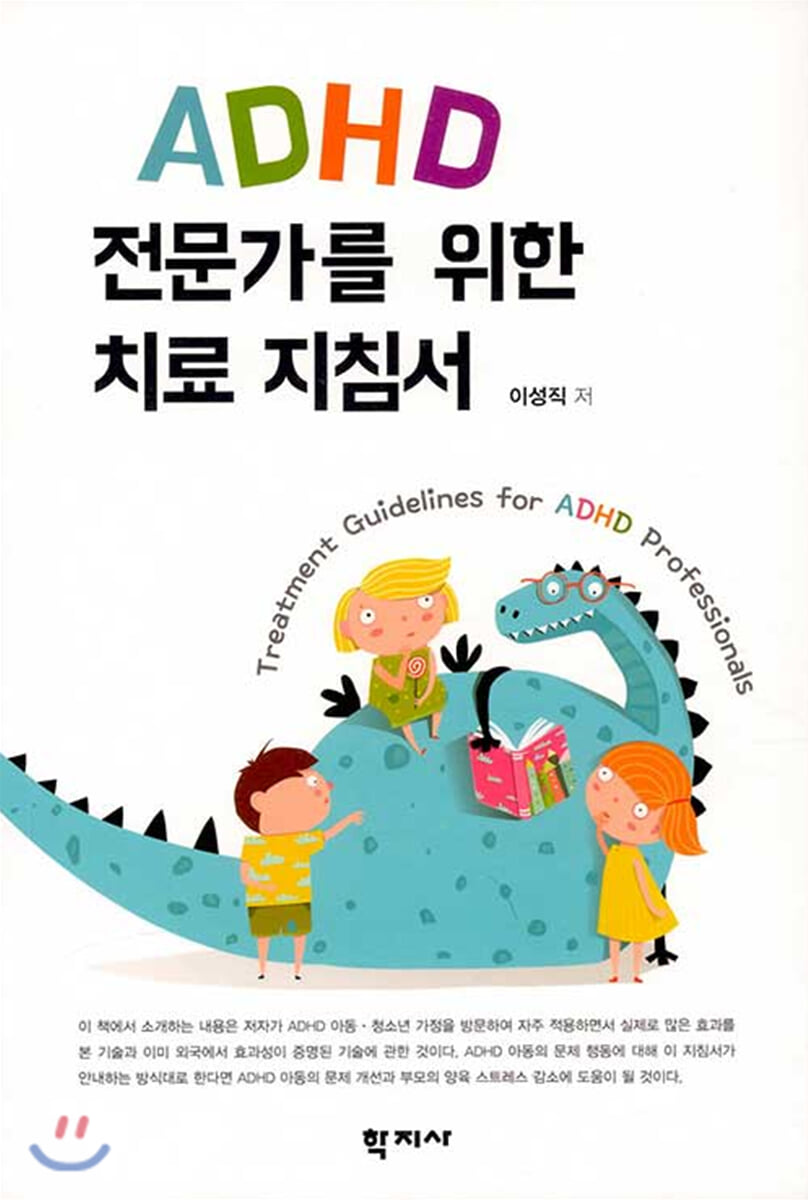
Treatment Guidelines for ADHD Professionals
 |
Description
index
Author's Preface
Treatment Guidelines for ADHD Professionals
Part 1: Understanding ADHD
01 What is ADHD?
The Evolution of ADHD Terminology
Informal reports of ADHD symptoms
Misconceptions and Facts About ADHD
Key symptoms and diagnostic criteria for ADHD
ADHD subtypes and characteristics
Prevalence of ADHD
Causes of ADHD
Developmental characteristics and family characteristics of children with ADHD
02 ADHD Evaluation and Diagnosis
Interview
Direct observation
Evaluation scale
Other evaluation methods
03 Theoretical Hypothesis on ADHD Problems
behavioral inhibition model
Four Aspects of Executive Function
Motor control/verbal fluency/syntactic integration
Part 2: Self-Regulation and Control
04 Self-control
What is self-regulation?
The importance of self-regulation
In an age where delaying immediate gratification is difficult
05 Formation and development of self-regulation
Forming healthy attachments
Providing a structured environment
Establish clear rules and sanctions
Maintaining consistent parental behavior
Part 3: Counseling and Intervention Strategies
06 Family Counseling
The Importance of Family Counseling
Providing parent education
Applying behavior modification techniques
Conversation skills that increase intimacy and attachment
07 Teacher Counseling
Classroom management
Teacher's attention-giving strategies
Class content
computer-assisted learning
Supporting Teacher Psychological Counseling
The need for a proactive and preventative approach
Managing your actions with daily action cards
Collaborative problem solving
08 Child Counseling and Treatment
social skills training
cognitive behavioral therapy
09 Drug Intervention
side effects of drugs
Decisions about drug use
Part 4 Additional Intervention Methods
10 Alternative Methods to Improve ADHD Symptoms
Participate in sports activities
Train your body
Learn yoga and martial arts
Eat healthy foods
Living in a place with clean air
Exposure to green natural environment
Practice meditation
Abdominal breathing
Correcting harmful environments
11 Discovering the Strengths and Talents of Children with ADHD
Choosing an alternative school
supplement
References
Search
Treatment Guidelines for ADHD Professionals
Part 1: Understanding ADHD
01 What is ADHD?
The Evolution of ADHD Terminology
Informal reports of ADHD symptoms
Misconceptions and Facts About ADHD
Key symptoms and diagnostic criteria for ADHD
ADHD subtypes and characteristics
Prevalence of ADHD
Causes of ADHD
Developmental characteristics and family characteristics of children with ADHD
02 ADHD Evaluation and Diagnosis
Interview
Direct observation
Evaluation scale
Other evaluation methods
03 Theoretical Hypothesis on ADHD Problems
behavioral inhibition model
Four Aspects of Executive Function
Motor control/verbal fluency/syntactic integration
Part 2: Self-Regulation and Control
04 Self-control
What is self-regulation?
The importance of self-regulation
In an age where delaying immediate gratification is difficult
05 Formation and development of self-regulation
Forming healthy attachments
Providing a structured environment
Establish clear rules and sanctions
Maintaining consistent parental behavior
Part 3: Counseling and Intervention Strategies
06 Family Counseling
The Importance of Family Counseling
Providing parent education
Applying behavior modification techniques
Conversation skills that increase intimacy and attachment
07 Teacher Counseling
Classroom management
Teacher's attention-giving strategies
Class content
computer-assisted learning
Supporting Teacher Psychological Counseling
The need for a proactive and preventative approach
Managing your actions with daily action cards
Collaborative problem solving
08 Child Counseling and Treatment
social skills training
cognitive behavioral therapy
09 Drug Intervention
side effects of drugs
Decisions about drug use
Part 4 Additional Intervention Methods
10 Alternative Methods to Improve ADHD Symptoms
Participate in sports activities
Train your body
Learn yoga and martial arts
Eat healthy foods
Living in a place with clean air
Exposure to green natural environment
Practice meditation
Abdominal breathing
Correcting harmful environments
11 Discovering the Strengths and Talents of Children with ADHD
Choosing an alternative school
supplement
References
Search
GOODS SPECIFICS
- Date of issue: February 15, 2020
- Page count, weight, size: 164 pages | 322g | 153*225*20mm
- ISBN13: 9788999720253
- ISBN10: 899972025X
You may also like
카테고리
korean


korean

![GQ KOREA Mark (Monthly): December [2025]](http://librairie.coreenne.fr/cdn/shop/files/8ef265dbbfbf186523ed75ba7319009d.jpg?v=1765340328&width=3840)


