

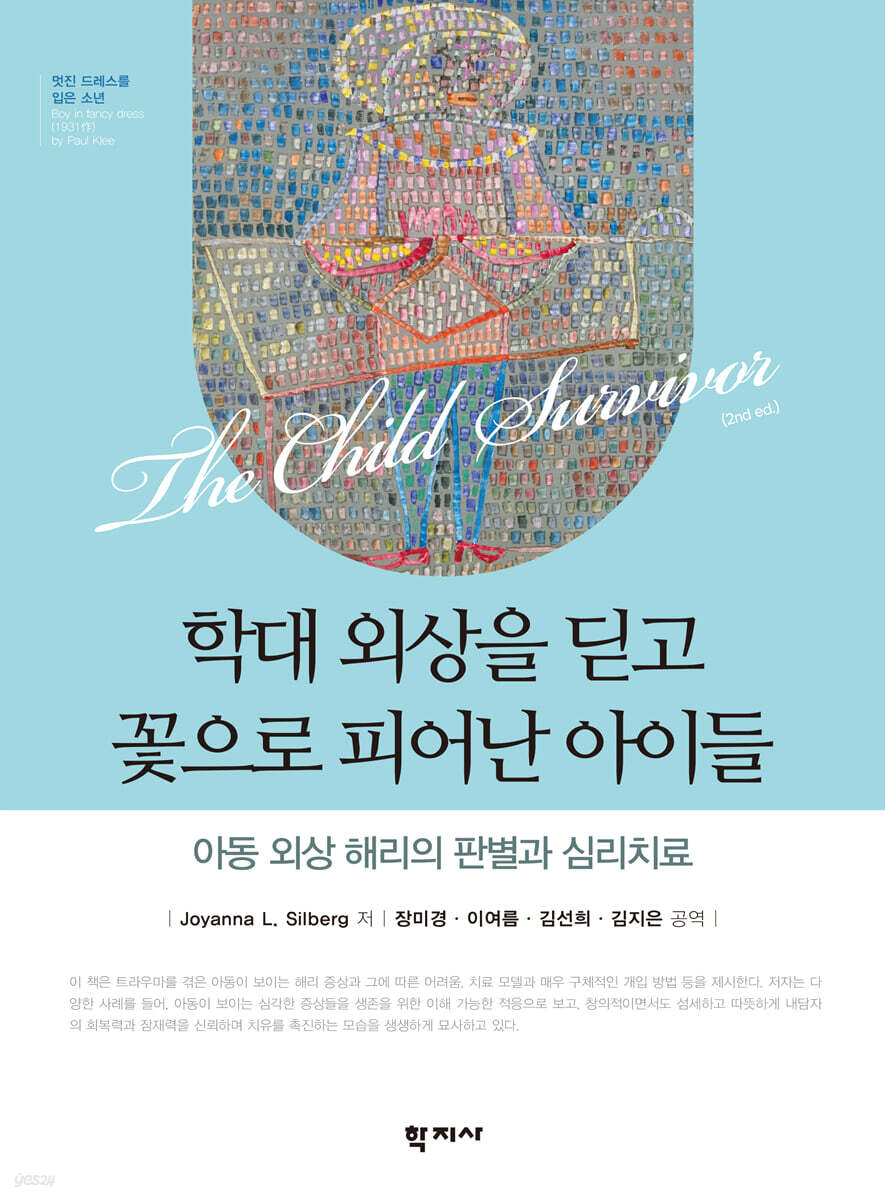
Children who overcame the trauma of abuse and blossomed into flowers
 |
Description
Book Introduction
"Children Who Blossomed After Overcoming Trauma from Abuse" is a must-read for all child therapists and trainees, as each chapter is filled with clinical dilemmas that can challenge even the most experienced child trauma therapist.
The authors demonstrate how to address these dilemmas with creativity, attunement, and sensitivity to the adaptive nature of highly complex dissociative symptoms.
It also provides tips for remotely treating children with psychological trauma and explains how children who have suffered the most abusive crimes can respond well to treatment.
Therapists on the front lines of child psychotherapy will benefit from this book's comprehensive range of therapeutic techniques they can implement immediately, while limiting the need for hospitalization or out-of-home placement, which restrict the freedom of young clients.
The authors demonstrate how to address these dilemmas with creativity, attunement, and sensitivity to the adaptive nature of highly complex dissociative symptoms.
It also provides tips for remotely treating children with psychological trauma and explains how children who have suffered the most abusive crimes can respond well to treatment.
Therapists on the front lines of child psychotherapy will benefit from this book's comprehensive range of therapeutic techniques they can implement immediately, while limiting the need for hospitalization or out-of-home placement, which restrict the freedom of young clients.
index
Translator's Preface
Author's Preface
introduction
Chapter 1: The Impact of Trauma
social rejection
Psychological effects of abuse
developmental trauma
Neurological effects of trauma
summation
Chapter 2: An Integrative Developmental Model of Harry
Emotional avoidance theory
Understanding Harry through Emotional Avoidance Theory
summation
Chapter 3: Considerations for Diagnosis
Alliance Formation and Motivation Assessment
Evaluating the Moment of Transition
Assessing a traumatic event
summation
Chapter 4 Harry Process Evaluation
Evaluating the Embarrassing Shift in Consciousness
Assessing vivid hallucinatory experiences
Assessing Behavioral Changes
Assessing Amnesia
Assessing physical symptoms
risky behavior
Harry's coexisting disorders
Assessment tools
summation
Chapter 5: Beginning the Healing Journey
Treatment principles
therapeutic relationship
summation
Chapter 6: Training and Motivation: Introducing the EDUCATE Model
Harry-Centered Intervention: The EDUCATE Model
The 'E' in the EDUCATE model: Education
The 'D' in the EDUCATE Model: Harry Motivation
summation
Chapter 7 Connecting Your Self-States: Healing Through Connection with the Hidden
The 'U' in the EDUCATE Model: Understanding Hidden Information
The 'C' of the EDUCATE Model: Claiming the Hidden as Your Own
summation
Chapter 8: "Trying to Forget What You Remember": Reversing Amnesia
Recovery of autobiographical memory
Other causes of amnesia
general amnesia
summation
Chapter 9: Getting to Know Your Body: Physical Considerations for Child Survivors
hyperarousal children
Regulation of arousal through sensorimotor activity
numbness of the body
Somatoform pain and conversion symptoms
summation
Chapter 10: Waking Up: Waking Up from Dissociative Shutdown
Strategies to Change the Harry Potter Shutdown
Signs of sleep disturbance
summation
Chapter 11: Forming Attachment Across States: Regulating Emotions in Relationships
The 'A' of the EDUCATE Model: Promoting Emotional Regulation
summation
Chapter 12: Child-Centered Family Therapy: Dissociative Interventions and Family Therapeutic Interventions
Therapist's attitude
Psychoeducation
The Implosion of Empathy: Communicating Hurt, Pain, Betrayal, and Anger in Family Therapy
Trigger identification exercise
“Transitions” that occur during family sessions
Building reciprocity
Encourage age-appropriate activities and relationships
Parenting Issues
summation
Chapter 13: Rewriting the Script: Processing Traumatic Memories and Resolving Flashbacks
When is the right time to address trauma in children and adolescents?
Components of trauma memory processing
summation
Chapter 14: Secure Attachment and Love in the Face of Systemic Abuse
What is Systemic Abuse
Israel's systematic abuse
therapy
Healing is possible
summation
Chapter 15: Working with Policy Systems: Therapists as Social Activists
Continuity of treatment
Working with the Legal System: Maintaining Integrity
Strive to be a role model for the humane world you want to create for your clients.
summation
Chapter 16: Self-Integration: Toward a Future of Healing
The final 'E' of the EDUCATE model: End-of-treatment phase
Integration
supplement
References
Search
Author's Preface
introduction
Chapter 1: The Impact of Trauma
social rejection
Psychological effects of abuse
developmental trauma
Neurological effects of trauma
summation
Chapter 2: An Integrative Developmental Model of Harry
Emotional avoidance theory
Understanding Harry through Emotional Avoidance Theory
summation
Chapter 3: Considerations for Diagnosis
Alliance Formation and Motivation Assessment
Evaluating the Moment of Transition
Assessing a traumatic event
summation
Chapter 4 Harry Process Evaluation
Evaluating the Embarrassing Shift in Consciousness
Assessing vivid hallucinatory experiences
Assessing Behavioral Changes
Assessing Amnesia
Assessing physical symptoms
risky behavior
Harry's coexisting disorders
Assessment tools
summation
Chapter 5: Beginning the Healing Journey
Treatment principles
therapeutic relationship
summation
Chapter 6: Training and Motivation: Introducing the EDUCATE Model
Harry-Centered Intervention: The EDUCATE Model
The 'E' in the EDUCATE model: Education
The 'D' in the EDUCATE Model: Harry Motivation
summation
Chapter 7 Connecting Your Self-States: Healing Through Connection with the Hidden
The 'U' in the EDUCATE Model: Understanding Hidden Information
The 'C' of the EDUCATE Model: Claiming the Hidden as Your Own
summation
Chapter 8: "Trying to Forget What You Remember": Reversing Amnesia
Recovery of autobiographical memory
Other causes of amnesia
general amnesia
summation
Chapter 9: Getting to Know Your Body: Physical Considerations for Child Survivors
hyperarousal children
Regulation of arousal through sensorimotor activity
numbness of the body
Somatoform pain and conversion symptoms
summation
Chapter 10: Waking Up: Waking Up from Dissociative Shutdown
Strategies to Change the Harry Potter Shutdown
Signs of sleep disturbance
summation
Chapter 11: Forming Attachment Across States: Regulating Emotions in Relationships
The 'A' of the EDUCATE Model: Promoting Emotional Regulation
summation
Chapter 12: Child-Centered Family Therapy: Dissociative Interventions and Family Therapeutic Interventions
Therapist's attitude
Psychoeducation
The Implosion of Empathy: Communicating Hurt, Pain, Betrayal, and Anger in Family Therapy
Trigger identification exercise
“Transitions” that occur during family sessions
Building reciprocity
Encourage age-appropriate activities and relationships
Parenting Issues
summation
Chapter 13: Rewriting the Script: Processing Traumatic Memories and Resolving Flashbacks
When is the right time to address trauma in children and adolescents?
Components of trauma memory processing
summation
Chapter 14: Secure Attachment and Love in the Face of Systemic Abuse
What is Systemic Abuse
Israel's systematic abuse
therapy
Healing is possible
summation
Chapter 15: Working with Policy Systems: Therapists as Social Activists
Continuity of treatment
Working with the Legal System: Maintaining Integrity
Strive to be a role model for the humane world you want to create for your clients.
summation
Chapter 16: Self-Integration: Toward a Future of Healing
The final 'E' of the EDUCATE model: End-of-treatment phase
Integration
supplement
References
Search
GOODS SPECIFICS
- Date of issue: August 20, 2024
- Format: Paperback book binding method guide
- Page count, weight, size: 416 pages | 853g | 189*255*17mm
- ISBN13: 9788999731792
- ISBN10: 8999731790
You may also like
카테고리
korean


korean

![GQ KOREA Mark (Monthly): December [2025]](http://librairie.coreenne.fr/cdn/shop/files/8ef265dbbfbf186523ed75ba7319009d.jpg?v=1765340328&width=3840)


