

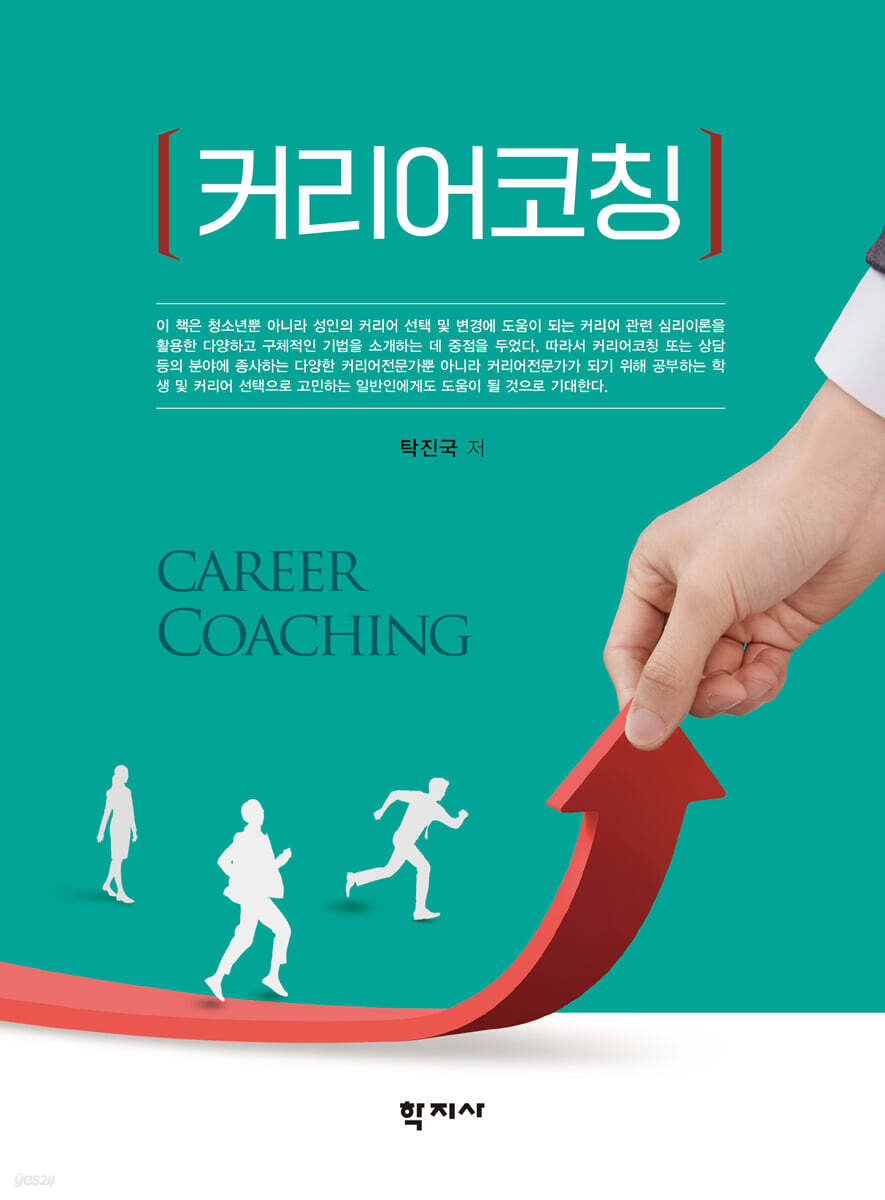
Career Coaching
 |
Description
Book Introduction
This book consists of Part 1 and Part 2.
In Part 1, we introduced why careers are important, what career coaching is, and some career theories that can be greatly utilized in the career coaching process to help you understand careers.
We also covered how jobs are changing and how we should respond to them.
In Part 2, we introduce various practical techniques that career coaches can use to guide coachees to find the right career for them.
The subjects were categorized by age group of the coachees, including teenagers, early career, mid career, late career, and retirees. For each age group, the author introduced career guide techniques developed by the author and career techniques introduced in various studies.
Additionally, at the end of each chapter, a subheading titled 'Implications for Career Coaching' is included, explaining how the research results introduced in each chapter can be utilized in career coaching.
As explained above, this book focuses on introducing various techniques that career coaches can use in actual career coaching settings rather than career-related theories.
Therefore, it is expected that it will be used as a reference book or textbook not only for professionals working in the field of career coaching or career counseling, but also for undergraduate or graduate students studying career coaching or career counseling to work in this field.
In Part 1, we introduced why careers are important, what career coaching is, and some career theories that can be greatly utilized in the career coaching process to help you understand careers.
We also covered how jobs are changing and how we should respond to them.
In Part 2, we introduce various practical techniques that career coaches can use to guide coachees to find the right career for them.
The subjects were categorized by age group of the coachees, including teenagers, early career, mid career, late career, and retirees. For each age group, the author introduced career guide techniques developed by the author and career techniques introduced in various studies.
Additionally, at the end of each chapter, a subheading titled 'Implications for Career Coaching' is included, explaining how the research results introduced in each chapter can be utilized in career coaching.
As explained above, this book focuses on introducing various techniques that career coaches can use in actual career coaching settings rather than career-related theories.
Therefore, it is expected that it will be used as a reference book or textbook not only for professionals working in the field of career coaching or career counseling, but also for undergraduate or graduate students studying career coaching or career counseling to work in this field.
index
preface
Chapter 1 Career Coaching
1.
Career
2.
The Importance of Career
3.
Definition of Career Coaching
Chapter 2: Understanding the World of Work
1.
Jobs and Occupations
2.
Types of occupations
3.
Change of occupation
4.
Responding to Job Changes
Chapter 3 Career Theory
1.
trait-factor theory
2.
Social Cognitive Career Theory
3.
Career composition theory
Chapter 4: Life Planning Career Techniques
1.
Career Structure Interview
2.
Reconstructing a life self-portrait
3.
evaluation
4.
example
5.
Related research
Chapter 5: Choosing a Career Using Career Psychological Tests
1.
The need for inspection integration
2.
Step 1: Take the Interest Test
3.
Step 2: Integration of Interests and Aptitudes
4.
Step 3: Integrating Interests, Aptitudes, and Personality
5.
Step 4: Integrating interests, aptitudes, personality, and career values
6.
Step 5: Develop a Specific Implementation Plan
7.
Effectiveness of the integrated method
Chapter 6 General Career Techniques
1.
Key factors to include in career strategies
2.
Career Programs and Their Effects
3.
National Career Programs
Chapter 7 Career Techniques for Youth
1.
Career Techniques for Middle School and High School Students
2.
Career techniques for college students
3.
Career Coaching Implications
Chapter 8 Career Management for Office Workers
1.
Career Management
2.
Career development direction
3.
Career Development Perspective
4.
Protein career attitude
5.
career change
6.
Career Coaching Implications
Chapter 9: Career Techniques for Early and Mid-Career Users
1.
Early Career Targeted Career Techniques
2.
Career techniques for mid-career professionals
3.
Career techniques for women on career breaks
4.
Career Coaching Implications
Chapter 10: Career Techniques for Late-Career and Retirees
1.
Career techniques for late-career targets
2.
Career techniques for retirees and those planning to retire
3.
Career Coaching Implications
Chapter 11: Using Career-Related Scales
1.
Protein Career Attitude Scale
2.
Career Concerns Scale
3.
The Meaning of Work Scale
4.
Career Adaptability Scale
5.
Career Indecision Scale
Search
index
preface
Chapter 1 Career Coaching
1.
Career
2.
The Importance of Career
3.
Definition of Career Coaching
Chapter 2: Understanding the World of Work
1.
Jobs and Occupations
2.
Types of occupations
3.
Change of occupation
4.
Responding to Job Changes
Chapter 3 Career Theory
1.
trait-factor theory
2.
Social Cognitive Career Theory
3.
Career composition theory
Chapter 4: Life Planning Career Techniques
1.
Career Structure Interview
2.
Reconstructing a life self-portrait
3.
evaluation
4.
example
5.
Related research
Chapter 5: Choosing a Career Using Career Psychological Tests
1.
The need for inspection integration
2.
Step 1: Take the Interest Test
3.
Step 2: Integration of Interests and Aptitudes
4.
Step 3: Integrating Interests, Aptitudes, and Personality
5.
Step 4: Integrating interests, aptitudes, personality, and career values
6.
Step 5: Develop a Specific Implementation Plan
7.
Effectiveness of the integrated method
Chapter 6 General Career Techniques
1.
Key factors to include in career strategies
2.
Career Programs and Their Effects
3.
National Career Programs
Chapter 7 Career Techniques for Youth
1.
Career Techniques for Middle School and High School Students
2.
Career techniques for college students
3.
Career Coaching Implications
Chapter 8 Career Management for Office Workers
1.
Career Management
2.
Career development direction
3.
Career Development Perspective
4.
Protein career attitude
5.
career change
6.
Career Coaching Implications
Chapter 9: Career Techniques for Early and Mid-Career Users
1.
Early Career Targeted Career Techniques
2.
Career techniques for mid-career professionals
3.
Career techniques for women on career breaks
4.
Career Coaching Implications
Chapter 10: Career Techniques for Late-Career and Retirees
1.
Career techniques for late-career targets
2.
Career techniques for retirees and those planning to retire
3.
Career Coaching Implications
Chapter 11: Using Career-Related Scales
1.
Protein Career Attitude Scale
2.
Career Concerns Scale
3.
The Meaning of Work Scale
4.
Career Adaptability Scale
5.
Career Indecision Scale
Chapter 1 Career Coaching
1.
Career
2.
The Importance of Career
3.
Definition of Career Coaching
Chapter 2: Understanding the World of Work
1.
Jobs and Occupations
2.
Types of occupations
3.
Change of occupation
4.
Responding to Job Changes
Chapter 3 Career Theory
1.
trait-factor theory
2.
Social Cognitive Career Theory
3.
Career composition theory
Chapter 4: Life Planning Career Techniques
1.
Career Structure Interview
2.
Reconstructing a life self-portrait
3.
evaluation
4.
example
5.
Related research
Chapter 5: Choosing a Career Using Career Psychological Tests
1.
The need for inspection integration
2.
Step 1: Take the Interest Test
3.
Step 2: Integration of Interests and Aptitudes
4.
Step 3: Integrating Interests, Aptitudes, and Personality
5.
Step 4: Integrating interests, aptitudes, personality, and career values
6.
Step 5: Develop a Specific Implementation Plan
7.
Effectiveness of the integrated method
Chapter 6 General Career Techniques
1.
Key factors to include in career strategies
2.
Career Programs and Their Effects
3.
National Career Programs
Chapter 7 Career Techniques for Youth
1.
Career Techniques for Middle School and High School Students
2.
Career techniques for college students
3.
Career Coaching Implications
Chapter 8 Career Management for Office Workers
1.
Career Management
2.
Career development direction
3.
Career Development Perspective
4.
Protein career attitude
5.
career change
6.
Career Coaching Implications
Chapter 9: Career Techniques for Early and Mid-Career Users
1.
Early Career Targeted Career Techniques
2.
Career techniques for mid-career professionals
3.
Career techniques for women on career breaks
4.
Career Coaching Implications
Chapter 10: Career Techniques for Late-Career and Retirees
1.
Career techniques for late-career targets
2.
Career techniques for retirees and those planning to retire
3.
Career Coaching Implications
Chapter 11: Using Career-Related Scales
1.
Protein Career Attitude Scale
2.
Career Concerns Scale
3.
The Meaning of Work Scale
4.
Career Adaptability Scale
5.
Career Indecision Scale
Search
index
preface
Chapter 1 Career Coaching
1.
Career
2.
The Importance of Career
3.
Definition of Career Coaching
Chapter 2: Understanding the World of Work
1.
Jobs and Occupations
2.
Types of occupations
3.
Change of occupation
4.
Responding to Job Changes
Chapter 3 Career Theory
1.
trait-factor theory
2.
Social Cognitive Career Theory
3.
Career composition theory
Chapter 4: Life Planning Career Techniques
1.
Career Structure Interview
2.
Reconstructing a life self-portrait
3.
evaluation
4.
example
5.
Related research
Chapter 5: Choosing a Career Using Career Psychological Tests
1.
The need for inspection integration
2.
Step 1: Take the Interest Test
3.
Step 2: Integration of Interests and Aptitudes
4.
Step 3: Integrating Interests, Aptitudes, and Personality
5.
Step 4: Integrating interests, aptitudes, personality, and career values
6.
Step 5: Develop a Specific Implementation Plan
7.
Effectiveness of the integrated method
Chapter 6 General Career Techniques
1.
Key factors to include in career strategies
2.
Career Programs and Their Effects
3.
National Career Programs
Chapter 7 Career Techniques for Youth
1.
Career Techniques for Middle School and High School Students
2.
Career techniques for college students
3.
Career Coaching Implications
Chapter 8 Career Management for Office Workers
1.
Career Management
2.
Career development direction
3.
Career Development Perspective
4.
Protein career attitude
5.
career change
6.
Career Coaching Implications
Chapter 9: Career Techniques for Early and Mid-Career Users
1.
Early Career Targeted Career Techniques
2.
Career techniques for mid-career professionals
3.
Career techniques for women on career breaks
4.
Career Coaching Implications
Chapter 10: Career Techniques for Late-Career and Retirees
1.
Career techniques for late-career targets
2.
Career techniques for retirees and those planning to retire
3.
Career Coaching Implications
Chapter 11: Using Career-Related Scales
1.
Protein Career Attitude Scale
2.
Career Concerns Scale
3.
The Meaning of Work Scale
4.
Career Adaptability Scale
5.
Career Indecision Scale
Publisher's Review
Create your own competitive edge with career coaching!
Career coaching techniques you can immediately apply in a rapidly changing workplace.
The term 'lifelong employment', which lost its place after the IMF crisis in 1997, is being replaced by the term 'lifelong career'.
To overcome the anxiety caused by social and workplace instability, individuals must strive to hone their own expertise and become individuals with irreplaceable capabilities.
This has led to a growing interest in career coaching, which helps individuals develop into multi-players based on their individual potential.
Furthermore, advancing career coaching is developing more accurate career guidance techniques by segmenting the target group into early career, mid-career, and post-retirement, rather than simply new or experienced positions.
As demand for career coaching and counseling grows, techniques are rapidly evolving, but there is still a shortage of books covering the details.
To address these issues, Professor Jin-Guk Tak of Kwangwoon University published “Career Coaching,” following “Coaching Psychology” and “Life Coaching,” which he wrote to train experts in coaching and coaching psychology.
As career is considered a very important area in the field of coaching and counseling, it allows for the immediate application of techniques appropriate to an individual's age, career experience, and potential in the field of career coaching and counseling.
Furthermore, it provides accurate information and methods to respond appropriately to the disappearing and emerging jobs in a rapidly changing society.
This book, which consists of two parts, explains what career coaching is in Part 1 and introduces career theories that can be applied in career coaching.
Part 2 focuses on practical techniques following the basic information.
It explains strategies and techniques in detail by age group: youth, early, mid, late career, and retirees.
The career guide techniques introduced here range from those developed by the author himself to those whose effectiveness has been proven through various studies.
This book contains theories and techniques that career coaches can utilize in actual coaching processes, so field professionals will find it helpful.
Furthermore, it provides detailed explanations of how the research findings presented in each chapter can be applied to career coaching, making it an ideal textbook for undergraduate and graduate students.
Career coaching techniques you can immediately apply in a rapidly changing workplace.
The term 'lifelong employment', which lost its place after the IMF crisis in 1997, is being replaced by the term 'lifelong career'.
To overcome the anxiety caused by social and workplace instability, individuals must strive to hone their own expertise and become individuals with irreplaceable capabilities.
This has led to a growing interest in career coaching, which helps individuals develop into multi-players based on their individual potential.
Furthermore, advancing career coaching is developing more accurate career guidance techniques by segmenting the target group into early career, mid-career, and post-retirement, rather than simply new or experienced positions.
As demand for career coaching and counseling grows, techniques are rapidly evolving, but there is still a shortage of books covering the details.
To address these issues, Professor Jin-Guk Tak of Kwangwoon University published “Career Coaching,” following “Coaching Psychology” and “Life Coaching,” which he wrote to train experts in coaching and coaching psychology.
As career is considered a very important area in the field of coaching and counseling, it allows for the immediate application of techniques appropriate to an individual's age, career experience, and potential in the field of career coaching and counseling.
Furthermore, it provides accurate information and methods to respond appropriately to the disappearing and emerging jobs in a rapidly changing society.
This book, which consists of two parts, explains what career coaching is in Part 1 and introduces career theories that can be applied in career coaching.
Part 2 focuses on practical techniques following the basic information.
It explains strategies and techniques in detail by age group: youth, early, mid, late career, and retirees.
The career guide techniques introduced here range from those developed by the author himself to those whose effectiveness has been proven through various studies.
This book contains theories and techniques that career coaches can utilize in actual coaching processes, so field professionals will find it helpful.
Furthermore, it provides detailed explanations of how the research findings presented in each chapter can be applied to career coaching, making it an ideal textbook for undergraduate and graduate students.
GOODS SPECIFICS
- Date of issue: July 30, 2023
- Page count, weight, size: 304 pages | 173*235mm
- ISBN13: 9788999729300
- ISBN10: 8999729303
You may also like
카테고리
korean


korean

![GQ KOREA Mark (Monthly): December [2025]](http://librairie.coreenne.fr/cdn/shop/files/8ef265dbbfbf186523ed75ba7319009d.jpg?v=1765340328&width=3840)


