

Human Performance and Exercise Physiology
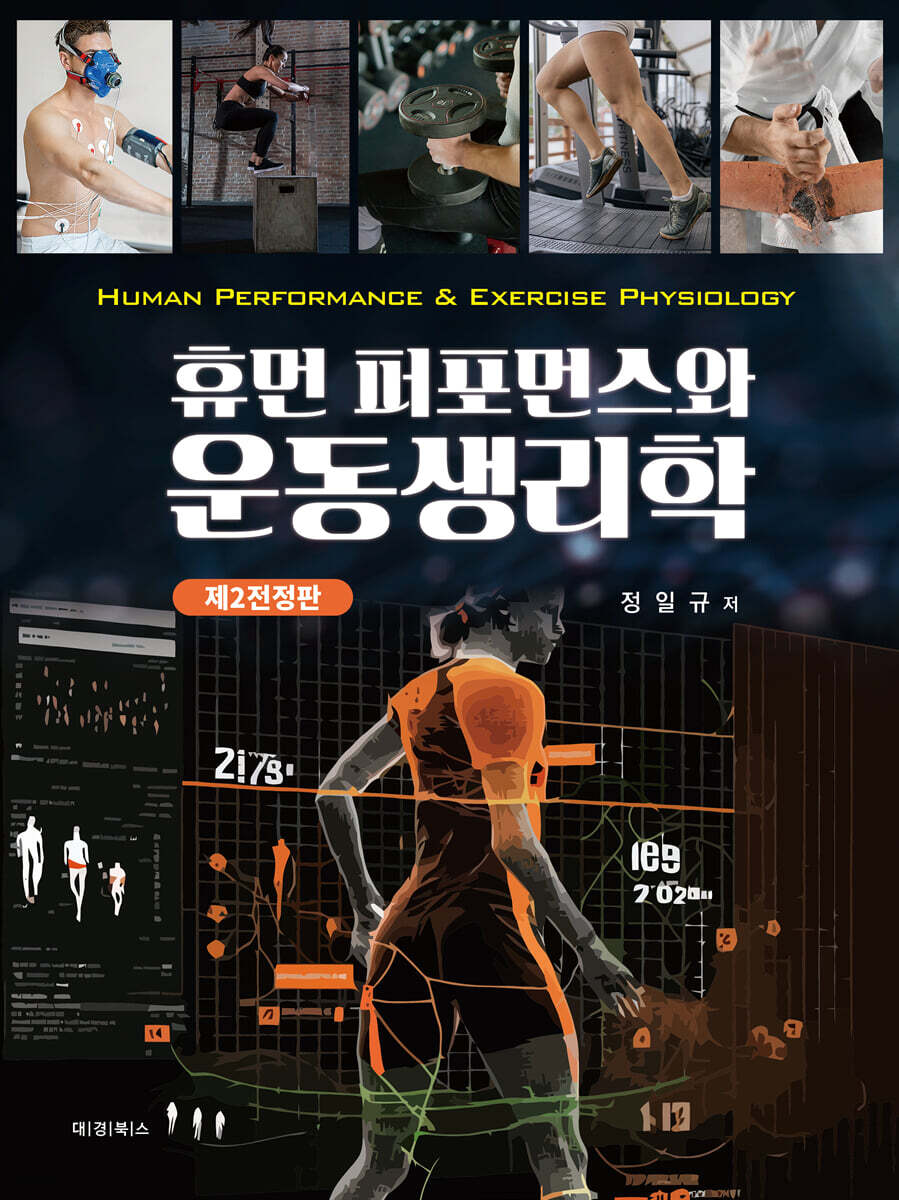 |
Description
Book Introduction
An exercise physiology reference that has been consistently loved for over 30 years.
Reflecting the latest issues and research results, including newly discovered mechanisms
The definitive edition of the exercise physiology text that has been consistently loved as a required textbook for physical education/sports/health majors since its publication in 1994 under the title “Exercise Physiology.”
It was republished in 2005 under the title “Human Performance and Exercise Physiology,” and revised in 2011. Ten years later, it was republished with a revised and expanded edition, significantly incorporating the latest issues, research results, and newly discovered mechanisms.
Reflecting the latest issues and research results, including newly discovered mechanisms
The definitive edition of the exercise physiology text that has been consistently loved as a required textbook for physical education/sports/health majors since its publication in 1994 under the title “Exercise Physiology.”
It was republished in 2005 under the title “Human Performance and Exercise Physiology,” and revised in 2011. Ten years later, it was republished with a revised and expanded edition, significantly incorporating the latest issues, research results, and newly discovered mechanisms.
index
Chapter 1.
Introduction to Exercise Physiology
1.1 Definition of exercise physiology
1.2 The Need for Exercise Physiology
1.3 Schematic diagram of human body structure
Chapter 2.
Fundamentals of Physiology
2.1 Cells
2.2 Human Energy Sources and Nucleic Acids
Chapter 3.
Energy metabolism
3.1 Energy of the human body
3.2. ATP production system
3.3 Interconversion and metabolic linkages of human fuels
Chapter 4.
Adaptation of energy metabolism and fuel utilization
4.1 Characteristics and adaptations of human energy metabolism
4.2 Fuel utilization and fatigue during exercise
4.3.
Exercise and carbohydrate intake
4.4.
The Effects of Exercise Training on Metabolic Function
Chapter 5.
Exercise and the Muscular System
5.1 Structure of skeletal muscles
5.2 Muscle contraction mechanism
5.3 Types of muscle fibers
5.4 Muscle fiber morphology and exercise performance
5.5 Training and Muscle Fiber Distribution
5.6 Recruitment of muscle fibers and utilization of muscle glycogen
5.7 Types of Muscle Contraction
5.8 Muscle contraction and strength development
5.9 Determinants of muscle strength
5.10 Training and Muscular Adaptation
Chapter 6.
Exercise and the Nervous System
6.1 Overview of the Peripheral Nervous System
6.2 Structure and function of nerve cells
6.3 Regeneration and movement of nerve cells
6.4 Principles of cell membrane voltage and stimulus transmission
6.5 Synaptic zone
6.6 Neural control of muscle strength
6.7 Peripheral control of proprioception and muscle strength
6.8 Autonomic Nervous System and Exercise
6.9 Central Nervous System and Exercise
6.10 Strength and Nervous System Training
6.11 Formation of information processing ability and neural background
Chapter 7.
Exercise and the circulatory system
7.1 Structure and Function of the Heart
7.2 Regulatory mechanisms of the heart
7.3 Controlling heart rate during exercise
7.4 Exercise and Cardiac Output
7.5 Exercise and Blood Flow Changes
7.6 Exercise and Blood Pressure
7.7 Exercise and Blood
7.8 Training and Circulatory System Adaptation
7.9 Improvement of circulatory system and maximal oxygen uptake
Chapter 8.
Exercise and the Respiratory System
8.1 Structure and function of the respiratory system
8.2 Respiratory mechanics
8.3 Ventilation at rest and during exercise
8.4 Gas Exchange
8.5 Transport of Gas
8.6 Ventilation Capacity and Other Considerations
Chapter 9.
Indicators and evaluation of human performance
9.1 Measurement of energy metabolism
9.2 Respiratory exchange rate
9.3 Energy expenditure during exercise
9.4 Excess post-exercise oxygen consumption (EPOC) and oxygen debt
9.5 VO2 max test and aerobic endurance
9.6 Anaerobic threshold
9.7 Anaerobic Power and Anaerobic Capacity
9.8 Measurement of maximal aerobic capacity through submaximal testing
9.9 Aerobic capacity test in the field
Chapter 10.
Exercise and the Endocrine System
10.1 Types of hormones and their secretion patterns
10.2 Mechanism of action of hormones
10.3 Factors affecting the effects of hormones
10.4 Endocrine Glands and Hormones
Chapter 11.
Kidneys and acid-base balance
11.1 Structure of the kidney
11.2 Kidney Function
11.3 Exercise and the Kidneys' Response
11.
4 Exercise and Acid-Base Balance
Chapter 12.
Body composition and body fat
12.1 Measurement of body composition
12.2 Obesity
12.3 Considerations for Weight Control
12.4 Weight Control and Exercise
12.5 Exercise and Localized Fat
12.6 Exercise Intensity for Weight Loss
12.7 Establishing an Exercise Plan for Weight Loss
12.
8 Benefits of Exercise for Weight Loss
Chapter 13.
Exercise and environmental conditions
13.1 Temperature regulation
13.2 Physical Mechanism of Heat Conduction
13.3 Thermoregulatory mechanisms
13.4 Exercise in a thermal environment
13.5 Exercise in cold environments
13.6 High-altitude environment and exercise
13.7 Exercise in water
13.8 Air Pollution and Exercise
Chapter 14.
Exercise and the Immune System
14.1 Lymphatic System
14.2 Immune System
14.3 Exercise and Immunity
14.4 Cancer and Exercise
Chapter 15.
supplement
Introduction to Exercise Physiology
1.1 Definition of exercise physiology
1.2 The Need for Exercise Physiology
1.3 Schematic diagram of human body structure
Chapter 2.
Fundamentals of Physiology
2.1 Cells
2.2 Human Energy Sources and Nucleic Acids
Chapter 3.
Energy metabolism
3.1 Energy of the human body
3.2. ATP production system
3.3 Interconversion and metabolic linkages of human fuels
Chapter 4.
Adaptation of energy metabolism and fuel utilization
4.1 Characteristics and adaptations of human energy metabolism
4.2 Fuel utilization and fatigue during exercise
4.3.
Exercise and carbohydrate intake
4.4.
The Effects of Exercise Training on Metabolic Function
Chapter 5.
Exercise and the Muscular System
5.1 Structure of skeletal muscles
5.2 Muscle contraction mechanism
5.3 Types of muscle fibers
5.4 Muscle fiber morphology and exercise performance
5.5 Training and Muscle Fiber Distribution
5.6 Recruitment of muscle fibers and utilization of muscle glycogen
5.7 Types of Muscle Contraction
5.8 Muscle contraction and strength development
5.9 Determinants of muscle strength
5.10 Training and Muscular Adaptation
Chapter 6.
Exercise and the Nervous System
6.1 Overview of the Peripheral Nervous System
6.2 Structure and function of nerve cells
6.3 Regeneration and movement of nerve cells
6.4 Principles of cell membrane voltage and stimulus transmission
6.5 Synaptic zone
6.6 Neural control of muscle strength
6.7 Peripheral control of proprioception and muscle strength
6.8 Autonomic Nervous System and Exercise
6.9 Central Nervous System and Exercise
6.10 Strength and Nervous System Training
6.11 Formation of information processing ability and neural background
Chapter 7.
Exercise and the circulatory system
7.1 Structure and Function of the Heart
7.2 Regulatory mechanisms of the heart
7.3 Controlling heart rate during exercise
7.4 Exercise and Cardiac Output
7.5 Exercise and Blood Flow Changes
7.6 Exercise and Blood Pressure
7.7 Exercise and Blood
7.8 Training and Circulatory System Adaptation
7.9 Improvement of circulatory system and maximal oxygen uptake
Chapter 8.
Exercise and the Respiratory System
8.1 Structure and function of the respiratory system
8.2 Respiratory mechanics
8.3 Ventilation at rest and during exercise
8.4 Gas Exchange
8.5 Transport of Gas
8.6 Ventilation Capacity and Other Considerations
Chapter 9.
Indicators and evaluation of human performance
9.1 Measurement of energy metabolism
9.2 Respiratory exchange rate
9.3 Energy expenditure during exercise
9.4 Excess post-exercise oxygen consumption (EPOC) and oxygen debt
9.5 VO2 max test and aerobic endurance
9.6 Anaerobic threshold
9.7 Anaerobic Power and Anaerobic Capacity
9.8 Measurement of maximal aerobic capacity through submaximal testing
9.9 Aerobic capacity test in the field
Chapter 10.
Exercise and the Endocrine System
10.1 Types of hormones and their secretion patterns
10.2 Mechanism of action of hormones
10.3 Factors affecting the effects of hormones
10.4 Endocrine Glands and Hormones
Chapter 11.
Kidneys and acid-base balance
11.1 Structure of the kidney
11.2 Kidney Function
11.3 Exercise and the Kidneys' Response
11.
4 Exercise and Acid-Base Balance
Chapter 12.
Body composition and body fat
12.1 Measurement of body composition
12.2 Obesity
12.3 Considerations for Weight Control
12.4 Weight Control and Exercise
12.5 Exercise and Localized Fat
12.6 Exercise Intensity for Weight Loss
12.7 Establishing an Exercise Plan for Weight Loss
12.
8 Benefits of Exercise for Weight Loss
Chapter 13.
Exercise and environmental conditions
13.1 Temperature regulation
13.2 Physical Mechanism of Heat Conduction
13.3 Thermoregulatory mechanisms
13.4 Exercise in a thermal environment
13.5 Exercise in cold environments
13.6 High-altitude environment and exercise
13.7 Exercise in water
13.8 Air Pollution and Exercise
Chapter 14.
Exercise and the Immune System
14.1 Lymphatic System
14.2 Immune System
14.3 Exercise and Immunity
14.4 Cancer and Exercise
Chapter 15.
supplement
Publisher's Review
An exercise physiology reference that has been consistently loved for over 30 years.
Reflecting the latest issues and research results, including newly discovered mechanisms
This book is effectively the third edition since Exercise Physiology, which the author first wrote when he took up a position at a university some 30 years ago.
First published in 1994, Exercise Physiology has received unexpectedly great popularity and has been used as a textbook in many universities and as a study guide for teacher certification exams.
After 10 years, it was republished in 2005 under the title “Human Performance and Exercise Physiology.”
It has been over 10 years since the first edition was published in 2011, and now the second edition has been published.
The author's goal was to write in an easy-to-understand manner so that even those with limited basic knowledge could understand the basic concepts of exercise physiology, while still incorporating the most up-to-date information and in-depth knowledge.
The most important prerequisite for an easy-to-understand book is to systematize knowledge, and the two most necessary elements are categorization and staging of knowledge.
Categorization of knowledge is the process of reclassifying and organizing knowledge and presenting it, much like organizing bookshelves by subject in a library. Hierarchization of knowledge is the process of meticulously arranging knowledge so that, after learning a certain piece of knowledge, one can acquire the next level of knowledge based on that knowledge.
While planning the pre-release version over the past two years, the author searched for at least a thousand papers, mainly from international academic journals, and carefully read at least 500 of them, trying to include newly discovered research results and mechanistic explanations from the past ten years.
However, he later said that he had doubts about whether this was going against the trend, as these days textbooks tend to be used as simple test preparation books.
However, he says that he was able to shake off these doubts because when he first wrote the book and with each subsequent edition, he realized that although it contained a lot of new information and knowledge at the time—and was therefore considered too daunting to study—many people were drawn to the world of exercise physiology and were eager to embark on an intellectual exploration.
Thus, the 2nd edition of "Human Performance and Exercise Physiology" has been completed for those who are motivated to learn exercise physiology from the basics step by step and ultimately build up graduate-level knowledge, and who will feel the "fun of learning" while studying exercise physiology.
I sincerely hope that this book will be widely used as a textbook and reference on exercise physiology by those majoring in physical education, sports, and health, as well as by field leaders and personal trainers.
Reflecting the latest issues and research results, including newly discovered mechanisms
This book is effectively the third edition since Exercise Physiology, which the author first wrote when he took up a position at a university some 30 years ago.
First published in 1994, Exercise Physiology has received unexpectedly great popularity and has been used as a textbook in many universities and as a study guide for teacher certification exams.
After 10 years, it was republished in 2005 under the title “Human Performance and Exercise Physiology.”
It has been over 10 years since the first edition was published in 2011, and now the second edition has been published.
The author's goal was to write in an easy-to-understand manner so that even those with limited basic knowledge could understand the basic concepts of exercise physiology, while still incorporating the most up-to-date information and in-depth knowledge.
The most important prerequisite for an easy-to-understand book is to systematize knowledge, and the two most necessary elements are categorization and staging of knowledge.
Categorization of knowledge is the process of reclassifying and organizing knowledge and presenting it, much like organizing bookshelves by subject in a library. Hierarchization of knowledge is the process of meticulously arranging knowledge so that, after learning a certain piece of knowledge, one can acquire the next level of knowledge based on that knowledge.
While planning the pre-release version over the past two years, the author searched for at least a thousand papers, mainly from international academic journals, and carefully read at least 500 of them, trying to include newly discovered research results and mechanistic explanations from the past ten years.
However, he later said that he had doubts about whether this was going against the trend, as these days textbooks tend to be used as simple test preparation books.
However, he says that he was able to shake off these doubts because when he first wrote the book and with each subsequent edition, he realized that although it contained a lot of new information and knowledge at the time—and was therefore considered too daunting to study—many people were drawn to the world of exercise physiology and were eager to embark on an intellectual exploration.
Thus, the 2nd edition of "Human Performance and Exercise Physiology" has been completed for those who are motivated to learn exercise physiology from the basics step by step and ultimately build up graduate-level knowledge, and who will feel the "fun of learning" while studying exercise physiology.
I sincerely hope that this book will be widely used as a textbook and reference on exercise physiology by those majoring in physical education, sports, and health, as well as by field leaders and personal trainers.
GOODS SPECIFICS
- Date of issue: March 11, 2011
- Page count, weight, size: 728 pages | 210*280*40mm
- ISBN13: 9788956769783
- ISBN10: 8956769788
You may also like
카테고리
korean


korean

![GQ KOREA Mark (Monthly): December [2025]](http://librairie.coreenne.fr/cdn/shop/files/8ef265dbbfbf186523ed75ba7319009d.jpg?v=1765340328&width=3840)


