

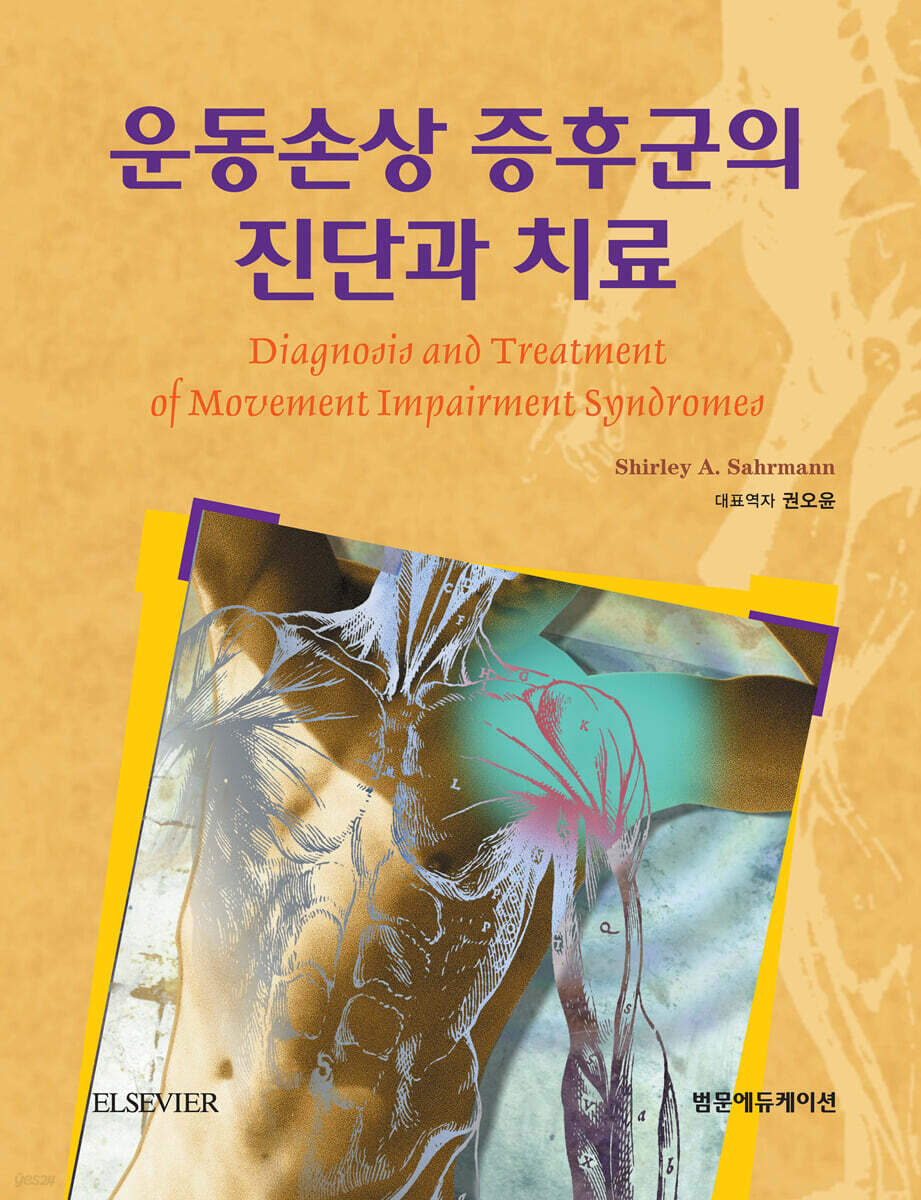
Diagnosis and treatment of exercise-related injury syndrome
 |
Description
Book Introduction
This book develops a logic for finding the cause of exercise injuries using new concepts, breaking away from theories and concepts of the past, so some parts may be difficult or challenging for readers who are encountering these theories for the first time.
However, if you learn new theories and understand the concept of movement system balance theory, it is a useful book that can help you find the cause of movement impairment, diagnose it, and then provide treatment methods based on the diagnosis to the patient.
However, if you learn new theories and understand the concept of movement system balance theory, it is a useful book that can help you find the cause of movement impairment, diagnose it, and then provide treatment methods based on the diagnosis to the patient.
- You can preview some of the book's contents.
Preview
index
Translator's Preface ..........................................................................................iii
Preface .................................................................................................................
v
Preface ............................................................................................................vii
Acknowledgements .........................................................................................xi
CHAPTER 1
Introduction ...................................................................................................
1
Development of the movement system balance concept ........................
1
Era 1: Focused on dysfunction of the peripheral neuromuscular and musculoskeletal systems.........
1
Era 2: Focus on central nervous system dysfunction .................................
2
Era 3: Focus on Joint Dysfunction .................................................
2
Current Era: Focus on the Athletics ..................................................................
3
The basic premise is that exercise causes pain syndromes.
Underlying premise of movement as a cause of pain syndromes .............
4
Overview ...............................................................................................................
4
Concepts and Principles .....................................................................................................
4
Movement impairment syndromes ........................................................
5
Definition .................................................................................................................
5
Diagnosis and Management .....................................................................................
6
Damaged structure ................................................................................................
7
Mediation-based treatment approaches ................................................................
7
Finding the cause and comparing symptom reduction ...........................................................
8
Need for classification .............................................................................
8
Chapter 2
Concepts and Principles of Movement ......................................
11
Kinesiologic model ................................................................................................
11
Model composition ................................................................................................
11
Clinical relevance of the model ..................................................................
12
Pathokinesiologic model ......................................................................
13
Model composition ................................................................................................
13
Clinical relevance of the model ..................................................................
13
Kinesiopathologic model .....................................................................
14
Model logic ................................................................................................
14
Clinical relevance of the model ..................................................................
16
Base element impairments of the muscular system ...............................
19
Strength ................................................................................................................
19
Muscle length .......................................................................................................
23
Case Presentation 1 .....................................................................................
23
Case Presentation 2 ................................................................................................
25
Case Presentation 3 ................................................................................................
28
Case Presentation 4 .....................................................................................
31
Explanation of Figure 2-21 ...................................................................
37
Damage to the fundamental elements of the skeletal system: structural alterations of joint alignment
Base element impairments of the skeletal system: structural variations in joint alignment ................................................................................................
38
Hip Joint Dedication ................................................................................................
38
Case presentation ................................................................................................
39
Hip joint pain ................................................................................................
39
Modular element impairments of the nervous system ..........................
40
Changes in mobilization patterns ..........................................................................
40
Changes in the dominant pattern of mobilization of collaborators ........................................
40
Mobilization and relative flexibility ..................................................................
45
Centrifugal contraction pattern ..........................................................................
46
Biomechanical element impairments ...................................................
47
Statics: Effects of Gravity ................................................................................
47
Dynamics: The relationship between motion and the forces that produce the motion .......................
50
Kinesiology: The Art of Body Movement .................................................
50
Impairment of kinematics and joint function .................................................
51
Application of a kinesiology model to patellofemoral joint dysfunction.........
52
Multiple impairments of the components of movement .......................
53
Case presentation ................................................................................................
53
Support element impairments .............................................................
55
Summary ..............................................................................................................
55
CHAPTER 3
Movement Impairment Syndromes of the Lumbar Spine .......
59
Introduction ........................................................................................................
59
Normal alignment of the lumbar spine .................................................
60
Standing posture ...........................................................................................
60
Sitting posture .......................................................................................................
64
Motions of the lumbar spine ................................................................
66
Instantaneous rotation center path ........................................................................
66
Flexion: Forward flexion ................................................................................
67
Return from the bend .......................................................................
69
Temple ................................................................................................................
69
Rotation ................................................................................................................
70
External flexion or side bending .................................................
72
Transitional movement ................................................................................................
72
Pressure ................................................................................................................
73
Summary ................................................................................................................
73
Muscular actions of the lumbar spine ...................................................
74
Dorsal muscles ................................................................................................
74
Abs ................................................................................................................
78
Summary ................................................................................................................
83
Movement impairment syndromes of the low back ..............................
84
Lumbar rotational extension syndrome with or without radiating symptoms ...............
84
Case Presentation 1 .....................................................................................
96
Case Presentation 2 ................................................................................................
99
Lumbar spondylosis syndrome .........................................................................
101
Case presentation ................................................................................................
104
Lumbar rotation syndrome .........................................................................
107
Case presentation ................................................................................................
111
Lumbar rotator cuff syndrome .................................................................
112
Case presentation ................................................................................................
115
Lumbar flexion syndrome .........................................................................
118
Case presentation ................................................................................................
121
Ceiling malfunction .............................................................................
123
Pressure ..............................................................................................................
124
Additional Considerations .....................................................................
124
Appendix ...........................................................................................................
128
Lumbar flexion syndrome .........................................................................
128
Lumbar spondylosis syndrome .........................................................................
130
Lumbar rotation syndrome .........................................................................
132
Lumbar rotator cuff syndrome .................................................................
134
Lumbar rotational extension syndrome .................................................................
136
Chapter 4
Movement Impairment Syndromes of the Hip .......................
139
Introduction ......................................................................................................
139
Normal alignment of the hip ..............................................................
140
Pelvis ................................................................................................................
140
hip joint ..........................................................................................
142
Knee joint ..........................................................................................
148
foot ..................................................................................................
150
Motions of the hip joint ......................................................................
153
Pelvic movement .............................................................................
153
Hip joint movement .............................................................................
153
Accessory movements of the hip joint ................................................................
154
Muscular actions of the hip .................................................................
154
Anterior trunk muscles acting on the pelvis ................................................
154
Posterior muscles acting on the pelvis ......................................................
155
Anterior muscles acting on the hip joint ................................................
155
Posterior muscles acting on the hip joint ................................................
156
Medial muscles acting on the hip joint ................................................
157
Anterior muscles acting on the hip and knee joints ..................................
158
Posterior muscles acting on the hip and knee joints ..................................
158
Hind leg muscles acting on the knee and ankle joints ..............................
159
Forelimb muscles acting on the ankle joint .................................................
160
Lateral leg muscles acting on the foot ..................................................
161
The muscles of the back of the leg that act on the foot ................................................
161
Muscles attached to the foot ........................................................................
162
Muscle and exercise injuries ........................................................................
162
Hip Impairment Syndrome ................................................................
164
Anterior femoral glide syndrome .................................................................
164
Case Presentation 1 ...................................................................................
168
Case Presentation 2 ...................................................................................
170
Anterior thigh glide syndrome with external rotation .................................
172
Case presentation ................................................................................................
173
Hip adduction syndrome .................................................................................
175
Case Presentation 1 ...................................................................................
177
Case Presentation 2 ...................................................................................
179
Case Presentation 3 ...................................................................................
180
Hip extension syndrome with patellar flexion .............................
183
Case presentation ................................................................................................
185
Hip external rotation syndrome ................................................................
186
Case presentation ................................................................................................
187
Femoral accessory motion hypermobility ........................................................
189
Case presentation ................................................................................................
190
Femoral hypomobility with upward glide .................................
191
Case presentation ................................................................................................
193
Lateral femoral glide syndrome with shortening of the tibia ...............................
194
Case presentation ................................................................................................
196
conclusion ..............................................................................................
198
Appendix ...........................................................................................................
200
Anterior femoral glide syndrome without internal rotation .................................................
200
Anterior femoral glide syndrome with internal rotation .................................
202
Anterior thigh glide syndrome with external rotation .................................
204
Hip adduction syndrome without internal rotation ...........................................
206
Hip adduction syndrome with internal rotation ................................................
208
Lateral femoral glide syndrome .................................................................
210
Hip extension with knee extension ...........................................
212
Hip extension with internal rotation ................................................................
214
Femoral hypomobility syndrome with supraspinatus ..............................
216
Femoral accessory hypermobility syndrome .................................................
218
Hip external rotation syndrome ................................................................
220
CHAPTER 5
Movement Impairment Syndromes of the Shoulder Girdle ..
223
Introduction ......................................................................................................
223
Normal alignment of the shoulder girdle .................................................
224
shoulder ..............................................................................................
225
Scapula ..........................................................................................
225
Humerus ..........................................................................................
228
Thoracic spine ................................................................................................................
230
Motions of the shoulder girdle .................................................................
230
Terminology for shoulder girdle movements ...........................................................
230
Shoulder girdle movement patterns ........................................................................
233
Muscular actions of the shoulder girdle ..............................................
237
Thoracoscapular muscles .................................................................................
237
Thoracohumeral muscles .................................................................................
242
scapula humerus ..................................................................................
243
Movement impairment syndromes of the scapula ..............................
248
The relationship between alignment and movement ................................................................
248
Criteria for the diagnosis of scapular syndrome ................................................
249
Scapular syndrome by observed incidence ..................................
249
Case Presentation 1 ...................................................................................
254
Case Presentation 2 ...................................................................................
256
Case Presentation 3 ...................................................................................
259
Case Presentation 4 ...................................................................................
262
Movement impairment syndromes of the humerus .............................
263
The relationship between alignment and movement ................................................................
263
Criteria for the diagnosis of humeral syndrome ...........................................
264
Order of incidence of observed humeral syndromes ..............................
264
Case Presentation 1 ...................................................................................
266
Case Presentation 2 ...................................................................................
269
Case Presentation 3 ...................................................................................
273
Case Presentation 4 ...................................................................................
277
Summary ............................................................................................................
278
Appendix ...........................................................................................................
280
Scapular Downward Rotation Syndrome .............................................................
280
Scapular depression .................................................................................
282
Scapular Abduction Syndrome ..................................................................
284
Scapular Winging and Tilt Syndrome .................................................................
286
Anterior glide of the humerus syndrome .............................................................
288
Humeral supraspinatus syndrome .............................................................
290
Shoulder internal rotation syndrome ................................................................
292
Hypomobility syndrome of the glenohumeral joint .................................................
294
Chapter 6
Lower and Upper Quarter Movement Impairment Examinations .............................................................................
297
Introduction ......................................................................................................
297
Motor impairment: lower quarter examination ................................................................
298
Gait ...................................................................................................................
352
Sports Impairment: Lower Quarter Examination Checklist ................................................................
354
Sports injuries: upper quarter examination ................................................................
362
Sports Injuries: Upper Quarter Examination Checklist ................................................................
396
Chapter 7
Corrective Exercises: Purposes and Special Considerations ..
401
Introduction ......................................................................................................
401
Standing exercises ................................................................................................
402
Forward bend (flattening the lower back and flexing the hips) .......................
402
Bending forward (spinal and hip flexion) ................................
403
Lateral spinal flexion (lateral flexion posture) .................................................
403
Standing on one leg (one hip and knee flexion) ..............................
404
Keeping your torso upright, flex your hips and knees through a limited range (small squats) ................................................................................
405
Supine exercises .................................................................................................
405
Hip flexor stretch (maximally flex the opposite hip and knee and extend the opposite hip and knee) ................................................
405
Controlling the pelvis while exercising the lower extremities (hip and knee flexion to hip and knee extension) ..............................................................
406
Gluteus maximus extension (hip and knee flexion in hip and knee extension positions) .........................................................................
406
Gluteus maximus extension (hip and knee flexion from hip and knee extension position) .........................................................................
406
Sweeping the heel from the hip and knee flexion, hip and knee extension positions ................................................................................
407
Lower Abdominal Muscle Exercise Progress ........................................................................
407
Bend your torso and raise your body (strengthens upper abdominal muscles) .................................
410
Hip abduction/external rotation in hip flexion position .................................
412
Hip flexion (hip flexion with knee extension) ..................
413
Hip flexor extension (two joints) .................................................
414
Stretching of the latissimus dorsi and scapulohumeral muscles (shoulder flexion/elevation with elbow extension) .................
415
Shoulder abduction .................................................................................
416
Shoulder joint abduction with the elbow flexed and externally rotated .........................
416
Shoulder joint rotation .................................................................................
416
Pectoralis minor stretch .................................................................................
418
Side-lying exercises (lower extremity) ................................................
418
Hip external rotation .............................................................................
418
Maintain external rotation, hip abduction without external rotation ........................
419
Tensor fascia lata - Iliotibial band extension .................................................
420
Hip adduction for strength gains ..................................................
420
Side-lying exercises (upper extremity) ................................................
421
Shoulder flexion, external rotation, scapular adduction ................................................
421
Scapular abduction and upward rotation ................................................................
421
Prone exercises (lower extremity) .......................................................
422
Knee flexion ................................................................................................
422
Hip rotation .................................................................................................
422
Hip extension in knee extension state ...........................................
423
Hip extension with knee flexion ...........................................
423
Hip abduction ................................................................................
424
Isometric hip external rotation with bilateral hip abduction and knee flexion ................................................................................................
424
Isometric gluteus maximus contraction ..................................................................
425
Prone exercises (upper extremity) ......................................................
425
Activation of the dorsal extensor muscles (shoulder joint flexion to induce activation of the dorsal extensor muscles) .................................................................
425
Shoulder flexion .................................................................................
425
Progression of levator scapulae exercise ........................................................................
425
Shoulder joint rotation .................................................................................
426
Quadruped exercise ...........................................................................................
427
Locking in quadruped position .............................................................
427
Movement of the limbs in the quadrupedal posture ...........................................
429
Hip extension .................................................................................................
429
Hip and knee extension with shoulder joint flexed .................................
430
Cervical flexion and extension ........................................................................
430
Cervical rotation exercise .............................................................................
431
Sitting exercises .................................................................................................
431
Knee extension and ankle dorsiflexion ...............................................
431
Hip flexion .................................................................................
432
Standing exercises ................................................................................................
433
Shoulder flexion (back against wall) .................................................
433
Shoulder abduction (back against wall) ................................................
434
Shoulder flexion (back to wall and other exercises) .................................
435
Shoulder abduction (trapezius exercise while facing a wall) ...............................
436
Walking exercises .................................................................................................
436
Control of internal rotation of the hip and knee joints .................................................
436
Prevention of hyperextension of the knee joint .................................................................
437
Restriction of knee joint rotation ........................................................................
438
Ankle plantar flexion .................................................................................
438
CHAPTER 8
Exercises to Correct Movement Impairment Syndromes ......
439
Browse Index ..................................................................................................................
487
Preface .................................................................................................................
v
Preface ............................................................................................................vii
Acknowledgements .........................................................................................xi
CHAPTER 1
Introduction ...................................................................................................
1
Development of the movement system balance concept ........................
1
Era 1: Focused on dysfunction of the peripheral neuromuscular and musculoskeletal systems.........
1
Era 2: Focus on central nervous system dysfunction .................................
2
Era 3: Focus on Joint Dysfunction .................................................
2
Current Era: Focus on the Athletics ..................................................................
3
The basic premise is that exercise causes pain syndromes.
Underlying premise of movement as a cause of pain syndromes .............
4
Overview ...............................................................................................................
4
Concepts and Principles .....................................................................................................
4
Movement impairment syndromes ........................................................
5
Definition .................................................................................................................
5
Diagnosis and Management .....................................................................................
6
Damaged structure ................................................................................................
7
Mediation-based treatment approaches ................................................................
7
Finding the cause and comparing symptom reduction ...........................................................
8
Need for classification .............................................................................
8
Chapter 2
Concepts and Principles of Movement ......................................
11
Kinesiologic model ................................................................................................
11
Model composition ................................................................................................
11
Clinical relevance of the model ..................................................................
12
Pathokinesiologic model ......................................................................
13
Model composition ................................................................................................
13
Clinical relevance of the model ..................................................................
13
Kinesiopathologic model .....................................................................
14
Model logic ................................................................................................
14
Clinical relevance of the model ..................................................................
16
Base element impairments of the muscular system ...............................
19
Strength ................................................................................................................
19
Muscle length .......................................................................................................
23
Case Presentation 1 .....................................................................................
23
Case Presentation 2 ................................................................................................
25
Case Presentation 3 ................................................................................................
28
Case Presentation 4 .....................................................................................
31
Explanation of Figure 2-21 ...................................................................
37
Damage to the fundamental elements of the skeletal system: structural alterations of joint alignment
Base element impairments of the skeletal system: structural variations in joint alignment ................................................................................................
38
Hip Joint Dedication ................................................................................................
38
Case presentation ................................................................................................
39
Hip joint pain ................................................................................................
39
Modular element impairments of the nervous system ..........................
40
Changes in mobilization patterns ..........................................................................
40
Changes in the dominant pattern of mobilization of collaborators ........................................
40
Mobilization and relative flexibility ..................................................................
45
Centrifugal contraction pattern ..........................................................................
46
Biomechanical element impairments ...................................................
47
Statics: Effects of Gravity ................................................................................
47
Dynamics: The relationship between motion and the forces that produce the motion .......................
50
Kinesiology: The Art of Body Movement .................................................
50
Impairment of kinematics and joint function .................................................
51
Application of a kinesiology model to patellofemoral joint dysfunction.........
52
Multiple impairments of the components of movement .......................
53
Case presentation ................................................................................................
53
Support element impairments .............................................................
55
Summary ..............................................................................................................
55
CHAPTER 3
Movement Impairment Syndromes of the Lumbar Spine .......
59
Introduction ........................................................................................................
59
Normal alignment of the lumbar spine .................................................
60
Standing posture ...........................................................................................
60
Sitting posture .......................................................................................................
64
Motions of the lumbar spine ................................................................
66
Instantaneous rotation center path ........................................................................
66
Flexion: Forward flexion ................................................................................
67
Return from the bend .......................................................................
69
Temple ................................................................................................................
69
Rotation ................................................................................................................
70
External flexion or side bending .................................................
72
Transitional movement ................................................................................................
72
Pressure ................................................................................................................
73
Summary ................................................................................................................
73
Muscular actions of the lumbar spine ...................................................
74
Dorsal muscles ................................................................................................
74
Abs ................................................................................................................
78
Summary ................................................................................................................
83
Movement impairment syndromes of the low back ..............................
84
Lumbar rotational extension syndrome with or without radiating symptoms ...............
84
Case Presentation 1 .....................................................................................
96
Case Presentation 2 ................................................................................................
99
Lumbar spondylosis syndrome .........................................................................
101
Case presentation ................................................................................................
104
Lumbar rotation syndrome .........................................................................
107
Case presentation ................................................................................................
111
Lumbar rotator cuff syndrome .................................................................
112
Case presentation ................................................................................................
115
Lumbar flexion syndrome .........................................................................
118
Case presentation ................................................................................................
121
Ceiling malfunction .............................................................................
123
Pressure ..............................................................................................................
124
Additional Considerations .....................................................................
124
Appendix ...........................................................................................................
128
Lumbar flexion syndrome .........................................................................
128
Lumbar spondylosis syndrome .........................................................................
130
Lumbar rotation syndrome .........................................................................
132
Lumbar rotator cuff syndrome .................................................................
134
Lumbar rotational extension syndrome .................................................................
136
Chapter 4
Movement Impairment Syndromes of the Hip .......................
139
Introduction ......................................................................................................
139
Normal alignment of the hip ..............................................................
140
Pelvis ................................................................................................................
140
hip joint ..........................................................................................
142
Knee joint ..........................................................................................
148
foot ..................................................................................................
150
Motions of the hip joint ......................................................................
153
Pelvic movement .............................................................................
153
Hip joint movement .............................................................................
153
Accessory movements of the hip joint ................................................................
154
Muscular actions of the hip .................................................................
154
Anterior trunk muscles acting on the pelvis ................................................
154
Posterior muscles acting on the pelvis ......................................................
155
Anterior muscles acting on the hip joint ................................................
155
Posterior muscles acting on the hip joint ................................................
156
Medial muscles acting on the hip joint ................................................
157
Anterior muscles acting on the hip and knee joints ..................................
158
Posterior muscles acting on the hip and knee joints ..................................
158
Hind leg muscles acting on the knee and ankle joints ..............................
159
Forelimb muscles acting on the ankle joint .................................................
160
Lateral leg muscles acting on the foot ..................................................
161
The muscles of the back of the leg that act on the foot ................................................
161
Muscles attached to the foot ........................................................................
162
Muscle and exercise injuries ........................................................................
162
Hip Impairment Syndrome ................................................................
164
Anterior femoral glide syndrome .................................................................
164
Case Presentation 1 ...................................................................................
168
Case Presentation 2 ...................................................................................
170
Anterior thigh glide syndrome with external rotation .................................
172
Case presentation ................................................................................................
173
Hip adduction syndrome .................................................................................
175
Case Presentation 1 ...................................................................................
177
Case Presentation 2 ...................................................................................
179
Case Presentation 3 ...................................................................................
180
Hip extension syndrome with patellar flexion .............................
183
Case presentation ................................................................................................
185
Hip external rotation syndrome ................................................................
186
Case presentation ................................................................................................
187
Femoral accessory motion hypermobility ........................................................
189
Case presentation ................................................................................................
190
Femoral hypomobility with upward glide .................................
191
Case presentation ................................................................................................
193
Lateral femoral glide syndrome with shortening of the tibia ...............................
194
Case presentation ................................................................................................
196
conclusion ..............................................................................................
198
Appendix ...........................................................................................................
200
Anterior femoral glide syndrome without internal rotation .................................................
200
Anterior femoral glide syndrome with internal rotation .................................
202
Anterior thigh glide syndrome with external rotation .................................
204
Hip adduction syndrome without internal rotation ...........................................
206
Hip adduction syndrome with internal rotation ................................................
208
Lateral femoral glide syndrome .................................................................
210
Hip extension with knee extension ...........................................
212
Hip extension with internal rotation ................................................................
214
Femoral hypomobility syndrome with supraspinatus ..............................
216
Femoral accessory hypermobility syndrome .................................................
218
Hip external rotation syndrome ................................................................
220
CHAPTER 5
Movement Impairment Syndromes of the Shoulder Girdle ..
223
Introduction ......................................................................................................
223
Normal alignment of the shoulder girdle .................................................
224
shoulder ..............................................................................................
225
Scapula ..........................................................................................
225
Humerus ..........................................................................................
228
Thoracic spine ................................................................................................................
230
Motions of the shoulder girdle .................................................................
230
Terminology for shoulder girdle movements ...........................................................
230
Shoulder girdle movement patterns ........................................................................
233
Muscular actions of the shoulder girdle ..............................................
237
Thoracoscapular muscles .................................................................................
237
Thoracohumeral muscles .................................................................................
242
scapula humerus ..................................................................................
243
Movement impairment syndromes of the scapula ..............................
248
The relationship between alignment and movement ................................................................
248
Criteria for the diagnosis of scapular syndrome ................................................
249
Scapular syndrome by observed incidence ..................................
249
Case Presentation 1 ...................................................................................
254
Case Presentation 2 ...................................................................................
256
Case Presentation 3 ...................................................................................
259
Case Presentation 4 ...................................................................................
262
Movement impairment syndromes of the humerus .............................
263
The relationship between alignment and movement ................................................................
263
Criteria for the diagnosis of humeral syndrome ...........................................
264
Order of incidence of observed humeral syndromes ..............................
264
Case Presentation 1 ...................................................................................
266
Case Presentation 2 ...................................................................................
269
Case Presentation 3 ...................................................................................
273
Case Presentation 4 ...................................................................................
277
Summary ............................................................................................................
278
Appendix ...........................................................................................................
280
Scapular Downward Rotation Syndrome .............................................................
280
Scapular depression .................................................................................
282
Scapular Abduction Syndrome ..................................................................
284
Scapular Winging and Tilt Syndrome .................................................................
286
Anterior glide of the humerus syndrome .............................................................
288
Humeral supraspinatus syndrome .............................................................
290
Shoulder internal rotation syndrome ................................................................
292
Hypomobility syndrome of the glenohumeral joint .................................................
294
Chapter 6
Lower and Upper Quarter Movement Impairment Examinations .............................................................................
297
Introduction ......................................................................................................
297
Motor impairment: lower quarter examination ................................................................
298
Gait ...................................................................................................................
352
Sports Impairment: Lower Quarter Examination Checklist ................................................................
354
Sports injuries: upper quarter examination ................................................................
362
Sports Injuries: Upper Quarter Examination Checklist ................................................................
396
Chapter 7
Corrective Exercises: Purposes and Special Considerations ..
401
Introduction ......................................................................................................
401
Standing exercises ................................................................................................
402
Forward bend (flattening the lower back and flexing the hips) .......................
402
Bending forward (spinal and hip flexion) ................................
403
Lateral spinal flexion (lateral flexion posture) .................................................
403
Standing on one leg (one hip and knee flexion) ..............................
404
Keeping your torso upright, flex your hips and knees through a limited range (small squats) ................................................................................
405
Supine exercises .................................................................................................
405
Hip flexor stretch (maximally flex the opposite hip and knee and extend the opposite hip and knee) ................................................
405
Controlling the pelvis while exercising the lower extremities (hip and knee flexion to hip and knee extension) ..............................................................
406
Gluteus maximus extension (hip and knee flexion in hip and knee extension positions) .........................................................................
406
Gluteus maximus extension (hip and knee flexion from hip and knee extension position) .........................................................................
406
Sweeping the heel from the hip and knee flexion, hip and knee extension positions ................................................................................
407
Lower Abdominal Muscle Exercise Progress ........................................................................
407
Bend your torso and raise your body (strengthens upper abdominal muscles) .................................
410
Hip abduction/external rotation in hip flexion position .................................
412
Hip flexion (hip flexion with knee extension) ..................
413
Hip flexor extension (two joints) .................................................
414
Stretching of the latissimus dorsi and scapulohumeral muscles (shoulder flexion/elevation with elbow extension) .................
415
Shoulder abduction .................................................................................
416
Shoulder joint abduction with the elbow flexed and externally rotated .........................
416
Shoulder joint rotation .................................................................................
416
Pectoralis minor stretch .................................................................................
418
Side-lying exercises (lower extremity) ................................................
418
Hip external rotation .............................................................................
418
Maintain external rotation, hip abduction without external rotation ........................
419
Tensor fascia lata - Iliotibial band extension .................................................
420
Hip adduction for strength gains ..................................................
420
Side-lying exercises (upper extremity) ................................................
421
Shoulder flexion, external rotation, scapular adduction ................................................
421
Scapular abduction and upward rotation ................................................................
421
Prone exercises (lower extremity) .......................................................
422
Knee flexion ................................................................................................
422
Hip rotation .................................................................................................
422
Hip extension in knee extension state ...........................................
423
Hip extension with knee flexion ...........................................
423
Hip abduction ................................................................................
424
Isometric hip external rotation with bilateral hip abduction and knee flexion ................................................................................................
424
Isometric gluteus maximus contraction ..................................................................
425
Prone exercises (upper extremity) ......................................................
425
Activation of the dorsal extensor muscles (shoulder joint flexion to induce activation of the dorsal extensor muscles) .................................................................
425
Shoulder flexion .................................................................................
425
Progression of levator scapulae exercise ........................................................................
425
Shoulder joint rotation .................................................................................
426
Quadruped exercise ...........................................................................................
427
Locking in quadruped position .............................................................
427
Movement of the limbs in the quadrupedal posture ...........................................
429
Hip extension .................................................................................................
429
Hip and knee extension with shoulder joint flexed .................................
430
Cervical flexion and extension ........................................................................
430
Cervical rotation exercise .............................................................................
431
Sitting exercises .................................................................................................
431
Knee extension and ankle dorsiflexion ...............................................
431
Hip flexion .................................................................................
432
Standing exercises ................................................................................................
433
Shoulder flexion (back against wall) .................................................
433
Shoulder abduction (back against wall) ................................................
434
Shoulder flexion (back to wall and other exercises) .................................
435
Shoulder abduction (trapezius exercise while facing a wall) ...............................
436
Walking exercises .................................................................................................
436
Control of internal rotation of the hip and knee joints .................................................
436
Prevention of hyperextension of the knee joint .................................................................
437
Restriction of knee joint rotation ........................................................................
438
Ankle plantar flexion .................................................................................
438
CHAPTER 8
Exercises to Correct Movement Impairment Syndromes ......
439
Browse Index ..................................................................................................................
487
Detailed image
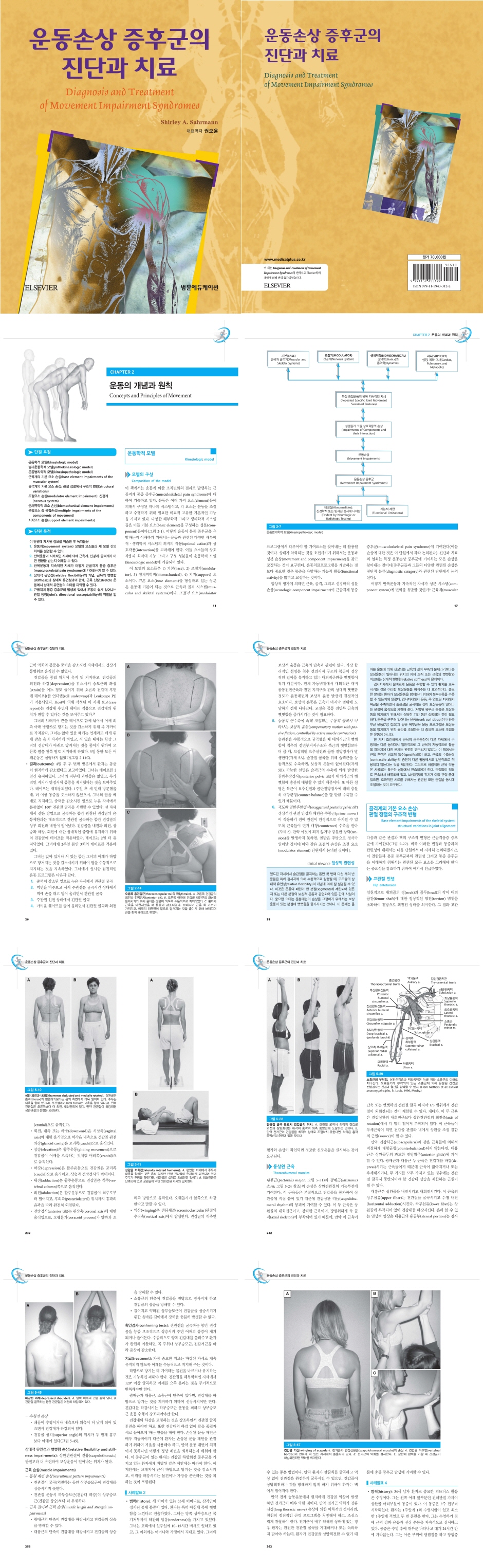
GOODS SPECIFICS
- Publication date: August 25, 2022
- Format: Hardcover book binding method guide
- Page count, weight, size: 520 pages | 215*275*35mm
- ISBN13: 9791159433122
- ISBN10: 1159433127
You may also like
카테고리
korean


korean

![GQ KOREA Mark (Monthly): December [2025]](http://librairie.coreenne.fr/cdn/shop/files/8ef265dbbfbf186523ed75ba7319009d.jpg?v=1765340328&width=3840)


