

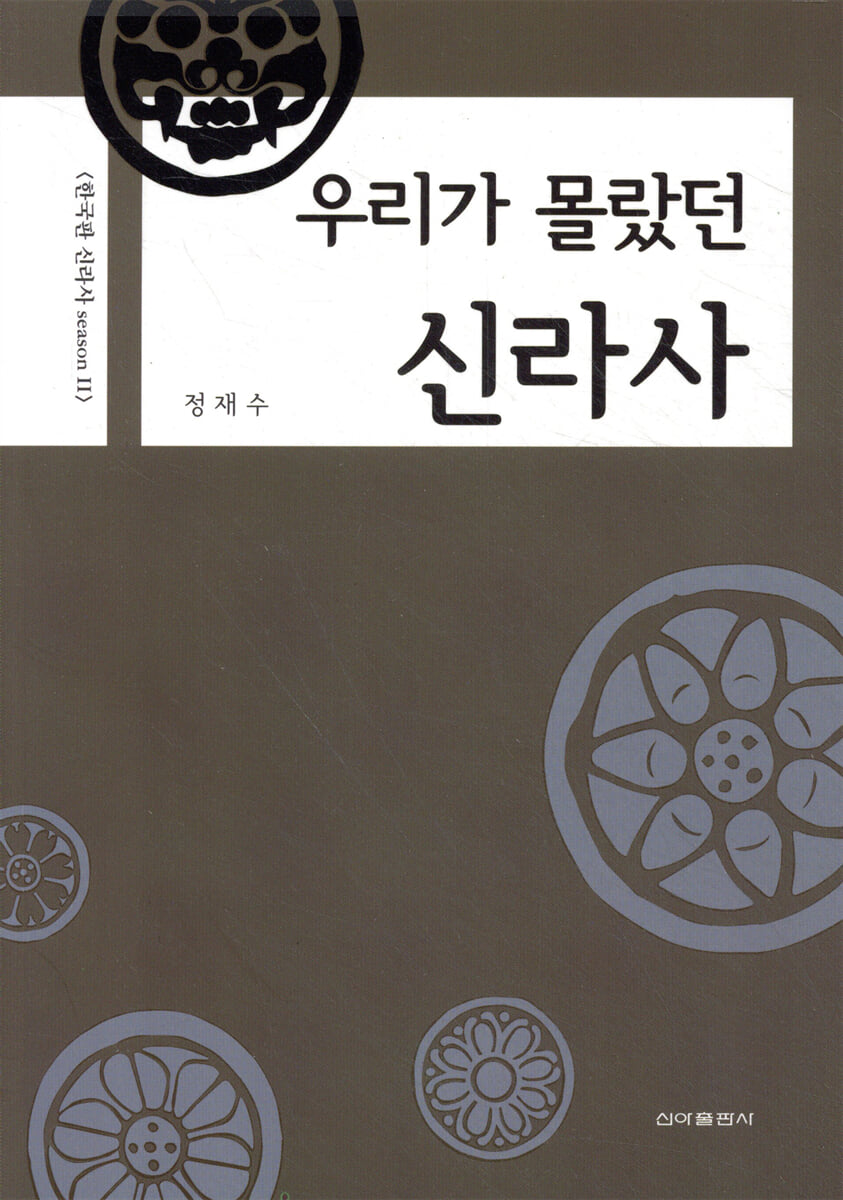
The history of Silla that we didn't know
 |
Description
Book Introduction
The Path to the Abyss of Silla History - "The History of Silla We Didn't Know"
Author Jeong Jae-su's "The History of Silla We Didn't Know" (Shin-A Publishing) is a book that directly asks questions that have long been lingering in existing research on Silla history, and presents new answers through new historical materials.
The author, who started from the awareness that the narratives in the Samguk Sagi, which we are familiar with, do not fully represent the history of Silla, comprehensively introduces the Namdang manuscript materials copied by Namdang Park Chang-hwa.
The book directly addresses four of the most misunderstood issues in understanding Silla history: the timing of the Park Dynasty's entry into Gyeongju, the unification of the Kim Dynasty's lineage, the existence and character of the queen, and the question of the buried person in the Daereungwon Tombs.
The author does not stop at simply introducing the theory, but cites various original texts to specifically explain “why we cannot help but see it that way.”
For example, unlike the various theories in the academic world regarding the owner of the Hwangnamdaechong Tomb in Daereungwon, such as King Naemul, King Silseong, and King Nulji, the 『Silla Sacho』 and 『Sangjangdonjang』 present more specific candidates for the buried person.
An interesting point is the perspective on Silla's political system.
If the existing general theory is that it is a male-centered single monarchy, the author focuses on the actual power of the queen (Zi Huang).
Rather than viewing Queen Seondeok and Queen Jindeok as special exceptions, the existence of female monarchs in records, such as Aihye and Gwangmyeong, emphasizes that Silla had a unique ruling system in which male kings and queens intersected and coexisted.
This reveals the difference from Goguryeo and Baekje, and presents a new landscape for Silla history.
Author Jeong Jae-su's "The History of Silla We Didn't Know" (Shin-A Publishing) is a book that directly asks questions that have long been lingering in existing research on Silla history, and presents new answers through new historical materials.
The author, who started from the awareness that the narratives in the Samguk Sagi, which we are familiar with, do not fully represent the history of Silla, comprehensively introduces the Namdang manuscript materials copied by Namdang Park Chang-hwa.
The book directly addresses four of the most misunderstood issues in understanding Silla history: the timing of the Park Dynasty's entry into Gyeongju, the unification of the Kim Dynasty's lineage, the existence and character of the queen, and the question of the buried person in the Daereungwon Tombs.
The author does not stop at simply introducing the theory, but cites various original texts to specifically explain “why we cannot help but see it that way.”
For example, unlike the various theories in the academic world regarding the owner of the Hwangnamdaechong Tomb in Daereungwon, such as King Naemul, King Silseong, and King Nulji, the 『Silla Sacho』 and 『Sangjangdonjang』 present more specific candidates for the buried person.
An interesting point is the perspective on Silla's political system.
If the existing general theory is that it is a male-centered single monarchy, the author focuses on the actual power of the queen (Zi Huang).
Rather than viewing Queen Seondeok and Queen Jindeok as special exceptions, the existence of female monarchs in records, such as Aihye and Gwangmyeong, emphasizes that Silla had a unique ruling system in which male kings and queens intersected and coexisted.
This reveals the difference from Goguryeo and Baekje, and presents a new landscape for Silla history.
index
chapter1.
The boundary between myth and history
National Foundation Myth and Park Hyeokgeose 16
┃Misunderstandings and Truths about Gyeongju, the Millennial Capital┃Queen Paso, the Mother of the Nation, Seondosan Mountain┃
┃Understanding the Mythological System of the Founding Ancestors┃A New Interpretation of the Founding Ancestor, Park Hyeokgeose Geoseogan┃
King Namhae of Baekje 34
┃Namhae King from Baekje┃Isageum Wangho and King Yuri┃Naro King, who was omitted from the early Silla royal lineage┃
Saroguk and Seoktalhae 45
┃Seok Talhae, the founder of Saroguk┃The reason Seok Talhae attempted to enter Geumgwan Gara┃
┃Seok Talhae's birthplace, Dapana Kingdom┃The mystery of Kim Alji, the founder of the Kim Dynasty┃The authenticity of King Seok Talhae's tomb┃
Chapter 2.
The Park Dynasty, the new rulers of Gyeongju
King Pasa, who ushered in the Gyeongju era, 62
┃The Gyeongju Era and King Pasa┃King Pasa and the Japanese Archipelago of Dapana┃King Jima Turns His Head South┃
King Ilseong of Caucasian bloodline 73
┃King Ilseong meets the Northern Malgal ┃The Gilseon Baekje Exile Incident and King Adalla ┃
┃King Ilseong and King Adalla, who received Western blood┃The land of the tale of Yeonorang and Seonyeo┃
┃The Wa queen who dispatched an envoy to Silla┃
Park Dynasty Tomb, Saryeongwon 88
┃Park Royal Family Cemetery, Saryeongwon and the Grave Owners┃
Chapter 3.
The quiet course of the Seok Dynasty
Kings of the First Half of the Seok Dynasty 96
┃King Beolhyu and the Jinja Naerye┃The conflict between King Beolhyu and Kim Gu-do┃Jomun, the first ancient state on the Korean Peninsula┃
┃The clash between the King of Naehae and the eight countries of Bosang┃The conquest of the King of Jobun and the Gammun and Golbeol countries┃
┃The Wuhuan tribe, a northern nomadic people who founded Silla┃Records of natural disasters and celestial phenomena by King Cheomhae┃
King Michu of the Wuhuan tribe, 121
┃The Mystery of King Michu's Birth┃Queen Okmo Approves King Michu's Ascension to the Throne┃King Michu Eliminates Seokwooro┃
┃The Bamboo Leaves of the Michuwangneung Royal Tomb and the Fall of the Iseo Kingdom┃The Reality of the Michuwangneung Royal Tomb at Daereungwon in Gyeongju┃
Kings of the latter half of the Seok Dynasty 138
┃The Reality of Wa Encountered by King Yurye┃The Reason King Girim Was Incorporated into the Seok Dynasty┃
┃The historical reality of Queen Shingong's conquest of the Three Kingdoms┃Heulhae, who built the Byeokgolje Fortress in Gimje┃
┃Changes in Relations with Wa in the Later Period of the Seok Dynasty┃Silla Queens Who Led the Seok Dynasty┃
┃Tombs of Kings in the First Half of the Seok Dynasty┃Tombs of Kings in the Second Half of the Seok Dynasty┃
┃The protagonist of the tombs in the Daereungwon Gyerim District┃
Chapter 4.
Kim Dynasty bloodline conflict
King Naemul, the founder of the Seonbi lineage, 176
┃Kim Dynasty Royal Titles Maripgan and Maegeum┃The Truth and Fiction of King Naemul's Genealogy┃
┃King Naemul, a descendant of the Murong Xianbei clan┃The secret of the first dispatch of an envoy from the Central Plains Dynasty┃
┃King Naemul, who chose to subjugate Goguryeo┃The incident of King Gwanggaeto saving Silla (Ⅰ)┃
┃The Incident of King Gwanggaeto the Great's Salvation of Silla (Ⅱ)┃The Incident of King Gwanggaeto the Great's Salvation of Silla (Ⅲ)┃
┃Naemulwang's Tomb, Jeonmichuwangneung┃The owner of the tomb attached to Naemulwangneung┃
King Silseong, the legitimate heir of the Xiongnu lineage, 210
┃King Silseong's Genealogy and Various Names┃King Silseong's Secret of His Accession to the Throne┃King Silseong's Obsession with Revenge┃
┃The extreme conflict between King Silseong and Nulji┃King Silseong, who built the Pyongyang Bridge┃
┃In Search of King Silseong's Tomb┃Daereungwon Hwangnam District Tomb Owner┃
The first military coup, King Nulji 238
┃King Nulji's Military Coup d'état┃Park Je-sang, a Symbol of Patriotism and Loyalty┃King Nulji and the Silla-Baekje Marriage Alliance┃
┃Buddhist preacher Mukhoja┃King Nulji's tomb, Hwangnamdaechong┃Owner of tombs 90 and 99 in Daereungwon District
┃The owner of the tomb attached to King Nulji's Tomb (Hwangnamdaechong)┃Finding the owner of the Cheonmachong Tomb┃
┃The owner of the Houchong Tomb┃The owner of the Eunryeong Tomb is in a marital relationship with Houchong┃
Chapter 5.
Establishment of the Kim Dynasty
King Jabi, the price of construction 280
┃The lineage of King Jabi is in question┃King Jabi, the price of construction┃King Jabi's choice of King Jabi and King Nambeol┃
┃Bongwhangdae, the Tomb of King Mercy┃Tracking the Owner of the Geumnyeongchong Tomb┃
King of Instability in Stability 298
┃The name and genealogy of King Soji┃A visit to Silla by the old country┃Misunderstandings about Naeul Shrine┃
┃The Sa Geum Gap Incident and Myosim's Death┃The Marriage Alliance between King Soji and King Dongseong of Baekje┃
┃The Inside Story of King Soji's Crown Prince Replacement┃In Search of King Soji's Tomb┃Gold Crown Tomb and King Isaji┃
King Jijeung of the Bokho Lineage 328
┃Genealogy of King Jijeung┃Reestablishment of the national and royal titles of Silla┃Gonaegung, the origin of the five tomb rituals┃
┃Tomb of King Jijeung, Seobong Hwangdae┃Owner of Seobongchong Tomb┃Owner of David Tomb┃
┃Owner of graves No. 134 and 135 in the Nodongnoseo District┃Owner of graves No. 44 in the Joksam District┃
Chapter 6.
The grand dream of a Buddhist land
King Beopheung, the incarnation of Maitreya, 354
┃The various names and titles of King Beopheung┃King Beopheung's queens and crown princes┃Yangjikgongdogwa Diplomatic Project┃
┃The martyrdom of Lee Cha-don and the recognition of Buddhism┃The founding of Heungryunsa Temple and Yeongheungsa Temple┃The absorption of Geumgwan Gara┃
┃The Secret Code of the Inscription on the Ulju Cheonjeon-ri Stone┃Baekje Princess Jewel and Fruit┃
┃In Search of King Beopheung's Tomb┃
King Jinheung, the Conqueror, the Wheel-Turning King, 391
┃King Jinheung, the Conqueror┃Queen Regent Jiso┃The Battle of Gwansanseong Fortress that Determined Silla's Fate┃
┃Inside the 《Jinheungwang Sunsubi》┃Seondo, Wonhwa, and Hwarang┃Hwangnyongsa Temple and the Jangyuk Triad Buddha Statue┃
┃Conquest of Daegara┃Jinheung's Tomb and Seoak-dong Ancient Tombs┃
The yoke of the abolished king, King Jinji 428
┃The Deposed King Jinji┃The Tale of Dohwanyeo and Bihyeongrang┃Jinjiwangneung and Seondosan Tombs┃
King Jinpyeong of the Jinheung lineage, 437
┃Giant King Jinpyeong┃King Jinpyeong's Angel Jade Belt┃The Secret of the Namsanseong Stele in Gyeongju┃
┃The symbol of the Saekgong and Ma Bokja, Misil┃The treason of Chilsuk and Seokpum┃The flat tomb of King Jinpyeong┃
Chapter 7.
Queen's era and unification of the three kingdoms
Queen Seondeok and Queen Jindeok 462
┃The first queen included in the royal calendar┃Queen Seondeok's three loyal subjects┃The meaning behind the founding of Bunhwangsa Temple┃
┃The Light and Shadow of the Battle of Daeya Fortress┃The Symbol of the Nine-Story Pagoda of Hwangryongsa Temple┃The Truth Behind Cheomseongdae Observatory┃
┃The aftermath of Bidam's treason incident┃Queen Jindeok, the scarecrow┃Chitang's song of peace┃
┃The Tombs of Queen Seondeok and Queen Jindeok┃
King Taejong Muyeol, the founder of the true bone lineage, 502
┃King Taejong Muyeol, the founder of the True Bone Clan┃The Fall of Baekje and the Restoration Movement┃
┃The Mystery of King Muyeol's Assassination┃King Muyeol's Tomb in Seoak-dong Tombs┃
King Munmu completes the unification of the Three Kingdoms in 514
┃King Munmu, the first monarch of Unified Silla┃The conflicting fates of King Munmu and Buyeo Yung┃
┃The Fall of Goguryeo and the Restoration Movement┃The Expulsion of the Tang Dynasty and the Unification of the Three Kingdoms┃Inside the 《Monument to King Munmu》┃
┃King Munmu's patriotic spirit and relics┃King Heungmu Kim Yu-sin┃
supplement
■ [Appendix] Buried Persons in Major Silla Tombs in the Gyeongju Area|Find
The boundary between myth and history
National Foundation Myth and Park Hyeokgeose 16
┃Misunderstandings and Truths about Gyeongju, the Millennial Capital┃Queen Paso, the Mother of the Nation, Seondosan Mountain┃
┃Understanding the Mythological System of the Founding Ancestors┃A New Interpretation of the Founding Ancestor, Park Hyeokgeose Geoseogan┃
King Namhae of Baekje 34
┃Namhae King from Baekje┃Isageum Wangho and King Yuri┃Naro King, who was omitted from the early Silla royal lineage┃
Saroguk and Seoktalhae 45
┃Seok Talhae, the founder of Saroguk┃The reason Seok Talhae attempted to enter Geumgwan Gara┃
┃Seok Talhae's birthplace, Dapana Kingdom┃The mystery of Kim Alji, the founder of the Kim Dynasty┃The authenticity of King Seok Talhae's tomb┃
Chapter 2.
The Park Dynasty, the new rulers of Gyeongju
King Pasa, who ushered in the Gyeongju era, 62
┃The Gyeongju Era and King Pasa┃King Pasa and the Japanese Archipelago of Dapana┃King Jima Turns His Head South┃
King Ilseong of Caucasian bloodline 73
┃King Ilseong meets the Northern Malgal ┃The Gilseon Baekje Exile Incident and King Adalla ┃
┃King Ilseong and King Adalla, who received Western blood┃The land of the tale of Yeonorang and Seonyeo┃
┃The Wa queen who dispatched an envoy to Silla┃
Park Dynasty Tomb, Saryeongwon 88
┃Park Royal Family Cemetery, Saryeongwon and the Grave Owners┃
Chapter 3.
The quiet course of the Seok Dynasty
Kings of the First Half of the Seok Dynasty 96
┃King Beolhyu and the Jinja Naerye┃The conflict between King Beolhyu and Kim Gu-do┃Jomun, the first ancient state on the Korean Peninsula┃
┃The clash between the King of Naehae and the eight countries of Bosang┃The conquest of the King of Jobun and the Gammun and Golbeol countries┃
┃The Wuhuan tribe, a northern nomadic people who founded Silla┃Records of natural disasters and celestial phenomena by King Cheomhae┃
King Michu of the Wuhuan tribe, 121
┃The Mystery of King Michu's Birth┃Queen Okmo Approves King Michu's Ascension to the Throne┃King Michu Eliminates Seokwooro┃
┃The Bamboo Leaves of the Michuwangneung Royal Tomb and the Fall of the Iseo Kingdom┃The Reality of the Michuwangneung Royal Tomb at Daereungwon in Gyeongju┃
Kings of the latter half of the Seok Dynasty 138
┃The Reality of Wa Encountered by King Yurye┃The Reason King Girim Was Incorporated into the Seok Dynasty┃
┃The historical reality of Queen Shingong's conquest of the Three Kingdoms┃Heulhae, who built the Byeokgolje Fortress in Gimje┃
┃Changes in Relations with Wa in the Later Period of the Seok Dynasty┃Silla Queens Who Led the Seok Dynasty┃
┃Tombs of Kings in the First Half of the Seok Dynasty┃Tombs of Kings in the Second Half of the Seok Dynasty┃
┃The protagonist of the tombs in the Daereungwon Gyerim District┃
Chapter 4.
Kim Dynasty bloodline conflict
King Naemul, the founder of the Seonbi lineage, 176
┃Kim Dynasty Royal Titles Maripgan and Maegeum┃The Truth and Fiction of King Naemul's Genealogy┃
┃King Naemul, a descendant of the Murong Xianbei clan┃The secret of the first dispatch of an envoy from the Central Plains Dynasty┃
┃King Naemul, who chose to subjugate Goguryeo┃The incident of King Gwanggaeto saving Silla (Ⅰ)┃
┃The Incident of King Gwanggaeto the Great's Salvation of Silla (Ⅱ)┃The Incident of King Gwanggaeto the Great's Salvation of Silla (Ⅲ)┃
┃Naemulwang's Tomb, Jeonmichuwangneung┃The owner of the tomb attached to Naemulwangneung┃
King Silseong, the legitimate heir of the Xiongnu lineage, 210
┃King Silseong's Genealogy and Various Names┃King Silseong's Secret of His Accession to the Throne┃King Silseong's Obsession with Revenge┃
┃The extreme conflict between King Silseong and Nulji┃King Silseong, who built the Pyongyang Bridge┃
┃In Search of King Silseong's Tomb┃Daereungwon Hwangnam District Tomb Owner┃
The first military coup, King Nulji 238
┃King Nulji's Military Coup d'état┃Park Je-sang, a Symbol of Patriotism and Loyalty┃King Nulji and the Silla-Baekje Marriage Alliance┃
┃Buddhist preacher Mukhoja┃King Nulji's tomb, Hwangnamdaechong┃Owner of tombs 90 and 99 in Daereungwon District
┃The owner of the tomb attached to King Nulji's Tomb (Hwangnamdaechong)┃Finding the owner of the Cheonmachong Tomb┃
┃The owner of the Houchong Tomb┃The owner of the Eunryeong Tomb is in a marital relationship with Houchong┃
Chapter 5.
Establishment of the Kim Dynasty
King Jabi, the price of construction 280
┃The lineage of King Jabi is in question┃King Jabi, the price of construction┃King Jabi's choice of King Jabi and King Nambeol┃
┃Bongwhangdae, the Tomb of King Mercy┃Tracking the Owner of the Geumnyeongchong Tomb┃
King of Instability in Stability 298
┃The name and genealogy of King Soji┃A visit to Silla by the old country┃Misunderstandings about Naeul Shrine┃
┃The Sa Geum Gap Incident and Myosim's Death┃The Marriage Alliance between King Soji and King Dongseong of Baekje┃
┃The Inside Story of King Soji's Crown Prince Replacement┃In Search of King Soji's Tomb┃Gold Crown Tomb and King Isaji┃
King Jijeung of the Bokho Lineage 328
┃Genealogy of King Jijeung┃Reestablishment of the national and royal titles of Silla┃Gonaegung, the origin of the five tomb rituals┃
┃Tomb of King Jijeung, Seobong Hwangdae┃Owner of Seobongchong Tomb┃Owner of David Tomb┃
┃Owner of graves No. 134 and 135 in the Nodongnoseo District┃Owner of graves No. 44 in the Joksam District┃
Chapter 6.
The grand dream of a Buddhist land
King Beopheung, the incarnation of Maitreya, 354
┃The various names and titles of King Beopheung┃King Beopheung's queens and crown princes┃Yangjikgongdogwa Diplomatic Project┃
┃The martyrdom of Lee Cha-don and the recognition of Buddhism┃The founding of Heungryunsa Temple and Yeongheungsa Temple┃The absorption of Geumgwan Gara┃
┃The Secret Code of the Inscription on the Ulju Cheonjeon-ri Stone┃Baekje Princess Jewel and Fruit┃
┃In Search of King Beopheung's Tomb┃
King Jinheung, the Conqueror, the Wheel-Turning King, 391
┃King Jinheung, the Conqueror┃Queen Regent Jiso┃The Battle of Gwansanseong Fortress that Determined Silla's Fate┃
┃Inside the 《Jinheungwang Sunsubi》┃Seondo, Wonhwa, and Hwarang┃Hwangnyongsa Temple and the Jangyuk Triad Buddha Statue┃
┃Conquest of Daegara┃Jinheung's Tomb and Seoak-dong Ancient Tombs┃
The yoke of the abolished king, King Jinji 428
┃The Deposed King Jinji┃The Tale of Dohwanyeo and Bihyeongrang┃Jinjiwangneung and Seondosan Tombs┃
King Jinpyeong of the Jinheung lineage, 437
┃Giant King Jinpyeong┃King Jinpyeong's Angel Jade Belt┃The Secret of the Namsanseong Stele in Gyeongju┃
┃The symbol of the Saekgong and Ma Bokja, Misil┃The treason of Chilsuk and Seokpum┃The flat tomb of King Jinpyeong┃
Chapter 7.
Queen's era and unification of the three kingdoms
Queen Seondeok and Queen Jindeok 462
┃The first queen included in the royal calendar┃Queen Seondeok's three loyal subjects┃The meaning behind the founding of Bunhwangsa Temple┃
┃The Light and Shadow of the Battle of Daeya Fortress┃The Symbol of the Nine-Story Pagoda of Hwangryongsa Temple┃The Truth Behind Cheomseongdae Observatory┃
┃The aftermath of Bidam's treason incident┃Queen Jindeok, the scarecrow┃Chitang's song of peace┃
┃The Tombs of Queen Seondeok and Queen Jindeok┃
King Taejong Muyeol, the founder of the true bone lineage, 502
┃King Taejong Muyeol, the founder of the True Bone Clan┃The Fall of Baekje and the Restoration Movement┃
┃The Mystery of King Muyeol's Assassination┃King Muyeol's Tomb in Seoak-dong Tombs┃
King Munmu completes the unification of the Three Kingdoms in 514
┃King Munmu, the first monarch of Unified Silla┃The conflicting fates of King Munmu and Buyeo Yung┃
┃The Fall of Goguryeo and the Restoration Movement┃The Expulsion of the Tang Dynasty and the Unification of the Three Kingdoms┃Inside the 《Monument to King Munmu》┃
┃King Munmu's patriotic spirit and relics┃King Heungmu Kim Yu-sin┃
supplement
■ [Appendix] Buried Persons in Major Silla Tombs in the Gyeongju Area|Find
Detailed image

Into the book
Our Silla history is represented entirely by the existing Samguk Sagi (History of the Three Kingdoms) <Silla Annals>.
For this reason, we have a strong tendency to understand and interpret Silla history within the framework of the Samguk Sagi.
As a result, despite a considerable amount of research, there are parts that cannot be clearly explained.
To summarize, it is like this.
① Was the first king to enter Gyeongju Park Hyeokgeose or King Pasa?
② Why did Queen Alyeong, Park Hyeokgeose’s wife, have a dragon god?
③ Is Gyeongju Oreung the single tomb of Park Hyeokgeose? Or is it a collective tomb of the Park dynasty?
④ Where did Seok Talhae, the founder of the Seok Dynasty, come from?
⑤ Who is the Silla king of Baekje origin recorded in the Book of Sui?
⑥ Who gave King Ilseong and King Adalla their white appearance?
⑦ Why did King Girim visit Anbyeon (Biyeolhol) in Hamgyeong-do?
⑧ Why did Silla build the Byeokgolje in Gimje, Jeollabuk-do?
⑨ What are the origins of King Michu and King Naemul of the Kim Dynasty?
⑩ Why did King Nulji stage a military coup?
⑪ Why did King Taejong Muyeol die in Baekje?
⑫ Was King Munmu's unification of the Korean Peninsula the unification of the Three Kingdoms or the unification of the Three Hans?
These problems are the interpretational limitations that result from relying entirely on the records of the Samguk Sagi.
However, these problems can be answered surprisingly easily by introducing and applying the records of Silla history from the Namdang manuscript.
The Namdang manuscript is a history book of the Three Kingdoms that was copied by Namdang Park Chang-hwa (1889-1962) from the Japanese Imperial Library (Seoryeongbu) during the Japanese colonial period.
For Goguryeo, there are 『Goguryeo Saryak』, 『Goguryeo Sacho』, 『Goguryeo Sa』, 『Bon-gi Sinpyeonyeoljeon』, 『Yugi Chumogyeong』, etc. For Baekje, there are 『Baekje Wanggi』, 『Baekje Seogi』, etc. For Silla, there are 『Silla Sacho』, 『Wihwajingyeong』, 『Hwarang Segi』, 『Sangjangdonjang』, etc.
These records are believed to be part of the historical records of the Three Kingdoms, which only contain the names of the three kingdoms, such as Goguryeo's 『Yugi』, Baekje's 『Seoggi』, and Silla's 『Guksa』.
In particular, the Namdang manuscript records 『Three Kingdoms
The records themselves are incomparably large compared to the 『Scam』, and the content is also surprisingly detailed.
For this reason, we have a strong tendency to understand and interpret Silla history within the framework of the Samguk Sagi.
As a result, despite a considerable amount of research, there are parts that cannot be clearly explained.
To summarize, it is like this.
① Was the first king to enter Gyeongju Park Hyeokgeose or King Pasa?
② Why did Queen Alyeong, Park Hyeokgeose’s wife, have a dragon god?
③ Is Gyeongju Oreung the single tomb of Park Hyeokgeose? Or is it a collective tomb of the Park dynasty?
④ Where did Seok Talhae, the founder of the Seok Dynasty, come from?
⑤ Who is the Silla king of Baekje origin recorded in the Book of Sui?
⑥ Who gave King Ilseong and King Adalla their white appearance?
⑦ Why did King Girim visit Anbyeon (Biyeolhol) in Hamgyeong-do?
⑧ Why did Silla build the Byeokgolje in Gimje, Jeollabuk-do?
⑨ What are the origins of King Michu and King Naemul of the Kim Dynasty?
⑩ Why did King Nulji stage a military coup?
⑪ Why did King Taejong Muyeol die in Baekje?
⑫ Was King Munmu's unification of the Korean Peninsula the unification of the Three Kingdoms or the unification of the Three Hans?
These problems are the interpretational limitations that result from relying entirely on the records of the Samguk Sagi.
However, these problems can be answered surprisingly easily by introducing and applying the records of Silla history from the Namdang manuscript.
The Namdang manuscript is a history book of the Three Kingdoms that was copied by Namdang Park Chang-hwa (1889-1962) from the Japanese Imperial Library (Seoryeongbu) during the Japanese colonial period.
For Goguryeo, there are 『Goguryeo Saryak』, 『Goguryeo Sacho』, 『Goguryeo Sa』, 『Bon-gi Sinpyeonyeoljeon』, 『Yugi Chumogyeong』, etc. For Baekje, there are 『Baekje Wanggi』, 『Baekje Seogi』, etc. For Silla, there are 『Silla Sacho』, 『Wihwajingyeong』, 『Hwarang Segi』, 『Sangjangdonjang』, etc.
These records are believed to be part of the historical records of the Three Kingdoms, which only contain the names of the three kingdoms, such as Goguryeo's 『Yugi』, Baekje's 『Seoggi』, and Silla's 『Guksa』.
In particular, the Namdang manuscript records 『Three Kingdoms
The records themselves are incomparably large compared to the 『Scam』, and the content is also surprisingly detailed.
--- From the "Preface"
Publisher's Review
The narrative style of the book is also notable.
The author does not write historical facts in the past tense, but writes them in the present tense.
Thanks to this, readers experience the vivid feeling of seeing the history of Silla come to life before their eyes, rather than reading an academic book about the distant past.
Additionally, the subheadings of each chapter are in the form of questions, encouraging readers to ask questions and follow the material.
Questions like “Why did King Nulji stage a military coup?” and “Was King Munmu’s unification the unification of the Three Kingdoms or the Three Hans?” pose a fresh challenge to readers accustomed to the textbook history of Silla.
Above all, the greatest significance of this book lies in the active use of the ‘Namdang Pilsabon.’
If the Samguk Sagi is Silla as seen through the Hubble Telescope, the Namdang manuscript is a three-dimensional observation of Silla history using a space telescope covering all spectrums, from visible light to infrared and X-rays.
Through this analogy, the author persuasively demonstrates how the scope of historical interpretation can be expanded.
“The History of Silla We Didn’t Know” is not a book that simply refutes existing academic consensus.
It faithfully demonstrates the most essential mission of history books - the process of asking questions and finding new answers based on historical materials.
Of course, there still remains controversy over the authenticity of the Namdang manuscript itself and limitations in its use.
However, the author's attempt is clearly a stimulus that leads to a more multi-layered view of the study of Silla history.
Author Jeong Jae-su has already continued his series of reinterpretations of the history of the Three Kingdoms through 『The History of Baekje We Didn't Know』 and 『The History of Goguryeo We Didn't Know』.
This book is an extension of that, and can be called 'Season II' of Silla history.
Through this book, readers will encounter an unfamiliar map of “the history of Silla that we did not know.”
We invite readers on an exciting journey to find new light in the abyss of history.
The author does not write historical facts in the past tense, but writes them in the present tense.
Thanks to this, readers experience the vivid feeling of seeing the history of Silla come to life before their eyes, rather than reading an academic book about the distant past.
Additionally, the subheadings of each chapter are in the form of questions, encouraging readers to ask questions and follow the material.
Questions like “Why did King Nulji stage a military coup?” and “Was King Munmu’s unification the unification of the Three Kingdoms or the Three Hans?” pose a fresh challenge to readers accustomed to the textbook history of Silla.
Above all, the greatest significance of this book lies in the active use of the ‘Namdang Pilsabon.’
If the Samguk Sagi is Silla as seen through the Hubble Telescope, the Namdang manuscript is a three-dimensional observation of Silla history using a space telescope covering all spectrums, from visible light to infrared and X-rays.
Through this analogy, the author persuasively demonstrates how the scope of historical interpretation can be expanded.
“The History of Silla We Didn’t Know” is not a book that simply refutes existing academic consensus.
It faithfully demonstrates the most essential mission of history books - the process of asking questions and finding new answers based on historical materials.
Of course, there still remains controversy over the authenticity of the Namdang manuscript itself and limitations in its use.
However, the author's attempt is clearly a stimulus that leads to a more multi-layered view of the study of Silla history.
Author Jeong Jae-su has already continued his series of reinterpretations of the history of the Three Kingdoms through 『The History of Baekje We Didn't Know』 and 『The History of Goguryeo We Didn't Know』.
This book is an extension of that, and can be called 'Season II' of Silla history.
Through this book, readers will encounter an unfamiliar map of “the history of Silla that we did not know.”
We invite readers on an exciting journey to find new light in the abyss of history.
GOODS SPECIFICS
- Date of issue: September 10, 2025
- Page count, weight, size: 560 pages | 938g | 166*235*23mm
- ISBN13: 9791194595939
- ISBN10: 1194595936
You may also like
카테고리
korean


korean

![GQ KOREA Mark (Monthly): December [2025]](http://librairie.coreenne.fr/cdn/shop/files/8ef265dbbfbf186523ed75ba7319009d.jpg?v=1765340328&width=3840)


