

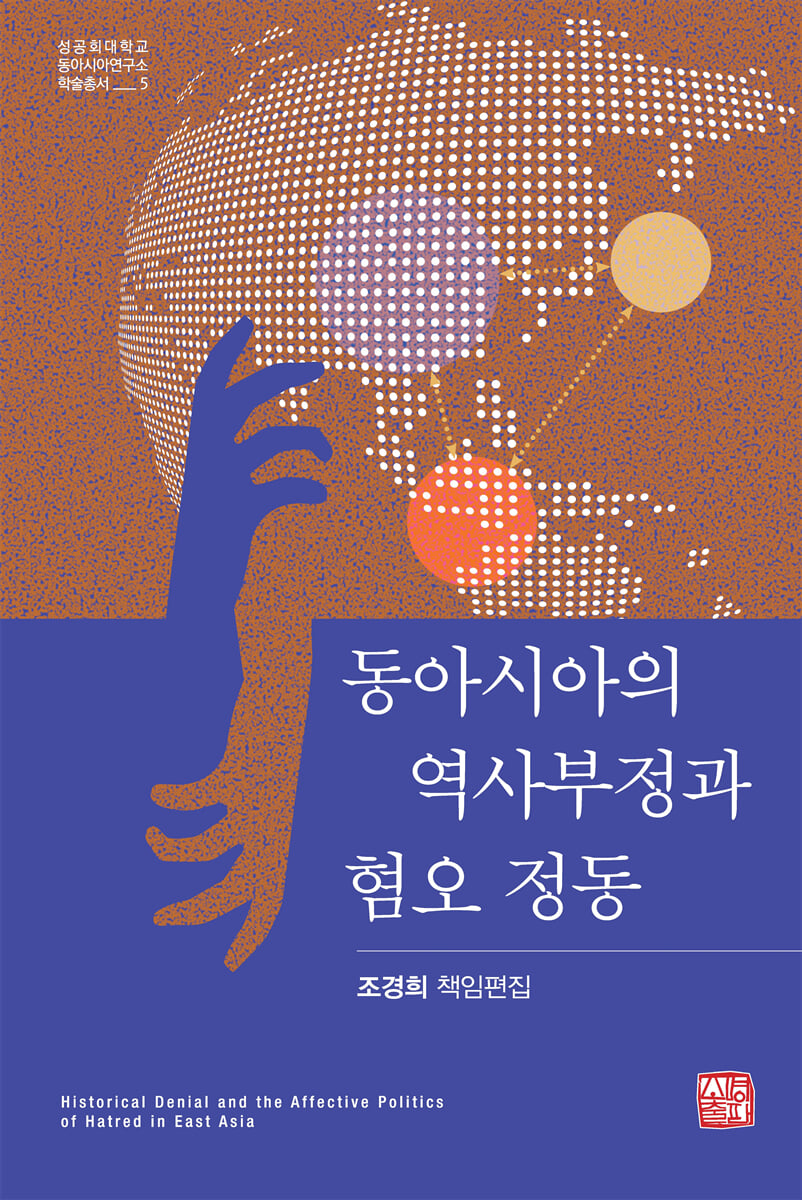
Historical denial and hate sentiment in East Asia
 |
Description
Book Introduction
East Asia in the post-globalization era is a political space where conflicts surrounding memory and identity are constantly revealed.
In a time where colonialism, the Cold War, and globalization overlap, various problems are intertwined to create a new order.
This book shows that historical denial and hatred are not mere political tactics, but rather emotional forces that organize and circulate people's emotions.
From the issue of the Japanese military's "comfort women" to genocide denial, sexual violence denialism, narratives of North Korean defectors, anti-poverty sentiment, anti-Chinese sentiment, and anti-homosexuality and anti-trans discourse, this book broadly explores the emotional mechanisms that erase the voices of victims and select empathy and anger.
It illuminates how historical denial and hatred circulate through academia, media, and social movements, forming a global emotional network, and the potential for alternative emotional politics to counter this.
Consisting of nine essays, the book explores how historical denial and hatred are generated and distributed in East Asia, and the various practices and examples of responding to them and creating new emotional circuits.
In this process, the reader reads the structure of the affect that erases the victim's experience and the counter-affective affect that opposes it.
This book offers a deep understanding of East Asia's historical, cultural, and political landscape, while simultaneously attempting to overturn the circuits of hatred and negativity and foster a more public and sensitive emotional politics.
In a time where colonialism, the Cold War, and globalization overlap, various problems are intertwined to create a new order.
This book shows that historical denial and hatred are not mere political tactics, but rather emotional forces that organize and circulate people's emotions.
From the issue of the Japanese military's "comfort women" to genocide denial, sexual violence denialism, narratives of North Korean defectors, anti-poverty sentiment, anti-Chinese sentiment, and anti-homosexuality and anti-trans discourse, this book broadly explores the emotional mechanisms that erase the voices of victims and select empathy and anger.
It illuminates how historical denial and hatred circulate through academia, media, and social movements, forming a global emotional network, and the potential for alternative emotional politics to counter this.
Consisting of nine essays, the book explores how historical denial and hatred are generated and distributed in East Asia, and the various practices and examples of responding to them and creating new emotional circuits.
In this process, the reader reads the structure of the affect that erases the victim's experience and the counter-affective affect that opposes it.
This book offers a deep understanding of East Asia's historical, cultural, and political landscape, while simultaneously attempting to overturn the circuits of hatred and negativity and foster a more public and sensitive emotional politics.
- You can preview some of the book's contents.
Preview
index
At the beginning of the book
Part 1: The Link Between Global Historical Denial and Hatred
Chapter 1: Ramseyer's Denial of History and the Reality of "Saving Ramseyer"
Chapter 2: Racialized Knowledge Production and the Circulation of Hateful Emotions
Chapter 3: The Shadow of Historical Denial: The Sasakawa Foundation
Chapter 4: The Justification for Denying History
Part 2: The Circulation of Negativity and Hatred and the Counter-Emotions
Chapter 5: The Affective Power of Sexual Violence Denialism and the "Writing" of Alternative Affect Generation
Chapter 6: (Post)colonial Perspectives and Gendered Narratives in North Korean Defector Women's Memoirs Published Overseas
Chapter 7: Poverty Aversion and Youth
Chapter 8: Conditions and Emotional Dynamics of Anti-China
Chapter 9: The Transnational Circulation of Anti-Homosexuality/Anti-Trans Discourse in East Asia
List of first sunrises
About the author
Part 1: The Link Between Global Historical Denial and Hatred
Chapter 1: Ramseyer's Denial of History and the Reality of "Saving Ramseyer"
Chapter 2: Racialized Knowledge Production and the Circulation of Hateful Emotions
Chapter 3: The Shadow of Historical Denial: The Sasakawa Foundation
Chapter 4: The Justification for Denying History
Part 2: The Circulation of Negativity and Hatred and the Counter-Emotions
Chapter 5: The Affective Power of Sexual Violence Denialism and the "Writing" of Alternative Affect Generation
Chapter 6: (Post)colonial Perspectives and Gendered Narratives in North Korean Defector Women's Memoirs Published Overseas
Chapter 7: Poverty Aversion and Youth
Chapter 8: Conditions and Emotional Dynamics of Anti-China
Chapter 9: The Transnational Circulation of Anti-Homosexuality/Anti-Trans Discourse in East Asia
List of first sunrises
About the author
GOODS SPECIFICS
- Date of issue: July 31, 2025
- Page count, weight, size: 364 pages | 140*210*19mm
- ISBN13: 9791159059858
You may also like
카테고리
korean


korean

![GQ KOREA Mark (Monthly): December [2025]](http://librairie.coreenne.fr/cdn/shop/files/8ef265dbbfbf186523ed75ba7319009d.jpg?v=1765340328&width=3840)


