

Walking through the Meiji Restoration
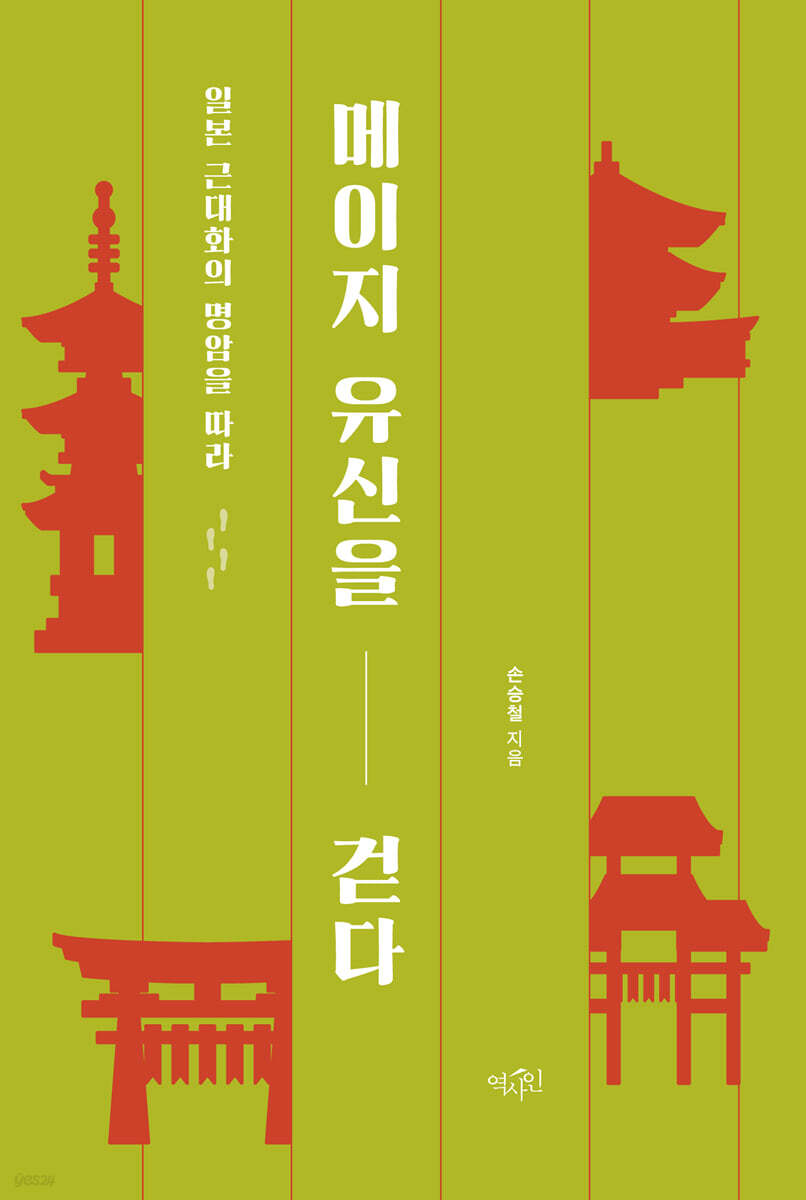 |
Description
Book Introduction
Who, in what era, with what thoughts, where, and how promoted the Meiji Restoration?
Yoshida Shoin, while training the talents who would lead the Restoration, taught the outlook on life and values that a leader who would lead the era should have through the following four spirits.
It is the spirit of determination - sincerity - flying ears and long eyes - dying and living.
First, establishing a purpose is the foundation of all things, and it is the spirit of practicing it with utmost sincerity and sincerity, listening to distant voices, possessing far-sighted vision and insight, and never ceasing to pursue it until death.
It is the spirit of the times, an ideology and vision that goes beyond simple loyalty and selfishness and is willing to sacrifice oneself for justice and a greater cause.
It is a philosophy of ‘creating people’ to survive in an era of change.
The path of the Meiji Restoration is a path of hearing the testimonies of the relics and artifacts left behind by the people who created it.
History leaves behind relics and artifacts, and relics and artifacts testify to history.
Yoshida Shoin, while training the talents who would lead the Restoration, taught the outlook on life and values that a leader who would lead the era should have through the following four spirits.
It is the spirit of determination - sincerity - flying ears and long eyes - dying and living.
First, establishing a purpose is the foundation of all things, and it is the spirit of practicing it with utmost sincerity and sincerity, listening to distant voices, possessing far-sighted vision and insight, and never ceasing to pursue it until death.
It is the spirit of the times, an ideology and vision that goes beyond simple loyalty and selfishness and is willing to sacrifice oneself for justice and a greater cause.
It is a philosophy of ‘creating people’ to survive in an era of change.
The path of the Meiji Restoration is a path of hearing the testimonies of the relics and artifacts left behind by the people who created it.
History leaves behind relics and artifacts, and relics and artifacts testify to history.
index
Entering the Meiji Restoration
Timeline and Tour Map
Chapter 1: The Age of Restoration: Japan on the Eve of the Meiji Era
1.
Why did Perry come to Japan?
2.
?Japanese society in the 1850s
3.
Japan in the international order
4.
Seeds of Change, Reform Thinkers
Chapter 2: From Isolation to Openness: Chaos, Conflict, and the Path to Solidarity
1.
The Namamugi Incident and the Conflict with Foreign Powers
2.
The Battle of Shimonoseki and the Satsuei War
3.
Joshu Five and Satsuma Students
4.
Conflict and conflict between the pro-shogunate and pro-imperial factions
5.
The Satsuma-Cho Alliance and the Satsuma-Tou Alliance: Formation of Political Solidarity
6.
Daejeong Bonghwan and restoration of monarchy
7.
?Bosin (戊辰) War
Chapter 3: The Establishment of a Modern State and the Path to Reform
1.
System reorganization, centralization, and class reform
2.
Iwakura Mission and the Enlightenment of Civilization
3.
The Education Act and the Beginning of National Education
4.
Introduction of conscription and reorganization of the military
5.
The Seinan War and the Fall of the Samurai
6.
The path to industrialization and prosperity
7.
The Freedom and Civil Rights Movement and the Imperial Diet
Chapter 4: The Philosophy of the Restoration: Meiji Ideology and National Vision
1.
The Eight Books of the Good
2.
Five-Article Pledge
3.
The Education Ordinance and the Imperial Rescript on Education
4.
Military Order
5.
Constitution of the Empire of Japan
Chapter 5: Political Leaders of the Yushin Period: Who Shaped History and How?
1.
Takasuki Shinsaku
2.
Sakamoto Ryoma
3.
Kido Takayoshi
4.
Saigō Takamori
5.
Okubo Toshimichi
6.
Shimazu Nariakira
7.
Yokoi Shonan
8.
Takeaki Enomoto
9.
Yukichi Fukuzawa
10.
Thomas Blake Glover
11.
Ito Hirobumi
supplement
1.
Koreans I met on the road to Yushin
2.
Tour Schedule
3.
References
Timeline and Tour Map
Chapter 1: The Age of Restoration: Japan on the Eve of the Meiji Era
1.
Why did Perry come to Japan?
2.
?Japanese society in the 1850s
3.
Japan in the international order
4.
Seeds of Change, Reform Thinkers
Chapter 2: From Isolation to Openness: Chaos, Conflict, and the Path to Solidarity
1.
The Namamugi Incident and the Conflict with Foreign Powers
2.
The Battle of Shimonoseki and the Satsuei War
3.
Joshu Five and Satsuma Students
4.
Conflict and conflict between the pro-shogunate and pro-imperial factions
5.
The Satsuma-Cho Alliance and the Satsuma-Tou Alliance: Formation of Political Solidarity
6.
Daejeong Bonghwan and restoration of monarchy
7.
?Bosin (戊辰) War
Chapter 3: The Establishment of a Modern State and the Path to Reform
1.
System reorganization, centralization, and class reform
2.
Iwakura Mission and the Enlightenment of Civilization
3.
The Education Act and the Beginning of National Education
4.
Introduction of conscription and reorganization of the military
5.
The Seinan War and the Fall of the Samurai
6.
The path to industrialization and prosperity
7.
The Freedom and Civil Rights Movement and the Imperial Diet
Chapter 4: The Philosophy of the Restoration: Meiji Ideology and National Vision
1.
The Eight Books of the Good
2.
Five-Article Pledge
3.
The Education Ordinance and the Imperial Rescript on Education
4.
Military Order
5.
Constitution of the Empire of Japan
Chapter 5: Political Leaders of the Yushin Period: Who Shaped History and How?
1.
Takasuki Shinsaku
2.
Sakamoto Ryoma
3.
Kido Takayoshi
4.
Saigō Takamori
5.
Okubo Toshimichi
6.
Shimazu Nariakira
7.
Yokoi Shonan
8.
Takeaki Enomoto
9.
Yukichi Fukuzawa
10.
Thomas Blake Glover
11.
Ito Hirobumi
supplement
1.
Koreans I met on the road to Yushin
2.
Tour Schedule
3.
References
Detailed image

GOODS SPECIFICS
- Date of issue: August 8, 2025
- Format: Paperback book binding method guide
- Page count, weight, size: 274 pages | 127*187*17mm
- ISBN13: 9791186828366
- ISBN10: 1186828366
You may also like
카테고리
korean


korean

![GQ KOREA Mark (Monthly): December [2025]](http://librairie.coreenne.fr/cdn/shop/files/8ef265dbbfbf186523ed75ba7319009d.jpg?v=1765340328&width=3840)


