

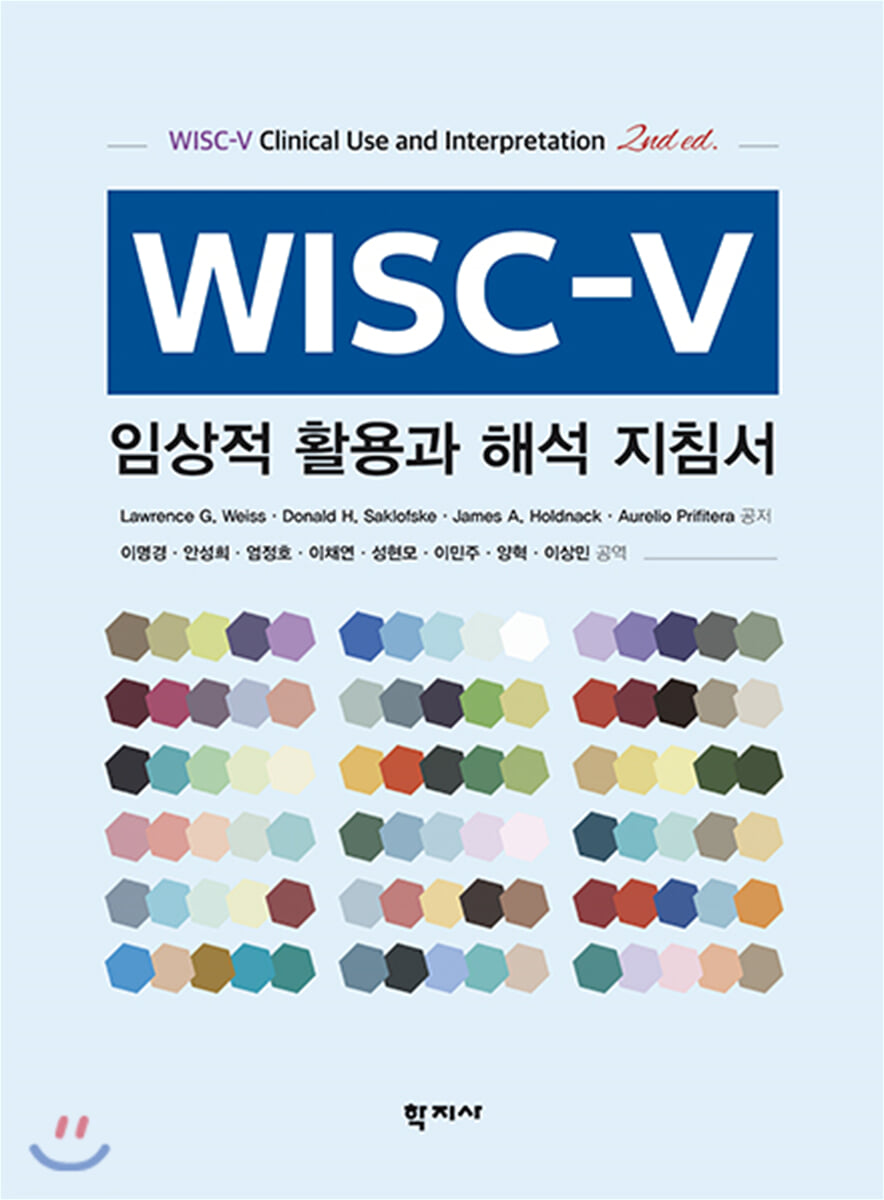
WISC-V Clinical Use and Interpretation Guidelines
 |
Description
index
Translator's Preface
Author's Preface
Chapter 1 WISC-V: Advances in Intelligence Measurement
1.
introduction
2.
Historical Overview
3.
From past to present
4. Structure and Content of WISC-V
5. WISC-V Full IQ
6. WISC-V Additional Scales and Subtests
7. WISC-V supplementary indicator scales and subtests
8.
summation
Chapter 2: Practical Considerations for Interpreting and Intervening with the WISC-V
1.
introduction
2.
Level of Interpretation: When the overall ability score does not explain the whole story.
3.
Personification of Basic Abilities: A Simple Analogy
4.
Issues related to intervention
5.
Language comprehension-related interventions
6.
Spatiotemporal arbitration measures
7.
Arbitration measures related to fluid reasoning
8.
Working memory interventions
9.
Arbitration measures related to processing speed
10.
Comments on the intervention proposal
Chapter 3: A School Neuropsychological Approach to Interpreting the WISC-V Integrated Version
1. Clinical Interpretation of the WISC-V Integrated Version
2. WISC-V Integrated Version
3.
Real-life examples
4.
summation
Chapter 4 WISC-V Theory and Clinical Basis
1.
introduction
2. WISC-V index scores
3.
The Impact of Executive Function on Intelligence
4.
An integrated theory of general intelligence
5.
summation
Chapter 5 WISC-V: Use in Social Contexts
1.
introduction
2.
Bias issues in intelligence assessments
3.
Fairness of Test Results and Test Use in Special Education
4.
Demographic gaps in various areas of life
5.
Development of cognitive abilities, family environment, and culture
6.
The role of cognitive stimulation in influencing intellectual development
7.
The Role of Children in Academic and Intellectual Development
8. WISC-V: IQ scores across culturally and linguistically diverse groups
9.
Socioeconomic status as a mediator of differences in overall IQ scores across cultural and linguistic groups.
10.
Additional Considerations of the Home Environment Associated with Children's Intellectual and Academic Development
11.
Conclusions on home environment and cognitive development
12.
summation
Chapter 6: Cross-Cultural Comparative Analysis of the WISC-V
1.
introduction
2.
result
3.
Conclusion and Implications
Chapter 7: The Flynn Effect and Its Clinical Implications
1.
What do we know about the Flynn effect?
2.
Implications of the Flynn Effect for Practitioners
3. Flynn effect in WISC-IV and WISC-V
4.
Suggestion
Chapter 8: The Role and Development of Intelligence Tests in the Area of Learning Disabilities Assessment, and the WISC-V
1.
introduction
2.
Learning Disabilities: Recent Definitions and Subtypes
3.
Intelligence: A Key Link in the Assessment and Diagnosis of Learning Disabilities
4. Psychoeducational Relevance of the WISC-V
5.
WISC-V Study on Children with Specific Learning Disabilities
6. Re-examination of the identification of specific learning disabilities using the WISC-V.
7.
Case Study: Psychological Assessment
8.
Summary and Conclusion
Chapter 9: Diagnosis and Intervention of Dyslexia Reflecting 21st-Century Scientific Advances
1.
introduction
2.
The evolution of dyslexia, a condition characterized by difficulties not predicted by intelligence.
3.
Neurosurgical evidence supporting dyslexia
4.
The Need and Challenges of Dyslexia Diagnosis in the 21st Century
5.
Development and assessment of phonological processing
6.
Diagnosis of dyslexia in adolescents and young adults
7.
summation
Chapter 10: Issues Related to WISC-V Assessment of Cognitive Function in Clinical and Special Populations
1.
introduction
2.
The significance and purpose of cognitive assessment
3.
Clinical and Special Populations: General Skills and Intellectual Functioning
4. Diagnosis and treatment plan reflecting the intellectual assessment of WISC-V
5.
WISC-V in a clinical context
6.
summation
Chapter 11: WISC-V and the Individualized Assessment Approach
1.
introduction
2.
Gathering and refining information about a child's first impressions
3.
summation
Search
Author's Preface
Chapter 1 WISC-V: Advances in Intelligence Measurement
1.
introduction
2.
Historical Overview
3.
From past to present
4. Structure and Content of WISC-V
5. WISC-V Full IQ
6. WISC-V Additional Scales and Subtests
7. WISC-V supplementary indicator scales and subtests
8.
summation
Chapter 2: Practical Considerations for Interpreting and Intervening with the WISC-V
1.
introduction
2.
Level of Interpretation: When the overall ability score does not explain the whole story.
3.
Personification of Basic Abilities: A Simple Analogy
4.
Issues related to intervention
5.
Language comprehension-related interventions
6.
Spatiotemporal arbitration measures
7.
Arbitration measures related to fluid reasoning
8.
Working memory interventions
9.
Arbitration measures related to processing speed
10.
Comments on the intervention proposal
Chapter 3: A School Neuropsychological Approach to Interpreting the WISC-V Integrated Version
1. Clinical Interpretation of the WISC-V Integrated Version
2. WISC-V Integrated Version
3.
Real-life examples
4.
summation
Chapter 4 WISC-V Theory and Clinical Basis
1.
introduction
2. WISC-V index scores
3.
The Impact of Executive Function on Intelligence
4.
An integrated theory of general intelligence
5.
summation
Chapter 5 WISC-V: Use in Social Contexts
1.
introduction
2.
Bias issues in intelligence assessments
3.
Fairness of Test Results and Test Use in Special Education
4.
Demographic gaps in various areas of life
5.
Development of cognitive abilities, family environment, and culture
6.
The role of cognitive stimulation in influencing intellectual development
7.
The Role of Children in Academic and Intellectual Development
8. WISC-V: IQ scores across culturally and linguistically diverse groups
9.
Socioeconomic status as a mediator of differences in overall IQ scores across cultural and linguistic groups.
10.
Additional Considerations of the Home Environment Associated with Children's Intellectual and Academic Development
11.
Conclusions on home environment and cognitive development
12.
summation
Chapter 6: Cross-Cultural Comparative Analysis of the WISC-V
1.
introduction
2.
result
3.
Conclusion and Implications
Chapter 7: The Flynn Effect and Its Clinical Implications
1.
What do we know about the Flynn effect?
2.
Implications of the Flynn Effect for Practitioners
3. Flynn effect in WISC-IV and WISC-V
4.
Suggestion
Chapter 8: The Role and Development of Intelligence Tests in the Area of Learning Disabilities Assessment, and the WISC-V
1.
introduction
2.
Learning Disabilities: Recent Definitions and Subtypes
3.
Intelligence: A Key Link in the Assessment and Diagnosis of Learning Disabilities
4. Psychoeducational Relevance of the WISC-V
5.
WISC-V Study on Children with Specific Learning Disabilities
6. Re-examination of the identification of specific learning disabilities using the WISC-V.
7.
Case Study: Psychological Assessment
8.
Summary and Conclusion
Chapter 9: Diagnosis and Intervention of Dyslexia Reflecting 21st-Century Scientific Advances
1.
introduction
2.
The evolution of dyslexia, a condition characterized by difficulties not predicted by intelligence.
3.
Neurosurgical evidence supporting dyslexia
4.
The Need and Challenges of Dyslexia Diagnosis in the 21st Century
5.
Development and assessment of phonological processing
6.
Diagnosis of dyslexia in adolescents and young adults
7.
summation
Chapter 10: Issues Related to WISC-V Assessment of Cognitive Function in Clinical and Special Populations
1.
introduction
2.
The significance and purpose of cognitive assessment
3.
Clinical and Special Populations: General Skills and Intellectual Functioning
4. Diagnosis and treatment plan reflecting the intellectual assessment of WISC-V
5.
WISC-V in a clinical context
6.
summation
Chapter 11: WISC-V and the Individualized Assessment Approach
1.
introduction
2.
Gathering and refining information about a child's first impressions
3.
summation
Search
GOODS SPECIFICS
- Date of publication: August 20, 2020
- Page count, weight, size: 536 pages | 1,076g | 188*255*35mm
- ISBN13: 9788999721533
- ISBN10: 8999721531
You may also like
카테고리
korean


korean

![GQ KOREA Mark (Monthly): December [2025]](http://librairie.coreenne.fr/cdn/shop/files/8ef265dbbfbf186523ed75ba7319009d.jpg?v=1765340328&width=3840)


