

Introduction to Special Education
 |
Description
Book Introduction
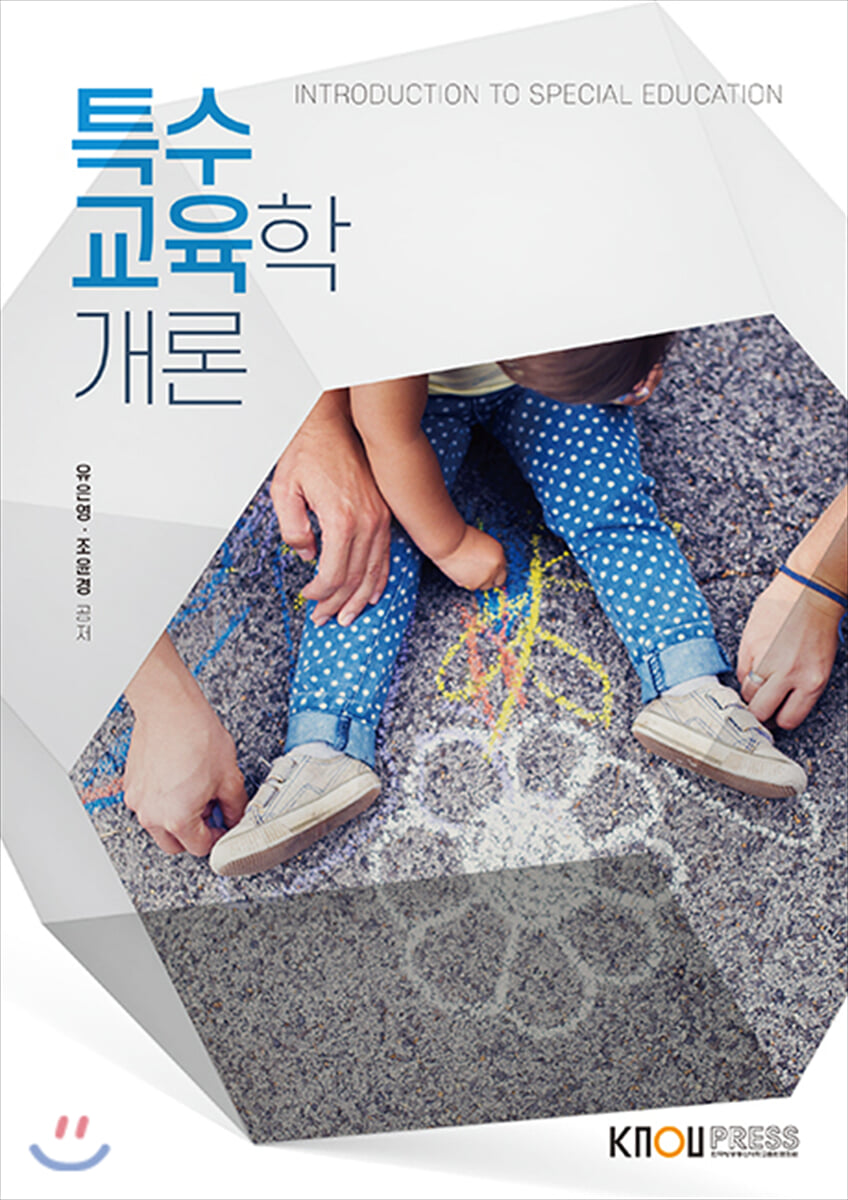
『Introduction to Special Education』 was compiled to help future early childhood teachers understand children with special needs and provide inclusive education.
To this end, the definition and characteristics of special needs children according to their disability type, as well as teaching and learning methods, were presented in detail.
In addition, it presents individualized educational methods and family cooperation plans to ensure that systematic education reflecting the characteristics of each disabled child is provided, and it is structured to systematically help understand special needs children by presenting and organizing learning objectives, key terms, explanation of concepts, and educational plans.
To this end, the definition and characteristics of special needs children according to their disability type, as well as teaching and learning methods, were presented in detail.
In addition, it presents individualized educational methods and family cooperation plans to ensure that systematic education reflecting the characteristics of each disabled child is provided, and it is structured to systematically help understand special needs children by presenting and organizing learning objectives, key terms, explanation of concepts, and educational plans.
index
Chapter 1: Understanding Special Needs Children and Special Education
1.1.
Basic Concepts of Special Education / 1.2.
Historical changes in special education / 1.3.
Identification and placement of children with special needs / 1.4.
Current Status of Special Education in Korea / 1.5.
Recent special education trends
Chapter 2: Understanding Early Childhood Special Education
2.1.
Definition and necessity / 2.2.
Historical Background of Early Childhood Special Education / 2.3.
Target and identification of early childhood special education / 2.4.
Early Childhood Special Education Program / 2.5.
Early Childhood Special Education Implementation Tasks
Chapter 3: Understanding Inclusive Education
3.1.
The concept of integrated education / 3.2.
Historical Background of Integrated Education / 3.3.
The necessity and impact of integrated education / 3.4.
Components for integrated education / 3.5.
A Collaborative Approach to Inclusive Education
Chapter 4: Teaching Methods and Support Systems for Developmental Delays and Developmental Areas
4.1.
Understanding Developmental Delays / 4.2.
Teaching Methods for Infants and Toddlers with Developmental Delays / 4.3.
Support system for developmental delays
Chapter 5 Intellectual Disability
5.1.
Definition and Classification / 5.2.
Cause / 5.3.
Characteristics / 5.4.
education
Chapter 6 Autism Spectrum Disorder
6.1.
Definition and Classification / 6.2.
Cause / 6.3.
Characteristics / 6.4.
Discrimination process / 6.5.
educational support
Chapter 7 Visual Impairment
7.1.
Definition and Structure of the Eye / 7.2.
Causes and conditions of failure / 7.3.
Characteristics / 7.4.
education
Chapter 8 Hearing Impairment
8.1.
Definition and Classification / 8.2.
Structure and causes of ear disorders / 8.3.
Characteristics / 8.4.
Discernment / 8.5.
education
Chapter 9 Emotional and Behavioral Disorders
9.1.
Definition and Classification / 9.2.
Cause / 9.3.
Psychological and Behavioral Characteristics / 9.4.
Discernment and Evaluation / 9.5.
education
Chapter 10 Communication Disorders: Language and Speech Disorders
10.1.
Definition and Language Development in Children / 10.2.
Cause / 10.3.
Characteristics / 10.4.
Discernment / 10.5.
Treatment and guidance
Chapter 11 Learning Disabilities
11.1.
Definition / 11.2.
Causes and Characteristics / 11.3.
Discernment / 11.4.
education
Chapter 12 Physical and Health Disabilities
12.1.
Definition / 12.2.
Causes and Conditions / 12.3.
Alternative assistive devices and physical environment / 12.4.
education
Chapter 13: The Talented and the Excellent
13.1.
The need for justice and education / 13.2.
Origins of Excellence / 13.3.
Characteristics / 13.4.
Underachiever / 13.5.
Discernment / 13.6.
Education of excellent children
Chapter 14 Individualized Education Programs
14.1.
Definition and Development Process / 14.2.
Individualized Education Program Development Process / 14.3.
Planning and implementing short-term classroom interventions
Chapter 15: Problem Behavior Guidance: Positive Behavior Support
15.1.
Understanding Positive Behavior Support / 15.2.
Implementing the Three Dimensions of Positive Behavior Support / 15.3.
Implementing the 5 Steps of Individualized Support
Chapter 16: Understanding and Support for Families of Children with Disabilities
16.1.
Understanding Families of Children with Disabilities / 16.2.
Family Needs-Based Support by Life Cycle / 16.3.
Real-world support for families of children with disabilities in early childhood education institutions
1.1.
Basic Concepts of Special Education / 1.2.
Historical changes in special education / 1.3.
Identification and placement of children with special needs / 1.4.
Current Status of Special Education in Korea / 1.5.
Recent special education trends
Chapter 2: Understanding Early Childhood Special Education
2.1.
Definition and necessity / 2.2.
Historical Background of Early Childhood Special Education / 2.3.
Target and identification of early childhood special education / 2.4.
Early Childhood Special Education Program / 2.5.
Early Childhood Special Education Implementation Tasks
Chapter 3: Understanding Inclusive Education
3.1.
The concept of integrated education / 3.2.
Historical Background of Integrated Education / 3.3.
The necessity and impact of integrated education / 3.4.
Components for integrated education / 3.5.
A Collaborative Approach to Inclusive Education
Chapter 4: Teaching Methods and Support Systems for Developmental Delays and Developmental Areas
4.1.
Understanding Developmental Delays / 4.2.
Teaching Methods for Infants and Toddlers with Developmental Delays / 4.3.
Support system for developmental delays
Chapter 5 Intellectual Disability
5.1.
Definition and Classification / 5.2.
Cause / 5.3.
Characteristics / 5.4.
education
Chapter 6 Autism Spectrum Disorder
6.1.
Definition and Classification / 6.2.
Cause / 6.3.
Characteristics / 6.4.
Discrimination process / 6.5.
educational support
Chapter 7 Visual Impairment
7.1.
Definition and Structure of the Eye / 7.2.
Causes and conditions of failure / 7.3.
Characteristics / 7.4.
education
Chapter 8 Hearing Impairment
8.1.
Definition and Classification / 8.2.
Structure and causes of ear disorders / 8.3.
Characteristics / 8.4.
Discernment / 8.5.
education
Chapter 9 Emotional and Behavioral Disorders
9.1.
Definition and Classification / 9.2.
Cause / 9.3.
Psychological and Behavioral Characteristics / 9.4.
Discernment and Evaluation / 9.5.
education
Chapter 10 Communication Disorders: Language and Speech Disorders
10.1.
Definition and Language Development in Children / 10.2.
Cause / 10.3.
Characteristics / 10.4.
Discernment / 10.5.
Treatment and guidance
Chapter 11 Learning Disabilities
11.1.
Definition / 11.2.
Causes and Characteristics / 11.3.
Discernment / 11.4.
education
Chapter 12 Physical and Health Disabilities
12.1.
Definition / 12.2.
Causes and Conditions / 12.3.
Alternative assistive devices and physical environment / 12.4.
education
Chapter 13: The Talented and the Excellent
13.1.
The need for justice and education / 13.2.
Origins of Excellence / 13.3.
Characteristics / 13.4.
Underachiever / 13.5.
Discernment / 13.6.
Education of excellent children
Chapter 14 Individualized Education Programs
14.1.
Definition and Development Process / 14.2.
Individualized Education Program Development Process / 14.3.
Planning and implementing short-term classroom interventions
Chapter 15: Problem Behavior Guidance: Positive Behavior Support
15.1.
Understanding Positive Behavior Support / 15.2.
Implementing the Three Dimensions of Positive Behavior Support / 15.3.
Implementing the 5 Steps of Individualized Support
Chapter 16: Understanding and Support for Families of Children with Disabilities
16.1.
Understanding Families of Children with Disabilities / 16.2.
Family Needs-Based Support by Life Cycle / 16.3.
Real-world support for families of children with disabilities in early childhood education institutions
Publisher's Review
Special education is generally thought of as education for children with disabilities, but it is actually an all-encompassing concept that encompasses education for all children, parents, and early childhood educators.
First of all, the target of special education for early childhood includes not only children with disabilities but also gifted children, and it is so because it encompasses education for children at risk of disabilities.
The reason why special education for young children is important is because it allows them to more easily learn the value of living together by acknowledging each individual's different abilities and characteristics and helping each other before prejudice against special needs arises.
Currently, in our country, social and educational interest in children with disabilities among special needs children is gradually expanding.
In 2007, the legal basis for implementing compulsory education for children with disabilities aged 3 to 5 was established through the Special Education for Persons with Disabilities Act, and compulsory education for children with disabilities aged 3 to 5 was fully implemented starting in 2012.
And in 2015, a teacher's guide for children with disabilities aged 3 to 5 was published.
However, there are still criticisms that early childhood teachers are not prepared for inclusive education, that support for families is insufficient, and that there is a lack of proper educational approaches for gifted children.
『Introduction to Special Education』 was compiled to help future early childhood teachers understand children with special needs and provide inclusive education.
To this end, the definition and characteristics of special needs children according to their disability type, as well as teaching and learning methods, were presented in detail.
In addition, it presents individualized educational methods and family cooperation plans to ensure that systematic education reflecting the characteristics of each disabled child is provided, and it is structured to systematically help understand special needs children by presenting and organizing learning objectives, key terms, explanation of concepts, and educational plans.
Looking at the outline of the textbook structure, Chapter 1 examines the concept and historical changes of special education, presents methods for identifying children with special needs, the current status of special education in Korea, and recent trends in special education.
Chapter 2 presents the definition, necessity, and historical background of early childhood special education, and provides an understanding of special early childhood education programs and implementation tasks.
Chapter 3 introduces the concept and historical background of integrated education, and explains why integrated education is necessary and how it should be structured and approached.
Chapters 4 through 13 cover the definitions and educational methods of developmental delay, intellectual disability, autism spectrum disorder, visual and hearing impairments, emotional and behavioral disorders, communication disorders, learning disabilities, physical and health disabilities, gifted and talented children.
I hope that through each chapter, you will be able to acquire knowledge and understand about children with special needs.
Chapter 14 covers the individualized education program, a special education method for children with special needs, and Chapter 15 covers positive behavior support for the most difficult problem behaviors in guiding children with special needs.
Finally, Chapter 16 introduces understanding and support for families, the most influential resource in special education.
We hope that this textbook will serve as a foundation of knowledge for prospective early childhood teachers to understand and support the conditions and characteristics of individual children with special needs.
Furthermore, we hope that the learning content on special education will be helpful in supporting not only children diagnosed with special needs but also children on the borderline.
Lastly, I hope that we can develop an open attitude toward children with special needs, recognizing that they are not just difficult and inconvenient subjects for classroom management, but rather valuable members of society with whom we live together.
First of all, the target of special education for early childhood includes not only children with disabilities but also gifted children, and it is so because it encompasses education for children at risk of disabilities.
The reason why special education for young children is important is because it allows them to more easily learn the value of living together by acknowledging each individual's different abilities and characteristics and helping each other before prejudice against special needs arises.
Currently, in our country, social and educational interest in children with disabilities among special needs children is gradually expanding.
In 2007, the legal basis for implementing compulsory education for children with disabilities aged 3 to 5 was established through the Special Education for Persons with Disabilities Act, and compulsory education for children with disabilities aged 3 to 5 was fully implemented starting in 2012.
And in 2015, a teacher's guide for children with disabilities aged 3 to 5 was published.
However, there are still criticisms that early childhood teachers are not prepared for inclusive education, that support for families is insufficient, and that there is a lack of proper educational approaches for gifted children.
『Introduction to Special Education』 was compiled to help future early childhood teachers understand children with special needs and provide inclusive education.
To this end, the definition and characteristics of special needs children according to their disability type, as well as teaching and learning methods, were presented in detail.
In addition, it presents individualized educational methods and family cooperation plans to ensure that systematic education reflecting the characteristics of each disabled child is provided, and it is structured to systematically help understand special needs children by presenting and organizing learning objectives, key terms, explanation of concepts, and educational plans.
Looking at the outline of the textbook structure, Chapter 1 examines the concept and historical changes of special education, presents methods for identifying children with special needs, the current status of special education in Korea, and recent trends in special education.
Chapter 2 presents the definition, necessity, and historical background of early childhood special education, and provides an understanding of special early childhood education programs and implementation tasks.
Chapter 3 introduces the concept and historical background of integrated education, and explains why integrated education is necessary and how it should be structured and approached.
Chapters 4 through 13 cover the definitions and educational methods of developmental delay, intellectual disability, autism spectrum disorder, visual and hearing impairments, emotional and behavioral disorders, communication disorders, learning disabilities, physical and health disabilities, gifted and talented children.
I hope that through each chapter, you will be able to acquire knowledge and understand about children with special needs.
Chapter 14 covers the individualized education program, a special education method for children with special needs, and Chapter 15 covers positive behavior support for the most difficult problem behaviors in guiding children with special needs.
Finally, Chapter 16 introduces understanding and support for families, the most influential resource in special education.
We hope that this textbook will serve as a foundation of knowledge for prospective early childhood teachers to understand and support the conditions and characteristics of individual children with special needs.
Furthermore, we hope that the learning content on special education will be helpful in supporting not only children diagnosed with special needs but also children on the borderline.
Lastly, I hope that we can develop an open attitude toward children with special needs, recognizing that they are not just difficult and inconvenient subjects for classroom management, but rather valuable members of society with whom we live together.
GOODS SPECIFICS
- Date of issue: July 25, 2020
- Page count, weight, size: 492 pages | 172*245*30mm
- ISBN13: 9788920029899
- ISBN10: 892002989X
You may also like
카테고리
korean


korean

![GQ KOREA Mark (Monthly): December [2025]](http://librairie.coreenne.fr/cdn/shop/files/8ef265dbbfbf186523ed75ba7319009d.jpg?v=1765340328&width=3840)


