

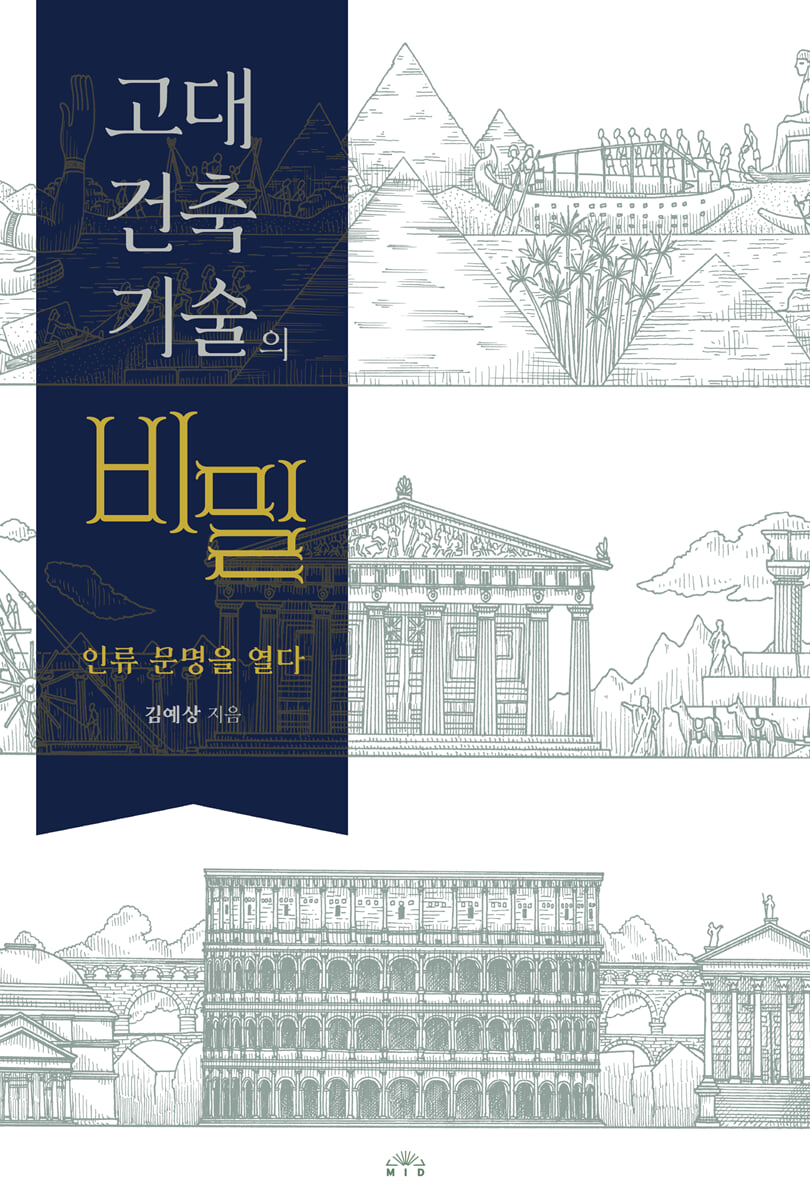
Secrets of Ancient Architectural Techniques
 |
Description
Book Introduction
What architectural techniques existed in ancient times and how did they develop?
What influence did it have on modern architectural technology?
Thousands of years ago, ancient people built enormous structures without modern technology.
We admire the massive ruins we see on our travels, but we rarely think deeply about how they were built.
[Secrets of Ancient Architectural Technology] goes beyond simple admiration and presents a journey exploring the wondrous architectural techniques left behind by ancient civilizations.
From the clay bricks of Mesopotamia, to the pyramids of Egypt, to the temples of Greece, to the concrete of Rome, what knowledge and tools did ancient people have that made all this possible?
This book is not simply a history book.
It explains representative buildings from each era and the core technologies applied to them in an easy and interesting way, showing how the development of architecture and technology has intertwined with civilization.
From the wisdom of Mesopotamia, which utilized rivers and wetlands without a single stone, to the secrets of Roman architecture that lasted thousands of years, we also explore the influence of ancient technologies on modern architecture.
This book is recommended not only to those interested in architecture, but also to readers who want to learn about the amazing science and technology of ancient civilizations.
What influence did it have on modern architectural technology?
Thousands of years ago, ancient people built enormous structures without modern technology.
We admire the massive ruins we see on our travels, but we rarely think deeply about how they were built.
[Secrets of Ancient Architectural Technology] goes beyond simple admiration and presents a journey exploring the wondrous architectural techniques left behind by ancient civilizations.
From the clay bricks of Mesopotamia, to the pyramids of Egypt, to the temples of Greece, to the concrete of Rome, what knowledge and tools did ancient people have that made all this possible?
This book is not simply a history book.
It explains representative buildings from each era and the core technologies applied to them in an easy and interesting way, showing how the development of architecture and technology has intertwined with civilization.
From the wisdom of Mesopotamia, which utilized rivers and wetlands without a single stone, to the secrets of Roman architecture that lasted thousands of years, we also explore the influence of ancient technologies on modern architecture.
This book is recommended not only to those interested in architecture, but also to readers who want to learn about the amazing science and technology of ancient civilizations.
- You can preview some of the book's contents.
Preview
index
As you go in
Chapter 1: The First Civilization: Mesopotamian Architectural Technology
Chapter 2: The Mysterious Architectural Techniques of the Mysterious Land of Egypt
Chapter 3: The Origins of Western Architecture: Ancient Greece
Chapter 4: A Great Leap Forward in Architectural Technology: Ancient Rome
Chapter 5: From Master Builder to Architect to Construction Company
Epilogue
References
A Chronicle of the History and Technology of Ancient Civilizations
Chapter 1: The First Civilization: Mesopotamian Architectural Technology
Chapter 2: The Mysterious Architectural Techniques of the Mysterious Land of Egypt
Chapter 3: The Origins of Western Architecture: Ancient Greece
Chapter 4: A Great Leap Forward in Architectural Technology: Ancient Rome
Chapter 5: From Master Builder to Architect to Construction Company
Epilogue
References
A Chronicle of the History and Technology of Ancient Civilizations
Publisher's Review
Uncovering the Secrets of Ancient Architecture
The architecture of ancient civilizations is not simply a legacy.
It is the culmination of thousands of years of human wisdom and technology, and the engineering achievements that shaped an era.
Ancient buildings such as the pyramids, the Parthenon, and the Roman aqueducts are not simply gigantic structures, but great legacies born from the intersection of architecture and science.
[Secrets of Ancient Architectural Technology] delves deeply into the technical achievements of these ancient structures, taking readers on an exciting journey through architectural history.
This book is not simply a book on architectural history.
The author analyzes not only the aesthetic elements of architecture, but also the process by which it was built, the materials and techniques used, and its influence on later generations.
In particular, it emphasizes that architecture is not simply a matter of design, but is closely connected to mathematics, physics, materials engineering, and environmental engineering.
Each chapter delves into the ancient architectural techniques of major civilizations such as Mesopotamia, Egypt, Greece, and Rome, presenting fascinating narratives on how architectural techniques developed across eras and civilizations.
Technology, Engineering, and Human Stories
The greatest strength of this book is that it goes beyond simply explaining architectural elements, and unfolds them along with the stories of the people who created them.
Architectural technology is not simply a matter of stones and bricks; it is a reflection of the philosophy and lifestyle of the people who lived in that era.
The author examines the political, economic, and cultural backgrounds of each civilization and explains how architectural technology developed within the context of social needs.
For example, the pyramids of Egypt are not simply tombs for kings, but the result of sophisticated surveying techniques and the mobilization of manpower.
Roman aqueducts were not simply waterways; they were essential elements in maintaining the empire's urban system.
In this way, [Secrets of Ancient Architectural Technology] illuminates the development of technology within a social context, helping us to understand architecture more deeply.
Visual aids, easy explanations, and in-depth analysis
Ancient architecture involves complex structures and design principles, which can be somewhat daunting to non-experts.
However, this book helps readers understand easily through extensive visual aids and clear explanations.
It contains various images, so that readers can understand it by seeing it with their own eyes rather than simply reading the explanation in text.
Additionally, it avoids overly technical terms and is written in an easy-to-read format, providing a familiar approach even to general readers who do not major in architecture.
One of the key messages this book emphasizes is that ancient architectural techniques are not simply relics of the past.
Many modern building techniques have their origins in ancient techniques, and there is a growing movement to re-examine these techniques for sustainable and environmentally friendly construction.
For example, Roman concrete techniques are still studied by modern architects, and Mesopotamian irrigation systems are linked to modern water management techniques.
This book explores these connections, emphasizing that ancient architecture is not merely a matter of historical interest, but also a valuable source of knowledge applicable to the modern era.
Reading Civilization Through Architecture
[Secrets of Ancient Architectural Technology] is not just a simple architectural guide.
This book is an intellectual exploration that interprets the development of human civilization through architecture, and is a meaningful attempt to reinterpret the wonders of ancient architecture from a modern perspective.
I highly recommend this book not only to architecture lovers, but also to all readers interested in history, science, and engineering.
After reading this book, the ruins that seemed like mere piles of stones will look completely different.
Because it is a trace of the greatest technology created by humans, passed down through the ages.
The architecture of ancient civilizations is not simply a legacy.
It is the culmination of thousands of years of human wisdom and technology, and the engineering achievements that shaped an era.
Ancient buildings such as the pyramids, the Parthenon, and the Roman aqueducts are not simply gigantic structures, but great legacies born from the intersection of architecture and science.
[Secrets of Ancient Architectural Technology] delves deeply into the technical achievements of these ancient structures, taking readers on an exciting journey through architectural history.
This book is not simply a book on architectural history.
The author analyzes not only the aesthetic elements of architecture, but also the process by which it was built, the materials and techniques used, and its influence on later generations.
In particular, it emphasizes that architecture is not simply a matter of design, but is closely connected to mathematics, physics, materials engineering, and environmental engineering.
Each chapter delves into the ancient architectural techniques of major civilizations such as Mesopotamia, Egypt, Greece, and Rome, presenting fascinating narratives on how architectural techniques developed across eras and civilizations.
Technology, Engineering, and Human Stories
The greatest strength of this book is that it goes beyond simply explaining architectural elements, and unfolds them along with the stories of the people who created them.
Architectural technology is not simply a matter of stones and bricks; it is a reflection of the philosophy and lifestyle of the people who lived in that era.
The author examines the political, economic, and cultural backgrounds of each civilization and explains how architectural technology developed within the context of social needs.
For example, the pyramids of Egypt are not simply tombs for kings, but the result of sophisticated surveying techniques and the mobilization of manpower.
Roman aqueducts were not simply waterways; they were essential elements in maintaining the empire's urban system.
In this way, [Secrets of Ancient Architectural Technology] illuminates the development of technology within a social context, helping us to understand architecture more deeply.
Visual aids, easy explanations, and in-depth analysis
Ancient architecture involves complex structures and design principles, which can be somewhat daunting to non-experts.
However, this book helps readers understand easily through extensive visual aids and clear explanations.
It contains various images, so that readers can understand it by seeing it with their own eyes rather than simply reading the explanation in text.
Additionally, it avoids overly technical terms and is written in an easy-to-read format, providing a familiar approach even to general readers who do not major in architecture.
One of the key messages this book emphasizes is that ancient architectural techniques are not simply relics of the past.
Many modern building techniques have their origins in ancient techniques, and there is a growing movement to re-examine these techniques for sustainable and environmentally friendly construction.
For example, Roman concrete techniques are still studied by modern architects, and Mesopotamian irrigation systems are linked to modern water management techniques.
This book explores these connections, emphasizing that ancient architecture is not merely a matter of historical interest, but also a valuable source of knowledge applicable to the modern era.
Reading Civilization Through Architecture
[Secrets of Ancient Architectural Technology] is not just a simple architectural guide.
This book is an intellectual exploration that interprets the development of human civilization through architecture, and is a meaningful attempt to reinterpret the wonders of ancient architecture from a modern perspective.
I highly recommend this book not only to architecture lovers, but also to all readers interested in history, science, and engineering.
After reading this book, the ruins that seemed like mere piles of stones will look completely different.
Because it is a trace of the greatest technology created by humans, passed down through the ages.
GOODS SPECIFICS
- Date of issue: February 4, 2025
- Page count, weight, size: 380 pages | 152*225*30mm
- ISBN13: 9791193828144
- ISBN10: 1193828147
You may also like
카테고리
korean


korean

![GQ KOREA Mark (Monthly): December [2025]](http://librairie.coreenne.fr/cdn/shop/files/8ef265dbbfbf186523ed75ba7319009d.jpg?v=1765340328&width=3840)


