

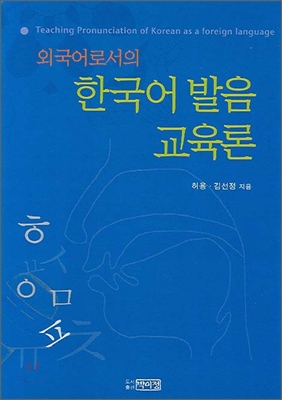
Korean Pronunciation Teaching as a Foreign Language
 |
Description
index
Chapter 1: Principles and Methods of Pronunciation Education
1.
The necessity and goals of pronunciation education
2.
Language teaching and pronunciation education
3.
Pronunciation education model
4.
Types of activities in pronunciation education
5.
Pronunciation assessment
6.
Points to note in pronunciation education
Chapter 2 Consonants
1.
Consonants and vowels
2.
The hierarchy of Korean consonants
3.
Comparison with other languages
4.
Korean consonant teaching methods and activity types
Chapter 3 Collection
1.
The difference between monophthongs and diphthongs
2.
Korean monophthong system
3.
Korean diphthongs
4.
Comparison with other languages
5.
Korean vowel teaching methods and activity types
Chapter 4: Length and Intonation of Sounds
1.
negative length
2.
Accent
3.
Comparison with other languages
Chapter 5 Syllable Structure
1.
Characteristics of Korean syllable structure
2.
Comparison with other languages
3.
Teaching methods and activity types for Korean syllable structure
Chapter 6 Pronunciation of Consonants 1: Pronunciation of Single and Double Consonants
1.
Pronunciation of single consonants
2.
Pronunciation of double consonants
Chapter 7 Pronunciation of Final Consonants 2: Pronunciation and liaison of /ㅎ/
1.
Pronunciation of the final consonant /ㅎ/
2.
liaison
Chapter 8 Sound Assimilation 1: Nasalization and Vowelization
1.
Basic principles of nasalization and nasalization
2.
nasalization
3.
Voiced
Chapter 9: Sound Assimilation 2: Palatalization and Vowel Assimilation
1.
palatalization
2.
Collection of fairy tales
Chapter 10: Softening and Voiced Consonants
1.
lenition
2.
Voiced consonants
Chapter 11 Addition of Sound
1.
/n/ sound addition
2.
Add /ㅅ/ sound
Chapter 12 Other Phonological Phenomena 1: Vowel Harmony and Vowel Collision Ratio
1.
Vowel harmony
2.
Vowel collision avoidance
Chapter 13 Other Phonological Phenomena 2: Irregular Conjugation
1.
Principles of irregular use
2.
Irregular usage teaching methods and activity types
[supplement]
Correct Sound CD
Standard pronunciation
References
Search
1.
The necessity and goals of pronunciation education
2.
Language teaching and pronunciation education
3.
Pronunciation education model
4.
Types of activities in pronunciation education
5.
Pronunciation assessment
6.
Points to note in pronunciation education
Chapter 2 Consonants
1.
Consonants and vowels
2.
The hierarchy of Korean consonants
3.
Comparison with other languages
4.
Korean consonant teaching methods and activity types
Chapter 3 Collection
1.
The difference between monophthongs and diphthongs
2.
Korean monophthong system
3.
Korean diphthongs
4.
Comparison with other languages
5.
Korean vowel teaching methods and activity types
Chapter 4: Length and Intonation of Sounds
1.
negative length
2.
Accent
3.
Comparison with other languages
Chapter 5 Syllable Structure
1.
Characteristics of Korean syllable structure
2.
Comparison with other languages
3.
Teaching methods and activity types for Korean syllable structure
Chapter 6 Pronunciation of Consonants 1: Pronunciation of Single and Double Consonants
1.
Pronunciation of single consonants
2.
Pronunciation of double consonants
Chapter 7 Pronunciation of Final Consonants 2: Pronunciation and liaison of /ㅎ/
1.
Pronunciation of the final consonant /ㅎ/
2.
liaison
Chapter 8 Sound Assimilation 1: Nasalization and Vowelization
1.
Basic principles of nasalization and nasalization
2.
nasalization
3.
Voiced
Chapter 9: Sound Assimilation 2: Palatalization and Vowel Assimilation
1.
palatalization
2.
Collection of fairy tales
Chapter 10: Softening and Voiced Consonants
1.
lenition
2.
Voiced consonants
Chapter 11 Addition of Sound
1.
/n/ sound addition
2.
Add /ㅅ/ sound
Chapter 12 Other Phonological Phenomena 1: Vowel Harmony and Vowel Collision Ratio
1.
Vowel harmony
2.
Vowel collision avoidance
Chapter 13 Other Phonological Phenomena 2: Irregular Conjugation
1.
Principles of irregular use
2.
Irregular usage teaching methods and activity types
[supplement]
Correct Sound CD
Standard pronunciation
References
Search
Publisher's Review
A textbook for teaching Korean pronunciation as a foreign language.
It covers teaching methods and classroom activities, along with explanations of the principles involved in pronunciation.
That is, the focus was on the characteristics and principles of Korean pronunciation and how to effectively teach them to foreign learners.
The first part of each chapter provides an easy-to-understand explanation of the principles of the corresponding pronunciation norms, and the latter part covers teaching methods and types of classroom activities needed in the classroom based on those principles.
It covers teaching methods and classroom activities, along with explanations of the principles involved in pronunciation.
That is, the focus was on the characteristics and principles of Korean pronunciation and how to effectively teach them to foreign learners.
The first part of each chapter provides an easy-to-understand explanation of the principles of the corresponding pronunciation norms, and the latter part covers teaching methods and types of classroom activities needed in the classroom based on those principles.
GOODS SPECIFICS
- Date of issue: August 10, 2006
- Page count, weight, size: 456 pages | 962g | 176*248*30mm
- ISBN13: 9788978788779
- ISBN10: 8978788777
You may also like
카테고리
korean


korean

![GQ KOREA Mark (Monthly): December [2025]](http://librairie.coreenne.fr/cdn/shop/files/8ef265dbbfbf186523ed75ba7319009d.jpg?v=1765340328&width=3840)


