

Overcoming Dyslexia, Dysgraphia, and ADHD: A Global Perspective
 |
Description
Book Introduction
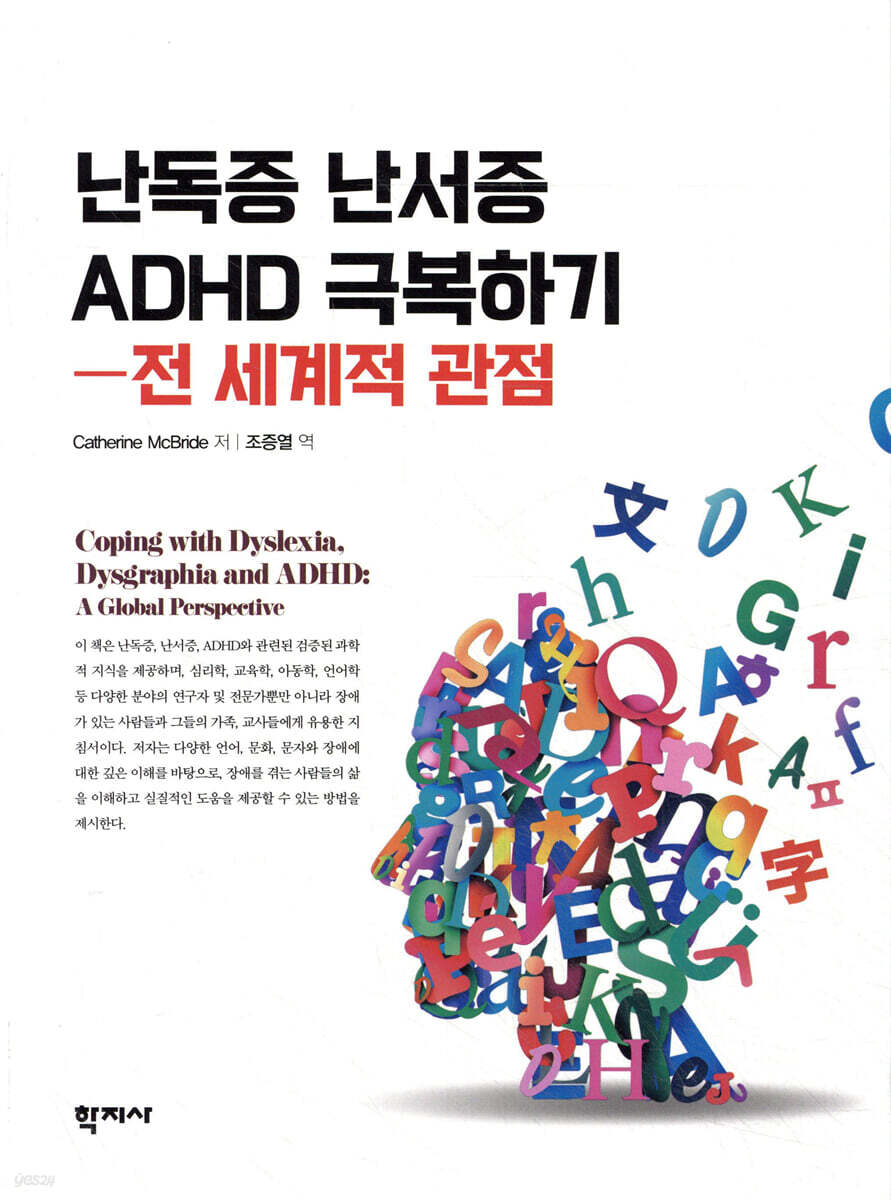
Overcoming Dyslexia, Dysgraphia, and ADHD: A Global Perspective is a book by Catherine McBride that synthesizes research on various learning disabilities and her personal experiences from around the world.
Focusing on dyslexia, dysgraphia, and ADHD, it connects theory and practice regarding learning disabilities and presents practical methods for overcoming them.
The authors explored the psychological and social impact of learning disabilities through interviews with 32 parents, teachers, clinicians, and people with learning disabilities from 20 countries and six continents.
In particular, attention was paid to the low self-esteem and psychological distress caused by learning disabilities, and methods to overcome them.
This book details the definitions, characteristics, and treatments of dyslexia, dysgraphia, and ADHD, as well as practical advice for learning multiple languages, boosting self-esteem, and improving reading and writing skills.
The appendix includes global resources related to learning disabilities, study tips, free online games, films and video clips, and more.
The author goes beyond the English-centric perspective in dyslexia research to emphasize cultural and linguistic diversity, exploring global trends and practical applications of learning disabilities.
This book provides a theoretical understanding of learning disabilities, along with practical information that can be used by learners, their families, teachers, and professionals.
Focusing on dyslexia, dysgraphia, and ADHD, it connects theory and practice regarding learning disabilities and presents practical methods for overcoming them.
The authors explored the psychological and social impact of learning disabilities through interviews with 32 parents, teachers, clinicians, and people with learning disabilities from 20 countries and six continents.
In particular, attention was paid to the low self-esteem and psychological distress caused by learning disabilities, and methods to overcome them.
This book details the definitions, characteristics, and treatments of dyslexia, dysgraphia, and ADHD, as well as practical advice for learning multiple languages, boosting self-esteem, and improving reading and writing skills.
The appendix includes global resources related to learning disabilities, study tips, free online games, films and video clips, and more.
The author goes beyond the English-centric perspective in dyslexia research to emphasize cultural and linguistic diversity, exploring global trends and practical applications of learning disabilities.
This book provides a theoretical understanding of learning disabilities, along with practical information that can be used by learners, their families, teachers, and professionals.
index
Chapter 1: Understanding Learning Disabilities Worldwide
Definition of Learning Disabilities Worldwide
Culture as Language and Writing
Dimensions of reading disabilities related to language and writing
culture
Economic resources and school performance
Perception, Cognition, and Neurobiology
conclusion
Chapter 2: Understanding Dyslexia
What Causes Dyslexia
What is dyslexia
Cognitive-linguistic abilities for understanding dyslexia
The Fantastic Four: Cognitive Structures for Word Reading
Phonological sensitivity
Morphological recognition
Spelling knowledge
Fluency
finish
Chapter 3: What is Dysgraphia?
Distinction between writing words and reading words
Basic course of dysgraphia
Classification of dysgraphia types
Beyond Dysgraphia: Long-Term Consequences of Word Writing Disorders
Plan-Write-Edit
Chapter 4: Basics of Attention Deficit Hyperactivity Disorder (ADHD)
Definition of ADHD
ADHD and Self-Regulation
ADHD and Motivation: Emotional Control is Key
ADHD in adolescents and adults
What Causes ADHD
ADHD and the Brain
Chapter 5 Comorbidity: Two or More Learning or Mental Health Disorders
The Importance of Understanding Comorbidities
A case study of comorbidity: Ms.
Amy
dyscalculia
anxiety disorder
melancholia
conclusion
Chapter 6: What Impact Does Multilingual or Multi-Script Learning Have on Reading and Writing Learning?
Various contexts of foreign language learning
How to learn a foreign language
Foreign Language Learning Advice for People with Dyslexia
Learning a Foreign Language: A Blessing or a Curse?
Poverty and Foreign Language Learning
conclusion
Chapter 7: The Best Ways to Treat Dyslexia Worldwide
Overcoming Strategies Through Games
Presentation of the text
Assistive technology
Provide additional time
Adult support and encouragement
What is not effective for children with dyslexia
Back to the Beginning: Reading-Related Skills to Help Children with Dyslexia
Chapter 8: Suggestions for Helping Children with Dysgraphia
Treatment: Overcoming Dysgraphia's Writing Disorders by Type
Creating graphemes using a variety of formats and media
Practicing fine motor coordination and strengthening your hands
Focus on integration between both sides
Copy practice
Writing training
bypass strategy
Chapter 9: Helping Children with ADHD
Make a plan and work together
Introducing the structure
Give children some control over their successes and failures.
Techniques to Help People with ADHD Focus
Barkley's (2012) approach: staying focused and structured
Maintain emotional flexibility
drug treatment
How to Use ADHD Medication Optimally
A More Honest Look at ADHD Medication
conclusion
Chapter 10: Reading and Writing for Learning: Suggestions for Improving Reading and Writing
language
Snow's Reading Model: The Nature of Text
The Art of Writing
summation
Chapter 11 Self-Esteem and Learning Disabilities
Boosting Self-Esteem in Children with Learning Disabilities
Respect for your strengths
What motivates you
Avoid the bad and encourage the good: No drugs and alcohol, positive youth development is encouraged. Parents need support, too.
How Parents Get the Support They Need
The teacher's role
General Advice for Teachers
Chapter 12: Which direction should we take?
Difficulties in learning
Moving forward with a growth mindset and grit
Focus on the whole child
conclusion
Reviews
Appendix A: Questionnaire Respondents
Appendix B International Organizations for Dyslexia
Appendix C: International Organizations for Dysgraphia
Appendix D International Organizations for ADHD
Appendix E: Practical Tips for Helping with Everyday Learning Challenges Associated with Dyslexia
Appendix F: List of Free Online Computer Games and Apps to Help with Reading Development (available in each language)
Appendix G Films and Video Clips on Dyslexia and Related Learning Disabilities
Appendix H Phonological Awareness and Morphological Awareness Practice
References
Search
Definition of Learning Disabilities Worldwide
Culture as Language and Writing
Dimensions of reading disabilities related to language and writing
culture
Economic resources and school performance
Perception, Cognition, and Neurobiology
conclusion
Chapter 2: Understanding Dyslexia
What Causes Dyslexia
What is dyslexia
Cognitive-linguistic abilities for understanding dyslexia
The Fantastic Four: Cognitive Structures for Word Reading
Phonological sensitivity
Morphological recognition
Spelling knowledge
Fluency
finish
Chapter 3: What is Dysgraphia?
Distinction between writing words and reading words
Basic course of dysgraphia
Classification of dysgraphia types
Beyond Dysgraphia: Long-Term Consequences of Word Writing Disorders
Plan-Write-Edit
Chapter 4: Basics of Attention Deficit Hyperactivity Disorder (ADHD)
Definition of ADHD
ADHD and Self-Regulation
ADHD and Motivation: Emotional Control is Key
ADHD in adolescents and adults
What Causes ADHD
ADHD and the Brain
Chapter 5 Comorbidity: Two or More Learning or Mental Health Disorders
The Importance of Understanding Comorbidities
A case study of comorbidity: Ms.
Amy
dyscalculia
anxiety disorder
melancholia
conclusion
Chapter 6: What Impact Does Multilingual or Multi-Script Learning Have on Reading and Writing Learning?
Various contexts of foreign language learning
How to learn a foreign language
Foreign Language Learning Advice for People with Dyslexia
Learning a Foreign Language: A Blessing or a Curse?
Poverty and Foreign Language Learning
conclusion
Chapter 7: The Best Ways to Treat Dyslexia Worldwide
Overcoming Strategies Through Games
Presentation of the text
Assistive technology
Provide additional time
Adult support and encouragement
What is not effective for children with dyslexia
Back to the Beginning: Reading-Related Skills to Help Children with Dyslexia
Chapter 8: Suggestions for Helping Children with Dysgraphia
Treatment: Overcoming Dysgraphia's Writing Disorders by Type
Creating graphemes using a variety of formats and media
Practicing fine motor coordination and strengthening your hands
Focus on integration between both sides
Copy practice
Writing training
bypass strategy
Chapter 9: Helping Children with ADHD
Make a plan and work together
Introducing the structure
Give children some control over their successes and failures.
Techniques to Help People with ADHD Focus
Barkley's (2012) approach: staying focused and structured
Maintain emotional flexibility
drug treatment
How to Use ADHD Medication Optimally
A More Honest Look at ADHD Medication
conclusion
Chapter 10: Reading and Writing for Learning: Suggestions for Improving Reading and Writing
language
Snow's Reading Model: The Nature of Text
The Art of Writing
summation
Chapter 11 Self-Esteem and Learning Disabilities
Boosting Self-Esteem in Children with Learning Disabilities
Respect for your strengths
What motivates you
Avoid the bad and encourage the good: No drugs and alcohol, positive youth development is encouraged. Parents need support, too.
How Parents Get the Support They Need
The teacher's role
General Advice for Teachers
Chapter 12: Which direction should we take?
Difficulties in learning
Moving forward with a growth mindset and grit
Focus on the whole child
conclusion
Reviews
Appendix A: Questionnaire Respondents
Appendix B International Organizations for Dyslexia
Appendix C: International Organizations for Dysgraphia
Appendix D International Organizations for ADHD
Appendix E: Practical Tips for Helping with Everyday Learning Challenges Associated with Dyslexia
Appendix F: List of Free Online Computer Games and Apps to Help with Reading Development (available in each language)
Appendix G Films and Video Clips on Dyslexia and Related Learning Disabilities
Appendix H Phonological Awareness and Morphological Awareness Practice
References
Search
GOODS SPECIFICS
- Date of issue: January 25, 2025
- Format: Paperback book binding method guide
- Page count, weight, size: 368 pages | 173*235*15mm
- ISBN13: 9788999732881
You may also like
카테고리
korean


korean

![GQ KOREA Mark (Monthly): December [2025]](http://librairie.coreenne.fr/cdn/shop/files/8ef265dbbfbf186523ed75ba7319009d.jpg?v=1765340328&width=3840)


