

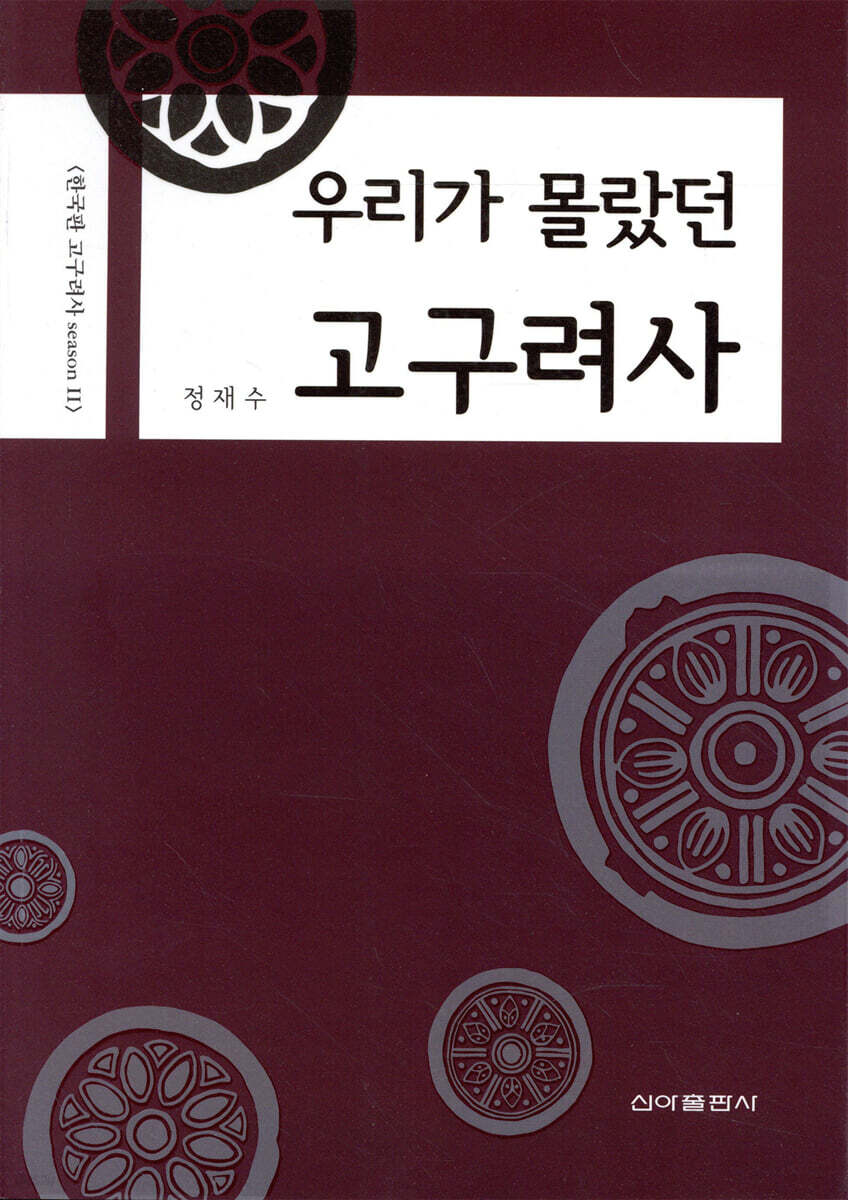
Goguryeo history we didn't know
 |
Description
Book Introduction
Goguryeo's first capital, Heulseunggolseong, was built on Mount Imurye in northern Liaoning Province.
The city of the dead (Necro Polis) is not the Capital City.
In our history of Goguryeo, the location of the first capital, Heulseunggolseong, and the role of the family's Guknaeseong are misunderstood.
First, Heulseunggolseong is the Onyeosanseong Fortress in Hwanin, Jilin Province.
This is the Ura (Oro) Mountain Fortress of the Goryeo Dynasty, according to Japanese colonial historian Ryuzo Torii.
However, the Samguk Sagi clearly records Mt. Yimuyulsan as the first capital of the northern advance into Liaoning Province.
Currently, there is Goryeosanseong Fortress on Mt. Imyuryeo.
Another is that the Jilin Province's domestic city is considered the capital city.
However, there is no record in any literature, including the Samguk Sagi, that Guknaeseong was the capital.
The city of the dead (Necro Polis) is not the capital.
It is a collective residence of tomb keepers created to protect and manage the Goguryeo tombs in the family.
In this way, the book points out and corrects the existing misinterpretations and errors in Goguryeo history one by one.
The city of the dead (Necro Polis) is not the Capital City.
In our history of Goguryeo, the location of the first capital, Heulseunggolseong, and the role of the family's Guknaeseong are misunderstood.
First, Heulseunggolseong is the Onyeosanseong Fortress in Hwanin, Jilin Province.
This is the Ura (Oro) Mountain Fortress of the Goryeo Dynasty, according to Japanese colonial historian Ryuzo Torii.
However, the Samguk Sagi clearly records Mt. Yimuyulsan as the first capital of the northern advance into Liaoning Province.
Currently, there is Goryeosanseong Fortress on Mt. Imyuryeo.
Another is that the Jilin Province's domestic city is considered the capital city.
However, there is no record in any literature, including the Samguk Sagi, that Guknaeseong was the capital.
The city of the dead (Necro Polis) is not the capital.
It is a collective residence of tomb keepers created to protect and manage the Goguryeo tombs in the family.
In this way, the book points out and corrects the existing misinterpretations and errors in Goguryeo history one by one.
index
· [Introduction] In search of the Goguryeo history we didn't know about
· Dynasty (founder) genealogy
· Royal lineage (royal calendar) genealogy
Chapter 1: The Founding of the Nation and the Succession of National Unity
King Chumo, the founder of the founding family
|The Inconvenient Shackles of Heulseunggolseong, the Birthplace of Goguryeo|
|Holborn Another name for Jolbon and Japan|The meaning of the national name Goguryeo|
|A New Understanding of the Transformation of Goguryeo's Capital|
|The Secret Behind the Name of Jumong, the Founder|Why the Chumo Myth Borrowed from the Dongmyeong Myth|
|King Chumo, the annexation of the Northern Buyeo states|King Chumo's biological mother, Lady Yuhwa|
Prince Gomyeong and King Yuryu
|King Yuryu Becomes Crown Prince|King Yuryu Moves the Capital to Winaamseong Fortress in Korea|
|The Whereabouts of Hyeop-bo, a Founding Contributor|Wang Mang's Misunderstanding of Goguryeo and Goryeo|
|The Unlucky Princes of the Yuryu Kingdom|Yeol and Prince Haesul|
King Daemusin, the conquering monarch
|King Daemusin who destroyed Dongbuyeo|King Daemusin who conquered Beijing|
|The Reality of the Nakrang Kingdom Conquered by King Daemusin|The Secret Behind Prince Hodong's Death|
People's King and Model King
|The Greatest Mystery Record in the Samguk Sagi|Nakrang and Nakrang Relics on the Korean Peninsula|
|The People's King and Seokguljang|King Mobon, the Worst Tyrant and Obsessed with Sex|
Chapter 2: A New Beginning for the Go Dynasty
King Taejo, founder of the Go Dynasty
|The Problem of Taejo's Title|The Story of King Sinmyeong Omitted from the Royal Chronicles|
|Summary of the three kings of the Hae Dynasty as recorded in the Gwanggaeto Stele|
|Taejo King who built 10 castles in the Yeosu region|Taejo King who toured Khabarovsk, Russia|
|The True Story of Mahan, the Appearance of King Taejo and the Continent|
King Chadae and King Shindae
|The Beginning and End of the King of Chadae|King Shindae and his mother, Lady Cheonhwa|Myeongnimdapbu and the Battle of Jwawon|
King Gogukcheon and King Sansang
|King Gogukcheon and the Prime Minister Eulpaso|Queen U, the Model of Criminal Investigation|
|In search of the capital city where the mountain king moved|
Chapter 3: Kings of the River Region
Dongcheonwang and the capital city of Pyongyang Castle
|The Heavenly King's Platform and Diplomatic Choices|
|The Invasion of the Guanqiu Sword and the Crisis of the Eastern Heavenly King|The Secret of the 《Guanqiu Sword Qigongbi》|
|Pyongyang Castle, the capital of the Eastern Heavenly King|Siwon, the burial site of the Eastern Heavenly King|
King Jungcheon, King Seocheon, and King Bongsang
|The Heavenly King and Queen Okmo of Silla|Statues from the Gamsin Tomb in Nampo, South Pyongan Province|
|The King of the West and the Dalga-Dolgo and the Rich|The Disgrace of the Deposed King of Bongsang|
|Kings Buried in the River|
Chapter 4: The First Ancestor, King Micheon and His Successors
King Micheon, King Gogukwon's last missionary
|Michonwang Bloodline Genealogy|The Success of the Seobeolnamjeong Policy|
|Genealogy of King Gogukwon|The Misfortunes of King Gogukwon|
|Questions and Truths about the Relocation of the Capital to the Nation|Film of King Gogukwon's Reign|
The Choice of the King of Sosurim and King Gogukyang
|The Forest King who chose Wasin Consultation|The King of Gogukyang, the Monarch of the Stepping Stones|
|The Correlation Between the 《Ji-an Goguryeo Stele》 and the 《Gwanggaeto Stele》|
|The owner of the Seodaechong and Cheonchuchong tombs|Royal tombs in the Masan-gu tomb complex|
Chapter 5: Gwanggaeto the Great, the Conqueror
A New Understanding of King Gwanggaeto
|Gwanggaeto the Great's Name, Damdeok, and Genealogy|Understanding Gwanggaeto the Great's Temple Name|
|Special Pattern of King Gwanggaeto|Used by King Taewang and King Hotae|
|Gwanggaeto the Great's Genealogy|Gwanggaeto the Great's Years of Ascension to the Throne and Death|
|Why was Gwanggaeto the Great's funeral delayed?|Who erected the Gwanggaeto Stele?|
King Gwanggaeto's conquest
|The Conquest Project of the Gwanggaeto Stele|
|Yeongnak 5th year: Suppression of Biryeo|Yeongnak 6th year: Conquest of the Japanese Remnants|Yeongnak 8th year: Conquest of Baekshin| |Yeongnak 10th year: Rescue of Silla|Yeongnak 14th year: Repulse of the Japanese|Yeongnak 17th year: Attack on ▨▨|
|Conquest of Eastern Buyeo in the 20th year of Yeongnak|Summary of King Gwanggaeto's conquests|
Taewangneung and the Chungju Goguryeo Stele
|Tomb of King Gwanggaeto the Great|Royal tombs in the Usanha Tombs|
|Chungju Goguryeo Stele Discovered on the Korean Peninsula|The Protagonist of the Deokheung-ri Tomb in South Pyongan Province|
Chapter 6: The Crossroads of Mercury and Revival
King Jangsu of Suwon and the transfer of the capital to Pyongyang
|Genealogy of King Jangsu|The story of King Jangsu's ascension to the throne|
|Prejudice against the posthumous title 'Jangsu'|Questions about King Jangsu's death|
Understanding King Jangsu's Foreign Policy | Pyongyang's Anhak Palace and Daeseongsanseong Fortress |
|The Mystery of the Owner of the General's Tomb|Tracking the Owner of the Samsil Tomb|
|Implications of the Gakjeochong and Muyongchong Tomb Murals|The Secret of the Stone Slabs of the Taewangchajarung Tomb|
King Anjang, the symbol of the literary world
|Writer Myeongwang, who received the blood of the Northern Wei royal family|Writer Myeongwang's tomb, Tomb No. 2 of Wuhui|
|The Chaos of King Anjang's Ascension to the Throne and the Battle of Ogok|Tracking Goguryeo Currency|
|The tomb of King Dongmyeong is the tomb of King Anjang|The owner of the tomb of King Han in Pyongyang|
The original kings of the Renaissance
|The Beginning and End of King Anwon|The Goguryeo King Who Granted the Royal Mandate of the Central Plains Dynasty|
|Yangwonwang and the Aristocrat Coalition Government|Pyeongwonwang and the Relocation of the Capital to Pyongyang and Chang'anseong|
|In search of the tombs of King Anwon and King Yangwon|Gilt-bronze Buddha statues and era names engraved on gilt-bronze plates|
Chapter 7: The War for Hegemony with the Sudang and Destruction
The Battle of the Masters and the King of Nutrition
|The King of Nutrition and the Battle of the Masters|The First Battle of the Masters and the River Transplant|
|The Second Battle of Goguryeo and Eulji Mundeok|The Truth About Eulji Mundeok and the Battle of Salsu|
|The 3rd and 4th Goguryeo Wars|The Whereabouts of the Goguryeo History Book, 『Yugi』|
The Gokse War and King Yeongryu
|King Yeongnyu and the Tang-Tang War|Yeon Gaesomun's Bloody Coup|Yeon Gaesomun and Emperor Taizong of Tang|
|The First Godang War and Yang Manchun|The Second Godang War and Yeon Gaesomun|
The Third Goguryeo-Tang War and the Fall of Goguryeo | Owners of the Three Gangseo Tombs in Pyongyang |
The frustration of the restoration movement
|Typhoon Recovery Movement in a Teacup|Go Seon-ji's Activities and the Limits of Refugees|
· Appendix
Buried in major Goguryeo tombs in the Pyongyang area┃Search
· Dynasty (founder) genealogy
· Royal lineage (royal calendar) genealogy
Chapter 1: The Founding of the Nation and the Succession of National Unity
King Chumo, the founder of the founding family
|The Inconvenient Shackles of Heulseunggolseong, the Birthplace of Goguryeo|
|Holborn Another name for Jolbon and Japan|The meaning of the national name Goguryeo|
|A New Understanding of the Transformation of Goguryeo's Capital|
|The Secret Behind the Name of Jumong, the Founder|Why the Chumo Myth Borrowed from the Dongmyeong Myth|
|King Chumo, the annexation of the Northern Buyeo states|King Chumo's biological mother, Lady Yuhwa|
Prince Gomyeong and King Yuryu
|King Yuryu Becomes Crown Prince|King Yuryu Moves the Capital to Winaamseong Fortress in Korea|
|The Whereabouts of Hyeop-bo, a Founding Contributor|Wang Mang's Misunderstanding of Goguryeo and Goryeo|
|The Unlucky Princes of the Yuryu Kingdom|Yeol and Prince Haesul|
King Daemusin, the conquering monarch
|King Daemusin who destroyed Dongbuyeo|King Daemusin who conquered Beijing|
|The Reality of the Nakrang Kingdom Conquered by King Daemusin|The Secret Behind Prince Hodong's Death|
People's King and Model King
|The Greatest Mystery Record in the Samguk Sagi|Nakrang and Nakrang Relics on the Korean Peninsula|
|The People's King and Seokguljang|King Mobon, the Worst Tyrant and Obsessed with Sex|
Chapter 2: A New Beginning for the Go Dynasty
King Taejo, founder of the Go Dynasty
|The Problem of Taejo's Title|The Story of King Sinmyeong Omitted from the Royal Chronicles|
|Summary of the three kings of the Hae Dynasty as recorded in the Gwanggaeto Stele|
|Taejo King who built 10 castles in the Yeosu region|Taejo King who toured Khabarovsk, Russia|
|The True Story of Mahan, the Appearance of King Taejo and the Continent|
King Chadae and King Shindae
|The Beginning and End of the King of Chadae|King Shindae and his mother, Lady Cheonhwa|Myeongnimdapbu and the Battle of Jwawon|
King Gogukcheon and King Sansang
|King Gogukcheon and the Prime Minister Eulpaso|Queen U, the Model of Criminal Investigation|
|In search of the capital city where the mountain king moved|
Chapter 3: Kings of the River Region
Dongcheonwang and the capital city of Pyongyang Castle
|The Heavenly King's Platform and Diplomatic Choices|
|The Invasion of the Guanqiu Sword and the Crisis of the Eastern Heavenly King|The Secret of the 《Guanqiu Sword Qigongbi》|
|Pyongyang Castle, the capital of the Eastern Heavenly King|Siwon, the burial site of the Eastern Heavenly King|
King Jungcheon, King Seocheon, and King Bongsang
|The Heavenly King and Queen Okmo of Silla|Statues from the Gamsin Tomb in Nampo, South Pyongan Province|
|The King of the West and the Dalga-Dolgo and the Rich|The Disgrace of the Deposed King of Bongsang|
|Kings Buried in the River|
Chapter 4: The First Ancestor, King Micheon and His Successors
King Micheon, King Gogukwon's last missionary
|Michonwang Bloodline Genealogy|The Success of the Seobeolnamjeong Policy|
|Genealogy of King Gogukwon|The Misfortunes of King Gogukwon|
|Questions and Truths about the Relocation of the Capital to the Nation|Film of King Gogukwon's Reign|
The Choice of the King of Sosurim and King Gogukyang
|The Forest King who chose Wasin Consultation|The King of Gogukyang, the Monarch of the Stepping Stones|
|The Correlation Between the 《Ji-an Goguryeo Stele》 and the 《Gwanggaeto Stele》|
|The owner of the Seodaechong and Cheonchuchong tombs|Royal tombs in the Masan-gu tomb complex|
Chapter 5: Gwanggaeto the Great, the Conqueror
A New Understanding of King Gwanggaeto
|Gwanggaeto the Great's Name, Damdeok, and Genealogy|Understanding Gwanggaeto the Great's Temple Name|
|Special Pattern of King Gwanggaeto|Used by King Taewang and King Hotae|
|Gwanggaeto the Great's Genealogy|Gwanggaeto the Great's Years of Ascension to the Throne and Death|
|Why was Gwanggaeto the Great's funeral delayed?|Who erected the Gwanggaeto Stele?|
King Gwanggaeto's conquest
|The Conquest Project of the Gwanggaeto Stele|
|Yeongnak 5th year: Suppression of Biryeo|Yeongnak 6th year: Conquest of the Japanese Remnants|Yeongnak 8th year: Conquest of Baekshin| |Yeongnak 10th year: Rescue of Silla|Yeongnak 14th year: Repulse of the Japanese|Yeongnak 17th year: Attack on ▨▨|
|Conquest of Eastern Buyeo in the 20th year of Yeongnak|Summary of King Gwanggaeto's conquests|
Taewangneung and the Chungju Goguryeo Stele
|Tomb of King Gwanggaeto the Great|Royal tombs in the Usanha Tombs|
|Chungju Goguryeo Stele Discovered on the Korean Peninsula|The Protagonist of the Deokheung-ri Tomb in South Pyongan Province|
Chapter 6: The Crossroads of Mercury and Revival
King Jangsu of Suwon and the transfer of the capital to Pyongyang
|Genealogy of King Jangsu|The story of King Jangsu's ascension to the throne|
|Prejudice against the posthumous title 'Jangsu'|Questions about King Jangsu's death|
Understanding King Jangsu's Foreign Policy | Pyongyang's Anhak Palace and Daeseongsanseong Fortress |
|The Mystery of the Owner of the General's Tomb|Tracking the Owner of the Samsil Tomb|
|Implications of the Gakjeochong and Muyongchong Tomb Murals|The Secret of the Stone Slabs of the Taewangchajarung Tomb|
King Anjang, the symbol of the literary world
|Writer Myeongwang, who received the blood of the Northern Wei royal family|Writer Myeongwang's tomb, Tomb No. 2 of Wuhui|
|The Chaos of King Anjang's Ascension to the Throne and the Battle of Ogok|Tracking Goguryeo Currency|
|The tomb of King Dongmyeong is the tomb of King Anjang|The owner of the tomb of King Han in Pyongyang|
The original kings of the Renaissance
|The Beginning and End of King Anwon|The Goguryeo King Who Granted the Royal Mandate of the Central Plains Dynasty|
|Yangwonwang and the Aristocrat Coalition Government|Pyeongwonwang and the Relocation of the Capital to Pyongyang and Chang'anseong|
|In search of the tombs of King Anwon and King Yangwon|Gilt-bronze Buddha statues and era names engraved on gilt-bronze plates|
Chapter 7: The War for Hegemony with the Sudang and Destruction
The Battle of the Masters and the King of Nutrition
|The King of Nutrition and the Battle of the Masters|The First Battle of the Masters and the River Transplant|
|The Second Battle of Goguryeo and Eulji Mundeok|The Truth About Eulji Mundeok and the Battle of Salsu|
|The 3rd and 4th Goguryeo Wars|The Whereabouts of the Goguryeo History Book, 『Yugi』|
The Gokse War and King Yeongryu
|King Yeongnyu and the Tang-Tang War|Yeon Gaesomun's Bloody Coup|Yeon Gaesomun and Emperor Taizong of Tang|
|The First Godang War and Yang Manchun|The Second Godang War and Yeon Gaesomun|
The Third Goguryeo-Tang War and the Fall of Goguryeo | Owners of the Three Gangseo Tombs in Pyongyang |
The frustration of the restoration movement
|Typhoon Recovery Movement in a Teacup|Go Seon-ji's Activities and the Limits of Refugees|
· Appendix
Buried in major Goguryeo tombs in the Pyongyang area┃Search
GOODS SPECIFICS
- Date of issue: October 1, 2024
- Page count, weight, size: 524 pages | 872g | 169*235*22mm
- ISBN13: 9791194198468
- ISBN10: 1194198465
You may also like
카테고리
korean


korean

![GQ KOREA Mark (Monthly): December [2025]](http://librairie.coreenne.fr/cdn/shop/files/8ef265dbbfbf186523ed75ba7319009d.jpg?v=1765340328&width=3840)


