

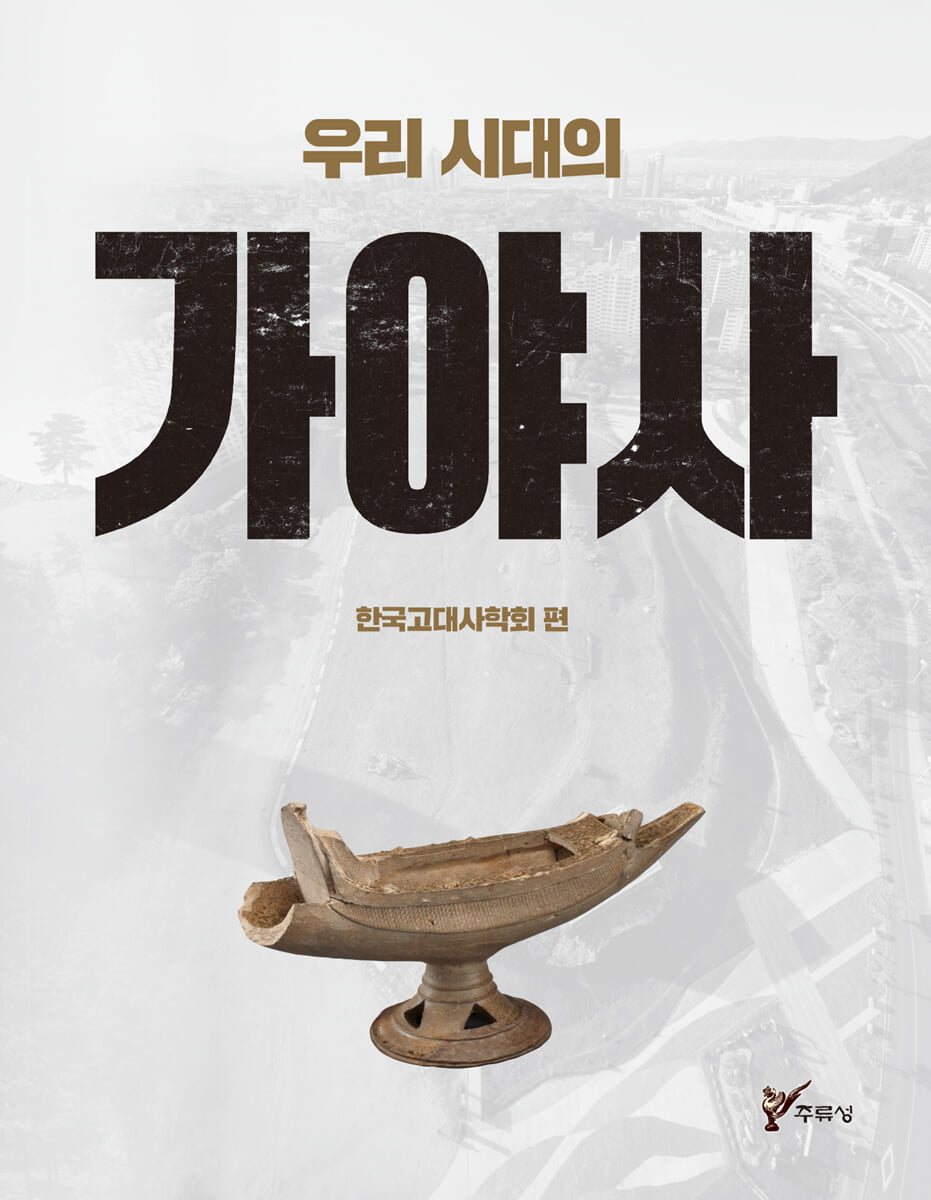
Gaya history of our time
 |
Description
Book Introduction
An Introduction to Gaya History: Discovering the True Face of the Underrated Gaya History
Gaya, along with Goguryeo, Baekje, and Silla, formed one of the pillars of Korea's ancient states.
Gaya, which fell in 562, did not last much longer than Goguryeo or Baekje.
However, when it comes to ancient Korean history, the Three Kingdoms come to mind first.
This seems to have been influenced by the fact that the Samguk Sagi, compiled in the mid-Goryeo period, does not contain a Gaya biography and that related records are very scarce, and that researchers believe that Gaya should be distinguished from the Three Kingdoms because it did not reach the level of an ancient ruling state but remained at the confederation stage.
However, recent research results show that opinions are converging on the emergence of a central state in a regional area and the change in central power rather than the theory of a single Gaya confederation.
In the case of Daegaya, there was also an argument that it reached the stage of an ancient state and formed a wide sphere of influence by integrating its surrounding areas.
Research results on the strengthening of the central power of each Gaya state, its social structure, and Gaya's active foreign exchanges as revealed by archaeological data have also been accumulated.
Thanks to these achievements, the underrated Gaya history is now regaining its original form.
At the same time, the Gaya Tombs were registered as a World Cultural Heritage site, increasing public interest in Gaya's history and culture.
The Society of Korean Ancient History has determined that it is necessary to compile the research findings of academia to stimulate interest in Gaya history and satisfy the academic needs of the public. As a result, this book is being published.
Gaya, along with Goguryeo, Baekje, and Silla, formed one of the pillars of Korea's ancient states.
Gaya, which fell in 562, did not last much longer than Goguryeo or Baekje.
However, when it comes to ancient Korean history, the Three Kingdoms come to mind first.
This seems to have been influenced by the fact that the Samguk Sagi, compiled in the mid-Goryeo period, does not contain a Gaya biography and that related records are very scarce, and that researchers believe that Gaya should be distinguished from the Three Kingdoms because it did not reach the level of an ancient ruling state but remained at the confederation stage.
However, recent research results show that opinions are converging on the emergence of a central state in a regional area and the change in central power rather than the theory of a single Gaya confederation.
In the case of Daegaya, there was also an argument that it reached the stage of an ancient state and formed a wide sphere of influence by integrating its surrounding areas.
Research results on the strengthening of the central power of each Gaya state, its social structure, and Gaya's active foreign exchanges as revealed by archaeological data have also been accumulated.
Thanks to these achievements, the underrated Gaya history is now regaining its original form.
At the same time, the Gaya Tombs were registered as a World Cultural Heritage site, increasing public interest in Gaya's history and culture.
The Society of Korean Ancient History has determined that it is necessary to compile the research findings of academia to stimulate interest in Gaya history and satisfy the academic needs of the public. As a result, this book is being published.
- You can preview some of the book's contents.
Preview
index
In publishing the book
Guide to Gaya History
1.
Achievements of Gaya History Research
1) Overcoming the Imna Japanese theory
2) Archaeological excavations that stimulated research
3) Expanding research horizons
2.
The name and meaning of Gara (Gaya) and Imna
1) The name and ambiguous meaning of ‘Gara (Gaya)’
2) The origin and meaning of 'Imna'
3.
The space of Gaya history and Byeonhan and Gaya
1) The space where Gaya history unfolded
2) The relationship between Byeonhan and Gaya
Chapter 1: The Origin of Gaya
1.
The emergence of the political system and the founding myth
1) Formation of villages
2) Formation of the country
3) The formation of this country through the founding myth
4) National structure and governing organization
2.
Formation of change
1) Several countries that formed the Byeonhan
2) Establishment and operation of the system
3) The growth of Byeonhan and the Guyaguk
3.
From Byeonhan to Gaya
1) The attack on Kara and Silla by the eight kingdoms of reward and the reorganization of the trade system.
2) Cessation of negotiations with the West
3) Transition to a Gaya society
Chapter 2 Growth and Development
1.
Growth and development of each country
1) Geumgwan Gaya
2) Daegaya
3) Ara Gaya
4) Non-fire Gaya
5) Sogaya
6) Other countries
2.
Changes in the central country
1) Geumgwan Gaya, the first central state of Gaya
2) Daegaya, the new central state of Gaya
3) Ara Gaya emerged as a center of diplomacy
Chapter 3 International Relations and Exchanges
1.
4th Century: Reorganization of Trade Networks and Responses of Each Country
1) Competition between Gaya and Silla for dominance in trade along the southern coast
2) Mediate between Baekje and Wa and participate in trade
3) King Gwanggaeto of Goguryeo's salvation of Silla and the decline of Imnagara
2.
5th century: Gaya's growing presence
1) Make your name known to the international community
2) Cooperation with Baekje and Silla and establishment of an anti-Goguryeo united front
3) Gaya's expansion of power and conflict with Baekje
3.
6th Century: Pursuing an Independent Path and Its Limitations
1) Conflict between Daegaya and Baekje surrounding the eastern region of Jeolla Province
2) Formation and collapse of the marriage alliance between Daegaya and Silla
3) Diplomatic efforts and frustrations led by Ara Gaya
4) Two private meetings and Gaya
5) Military support to Baekje and defeat in the Battle of Gwansanseong
4.
cultural exchange
1) Gaya and the Three Kingdoms
2) Gaya, China, and Japan
Chapter 4: Destruction and Aftermath
1.
The decline and fall of the Gaya states
1) Geumgwan Gaya
2) Bigahwaga
3) Ara Gaya
4) Sogaya
5) Daegaya
6) Other countries
2.
Silla's rule over the Gaya region
1) Organization into local government organization
2) Policy toward Gaya refugees
3.
Activities of the Gaya people
1) Geumgwan Gaya lineage
2) Daegaya lineage
3) Sacrifice and faith after destruction
Chapter 5 Life and Culture
1.
The shape of life
1) Clothes and accessories
2) Diet
3) Housing
2.
Faith and Sacrifice
1) Indigenous beliefs
2) Buddhist faith
3) Funeral
4) Sacrifice
3.
Festivals and Music
1) Festival…
2) 12 songs for gayageum and ureuk
In closing the book
Guide to Gaya History
1.
Achievements of Gaya History Research
1) Overcoming the Imna Japanese theory
2) Archaeological excavations that stimulated research
3) Expanding research horizons
2.
The name and meaning of Gara (Gaya) and Imna
1) The name and ambiguous meaning of ‘Gara (Gaya)’
2) The origin and meaning of 'Imna'
3.
The space of Gaya history and Byeonhan and Gaya
1) The space where Gaya history unfolded
2) The relationship between Byeonhan and Gaya
Chapter 1: The Origin of Gaya
1.
The emergence of the political system and the founding myth
1) Formation of villages
2) Formation of the country
3) The formation of this country through the founding myth
4) National structure and governing organization
2.
Formation of change
1) Several countries that formed the Byeonhan
2) Establishment and operation of the system
3) The growth of Byeonhan and the Guyaguk
3.
From Byeonhan to Gaya
1) The attack on Kara and Silla by the eight kingdoms of reward and the reorganization of the trade system.
2) Cessation of negotiations with the West
3) Transition to a Gaya society
Chapter 2 Growth and Development
1.
Growth and development of each country
1) Geumgwan Gaya
2) Daegaya
3) Ara Gaya
4) Non-fire Gaya
5) Sogaya
6) Other countries
2.
Changes in the central country
1) Geumgwan Gaya, the first central state of Gaya
2) Daegaya, the new central state of Gaya
3) Ara Gaya emerged as a center of diplomacy
Chapter 3 International Relations and Exchanges
1.
4th Century: Reorganization of Trade Networks and Responses of Each Country
1) Competition between Gaya and Silla for dominance in trade along the southern coast
2) Mediate between Baekje and Wa and participate in trade
3) King Gwanggaeto of Goguryeo's salvation of Silla and the decline of Imnagara
2.
5th century: Gaya's growing presence
1) Make your name known to the international community
2) Cooperation with Baekje and Silla and establishment of an anti-Goguryeo united front
3) Gaya's expansion of power and conflict with Baekje
3.
6th Century: Pursuing an Independent Path and Its Limitations
1) Conflict between Daegaya and Baekje surrounding the eastern region of Jeolla Province
2) Formation and collapse of the marriage alliance between Daegaya and Silla
3) Diplomatic efforts and frustrations led by Ara Gaya
4) Two private meetings and Gaya
5) Military support to Baekje and defeat in the Battle of Gwansanseong
4.
cultural exchange
1) Gaya and the Three Kingdoms
2) Gaya, China, and Japan
Chapter 4: Destruction and Aftermath
1.
The decline and fall of the Gaya states
1) Geumgwan Gaya
2) Bigahwaga
3) Ara Gaya
4) Sogaya
5) Daegaya
6) Other countries
2.
Silla's rule over the Gaya region
1) Organization into local government organization
2) Policy toward Gaya refugees
3.
Activities of the Gaya people
1) Geumgwan Gaya lineage
2) Daegaya lineage
3) Sacrifice and faith after destruction
Chapter 5 Life and Culture
1.
The shape of life
1) Clothes and accessories
2) Diet
3) Housing
2.
Faith and Sacrifice
1) Indigenous beliefs
2) Buddhist faith
3) Funeral
4) Sacrifice
3.
Festivals and Music
1) Festival…
2) 12 songs for gayageum and ureuk
In closing the book
Publisher's Review
Since the 1970s and 1980s, as archaeological excavations have become more active, various aspects of Gaya history have been brought to light in new light.
In academic circles, there has been an attempt to comprehensively and organically understand literary and archaeological data, and to look at ancient Korean history and East Asian history while maintaining the perspectives of each Gaya country.
These efforts have deepened understanding of Gaya history and increased social interest.
In middle school history textbooks used since 2020, Gaya's importance has been emphasized to the extent that it occupies an equal proportion with the Three Kingdoms, and the Gaya Tombs were registered as a World Heritage Site at the 43rd session of the UNESCO World Heritage Committee held in Riyadh, Saudi Arabia in September 2023.
Since its founding, the Society for Korean Ancient History has strived to share the achievements of academia with civil society.
While prioritizing academic depth and reflection, we also conducted various activities to make the results easily accessible to the general public.
In 2016, large-scale citizen lectures were held in the first and second half of the year, and these lectures were compiled and published as 『Ancient Korean History in Our Times 1·2』 (2017, Juryeoseong).
This book is part of that effort.
As social interest in Gaya history has recently increased and unfair instigation continues unabated, the Society for Korean Ancient History has also felt the need to respond faithfully to this.
Because this book reflects the latest academic achievements, I believe it will serve as a helpful guide not only for the general public but also for college and graduate students beginning to study Gaya history.
As mentioned in the preface, the authors and reviewers held six editorial meetings between March 27, 2023, and May 30, 2024.
On October 13, 2023, the Gaya ruins were also visited.
At the editorial meeting, the writing team agreed to write according to the prevailing or majority opinion.
However, since we cannot completely agree on this, we decided to respect the opinion of the author of the article.
However, the direction of writing, concepts, and terminology had to be confirmed at the editorial meeting, and there were two major issues.
First, it was the establishment of the relationship between Byeonhan and Gaya.
The question was whether to view the history of Byeonhan as part of the history of Gaya, or to distinguish between Byeonhan and Gaya in various political and social aspects.
It was necessary to clarify whether the transition from Byeonhan to Gaya was continuous or reflected a qualitative change.
This was important because it was a matter of understanding the historical development of not only Byeonhan and Gaya, but also Mahan, Baekje, Jinhan, and Silla.
In this book, I decided to take a compromise position.
While acknowledging the continuity between Byeonhan and Gaya, it was intended to sufficiently capture the political and social changes from Byeonhan to Gaya in the late 3rd century to the early 4th century.
Second, there was the question of whether to use the concept of federation or confederation.
Previous studies on Gaya history focused on explaining the formation and development of the confederation and the growth and replacement of the central state.
Representative examples include the early Gaya confederacy centered on Guya and Geumgwan Gaya and the later Gaya confederacy centered on Daegaya.
This understanding is still reflected in history textbooks today.
However, Gaya was composed of many countries, not just Geumgwan Gaya and Daegaya.
It is not a single national history, but a composite national history.
Therefore, previous studies centered on central countries have limitations in that they overlook the independence of individual countries.
In recent studies, there has been a variety of discussions regarding the concept of federation.
Tribal federations, regional federations, national federations, and economic communities were proposed, but there was a general consensus that there was skepticism about a single federation centered on Geumgwan Gaya and Daegaya, and there was a strong tendency to value each country's perspective.
However, since there is not much material that can show the history of each country, it was difficult to describe it in units of each country's history.
I also had deep concerns about how to understand the commonalities of the countries collectively referred to as Gaya or Imna.
Some believe that the name Gaya was given later, so the question was whether it could be grouped under the name ‘Gaya History.’
It was not a problem that could be readily resolved within the current state of research.
However, the writing and editing team decided not to use the term 'federation' in respect of recent research trends.
In addition, we decided to describe the history of Gaya from the perspective of each country, but to give importance to the central country and its changes.
Thirdly, there was the issue of Gaya's name.
According to recent research, the five Gaya states that appear in the Samguk Yusa are later concepts.
In this book, we agree with these research results and decided to respect the names of countries and places at the time.
However, consistency was needed in writing country names and place names.
For example, the Guya Kingdom of Byeonhan was later called by various names such as Namgara, Geumgwan-guk, and Garak-guk.
Even the name Garaguk could refer to both Geumgwan Gaya and Daegaya.
There was concern that writing down the country names or place names used at the time as they were could cause confusion in understanding.
Therefore, in this book, we will use the names of countries that were widely used in the past, such as Geumgwan Gaya and Daegaya, as they are, but we will also try to identify and describe the names of countries and place names of the time.
In previous studies, the general perception was that Gaya was a backward society compared to the three kingdoms of Goguryeo, Baekje, and Silla, which grew into ruling states.
Even in history textbooks, growth into a ruling state is considered national development, so Gaya is read as an unfinished political entity.
However, recent research suggests that the ruling state is not the only form of ancient state, and that the linear development process needs to be reconsidered.
According to this, Gaya, which was a state where several countries coexisted, can be seen as a form of ancient state, and can be noted as an example that shows the diversity of ancient East Asian civilization.
Although the status of each country was differential, it was horizontal rather than vertical.
Although there was a central power, the central power could change depending on the strength of the power, and the relationships between each country fluctuated according to the international situation in East Asia.
The historical development of Gaya was pluralistic and three-dimensional rather than linear and flat, and open and relative rather than closed and isolated.
The history of Gaya provides clues that can shed new light on ancient Korean history, which has been described primarily through the lens of the ruling state, and further, on ancient East Asian civilization.
Fortunately, Gaya's history was reflected in its culture.
The Gaya Tombs, registered as a UNESCO World Heritage Site, are a good example of this.
Although the efforts of many researchers have shed new light on various aspects of Gaya, many challenges still remain.
The historical development of Gaya, studied from the perspectives of each country, must be comprehensively organized.
There is a need to examine Gaya's spatiotemporal scope more closely and clarify its detailed regions.
We need to look at the growth of each country from a more multifaceted perspective and organically understand each country's politics, society, and culture.
From a comparative historical perspective, we must be able to explain the universality and specificity of Gaya history beyond East Asian history and within world history.
In academic circles, there has been an attempt to comprehensively and organically understand literary and archaeological data, and to look at ancient Korean history and East Asian history while maintaining the perspectives of each Gaya country.
These efforts have deepened understanding of Gaya history and increased social interest.
In middle school history textbooks used since 2020, Gaya's importance has been emphasized to the extent that it occupies an equal proportion with the Three Kingdoms, and the Gaya Tombs were registered as a World Heritage Site at the 43rd session of the UNESCO World Heritage Committee held in Riyadh, Saudi Arabia in September 2023.
Since its founding, the Society for Korean Ancient History has strived to share the achievements of academia with civil society.
While prioritizing academic depth and reflection, we also conducted various activities to make the results easily accessible to the general public.
In 2016, large-scale citizen lectures were held in the first and second half of the year, and these lectures were compiled and published as 『Ancient Korean History in Our Times 1·2』 (2017, Juryeoseong).
This book is part of that effort.
As social interest in Gaya history has recently increased and unfair instigation continues unabated, the Society for Korean Ancient History has also felt the need to respond faithfully to this.
Because this book reflects the latest academic achievements, I believe it will serve as a helpful guide not only for the general public but also for college and graduate students beginning to study Gaya history.
As mentioned in the preface, the authors and reviewers held six editorial meetings between March 27, 2023, and May 30, 2024.
On October 13, 2023, the Gaya ruins were also visited.
At the editorial meeting, the writing team agreed to write according to the prevailing or majority opinion.
However, since we cannot completely agree on this, we decided to respect the opinion of the author of the article.
However, the direction of writing, concepts, and terminology had to be confirmed at the editorial meeting, and there were two major issues.
First, it was the establishment of the relationship between Byeonhan and Gaya.
The question was whether to view the history of Byeonhan as part of the history of Gaya, or to distinguish between Byeonhan and Gaya in various political and social aspects.
It was necessary to clarify whether the transition from Byeonhan to Gaya was continuous or reflected a qualitative change.
This was important because it was a matter of understanding the historical development of not only Byeonhan and Gaya, but also Mahan, Baekje, Jinhan, and Silla.
In this book, I decided to take a compromise position.
While acknowledging the continuity between Byeonhan and Gaya, it was intended to sufficiently capture the political and social changes from Byeonhan to Gaya in the late 3rd century to the early 4th century.
Second, there was the question of whether to use the concept of federation or confederation.
Previous studies on Gaya history focused on explaining the formation and development of the confederation and the growth and replacement of the central state.
Representative examples include the early Gaya confederacy centered on Guya and Geumgwan Gaya and the later Gaya confederacy centered on Daegaya.
This understanding is still reflected in history textbooks today.
However, Gaya was composed of many countries, not just Geumgwan Gaya and Daegaya.
It is not a single national history, but a composite national history.
Therefore, previous studies centered on central countries have limitations in that they overlook the independence of individual countries.
In recent studies, there has been a variety of discussions regarding the concept of federation.
Tribal federations, regional federations, national federations, and economic communities were proposed, but there was a general consensus that there was skepticism about a single federation centered on Geumgwan Gaya and Daegaya, and there was a strong tendency to value each country's perspective.
However, since there is not much material that can show the history of each country, it was difficult to describe it in units of each country's history.
I also had deep concerns about how to understand the commonalities of the countries collectively referred to as Gaya or Imna.
Some believe that the name Gaya was given later, so the question was whether it could be grouped under the name ‘Gaya History.’
It was not a problem that could be readily resolved within the current state of research.
However, the writing and editing team decided not to use the term 'federation' in respect of recent research trends.
In addition, we decided to describe the history of Gaya from the perspective of each country, but to give importance to the central country and its changes.
Thirdly, there was the issue of Gaya's name.
According to recent research, the five Gaya states that appear in the Samguk Yusa are later concepts.
In this book, we agree with these research results and decided to respect the names of countries and places at the time.
However, consistency was needed in writing country names and place names.
For example, the Guya Kingdom of Byeonhan was later called by various names such as Namgara, Geumgwan-guk, and Garak-guk.
Even the name Garaguk could refer to both Geumgwan Gaya and Daegaya.
There was concern that writing down the country names or place names used at the time as they were could cause confusion in understanding.
Therefore, in this book, we will use the names of countries that were widely used in the past, such as Geumgwan Gaya and Daegaya, as they are, but we will also try to identify and describe the names of countries and place names of the time.
In previous studies, the general perception was that Gaya was a backward society compared to the three kingdoms of Goguryeo, Baekje, and Silla, which grew into ruling states.
Even in history textbooks, growth into a ruling state is considered national development, so Gaya is read as an unfinished political entity.
However, recent research suggests that the ruling state is not the only form of ancient state, and that the linear development process needs to be reconsidered.
According to this, Gaya, which was a state where several countries coexisted, can be seen as a form of ancient state, and can be noted as an example that shows the diversity of ancient East Asian civilization.
Although the status of each country was differential, it was horizontal rather than vertical.
Although there was a central power, the central power could change depending on the strength of the power, and the relationships between each country fluctuated according to the international situation in East Asia.
The historical development of Gaya was pluralistic and three-dimensional rather than linear and flat, and open and relative rather than closed and isolated.
The history of Gaya provides clues that can shed new light on ancient Korean history, which has been described primarily through the lens of the ruling state, and further, on ancient East Asian civilization.
Fortunately, Gaya's history was reflected in its culture.
The Gaya Tombs, registered as a UNESCO World Heritage Site, are a good example of this.
Although the efforts of many researchers have shed new light on various aspects of Gaya, many challenges still remain.
The historical development of Gaya, studied from the perspectives of each country, must be comprehensively organized.
There is a need to examine Gaya's spatiotemporal scope more closely and clarify its detailed regions.
We need to look at the growth of each country from a more multifaceted perspective and organically understand each country's politics, society, and culture.
From a comparative historical perspective, we must be able to explain the universality and specificity of Gaya history beyond East Asian history and within world history.
GOODS SPECIFICS
- Date of issue: October 10, 2024
- Page count, weight, size: 268 pages | 584g | 175*226*15mm
- ISBN13: 9788962465433
- ISBN10: 8962465434
You may also like
카테고리
korean


korean

![GQ KOREA Mark (Monthly): December [2025]](http://librairie.coreenne.fr/cdn/shop/files/8ef265dbbfbf186523ed75ba7319009d.jpg?v=1765340328&width=3840)


