

Baekje Temple we didn't know about
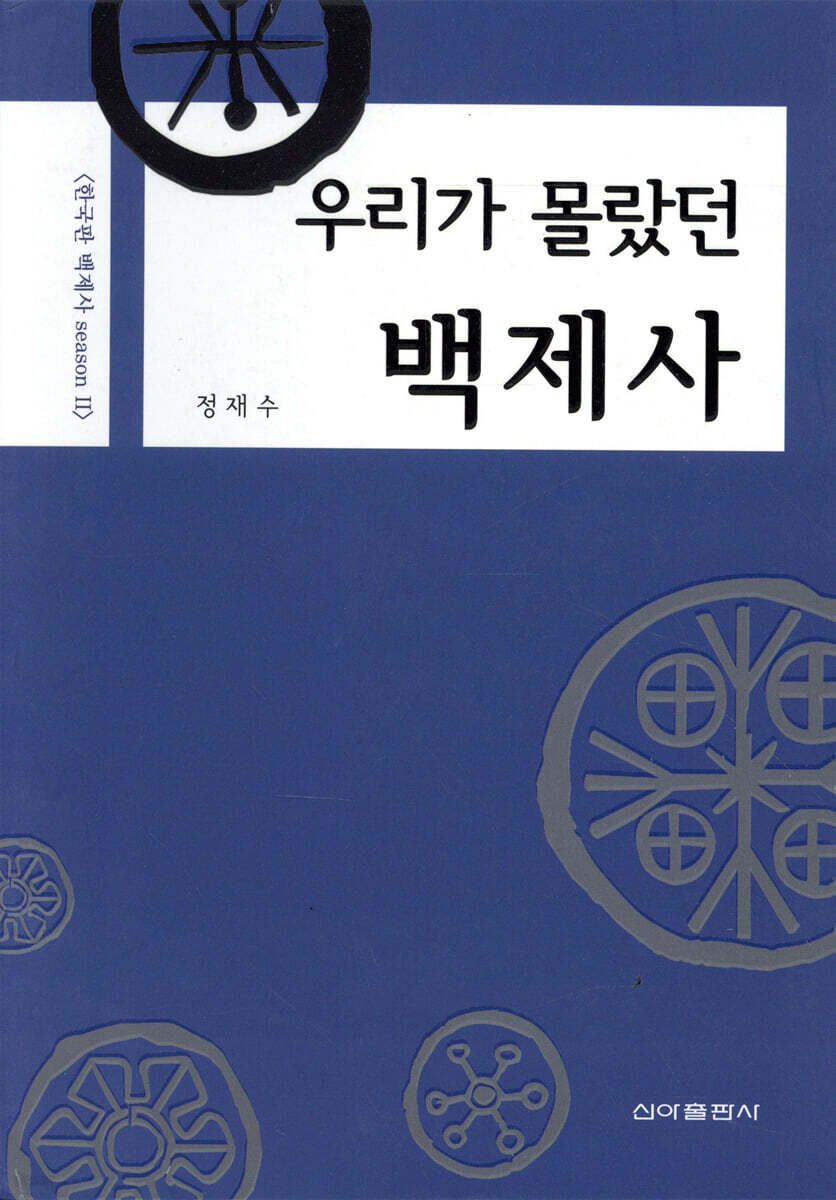 |
Description
Book Introduction
This is a novel history of Baekje that overcomes the limitations of the Samguk Sagi records.
The author notes that the records in Chinese and Japanese historical records are not connected to the Samguk Sagi, and clearly restores the history of the Gutae lineage of the founders through the records of the Samguk Sagi in the Namdang manuscript.
From the reader's perspective, the content itself may be somewhat unfamiliar.
However, this unfamiliarity will rather bring insight into a new understanding of Baekje history.
The author notes that the records in Chinese and Japanese historical records are not connected to the Samguk Sagi, and clearly restores the history of the Gutae lineage of the founders through the records of the Samguk Sagi in the Namdang manuscript.
From the reader's perspective, the content itself may be somewhat unfamiliar.
However, this unfamiliarity will rather bring insight into a new understanding of Baekje history.
index
chapter1.
The cradle and dawn of the nation
Sijo and the National Founding Process 16
┃In Search of the First Capital, Wiryeseong┃Michuhol's Sad Self-Portrait┃
┃The Founding Fathers, Onjo, Biryu, and Gutae┃The Evolution of Baekje's National Name┃
┃The Hidden Heroes of the Founding of Baekje: Soseono and Eulum┃The Secret of Baekje's Founding Recorded in the Gwanggaeto Stele┃
┃Hannam, Baekje land within Goguryeo territory┃
3rd base king of the Onjo system 42
┃Early 3rd King, Emphasizes the Royal Bloodline of Buyeo┃Fierce Battle between Daru King and Seok Talhae┃
┃Questions about King Giru's Reign┃The Exile of King Gaeru and Silla's Gilseon to Baekje┃
┃The Tale of Lady Domi and the Fall of King Gaeru┃
Third Sijo Gutae 55
┃Who is Gutae?┃Dongmyeongwang and his descendant Gutae┃Buyeo King Daebanggoji, the first king to establish a nation┃
┃The Liaodong War, Weigutai, and Mahan on the Korean Peninsula┃Weigutai's Founding of Western Buyeo and Its Division┃
┃King Guji, who married Gongsun Do's daughter┃The suffering of Western Buyeo and the Baekga Empire┃
┃The Reality of the Third Progenitor, Gutae┃The Mysterious King Guji of Baekje┃
Chapter 2.
Ultra-high series and high-speed series
The first king of the Biryu lineage, 102
┃Change of Baekje royal lineage, emergence of the Chogo lineage┃Establishment of place names on the Korean Peninsula┃
┃Independent Diplomacy of the Mahan Shinmi Empire┃Wolna State, the Origin of the Eight Kingdoms of Wolchulsan and Bosang┃
The appearance of King Goi of the Northern lineage 116
┃The Emergence of King Goi of the Northern Lineage┃The Battle of Giriyeong and the Reality of Mahan┃King Cheokgye, Who Inaugurated the Hanseong Era┃
┃The King of Bunseo, the Death of King Bunseo and the Beginning of Sword Dance, Hwang Chang-rang┃The Great Heroine, Queen Bogwa┃
139 The Buyeo Horsemen who Appeared on the Korean Peninsula
┃Records of King Biryu and Metaphorical Expressions┃The Appearance of the Buyeo Horse Tribe on the Korean Peninsula┃
┃Buyeo Clan Active in the Jungwon Dynasty┃Power Group that Built the Gimje Byeokgolje┃
┃Tomb owners of the Seokchon-dong Ancient Tombs in Seoul┃
Chapter 3.
King Geunchogo and the Buyeo cavalry
The Reality of King Geunchogo, the Conqueror 162
┃King Geunchogo, the Conqueror┃King Gogukwon and King Geunchogo┃
┃「Queen Shingong's Conquest of the Three Kingdoms」and King Geunchogo┃Chiljido and King Geunchogo┃
┃「Yeoseo Gyeongryakseol」and King Geunchogo┃The Reality of King Geunchogo, the Conqueror┃King Geunchogo's Move of the Capital to Hansan┃
Descendants of King Geunchogo 189
┃King Geun-gusu and Queen Ai┃King Chimryu, who accepted Buddhism┃Historical symbolism of Baekje's Gwanmi Fortress┃
┃The Mystery of King Jinsa's Death┃Queen Ai, the Incarnation of Power from Silla┃
Gwanggaeto Stele and the Buyeo Horsemen of the Korean Peninsula 207
┃The Buyeo Horsemen of the Korean Peninsula as Recorded in the Gwanggaeto Stele┃The Whereabouts of the Buyeo Horsemen in the Chungju Goguryeo Stele┃
┃The process of establishing Yamato by the Buyeo cavalry tribes of the Korean Peninsula┃Prince Jeonji, who went to Japan as a hostage┃
┃The Greatest Exodus in Our History┃The Fate of Queen Palsu, a Royal Family Member┃
┃The owner of the tombs in Gamil-dong, Hanam┃Hanam Iseongsanseong Fortress and the ancestral tomb rites┃
┃About the Daeseong Paljok Mok Clan┃
Chapter 4.
The suffering of the Buyeo Dynasty
King Biyu, founder of the Buyeo Dynasty (252)
┃The appearance of the first Buyeo goddess┃The mystery of King Biyu's origins┃Control of the southwestern region of the Korean Peninsula┃
┃Baekje-Yamato Diplomatic War┃Baekje-Silla Marriage Alliance┃The Emergence of Flames from the Wheel of Fire┃
┃The Appearance of the Black Dragon and the Death of King Biyu┃The Grave Owners of the Bangi-dong Tombs in Seoul┃
King Gaero, who caused the fall of Hanseong, 277
┃The Fall of Hanseong and King Gaero's Choice┃The Truth Behind King Gaero's Death┃The Tragedy of Mount Acha and the Royal Family┃
┃In Search of King Gaero's Tomb┃
The coordinates of the Ungjin era, King Munju 291
┃King Munju Requests Silla Support┃King Munju's Indecisive Evaluation┃The Mystery of King Samgeun's Death┃
┃The protagonists of Songsan-ri Tombs 1-4┃Yamato King Ungyak's efforts to take over Baekje┃
Mysterious Figure Gonjiwang 309
┃Asukabe Shrine and King Gonji┃The Common Denominator of Ancient Korean and Japanese History┃A Fateful Encounter with King Gonji┃
┃In Search of King Gonji's Tomb┃The Tomb Owner of the Janggo-type Tomb in South Jeolla Province┃
┃Memories of Baekje People in Asuka┃
Chapter 5.
The Light and Shadow of Conquest and Revival
King Dongseong, the conquering monarch who commanded the continent, 336
┃The various names of King Dongseong┃Understanding the process of King Dongseong's ascension to the throne┃King Modo, who represented Baekje┃
┃King Dongseong, who conquered the Shandong Peninsula┃Complicated marital relationship with Silla┃
┃The Secret Behind King Dongseong's Death┃King Dongseong's Tomb, Songsan-ri Tombs, Tomb No. 6┃
King Muryeong's Tomb and the Restoration of King Muryeong 358
┃The Secret of King Muryeong's Birth┃The Mystery Behind King Muryeong's Ascension to the Throne┃
┃The Bronze Mirror of Suda Hachiman Shrine and King Muryeong┃《Yangjikgongdo》 and the World of King Muryeong┃
┃The Truth Behind the Poisoning of King Muryeong┃Tracking the Owner of Tomb No. 29 in Songsan-ri Tombs┃
Chapter 6.
The revival of the Buyeo Empire
King Seong, who dreamed of the revival of the Buyeo Empire in 382
┃The Meaning of the Founding of Daetongsa Temple┃The Relocation of the Capital to Sabi and the Change of the National Name to Southern Buyeo┃
┃The love story of Baekje's beauty, Hanju┃The Battle of Gwansanseong Fortress and King Seong's death┃The Japanese statue of Guanyin and King Seong┃
King Wideok, who turned crisis into opportunity, 399
┃King Wideok and the Eastern Cheongju of the Continent┃King Wideok's Princes Who Died in Japan┃King Beop and Wangheungsa Temple of Buyeo┃
┃Tomb owners of the Buyeo Neungsan-ri Tombs┃
King Mu, the protagonist of the Seodong Tale, 414
┃King Mu, the protagonist of the Seodong legend┃King Mu's consistency in foreign policy┃Mireuksa Temple and King Mu's dream┃
┃Questions about King Mu's move to Iksan┃The owner of the tomb in the Iksan twin tombs┃
Chapter 7.
The crossroads of national ruin and national restoration
King Uija, the Fallen Monarch 444
┃The King of Uija, the King of Haedong┃The Seeds of Misfortune Buried in Daeya Castle┃The King of Uija's Coup d'état┃
┃The Mystery of Baekje's Mangjo Phenomenon┃The Truth Game of King Uija and the Three Thousand Palace Ladies┃
458 on the day of destruction in 660
┃Summer 660, the day of destruction┃Baekje's destruction was a suicide of its own choosing┃
┃Uncomfortable Traces Left by the Party┃
The Frustration and Shadow of the Restoration Movement 467
┃The Regret of Revival Movement Terminology┃Piseong, the Capital of the Reconstructed Baekje┃Battle of Baekganggu and the Tears of the Mainstream┃
┃The Alpha and Omega of the Baekje Restoration Movement┃The Conflicting Fates of Buyeo Yung and Kim Beom-min┃
┃Bulbisang made by Baekje refugees┃Descendants of King Uija┃
Search
The cradle and dawn of the nation
Sijo and the National Founding Process 16
┃In Search of the First Capital, Wiryeseong┃Michuhol's Sad Self-Portrait┃
┃The Founding Fathers, Onjo, Biryu, and Gutae┃The Evolution of Baekje's National Name┃
┃The Hidden Heroes of the Founding of Baekje: Soseono and Eulum┃The Secret of Baekje's Founding Recorded in the Gwanggaeto Stele┃
┃Hannam, Baekje land within Goguryeo territory┃
3rd base king of the Onjo system 42
┃Early 3rd King, Emphasizes the Royal Bloodline of Buyeo┃Fierce Battle between Daru King and Seok Talhae┃
┃Questions about King Giru's Reign┃The Exile of King Gaeru and Silla's Gilseon to Baekje┃
┃The Tale of Lady Domi and the Fall of King Gaeru┃
Third Sijo Gutae 55
┃Who is Gutae?┃Dongmyeongwang and his descendant Gutae┃Buyeo King Daebanggoji, the first king to establish a nation┃
┃The Liaodong War, Weigutai, and Mahan on the Korean Peninsula┃Weigutai's Founding of Western Buyeo and Its Division┃
┃King Guji, who married Gongsun Do's daughter┃The suffering of Western Buyeo and the Baekga Empire┃
┃The Reality of the Third Progenitor, Gutae┃The Mysterious King Guji of Baekje┃
Chapter 2.
Ultra-high series and high-speed series
The first king of the Biryu lineage, 102
┃Change of Baekje royal lineage, emergence of the Chogo lineage┃Establishment of place names on the Korean Peninsula┃
┃Independent Diplomacy of the Mahan Shinmi Empire┃Wolna State, the Origin of the Eight Kingdoms of Wolchulsan and Bosang┃
The appearance of King Goi of the Northern lineage 116
┃The Emergence of King Goi of the Northern Lineage┃The Battle of Giriyeong and the Reality of Mahan┃King Cheokgye, Who Inaugurated the Hanseong Era┃
┃The King of Bunseo, the Death of King Bunseo and the Beginning of Sword Dance, Hwang Chang-rang┃The Great Heroine, Queen Bogwa┃
139 The Buyeo Horsemen who Appeared on the Korean Peninsula
┃Records of King Biryu and Metaphorical Expressions┃The Appearance of the Buyeo Horse Tribe on the Korean Peninsula┃
┃Buyeo Clan Active in the Jungwon Dynasty┃Power Group that Built the Gimje Byeokgolje┃
┃Tomb owners of the Seokchon-dong Ancient Tombs in Seoul┃
Chapter 3.
King Geunchogo and the Buyeo cavalry
The Reality of King Geunchogo, the Conqueror 162
┃King Geunchogo, the Conqueror┃King Gogukwon and King Geunchogo┃
┃「Queen Shingong's Conquest of the Three Kingdoms」and King Geunchogo┃Chiljido and King Geunchogo┃
┃「Yeoseo Gyeongryakseol」and King Geunchogo┃The Reality of King Geunchogo, the Conqueror┃King Geunchogo's Move of the Capital to Hansan┃
Descendants of King Geunchogo 189
┃King Geun-gusu and Queen Ai┃King Chimryu, who accepted Buddhism┃Historical symbolism of Baekje's Gwanmi Fortress┃
┃The Mystery of King Jinsa's Death┃Queen Ai, the Incarnation of Power from Silla┃
Gwanggaeto Stele and the Buyeo Horsemen of the Korean Peninsula 207
┃The Buyeo Horsemen of the Korean Peninsula as Recorded in the Gwanggaeto Stele┃The Whereabouts of the Buyeo Horsemen in the Chungju Goguryeo Stele┃
┃The process of establishing Yamato by the Buyeo cavalry tribes of the Korean Peninsula┃Prince Jeonji, who went to Japan as a hostage┃
┃The Greatest Exodus in Our History┃The Fate of Queen Palsu, a Royal Family Member┃
┃The owner of the tombs in Gamil-dong, Hanam┃Hanam Iseongsanseong Fortress and the ancestral tomb rites┃
┃About the Daeseong Paljok Mok Clan┃
Chapter 4.
The suffering of the Buyeo Dynasty
King Biyu, founder of the Buyeo Dynasty (252)
┃The appearance of the first Buyeo goddess┃The mystery of King Biyu's origins┃Control of the southwestern region of the Korean Peninsula┃
┃Baekje-Yamato Diplomatic War┃Baekje-Silla Marriage Alliance┃The Emergence of Flames from the Wheel of Fire┃
┃The Appearance of the Black Dragon and the Death of King Biyu┃The Grave Owners of the Bangi-dong Tombs in Seoul┃
King Gaero, who caused the fall of Hanseong, 277
┃The Fall of Hanseong and King Gaero's Choice┃The Truth Behind King Gaero's Death┃The Tragedy of Mount Acha and the Royal Family┃
┃In Search of King Gaero's Tomb┃
The coordinates of the Ungjin era, King Munju 291
┃King Munju Requests Silla Support┃King Munju's Indecisive Evaluation┃The Mystery of King Samgeun's Death┃
┃The protagonists of Songsan-ri Tombs 1-4┃Yamato King Ungyak's efforts to take over Baekje┃
Mysterious Figure Gonjiwang 309
┃Asukabe Shrine and King Gonji┃The Common Denominator of Ancient Korean and Japanese History┃A Fateful Encounter with King Gonji┃
┃In Search of King Gonji's Tomb┃The Tomb Owner of the Janggo-type Tomb in South Jeolla Province┃
┃Memories of Baekje People in Asuka┃
Chapter 5.
The Light and Shadow of Conquest and Revival
King Dongseong, the conquering monarch who commanded the continent, 336
┃The various names of King Dongseong┃Understanding the process of King Dongseong's ascension to the throne┃King Modo, who represented Baekje┃
┃King Dongseong, who conquered the Shandong Peninsula┃Complicated marital relationship with Silla┃
┃The Secret Behind King Dongseong's Death┃King Dongseong's Tomb, Songsan-ri Tombs, Tomb No. 6┃
King Muryeong's Tomb and the Restoration of King Muryeong 358
┃The Secret of King Muryeong's Birth┃The Mystery Behind King Muryeong's Ascension to the Throne┃
┃The Bronze Mirror of Suda Hachiman Shrine and King Muryeong┃《Yangjikgongdo》 and the World of King Muryeong┃
┃The Truth Behind the Poisoning of King Muryeong┃Tracking the Owner of Tomb No. 29 in Songsan-ri Tombs┃
Chapter 6.
The revival of the Buyeo Empire
King Seong, who dreamed of the revival of the Buyeo Empire in 382
┃The Meaning of the Founding of Daetongsa Temple┃The Relocation of the Capital to Sabi and the Change of the National Name to Southern Buyeo┃
┃The love story of Baekje's beauty, Hanju┃The Battle of Gwansanseong Fortress and King Seong's death┃The Japanese statue of Guanyin and King Seong┃
King Wideok, who turned crisis into opportunity, 399
┃King Wideok and the Eastern Cheongju of the Continent┃King Wideok's Princes Who Died in Japan┃King Beop and Wangheungsa Temple of Buyeo┃
┃Tomb owners of the Buyeo Neungsan-ri Tombs┃
King Mu, the protagonist of the Seodong Tale, 414
┃King Mu, the protagonist of the Seodong legend┃King Mu's consistency in foreign policy┃Mireuksa Temple and King Mu's dream┃
┃Questions about King Mu's move to Iksan┃The owner of the tomb in the Iksan twin tombs┃
Chapter 7.
The crossroads of national ruin and national restoration
King Uija, the Fallen Monarch 444
┃The King of Uija, the King of Haedong┃The Seeds of Misfortune Buried in Daeya Castle┃The King of Uija's Coup d'état┃
┃The Mystery of Baekje's Mangjo Phenomenon┃The Truth Game of King Uija and the Three Thousand Palace Ladies┃
458 on the day of destruction in 660
┃Summer 660, the day of destruction┃Baekje's destruction was a suicide of its own choosing┃
┃Uncomfortable Traces Left by the Party┃
The Frustration and Shadow of the Restoration Movement 467
┃The Regret of Revival Movement Terminology┃Piseong, the Capital of the Reconstructed Baekje┃Battle of Baekganggu and the Tears of the Mainstream┃
┃The Alpha and Omega of the Baekje Restoration Movement┃The Conflicting Fates of Buyeo Yung and Kim Beom-min┃
┃Bulbisang made by Baekje refugees┃Descendants of King Uija┃
Search
Into the book
In Baekje history, there are unsolved problems such as the "Seven Millennium Prize Problems" including the so-called Poincare' conjecture, an unsolved problem in mathematics.
Despite the fact that our historical community has accumulated considerable achievements through consistent research since the liberation on August 15, this is still an area that cannot be clearly explained.
To summarize, it is like this.
① Was Baekje the Hae Dynasty or the Buyeo Dynasty?
② Why is there no concept of heavenly descendants or birth in the Baekje founding myth?
③ Who established the continental Baekje forces (Yeoseo-gun, Jinpyeong-gun)?
④ Are King Geunchogo and King Yeogu the same person? What is the basis for King Geunchogo being a conquering monarch?
⑤ Why did Prince Jeonji go to a foreign country as a hostage?
⑥ When did Baekje take control of the entire southwestern region, including Jeolla-do?
⑦ Why did Silla build the Byeokgolje in Gimje, Jeollabuk-do?
⑧ Why did King Munju choose Ungjin as the place of his new capital?
⑨ Who is buried in the Janggo-type tomb in the Jeonnam region?
⑩ Why did King Seong change the name of the country to Nambuyeo?
These ten unresolved issues are the limitations of the content described in the Samguk Sagi.
This is all a result of the deeply rooted geocentric theory of the Earth.
However, these problems can be surprisingly easily answered by converting to the old-fashioned heliocentric theory and applying it.
Most of them are intertwined with the history of the Sijo era.
Despite the fact that our historical community has accumulated considerable achievements through consistent research since the liberation on August 15, this is still an area that cannot be clearly explained.
To summarize, it is like this.
① Was Baekje the Hae Dynasty or the Buyeo Dynasty?
② Why is there no concept of heavenly descendants or birth in the Baekje founding myth?
③ Who established the continental Baekje forces (Yeoseo-gun, Jinpyeong-gun)?
④ Are King Geunchogo and King Yeogu the same person? What is the basis for King Geunchogo being a conquering monarch?
⑤ Why did Prince Jeonji go to a foreign country as a hostage?
⑥ When did Baekje take control of the entire southwestern region, including Jeolla-do?
⑦ Why did Silla build the Byeokgolje in Gimje, Jeollabuk-do?
⑧ Why did King Munju choose Ungjin as the place of his new capital?
⑨ Who is buried in the Janggo-type tomb in the Jeonnam region?
⑩ Why did King Seong change the name of the country to Nambuyeo?
These ten unresolved issues are the limitations of the content described in the Samguk Sagi.
This is all a result of the deeply rooted geocentric theory of the Earth.
However, these problems can be surprisingly easily answered by converting to the old-fashioned heliocentric theory and applying it.
Most of them are intertwined with the history of the Sijo era.
---From the "Preface"
Publisher's Review
Opening a new horizon for the 700-year history of Baekje.
Author Jeong Jae-su dares to assert, “The Baekje history we know is only the tip of the iceberg.”
As a basis for this, the limitations of the record in the Baekje Annals of the Samguk Sagi are pointed out.
『Samguk Sagi』 is a history book that only compiles records of the lineage of the founder Onjo (including Biryu), who was a member of the Goguryeo lineage.
Historical space is limited to the Korean Peninsula.
In contrast, the history of the Buyeo lineage, the ancestors of the Gutae lineage, is a history like a huge iceberg hidden beneath the surface.
The historical space encompasses not only the Korean Peninsula, but also the Chinese mainland and the Japanese archipelago.
In particular, the history of the Sijo Gutae lineage can be defined as the history of the great march of the Buyeo horsemen.
These are the main characters who created the great historical belt of ancient East Asia, starting from Western Buyeo in mainland China, passing through Buyeo Baekje in the Korean Peninsula, and being reborn as Yamato in the Japanese archipelago.
This book is a new history of Baekje that restores the history of the Sijo Gutae lineage.
This is the Korean version of Baekjesa Season 2.
So, the Baekje history that we know of is about 40% of the Onjo lineage, and the remaining 60% is the history of the Gutae lineage.
This is the true face of Baekje Temple that we did not know about.
《The History of Baekje We Didn't Know》 is a truly novel history of Baekje that literally overcomes the limitations of the records in the Samguk Sagi.
The author notes that the records in Chinese and Japanese historical records are not connected to the Samguk Sagi, and clearly restores the history of the Gutae lineage of the founders through the records of the Samguk Sagi in the Namdang manuscript.
From the reader's perspective, the content itself may be somewhat unfamiliar.
However, this unfamiliarity will rather bring insight into a new understanding of Baekje history.
Jeong Jae-su's "Ancient History We Didn't Know" series also plans to publish the history of Goguryeo, Silla, and Gaya.
Author Jeong Jae-su dares to assert, “The Baekje history we know is only the tip of the iceberg.”
As a basis for this, the limitations of the record in the Baekje Annals of the Samguk Sagi are pointed out.
『Samguk Sagi』 is a history book that only compiles records of the lineage of the founder Onjo (including Biryu), who was a member of the Goguryeo lineage.
Historical space is limited to the Korean Peninsula.
In contrast, the history of the Buyeo lineage, the ancestors of the Gutae lineage, is a history like a huge iceberg hidden beneath the surface.
The historical space encompasses not only the Korean Peninsula, but also the Chinese mainland and the Japanese archipelago.
In particular, the history of the Sijo Gutae lineage can be defined as the history of the great march of the Buyeo horsemen.
These are the main characters who created the great historical belt of ancient East Asia, starting from Western Buyeo in mainland China, passing through Buyeo Baekje in the Korean Peninsula, and being reborn as Yamato in the Japanese archipelago.
This book is a new history of Baekje that restores the history of the Sijo Gutae lineage.
This is the Korean version of Baekjesa Season 2.
So, the Baekje history that we know of is about 40% of the Onjo lineage, and the remaining 60% is the history of the Gutae lineage.
This is the true face of Baekje Temple that we did not know about.
《The History of Baekje We Didn't Know》 is a truly novel history of Baekje that literally overcomes the limitations of the records in the Samguk Sagi.
The author notes that the records in Chinese and Japanese historical records are not connected to the Samguk Sagi, and clearly restores the history of the Gutae lineage of the founders through the records of the Samguk Sagi in the Namdang manuscript.
From the reader's perspective, the content itself may be somewhat unfamiliar.
However, this unfamiliarity will rather bring insight into a new understanding of Baekje history.
Jeong Jae-su's "Ancient History We Didn't Know" series also plans to publish the history of Goguryeo, Silla, and Gaya.
GOODS SPECIFICS
- Date of issue: June 1, 2024
- Page count, weight, size: 496 pages | 832g | 165*235*21mm
- ISBN13: 9791193654897
- ISBN10: 1193654890
You may also like
카테고리
korean


korean

![GQ KOREA Mark (Monthly): December [2025]](http://librairie.coreenne.fr/cdn/shop/files/8ef265dbbfbf186523ed75ba7319009d.jpg?v=1765340328&width=3840)


