

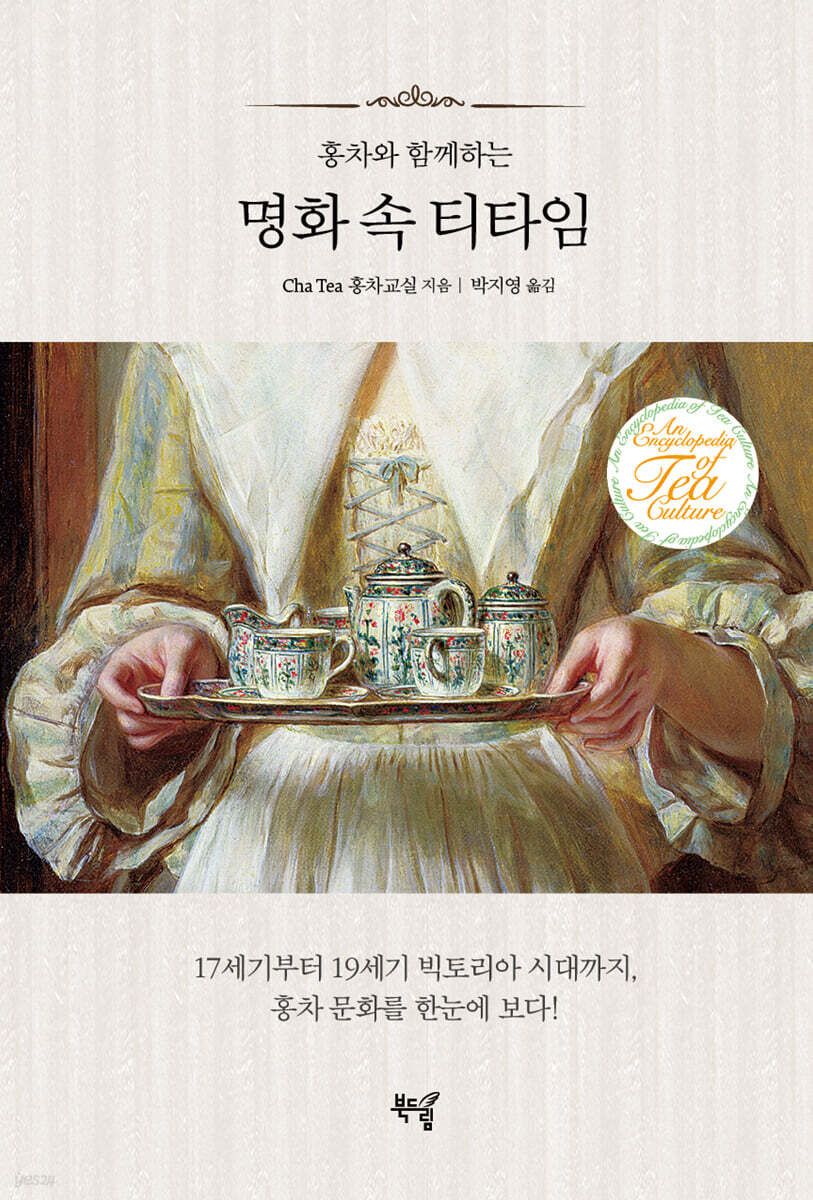
Tea time in a famous painting with black tea
 |
Description
Book Introduction
Knowing about tea enriches your appreciation of famous paintings.
The cultural history of black tea, as told by a black tea expert in 60 illustrations.
There are many ways to appreciate famous paintings.
The most common way to appreciate art is to enjoy the beauty created by the formative elements of a painting, such as color, composition, and use of light.
If the painting is based on a story from the Bible or mythology, you will be able to see how the artist reinterpreted and expressed the story.
When looking at a picture with many hidden symbols, it's fun to find the symbols and combine their meanings to figure out the message of the picture.
This book presents another way to appreciate famous paintings.
By carefully observing the tea and tea utensils in the painting, as well as the behavior and fashion of the tea drinkers, we can encounter the culture and society of that time.
This book is a story about black tea told by the representative of 'Cha Tea Black Tea Classroom', a Japanese black tea expert, along with 60 famous paintings.
The painting that opens the book's introduction is [Tea] by American Impressionist painter Mary Cassatt. Even if you don't know the title, it will be a familiar painting.
The bright pastel colors and the elegant appearance of the woman drinking tea are impressive.
But there is something that is easy to overlook when we are captivated by this beauty.
Why is the woman in the painting drinking tea indoors, wearing a hat and gloves? Isn't it rude to wear a hat indoors? The reason lies hidden in this book.
Just like Alice who followed the rabbit and found a mysterious world, if you follow the car in the painting, a rich and colorful world unfolds along with the history and culture of that time.
The cultural history of black tea, as told by a black tea expert in 60 illustrations.
There are many ways to appreciate famous paintings.
The most common way to appreciate art is to enjoy the beauty created by the formative elements of a painting, such as color, composition, and use of light.
If the painting is based on a story from the Bible or mythology, you will be able to see how the artist reinterpreted and expressed the story.
When looking at a picture with many hidden symbols, it's fun to find the symbols and combine their meanings to figure out the message of the picture.
This book presents another way to appreciate famous paintings.
By carefully observing the tea and tea utensils in the painting, as well as the behavior and fashion of the tea drinkers, we can encounter the culture and society of that time.
This book is a story about black tea told by the representative of 'Cha Tea Black Tea Classroom', a Japanese black tea expert, along with 60 famous paintings.
The painting that opens the book's introduction is [Tea] by American Impressionist painter Mary Cassatt. Even if you don't know the title, it will be a familiar painting.
The bright pastel colors and the elegant appearance of the woman drinking tea are impressive.
But there is something that is easy to overlook when we are captivated by this beauty.
Why is the woman in the painting drinking tea indoors, wearing a hat and gloves? Isn't it rude to wear a hat indoors? The reason lies hidden in this book.
Just like Alice who followed the rabbit and found a mysterious world, if you follow the car in the painting, a rich and colorful world unfolds along with the history and culture of that time.
- You can preview some of the book's contents.
Preview
index
Prologue… 07
At Home… 10
After dinner tea… 14
Afternoon tea… 18
Conservatory (greenhouse) … 22
Mistress… 26
Conversation… 30
Encyclopedia of Family Life … 34
Country House … 38
Cafe… 42
Silverware… 46
Closet… 50
Tea leaf dots… 54
Coffee House… 58
Children's Tea Set… 62
Sugar… 66
Samovar… 70
Salon… 74
Sandwich… 78
Honey… 82
Dowry… 86
Chinoiserie…90
Japonism… 94
Sugar cube tongs… 98
Servant… 102
Slopball… 106
Charles Gray… 110
Tea tools… 114
Tea Un… 118
Tea Etiquette… 122
Tea Garden… 126
Tea Clipper… 130
Tea Kettle… 134
Tea service… 138
Tea strainer… 142
teaspoon… 146
Tea set… 150
Tea tree… 154
Tea tray… 158
Tea dress… 162
Tea Break… 166
Teeball… 170
Table Flowers… 174
Drawing Room… 178
Nursery Tea… 182
Garden… 186
Buttered bread… 190
World's Fair … 194
East India Company… 198
Picnic Tea… 202
Family Portrait … 206
Blue and white… 210
Breakfast… 214
Bed Tea… 218
Visitors… 222
Portrait … 226
Smuggled car… 230
Milk tea… 234
How to hold a teacup… 238
Green tea… 242
Rotonda … 246
Epilogue … 251
References/Illustration Sources … 252
At Home… 10
After dinner tea… 14
Afternoon tea… 18
Conservatory (greenhouse) … 22
Mistress… 26
Conversation… 30
Encyclopedia of Family Life … 34
Country House … 38
Cafe… 42
Silverware… 46
Closet… 50
Tea leaf dots… 54
Coffee House… 58
Children's Tea Set… 62
Sugar… 66
Samovar… 70
Salon… 74
Sandwich… 78
Honey… 82
Dowry… 86
Chinoiserie…90
Japonism… 94
Sugar cube tongs… 98
Servant… 102
Slopball… 106
Charles Gray… 110
Tea tools… 114
Tea Un… 118
Tea Etiquette… 122
Tea Garden… 126
Tea Clipper… 130
Tea Kettle… 134
Tea service… 138
Tea strainer… 142
teaspoon… 146
Tea set… 150
Tea tree… 154
Tea tray… 158
Tea dress… 162
Tea Break… 166
Teeball… 170
Table Flowers… 174
Drawing Room… 178
Nursery Tea… 182
Garden… 186
Buttered bread… 190
World's Fair … 194
East India Company… 198
Picnic Tea… 202
Family Portrait … 206
Blue and white… 210
Breakfast… 214
Bed Tea… 218
Visitors… 222
Portrait … 226
Smuggled car… 230
Milk tea… 234
How to hold a teacup… 238
Green tea… 242
Rotonda … 246
Epilogue … 251
References/Illustration Sources … 252
Detailed image

Into the book
It may seem like an ordinary tea time scene, but if you look closely, there are various messages hidden in it.
Why are women drinking tea indoors wearing hats and gloves?
Why did you create a portrait of a family drinking tea?
By interpreting these movements and backgrounds, we can savor the story in the painting much more deeply.
---From "Prologue, p.7"
The hostess invites the guest to sit down and pours black tea into a teacup.
For tea food, we serve simple items that can be eaten with your hands, such as cookies or pound cake.
The rule was to leave the seat when another visitor came.
If the hostess gives you a 'regretful look' when you leave, it's a sign that you can come back again.
The average guest stay was 15 to 20 minutes.
---From "At Home, p.10"
In the late 19th century, when tea cultivation became possible in India and Sri Lanka, tea production increased rapidly, and the value of tea leaves fell.
An environment was created where anyone could easily purchase black tea, and black tea became established as the national drink of England.
The British, who originally loved fortune telling, created a new culture with black tea leaves that were deeply rooted in their daily lives.
Finally, 'tea leaf fortune telling' was born, in which fortunes are told using the tea dregs left in the teacup.
From around 1870, articles about tea leaf fortune telling appeared in magazines and newspapers, and by the 1890s, tea leaf fortune telling had become a well-known form of fortune telling.
---From "Tea Leaf Dots, p.54"
Sugar lumps made from sugarcane have long been a symbol of wealth.
However, around this time, sugar prices in Europe had fallen due to the advent of sugar made from sugar beets.
As a result, the task of crushing lump sugar, which had been a source of pride until then, became a symbol of arduous housework.
The sugar cubes proposed by sugar magnate Henry Tate contributed to solving this problem and increasing sugar consumption.
---From "Sugar Clamps, p.98"
In Britain, a tea-producing country, tea was not included in the food rations.
However, in 1917, the German fleet began attacking ordinary merchant ships in an attempt to cut off the British fleet's seaborne supplies.
A tea panic broke out when rumors spread that tea would not be able to reach England.
The embarrassed government decides to manage the tea and distribute it fairly to the people.
From then on, during times of war, black tea was included in the food rations, and although the ration amount changed somewhat, an average of 56 grams per week was distributed to citizens over the age of five.
---From "Tea Break, p.166"
Some tea merchants mixed fake tea made from other leaves to increase the volume of their tea.
It was also common to mix in dried tea that had been brewed, or to color faded old tea with verdigris (a type of sulfate mineral) or sheep excrement.
These shoddy products were confiscated through crackdowns and sellers were fined or imprisoned, but they were still not eradicated.
Why are women drinking tea indoors wearing hats and gloves?
Why did you create a portrait of a family drinking tea?
By interpreting these movements and backgrounds, we can savor the story in the painting much more deeply.
---From "Prologue, p.7"
The hostess invites the guest to sit down and pours black tea into a teacup.
For tea food, we serve simple items that can be eaten with your hands, such as cookies or pound cake.
The rule was to leave the seat when another visitor came.
If the hostess gives you a 'regretful look' when you leave, it's a sign that you can come back again.
The average guest stay was 15 to 20 minutes.
---From "At Home, p.10"
In the late 19th century, when tea cultivation became possible in India and Sri Lanka, tea production increased rapidly, and the value of tea leaves fell.
An environment was created where anyone could easily purchase black tea, and black tea became established as the national drink of England.
The British, who originally loved fortune telling, created a new culture with black tea leaves that were deeply rooted in their daily lives.
Finally, 'tea leaf fortune telling' was born, in which fortunes are told using the tea dregs left in the teacup.
From around 1870, articles about tea leaf fortune telling appeared in magazines and newspapers, and by the 1890s, tea leaf fortune telling had become a well-known form of fortune telling.
---From "Tea Leaf Dots, p.54"
Sugar lumps made from sugarcane have long been a symbol of wealth.
However, around this time, sugar prices in Europe had fallen due to the advent of sugar made from sugar beets.
As a result, the task of crushing lump sugar, which had been a source of pride until then, became a symbol of arduous housework.
The sugar cubes proposed by sugar magnate Henry Tate contributed to solving this problem and increasing sugar consumption.
---From "Sugar Clamps, p.98"
In Britain, a tea-producing country, tea was not included in the food rations.
However, in 1917, the German fleet began attacking ordinary merchant ships in an attempt to cut off the British fleet's seaborne supplies.
A tea panic broke out when rumors spread that tea would not be able to reach England.
The embarrassed government decides to manage the tea and distribute it fairly to the people.
From then on, during times of war, black tea was included in the food rations, and although the ration amount changed somewhat, an average of 56 grams per week was distributed to citizens over the age of five.
---From "Tea Break, p.166"
Some tea merchants mixed fake tea made from other leaves to increase the volume of their tea.
It was also common to mix in dried tea that had been brewed, or to color faded old tea with verdigris (a type of sulfate mineral) or sheep excrement.
These shoddy products were confiscated through crackdowns and sellers were fined or imprisoned, but they were still not eradicated.
---From "Smuggling Car, p.230"
Publisher's Review
Is it polite to keep your hat and gloves on during a light tea time?
Why did you pour tea into a saucer and drink it?
The more you learn about European tea culture and etiquette, the more fascinating it becomes.
This book tells 60 stories related to tea, combining one picture and one piece of writing on one topic.
The topics are very diverse, ranging from various types of tea gatherings such as ▲at home, afternoon tea, and afternoon dinner tea, ▲tea utensils needed for drinking tea such as teacups, tea bowls, teaspoons, and teapots, ▲historical organizations and events related to tea such as the East India Company and the World's Fair, and ▲tea etiquette of the time.
Each article is about 2-3 pages long and is not difficult to understand, so you can read it little by little during breaks or tea time.
You don't have to read them in order; you can just start reading from topic to topic that seems interesting.
With each painting and each passage of text, readers learn a little bit about European tea culture and etiquette.
It is said that it was polite not to take off one's hat and gloves during light tea time, like the woman in the painting "Tea" mentioned above.
In paintings by Russian artists and in paintings of French royalty's tea parties, people are depicted drinking tea from saucers.
Drinking tea from a saucer rather than a teacup was the tea etiquette of the Dutch, who first created tea culture in Europe, and this Dutch tea etiquette spread throughout Europe.
While there are some unfamiliar customs that break from our stereotypes, there are also customs that we can relate to.
At afternoon tea, controversial topics and grumbling that would tire the listeners were taboo.
The act of turning over a teacup to check its brand was also taboo, as it was an act of assigning value to the teacup prepared by the owner.
As you learn about it one by one, the distant European tea culture that you only encountered in Western literature will feel more familiar.
The unique fun of learning about the history of tea
The pleasure of appreciating beautiful paintings
There is also the fun of learning about the world history of tea.
As the Industrial Revolution took place in 18th century England, a huge number of factories were built in large cities, and it is said that the only way for workers to relieve stress from long working hours was alcohol.
As people began to drink alcohol like water, various social problems arose, one of which was alcoholism.
To address this problem, a large-scale temperance movement arose, and in the process, black tea became popular as a substitute for alcohol.
In this way, tea culture is not simply a matter of taste, but has become a part of the daily lives of ordinary people as a solution to social problems.
Knowing what influence the tea culture of the time had on the public can give us an idea of the lifestyle of that time.
This is an incredibly engaging piece of content for readers who enjoy history, especially life history and microhistory.
When you are too tired to remember a single word, you can open the book to a page with a picture you like.
From tea tables filled with beautiful tea sets and desserts, to the brightly dressed tea drinkers, to the cozy interior surrounding them, to the flower-filled garden, to the sunny outdoors, the landscape depicted in the painting will offer a moment of respite from the hustle and bustle of everyday life.
“There are few moments in life so pleasant as the enjoyment of afternoon tea.” - Henry James (American novelist and literary critic)
Who needs this book?
For those who need a pleasant break and tea time on a lazy afternoon
Creators who want to write more detailed and vivid romance fantasy novels.
People who are interested in history, especially cultural history and life history
Why did you pour tea into a saucer and drink it?
The more you learn about European tea culture and etiquette, the more fascinating it becomes.
This book tells 60 stories related to tea, combining one picture and one piece of writing on one topic.
The topics are very diverse, ranging from various types of tea gatherings such as ▲at home, afternoon tea, and afternoon dinner tea, ▲tea utensils needed for drinking tea such as teacups, tea bowls, teaspoons, and teapots, ▲historical organizations and events related to tea such as the East India Company and the World's Fair, and ▲tea etiquette of the time.
Each article is about 2-3 pages long and is not difficult to understand, so you can read it little by little during breaks or tea time.
You don't have to read them in order; you can just start reading from topic to topic that seems interesting.
With each painting and each passage of text, readers learn a little bit about European tea culture and etiquette.
It is said that it was polite not to take off one's hat and gloves during light tea time, like the woman in the painting "Tea" mentioned above.
In paintings by Russian artists and in paintings of French royalty's tea parties, people are depicted drinking tea from saucers.
Drinking tea from a saucer rather than a teacup was the tea etiquette of the Dutch, who first created tea culture in Europe, and this Dutch tea etiquette spread throughout Europe.
While there are some unfamiliar customs that break from our stereotypes, there are also customs that we can relate to.
At afternoon tea, controversial topics and grumbling that would tire the listeners were taboo.
The act of turning over a teacup to check its brand was also taboo, as it was an act of assigning value to the teacup prepared by the owner.
As you learn about it one by one, the distant European tea culture that you only encountered in Western literature will feel more familiar.
The unique fun of learning about the history of tea
The pleasure of appreciating beautiful paintings
There is also the fun of learning about the world history of tea.
As the Industrial Revolution took place in 18th century England, a huge number of factories were built in large cities, and it is said that the only way for workers to relieve stress from long working hours was alcohol.
As people began to drink alcohol like water, various social problems arose, one of which was alcoholism.
To address this problem, a large-scale temperance movement arose, and in the process, black tea became popular as a substitute for alcohol.
In this way, tea culture is not simply a matter of taste, but has become a part of the daily lives of ordinary people as a solution to social problems.
Knowing what influence the tea culture of the time had on the public can give us an idea of the lifestyle of that time.
This is an incredibly engaging piece of content for readers who enjoy history, especially life history and microhistory.
When you are too tired to remember a single word, you can open the book to a page with a picture you like.
From tea tables filled with beautiful tea sets and desserts, to the brightly dressed tea drinkers, to the cozy interior surrounding them, to the flower-filled garden, to the sunny outdoors, the landscape depicted in the painting will offer a moment of respite from the hustle and bustle of everyday life.
“There are few moments in life so pleasant as the enjoyment of afternoon tea.” - Henry James (American novelist and literary critic)
Who needs this book?
For those who need a pleasant break and tea time on a lazy afternoon
Creators who want to write more detailed and vivid romance fantasy novels.
People who are interested in history, especially cultural history and life history
GOODS SPECIFICS
- Date of issue: August 28, 2023
- Format: Hardcover book binding method guide
- Page count, weight, size: 256 pages | 528g | 143*210*19mm
- ISBN13: 9791191509410
- ISBN10: 1191509419
You may also like
카테고리
korean


korean

![GQ KOREA Mark (Monthly): December [2025]](http://librairie.coreenne.fr/cdn/shop/files/8ef265dbbfbf186523ed75ba7319009d.jpg?v=1765340328&width=3840)


