

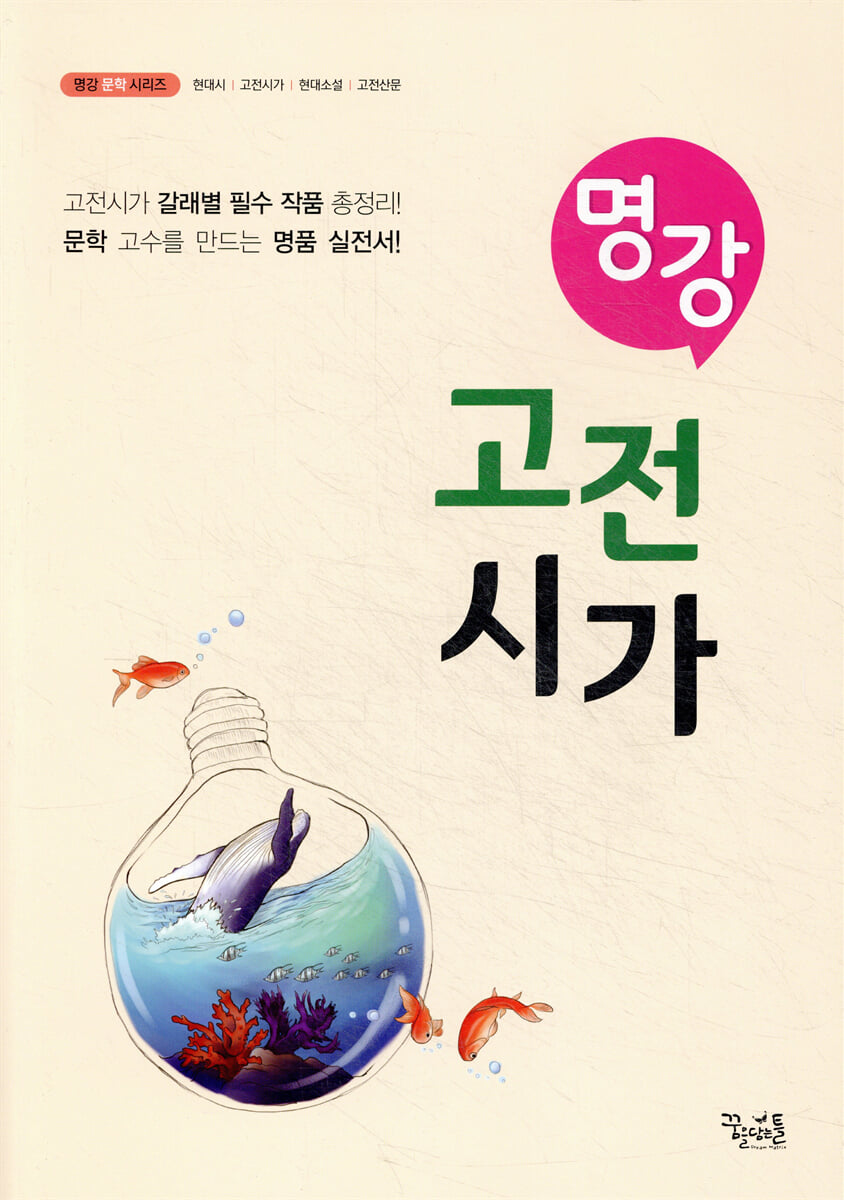
Myeonggang Classical Poetry
 |
Description
Book Introduction
A comprehensive compilation of essential works from every genre of classical poetry! A masterpiece practical guide to creating literary masters!
After analyzing the works included in textbooks, EBS, and the Evaluation Institute, representative works were selected for each genre.
It includes skills improvement questions that can help you prepare for both your school grades and the college entrance exam at the same time.
The learning direction and core theories of each branch are perfectly organized.
After analyzing the works included in textbooks, EBS, and the Evaluation Institute, representative works were selected for each genre.
It includes skills improvement questions that can help you prepare for both your school grades and the college entrance exam at the same time.
The learning direction and core theories of each branch are perfectly organized.
- You can preview some of the book's contents.
Preview
index
Part 1: Ancient Songs, Hyangga
Learning Methods for Ancient Songs and Hyangga and Learning About These Songs
01 [Ancient Song] Gujiga (Except for the section) / Haega (Author unknown)
02 [Ancient Songs] Gongmu Dohaga (Baeksu Gwangbu's Wife) / Hwangjoga (King Yuri)
03 [Ancient Song] Jeongeupsa (A Peddler's Wife)
04 [Hyangga] Jemangmaega (Wolmyeongsa)
05 [Hyangga] Chan-gi-pa-rang-ga (Chungdam-sa)
Part 2 Goryeo songs, Gyeonggichega
Goryeo songs, Gyeonggijega branch learning method & branch learning
01 [Goryeo Song] Gasiri (Author Unknown)
02 [Goryeo Song] Dongdong (Author Unknown)
03 [Goryeo Song] Seogyeongbyeolgok (Author Unknown)
04 [Goryeo Song] Jeongseokga (Author unknown)
05 [Goryeo Song] Manjeonchunbyeolsa (Author unknown)
06 [Goryeo Song] Cheongsanbyeolgok (Author Unknown)
07 [Gyeonggi Chega] Hanrim Byeolgok (Hanrim Jeyu)
Part 3, Poem
Poetry branch learning method & branch learning
01 Chuya Woojung (Choi Chi-won) / Jegayasan Reading Hall (Choi Chi-won) / Chok Gyu-hwa (Choi Chi-won)
02 Song In (Jeong Ji-sang) / Bubyeokru (Lee Saek)
03 Barley Threshing (Jeong Yak-yong)
04 The Last Poem (Hwang Hyeon) / Moo-eo-byeol (Im Je)
Part 4, movement, Korean language, folk song
Learning methods for melody, idioms, and folk song genres & genre learning
01 [Echo] Yongbieocheonga (Jeong In-ji, Kwon Jae, An Ji, etc.)
02 [Unhae] Chunmang (Du Fu) / Gwi-an (Du Fu)
03 [Folk Song] Song of Marriage (Author Unknown)
04 [Folk Song] Battle Song (Author Unknown) / Rice Weeding Song (Author Unknown)
Part 5 Sijo
Sijo branch learning method & branch learning
01 Snow White? In the valley of self-sufficiency (Lee Saek) / In the five hundred-year-old capital (Gil Jae) / This body dwells (Jeong Mong-ju) / Snow? Curved? (Won Cheon-seok)
02 Is this body going to live there? (Seong Sam-mun) / Is it raining crows? (Park Pang-nyeon) / Is there a candle in the room? (Lee Gae) / Is it a long, long journey? (Wang Bang-yeon)
03 Ten Years of Management? (Song Soon) / The Words Are Ups and Downs (Seong Hon) / The River and the Mountains Are Beautiful (Kim Cheon-taek) / Don't Let the House Be Used (Han Ho)
04 When the night falls on the autumn leaves (Wolsan Grand Prince) / Duryusan Yangdansu (Breakfast) / Daecho Bol Bulgeun Valley (Hwanghee) / Is Choam the enemy?? (Kim Sujang)
05 Lee Hwa-woo, Huh? Lil Je (Gyerang) / Willow Trees Gather? Geotgeo (Hongrang) / Comrade? A Long Night (Hwang Jin-i) / Standing Tall on Ashes (Author Unknown)
06 ? Hold on to the block in your hand (Wootak) / Become three bodies with motive (Park In-ro) / Banjung Jo Hong-gam (Park In-ro) / Song Samgin Sa? (Shin Heum)
07. Duteobi? Li bite (Author unknown) / Gaberson Ahae Ideulli (Lee Jeong-shin) / Buy Dongnanjii in your house (Author unknown)
08 Earwax, Earwax (Author unknown) / Are you coming? (Author unknown) / Even if I don't know, I'll be up to the task (Author unknown)
09 I Want to Open the Window I Want to Open the Window (Author Unknown) / Why Can't You Come (Author Unknown) / What's Wrong with My Mother? (Author Unknown)
10. Yuliyugok (Kim Gwang-wook)
11 Dosan Sibigok (Yi Hwang)
12 Gosan Gugokga (Lee Yi)
13 Ipam 29 Valleys (Park In-ro)
14 Fisherman's Tale (Yoon Seon-do)
15 Manheung (Yun Seon-do)
16. The Gyeonhoeyo (Yun Seon-do)
17 Farmhouse (Wi Baek-gyu)
18 Olympic Ring Song (Joo Se-boong)
19. Pung-a Byeolgok (Kwon Ik-ryung)
20 Plum Blossom Temple (An Min-young)
Part 6 lyrics
Lyrics branch learning method & branch learning
01 Spring Song (Jeong Geuk-in)
02 Manbun-ga (Jo-wi)
03 Tangungga (Jeong Hoon)
04 Gwandongbyeolgok (Jeongcheol)
05 Seongsanbyeolgok (Jeongcheol)
06 Samiingok (Jeongcheol)
07 The Beauty Song (Jeong Cheol)
08 Myeonangjeongga (Songsun)
09 Index Price (Kim Deuk-yeon)
10 Farmer's Monthly Song (Jeong Hak-yu)
11. Performer (Hong Sun-hak)
12 Gyuwonga (Heo Nanseolheon)
13 Nuhangsa (Park In-ro)
14 Jukchanggok (Lee Geung-ik)
Learning Methods for Ancient Songs and Hyangga and Learning About These Songs
01 [Ancient Song] Gujiga (Except for the section) / Haega (Author unknown)
02 [Ancient Songs] Gongmu Dohaga (Baeksu Gwangbu's Wife) / Hwangjoga (King Yuri)
03 [Ancient Song] Jeongeupsa (A Peddler's Wife)
04 [Hyangga] Jemangmaega (Wolmyeongsa)
05 [Hyangga] Chan-gi-pa-rang-ga (Chungdam-sa)
Part 2 Goryeo songs, Gyeonggichega
Goryeo songs, Gyeonggijega branch learning method & branch learning
01 [Goryeo Song] Gasiri (Author Unknown)
02 [Goryeo Song] Dongdong (Author Unknown)
03 [Goryeo Song] Seogyeongbyeolgok (Author Unknown)
04 [Goryeo Song] Jeongseokga (Author unknown)
05 [Goryeo Song] Manjeonchunbyeolsa (Author unknown)
06 [Goryeo Song] Cheongsanbyeolgok (Author Unknown)
07 [Gyeonggi Chega] Hanrim Byeolgok (Hanrim Jeyu)
Part 3, Poem
Poetry branch learning method & branch learning
01 Chuya Woojung (Choi Chi-won) / Jegayasan Reading Hall (Choi Chi-won) / Chok Gyu-hwa (Choi Chi-won)
02 Song In (Jeong Ji-sang) / Bubyeokru (Lee Saek)
03 Barley Threshing (Jeong Yak-yong)
04 The Last Poem (Hwang Hyeon) / Moo-eo-byeol (Im Je)
Part 4, movement, Korean language, folk song
Learning methods for melody, idioms, and folk song genres & genre learning
01 [Echo] Yongbieocheonga (Jeong In-ji, Kwon Jae, An Ji, etc.)
02 [Unhae] Chunmang (Du Fu) / Gwi-an (Du Fu)
03 [Folk Song] Song of Marriage (Author Unknown)
04 [Folk Song] Battle Song (Author Unknown) / Rice Weeding Song (Author Unknown)
Part 5 Sijo
Sijo branch learning method & branch learning
01 Snow White? In the valley of self-sufficiency (Lee Saek) / In the five hundred-year-old capital (Gil Jae) / This body dwells (Jeong Mong-ju) / Snow? Curved? (Won Cheon-seok)
02 Is this body going to live there? (Seong Sam-mun) / Is it raining crows? (Park Pang-nyeon) / Is there a candle in the room? (Lee Gae) / Is it a long, long journey? (Wang Bang-yeon)
03 Ten Years of Management? (Song Soon) / The Words Are Ups and Downs (Seong Hon) / The River and the Mountains Are Beautiful (Kim Cheon-taek) / Don't Let the House Be Used (Han Ho)
04 When the night falls on the autumn leaves (Wolsan Grand Prince) / Duryusan Yangdansu (Breakfast) / Daecho Bol Bulgeun Valley (Hwanghee) / Is Choam the enemy?? (Kim Sujang)
05 Lee Hwa-woo, Huh? Lil Je (Gyerang) / Willow Trees Gather? Geotgeo (Hongrang) / Comrade? A Long Night (Hwang Jin-i) / Standing Tall on Ashes (Author Unknown)
06 ? Hold on to the block in your hand (Wootak) / Become three bodies with motive (Park In-ro) / Banjung Jo Hong-gam (Park In-ro) / Song Samgin Sa? (Shin Heum)
07. Duteobi? Li bite (Author unknown) / Gaberson Ahae Ideulli (Lee Jeong-shin) / Buy Dongnanjii in your house (Author unknown)
08 Earwax, Earwax (Author unknown) / Are you coming? (Author unknown) / Even if I don't know, I'll be up to the task (Author unknown)
09 I Want to Open the Window I Want to Open the Window (Author Unknown) / Why Can't You Come (Author Unknown) / What's Wrong with My Mother? (Author Unknown)
10. Yuliyugok (Kim Gwang-wook)
11 Dosan Sibigok (Yi Hwang)
12 Gosan Gugokga (Lee Yi)
13 Ipam 29 Valleys (Park In-ro)
14 Fisherman's Tale (Yoon Seon-do)
15 Manheung (Yun Seon-do)
16. The Gyeonhoeyo (Yun Seon-do)
17 Farmhouse (Wi Baek-gyu)
18 Olympic Ring Song (Joo Se-boong)
19. Pung-a Byeolgok (Kwon Ik-ryung)
20 Plum Blossom Temple (An Min-young)
Part 6 lyrics
Lyrics branch learning method & branch learning
01 Spring Song (Jeong Geuk-in)
02 Manbun-ga (Jo-wi)
03 Tangungga (Jeong Hoon)
04 Gwandongbyeolgok (Jeongcheol)
05 Seongsanbyeolgok (Jeongcheol)
06 Samiingok (Jeongcheol)
07 The Beauty Song (Jeong Cheol)
08 Myeonangjeongga (Songsun)
09 Index Price (Kim Deuk-yeon)
10 Farmer's Monthly Song (Jeong Hak-yu)
11. Performer (Hong Sun-hak)
12 Gyuwonga (Heo Nanseolheon)
13 Nuhangsa (Park In-ro)
14 Jukchanggok (Lee Geung-ik)
Detailed image

Publisher's Review
A practical book on classical poetry that will help you study classical poetry in chronological order and conquer both the college entrance exam and your school grades at once!
1.
Branch learning
① Branch-specific learning prior to studying the work
· Since classical poetry has various branches, understanding the branches must come first before studying the works in earnest.
· First, learn how to study each branch, the concepts of each branch, and the characteristics of each branch.
② Understanding the literary history and branches of the work is essential.
· Before understanding individual works, you need to know the position and characteristics of a specific branch of classical poetry within the flow of classical literature, that is, history. This will allow you to more easily approach questions when encountering a work you have never seen before on an exam.
Be sure to read the learning content for each branch carefully.
2.
Studying the work
① Understanding the overall content of the work
· Works that contain unfamiliar gore or Chinese characters may be somewhat difficult to understand.
But to understand classical poetry, one must also become familiar with archaic language.
· Don't panic when you come across unfamiliar vocabulary. Instead, read the text with a focus on understanding the content and inferring its meaning through the context.
② Understanding the literary history and branches of the work is essential.
· First, identify the speaker and the situation by referring to the information organized in the vivid notes.
Based on this, let's try writing the theme of the work ourselves.
· Solve the ‘meaning of key poetic words’ organized in problem form to understand the meaning of important poetic words in the work.
3.
Learning from real-world problems
① Learning non-work content through special problems to prepare for internal exams
· Unlike the CSAT, questions on internal exams may ask questions related to elements outside of the work.
In other words, since some internal exam questions can only be solved if you have background knowledge related to the work, solve special problems for the internal exam and, in addition to learning the content of the work, organize content related to elements outside of the work.
② Solve the CSAT-type questions as if you were taking the exam and be sure to grade them.
· When solving a problem for the first time, solve it quickly within a set time limit as if taking a test, and be sure to grade it.
· The basis for the correct answer is in the text, the question's introduction, the "Options", and the multiple choice questions.
In particular, remember that the “view” in question often provides important clues that help in understanding the work.
4.
Use and review 'Answers and Explanations'
① Make good use of ‘Answers and Explanations’
· After solving the problems and grading them, try to find the answers again on your own for the problems you got wrong and the problems you got right but were confused about.
· Be sure to read the detailed explanation in ‘Answer and Explanation’ to check why the answer is correct and why it is incorrect.
② If you get a question wrong, be sure to check why you got it wrong.
· Getting the question wrong means you misinterpreted the work or misunderstood the question's prompt or options.
Or maybe you didn't know the vocabulary or literary terms presented.
· Let's look at the problem you got wrong again and figure out why you got it wrong.
Be sure to re-solve the problems you got right but were confused about.
1.
Branch learning
① Branch-specific learning prior to studying the work
· Since classical poetry has various branches, understanding the branches must come first before studying the works in earnest.
· First, learn how to study each branch, the concepts of each branch, and the characteristics of each branch.
② Understanding the literary history and branches of the work is essential.
· Before understanding individual works, you need to know the position and characteristics of a specific branch of classical poetry within the flow of classical literature, that is, history. This will allow you to more easily approach questions when encountering a work you have never seen before on an exam.
Be sure to read the learning content for each branch carefully.
2.
Studying the work
① Understanding the overall content of the work
· Works that contain unfamiliar gore or Chinese characters may be somewhat difficult to understand.
But to understand classical poetry, one must also become familiar with archaic language.
· Don't panic when you come across unfamiliar vocabulary. Instead, read the text with a focus on understanding the content and inferring its meaning through the context.
② Understanding the literary history and branches of the work is essential.
· First, identify the speaker and the situation by referring to the information organized in the vivid notes.
Based on this, let's try writing the theme of the work ourselves.
· Solve the ‘meaning of key poetic words’ organized in problem form to understand the meaning of important poetic words in the work.
3.
Learning from real-world problems
① Learning non-work content through special problems to prepare for internal exams
· Unlike the CSAT, questions on internal exams may ask questions related to elements outside of the work.
In other words, since some internal exam questions can only be solved if you have background knowledge related to the work, solve special problems for the internal exam and, in addition to learning the content of the work, organize content related to elements outside of the work.
② Solve the CSAT-type questions as if you were taking the exam and be sure to grade them.
· When solving a problem for the first time, solve it quickly within a set time limit as if taking a test, and be sure to grade it.
· The basis for the correct answer is in the text, the question's introduction, the "Options", and the multiple choice questions.
In particular, remember that the “view” in question often provides important clues that help in understanding the work.
4.
Use and review 'Answers and Explanations'
① Make good use of ‘Answers and Explanations’
· After solving the problems and grading them, try to find the answers again on your own for the problems you got wrong and the problems you got right but were confused about.
· Be sure to read the detailed explanation in ‘Answer and Explanation’ to check why the answer is correct and why it is incorrect.
② If you get a question wrong, be sure to check why you got it wrong.
· Getting the question wrong means you misinterpreted the work or misunderstood the question's prompt or options.
Or maybe you didn't know the vocabulary or literary terms presented.
· Let's look at the problem you got wrong again and figure out why you got it wrong.
Be sure to re-solve the problems you got right but were confused about.
GOODS SPECIFICS
- Publication date: November 15, 2023
- Page count, weight, size: 208 pages | 210*297*20mm
- ISBN13: 9788963912684
- ISBN10: 896391268X
You may also like
카테고리
korean


korean

![GQ KOREA Mark (Monthly): December [2025]](http://librairie.coreenne.fr/cdn/shop/files/8ef265dbbfbf186523ed75ba7319009d.jpg?v=1765340328&width=3840)


