

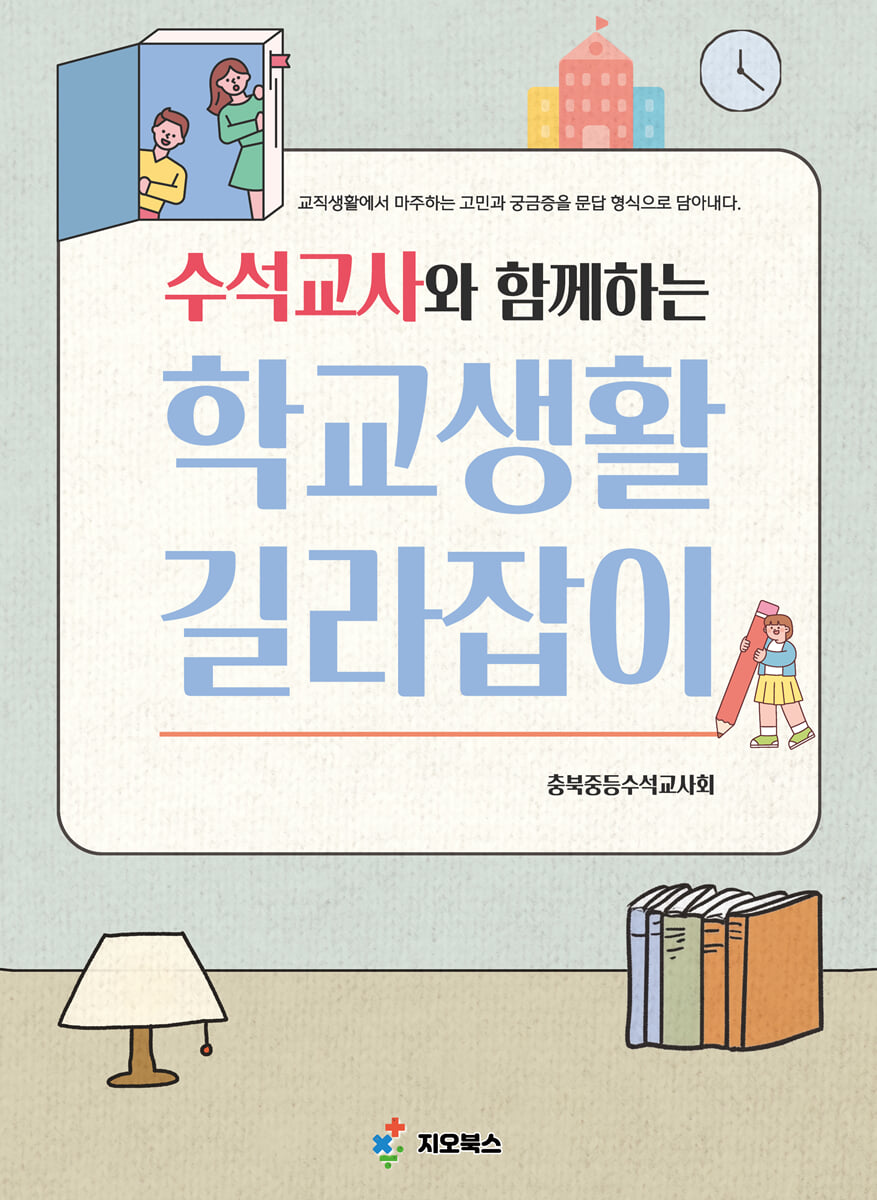
A Guide to School Life with Head Teachers
 |
Description
Book Introduction
Global challenges such as accelerated future education, the acceleration of artificial intelligence and digital transformation, technological advancements driven by the Fourth Industrial Revolution, and the climate crisis demand fundamental changes in education.
The nature of the curriculum, teaching methods, and even the forms of assessment are changing at a rapid pace.
Teachers' roles are expanding beyond simple imparters of knowledge to guides in students' lives and partners in learning and growing together.
In times of change, teachers' professionalism and educational mission have greater significance.
The senior teacher system, introduced in 2011, originated in this context.
As a member of the school, the head teacher supports teachers' teaching and research activities based on many years of teaching experience.
Since most of a teacher's day is spent teaching, teaching is at the heart of student education. When talking to teachers, their biggest desire is to "do well in class."
Therefore, the activities of senior teachers play a crucial role in enhancing teachers' teaching expertise and strengthening the essence of student education.
Of course, the teacher's role is not limited to classes.
Life education, including classroom management, student life education, school violence prevention and handling, and counseling, is also an important responsibility for teachers.
As the year draws to a close, the school's work organization for the following year is established, and teachers are responsible for various school administrative tasks in addition to classes and life education.
In the midst of such complex and vast tasks, it is sometimes difficult to know whether student education or school work is more important.
Chungbuk's senior teachers sympathize with these concerns and have made various efforts to support teacher growth.
We have been working closely with teachers in the field through class consulting, support for teacher learning communities, and operation of councils and research groups.
However, as there are currently only 27 senior teachers in North Chungcheong Province working at 27 schools, it is difficult to provide direct support that all teachers can feel due to personnel limitations.
To address these limitations and provide broader support, we have published this book.
This book contains questions and answers about the questions and concerns that teachers face in their teaching careers.
In the midst of digital transformation and changes in future society, we wanted to examine the challenges and solutions faced by teachers in schools, as well as the education they envision.
It should be noted that most of the cases presented in the book are based on cases in North Chungcheong Province.
The content covered topics such as happy classes and assessment strategies, classroom management that fosters collaborative growth, methods for guiding school life, forming healthy relationships, performing school work through collaboration, and teacher growth and capacity development.
The appendix records the background and role of the introduction of the senior teacher system, its activities, and the history and footsteps of the Chungbuk Secondary Senior Teachers Association, with the aim of increasing understanding of senior teachers and spreading a teaching culture that respects the importance of teaching and teaching expertise.
Today, the need for teachers' hands is expanding beyond classrooms, schools, and even the wider community.
The role of teachers is becoming more diverse, and teachers must continuously reflect and challenge themselves to grow.
The effort to become a better person than yesterday will ultimately increase the rewards of teaching and become a force for change for students, schools, and society.
We hope this book, published by the Chungbuk Senior Teachers' Association, will serve as a reliable companion to new teachers taking their first steps into the classroom, less-experienced teachers seeking direction, and mid- to long-term experienced teachers seeking new changes.
We also hope to serve as a guide in the process of alleviating teachers' concerns, reducing conflicts, and making teaching life happier.
The nature of the curriculum, teaching methods, and even the forms of assessment are changing at a rapid pace.
Teachers' roles are expanding beyond simple imparters of knowledge to guides in students' lives and partners in learning and growing together.
In times of change, teachers' professionalism and educational mission have greater significance.
The senior teacher system, introduced in 2011, originated in this context.
As a member of the school, the head teacher supports teachers' teaching and research activities based on many years of teaching experience.
Since most of a teacher's day is spent teaching, teaching is at the heart of student education. When talking to teachers, their biggest desire is to "do well in class."
Therefore, the activities of senior teachers play a crucial role in enhancing teachers' teaching expertise and strengthening the essence of student education.
Of course, the teacher's role is not limited to classes.
Life education, including classroom management, student life education, school violence prevention and handling, and counseling, is also an important responsibility for teachers.
As the year draws to a close, the school's work organization for the following year is established, and teachers are responsible for various school administrative tasks in addition to classes and life education.
In the midst of such complex and vast tasks, it is sometimes difficult to know whether student education or school work is more important.
Chungbuk's senior teachers sympathize with these concerns and have made various efforts to support teacher growth.
We have been working closely with teachers in the field through class consulting, support for teacher learning communities, and operation of councils and research groups.
However, as there are currently only 27 senior teachers in North Chungcheong Province working at 27 schools, it is difficult to provide direct support that all teachers can feel due to personnel limitations.
To address these limitations and provide broader support, we have published this book.
This book contains questions and answers about the questions and concerns that teachers face in their teaching careers.
In the midst of digital transformation and changes in future society, we wanted to examine the challenges and solutions faced by teachers in schools, as well as the education they envision.
It should be noted that most of the cases presented in the book are based on cases in North Chungcheong Province.
The content covered topics such as happy classes and assessment strategies, classroom management that fosters collaborative growth, methods for guiding school life, forming healthy relationships, performing school work through collaboration, and teacher growth and capacity development.
The appendix records the background and role of the introduction of the senior teacher system, its activities, and the history and footsteps of the Chungbuk Secondary Senior Teachers Association, with the aim of increasing understanding of senior teachers and spreading a teaching culture that respects the importance of teaching and teaching expertise.
Today, the need for teachers' hands is expanding beyond classrooms, schools, and even the wider community.
The role of teachers is becoming more diverse, and teachers must continuously reflect and challenge themselves to grow.
The effort to become a better person than yesterday will ultimately increase the rewards of teaching and become a force for change for students, schools, and society.
We hope this book, published by the Chungbuk Senior Teachers' Association, will serve as a reliable companion to new teachers taking their first steps into the classroom, less-experienced teachers seeking direction, and mid- to long-term experienced teachers seeking new changes.
We also hope to serve as a guide in the process of alleviating teachers' concerns, reducing conflicts, and making teaching life happier.
index
1.
Happy Class and Assessment Strategies
- class -
Q1.
Is lesson planning really necessary? 14
Q2.
Help me design lessons that connect with students' lives.
16
Q3.
What classes are there to develop "capacity"? 19
Q4.
The class is difficult because there is a large difference in achievement between students.
22
Q5.
Group classes are necessary but difficult to conduct.
25
Q6.
How far should we go with guidance during class? 28
Q7.
There is no response during class, or only a few students participate.
31
Q8.
I'm losing confidence in class.
35
- evaluation -
Q1.
How can we conduct performance evaluations without plagiarism? 38
Q2.
It's difficult to create good evaluation items.
41
Q3.
Is there a way to improve the fairness and reliability of performance evaluations? 44
Q4.
I feel sorry for students who struggle with excessive performance evaluations.
47
Q5.
How do we guide performance evaluation criteria? 49
Q6.
I don't know how to actually do 'feedback' 52
2.
Class management that grows together
Q1.
How can we help students who distance themselves socialize? 56
Q2.
How to create a positive atmosphere in a distracted classroom? 59
Q3.
How can we create a class where everyone is considerate of one another? 62
Q4.
How can we create a classroom where leaders are respected? 65
Q5.
How do you deal with students who ignore the rules? 68
Q6.
Can a gentle teacher lead a class well? 71
Q7.
How to Balance Intimacy and Control? 74
Q8.
How to Deal with Justified Bullying? 77
Q9.
How much should parents be informed about minor incidents? 80
Q10.
How should we care for students who lack home care? 83
Q11.
How should homeroom teachers address the growing discontent surrounding a specific subject? 86
Q12.
Can I do special activities with students without worrying about what others think? 89
3.
School Life Education Tips
Q1.
What should I tell students whose relationships seem ambiguous, like being friendly or teasing? 94
Q2.
How can we conduct experiential learning with a child who swears at the teacher? 98
Q3.
How can we educate children who routinely swear? 102
Q4.
What advice would you give to a student who struggles to build relationships with friends because they lack the social skills to make friends? 107
Q5.
Please tell me how to teach a student who frequently breaks rules, takes teacher guidance lightly, and says, "Just give me a demerit point."
111
Q6.
How do I guide students who are frequently late and absent? 115
Q7. How should we manage conflicts and their aftermath in social media group chats? 119
Q8.
What should I do if my student becomes lethargic due to academic stress as they enter their senior year? 123
Q9.
How should you intervene and guide a student in your class when he or she consistently disrupts the class atmosphere or fails to follow the teacher's instructions? 127
Q10.
When intervening in student disputes or conflicts, what should you keep in mind to effectively resolve the issue while maintaining neutrality and fairness? 131
Q11.
What are the steps to take in filing a complaint or filing a lawsuit? 135
Q12.
How should we approach students who have become accustomed to lying? 139
4.
All beautifully, forming relationships
- Relationship with students -
Q1.
Students keep asking, “Please do the same for us!” as they compare themselves to other classes.
144
Q2.
After guiding a student for infringement of educational activities, I am concerned about improving my relationship with that student as well as other students.
147
Q3.
Because students come from such a diverse range of backgrounds and personalities, I struggle every moment with how to approach each student.
150
Q4.
How close should teachers and students become to foster a desirable relationship? 153
- Relationship with parents -
Q1.
During my consultations, some parents speak as if they know more than the teacher and seem to disregard my expertise.
156
Q2.
Recently, I've been having a hard time because some parents are interfering with their students' lifestyle habits and even their friendships.
159
Q3.
How should parents handle parent-teacher conferences when their students are experiencing problems? 162
Q4.
An incident of school violence occurred between students in my homeroom class.
165
- Relationships with fellow teachers -
Q1.
I have a colleague who has a different perspective on the relationship between teachers and students.
169
Q2.
I find it difficult when the subject teacher places the responsibility for conflicts between students in my class on me, the homeroom teacher.
172
- Relationship with Manager -
Q1.
I am embarrassed that important school matters were announced unilaterally without prior consultation.
175
Q2.
I am concerned about conflicts with administrators who want me to focus on school work and student guidance.
178
5.
Division of labor and collaboration, school work
- Understanding and starting school work -
Q1.
What should I do first during my first week on assignment? 182
Q2.
Work-related terminology is awkward and difficult.
185
Q3.
I've become an event manager, but I feel so lost.
188
Q4.
How to Write a Business Plan? 191
Q5.
How should I write a household newsletter? 194
Q6. How much should I learn about NEIS? 196
- Collaboration and Relationship Building -
Q1.
How should I get along with my fellow teachers? 199
Q2.
I heard that you don't talk much during meetings.
202
Q3.
What should I do if I have a conflict with my business partner? 205
Q4.
Unfair Work Assignments: How Far Should We Go? 208
- Work-related stress and mental recovery -
Q1.
Why did I become a teacher? 211
Q2.
With the workload piling up, what should I do first? 214
Q3.
How should I deal with a work-related mistake? 217
6.
Teacher growth and capacity development
Q1.
How should we draw a roadmap for teacher growth? 222
Q2.
Moving Schools: Which Path Should I Take for Stability and Growth? 225
Q3.
When you're in a slump, how do you overcome it? 228
Q4.
I want to change jobs because the pay is low.
232
Q5. How can I develop AI-utilizing skills? 235
Q6.
How can I strike a good balance between home and school? 238
Q7.
What training can help teachers grow? 241
Q8.
How do I manage myself to last a long time in my teaching career? 245
Q9.
I'm seeking advice from a senior teacher to help me have a successful teaching career.
248
Appendix 251 About the Head Teacher
Happy Class and Assessment Strategies
- class -
Q1.
Is lesson planning really necessary? 14
Q2.
Help me design lessons that connect with students' lives.
16
Q3.
What classes are there to develop "capacity"? 19
Q4.
The class is difficult because there is a large difference in achievement between students.
22
Q5.
Group classes are necessary but difficult to conduct.
25
Q6.
How far should we go with guidance during class? 28
Q7.
There is no response during class, or only a few students participate.
31
Q8.
I'm losing confidence in class.
35
- evaluation -
Q1.
How can we conduct performance evaluations without plagiarism? 38
Q2.
It's difficult to create good evaluation items.
41
Q3.
Is there a way to improve the fairness and reliability of performance evaluations? 44
Q4.
I feel sorry for students who struggle with excessive performance evaluations.
47
Q5.
How do we guide performance evaluation criteria? 49
Q6.
I don't know how to actually do 'feedback' 52
2.
Class management that grows together
Q1.
How can we help students who distance themselves socialize? 56
Q2.
How to create a positive atmosphere in a distracted classroom? 59
Q3.
How can we create a class where everyone is considerate of one another? 62
Q4.
How can we create a classroom where leaders are respected? 65
Q5.
How do you deal with students who ignore the rules? 68
Q6.
Can a gentle teacher lead a class well? 71
Q7.
How to Balance Intimacy and Control? 74
Q8.
How to Deal with Justified Bullying? 77
Q9.
How much should parents be informed about minor incidents? 80
Q10.
How should we care for students who lack home care? 83
Q11.
How should homeroom teachers address the growing discontent surrounding a specific subject? 86
Q12.
Can I do special activities with students without worrying about what others think? 89
3.
School Life Education Tips
Q1.
What should I tell students whose relationships seem ambiguous, like being friendly or teasing? 94
Q2.
How can we conduct experiential learning with a child who swears at the teacher? 98
Q3.
How can we educate children who routinely swear? 102
Q4.
What advice would you give to a student who struggles to build relationships with friends because they lack the social skills to make friends? 107
Q5.
Please tell me how to teach a student who frequently breaks rules, takes teacher guidance lightly, and says, "Just give me a demerit point."
111
Q6.
How do I guide students who are frequently late and absent? 115
Q7. How should we manage conflicts and their aftermath in social media group chats? 119
Q8.
What should I do if my student becomes lethargic due to academic stress as they enter their senior year? 123
Q9.
How should you intervene and guide a student in your class when he or she consistently disrupts the class atmosphere or fails to follow the teacher's instructions? 127
Q10.
When intervening in student disputes or conflicts, what should you keep in mind to effectively resolve the issue while maintaining neutrality and fairness? 131
Q11.
What are the steps to take in filing a complaint or filing a lawsuit? 135
Q12.
How should we approach students who have become accustomed to lying? 139
4.
All beautifully, forming relationships
- Relationship with students -
Q1.
Students keep asking, “Please do the same for us!” as they compare themselves to other classes.
144
Q2.
After guiding a student for infringement of educational activities, I am concerned about improving my relationship with that student as well as other students.
147
Q3.
Because students come from such a diverse range of backgrounds and personalities, I struggle every moment with how to approach each student.
150
Q4.
How close should teachers and students become to foster a desirable relationship? 153
- Relationship with parents -
Q1.
During my consultations, some parents speak as if they know more than the teacher and seem to disregard my expertise.
156
Q2.
Recently, I've been having a hard time because some parents are interfering with their students' lifestyle habits and even their friendships.
159
Q3.
How should parents handle parent-teacher conferences when their students are experiencing problems? 162
Q4.
An incident of school violence occurred between students in my homeroom class.
165
- Relationships with fellow teachers -
Q1.
I have a colleague who has a different perspective on the relationship between teachers and students.
169
Q2.
I find it difficult when the subject teacher places the responsibility for conflicts between students in my class on me, the homeroom teacher.
172
- Relationship with Manager -
Q1.
I am embarrassed that important school matters were announced unilaterally without prior consultation.
175
Q2.
I am concerned about conflicts with administrators who want me to focus on school work and student guidance.
178
5.
Division of labor and collaboration, school work
- Understanding and starting school work -
Q1.
What should I do first during my first week on assignment? 182
Q2.
Work-related terminology is awkward and difficult.
185
Q3.
I've become an event manager, but I feel so lost.
188
Q4.
How to Write a Business Plan? 191
Q5.
How should I write a household newsletter? 194
Q6. How much should I learn about NEIS? 196
- Collaboration and Relationship Building -
Q1.
How should I get along with my fellow teachers? 199
Q2.
I heard that you don't talk much during meetings.
202
Q3.
What should I do if I have a conflict with my business partner? 205
Q4.
Unfair Work Assignments: How Far Should We Go? 208
- Work-related stress and mental recovery -
Q1.
Why did I become a teacher? 211
Q2.
With the workload piling up, what should I do first? 214
Q3.
How should I deal with a work-related mistake? 217
6.
Teacher growth and capacity development
Q1.
How should we draw a roadmap for teacher growth? 222
Q2.
Moving Schools: Which Path Should I Take for Stability and Growth? 225
Q3.
When you're in a slump, how do you overcome it? 228
Q4.
I want to change jobs because the pay is low.
232
Q5. How can I develop AI-utilizing skills? 235
Q6.
How can I strike a good balance between home and school? 238
Q7.
What training can help teachers grow? 241
Q8.
How do I manage myself to last a long time in my teaching career? 245
Q9.
I'm seeking advice from a senior teacher to help me have a successful teaching career.
248
Appendix 251 About the Head Teacher
GOODS SPECIFICS
- Date of issue: November 30, 2025
- Page count, weight, size: 300 pages | 188*257*20mm
- ISBN13: 9791194145363
- ISBN10: 1194145361
You may also like
카테고리
korean


korean

![GQ KOREA Mark (Monthly): December [2025]](http://librairie.coreenne.fr/cdn/shop/files/8ef265dbbfbf186523ed75ba7319009d.jpg?v=1765340328&width=3840)


