

A healing trip to the palace: Changdeokgung Palace
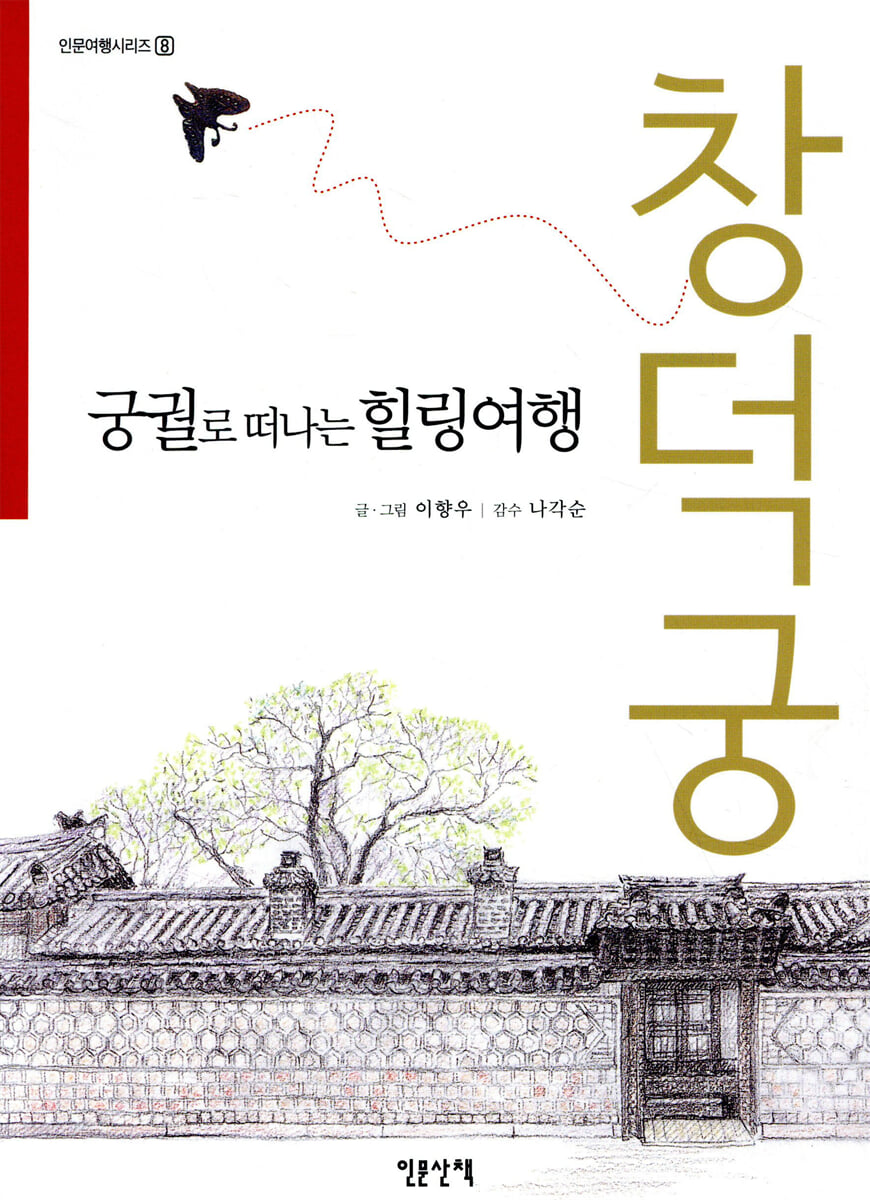 |
Description
Book Introduction
Changdeokgung Palace, the palace most loved by Joseon kings and queens!
The hidden charm and fun of Changdeokgung Palace, a World Heritage Site, are revealed in this book!
Following the publication of 『A Healing Journey to the Palace: Gyeongbokgung Palace』, the second book, Changdeokgung Palace, has been published.
Changdeokgung Palace was the second palace of the Joseon Dynasty and was the royal palace where the emperor resided for the longest period of time.
If Gyeongbokgung Palace, the first palace of the Joseon Dynasty, is a building with a strong symmetrical structure centered on the north-south axis, Changdeokgung Palace is the most beautiful of the palaces of the Joseon Dynasty and a space much loved by the kings of the past due to its comfortably positioned buildings and the forest in the rear garden.
Its value was recognized when it was registered as a World Cultural Heritage site in 1997, and it has become a representative palace of Korea.
The author, who is active as a guardian of our palaces, has observed and organized Changdeokgung Palace, a palace representing traditional Korean architecture, for over ten years, and is developing not only Korean traditional architectural styles but also the palace's paintings and sculptures from an aesthetic perspective.
We also put a lot of effort into discovering the history and human stories contained in the palace, capturing various aspects of the palace in photographs and adding drawings so that people can experience the palace through their emotions.
Rather than being a rigid historical chronicle or academic guide, it is expected to serve as a guide that helps visitors discover and enjoy the value and beauty of traditional culture on their own within the palace grounds.
The hidden charm and fun of Changdeokgung Palace, a World Heritage Site, are revealed in this book!
Following the publication of 『A Healing Journey to the Palace: Gyeongbokgung Palace』, the second book, Changdeokgung Palace, has been published.
Changdeokgung Palace was the second palace of the Joseon Dynasty and was the royal palace where the emperor resided for the longest period of time.
If Gyeongbokgung Palace, the first palace of the Joseon Dynasty, is a building with a strong symmetrical structure centered on the north-south axis, Changdeokgung Palace is the most beautiful of the palaces of the Joseon Dynasty and a space much loved by the kings of the past due to its comfortably positioned buildings and the forest in the rear garden.
Its value was recognized when it was registered as a World Cultural Heritage site in 1997, and it has become a representative palace of Korea.
The author, who is active as a guardian of our palaces, has observed and organized Changdeokgung Palace, a palace representing traditional Korean architecture, for over ten years, and is developing not only Korean traditional architectural styles but also the palace's paintings and sculptures from an aesthetic perspective.
We also put a lot of effort into discovering the history and human stories contained in the palace, capturing various aspects of the palace in photographs and adding drawings so that people can experience the palace through their emotions.
Rather than being a rigid historical chronicle or academic guide, it is expected to serve as a guide that helps visitors discover and enjoy the value and beauty of traditional culture on their own within the palace grounds.
- You can preview some of the book's contents.
Preview
index
Recommendation: Attached to the ‘Changdeokgung Palace’ episode of the healing trip to the palace
Author's Note: Discovering Healing Spaces That Soothe Me
1.
The way to Donhwamun
2.
Crossing Geumcheon Bridge
3.
Enter the palace as a cabinet secretary
4.
Injeongjeon, practicing good politics
5.
Selection, discussing politics
6.
Heejeongdang, dreaming of bright politics
7.
Daejojeon, accomplishing a great undertaking
8.
Seongjeonggak, devoted to learning and self-cultivation
9.
Nakseonjae, meeting love
10.
Walk around the sponsorship
11.
Fall in love with the green of Buyongjeong
12.
Aeryeonjeong is dyed in autumn
13.
Yeongyeongdang holds a banquet
14.
The golden light of Jondeokjeong tempts
15.
Enjoying the scenery at Okryucheon
16.
Shinseon Nuclear Power Plant, Embracing the Sky
supplement
Ten Scenic Views of Changdeokgung Palace
Changdeokgung Palace Event Schedule
Joseon Dynasty Family Tree
Changdeokgung Palace Chronology
References
Author's Note: Discovering Healing Spaces That Soothe Me
1.
The way to Donhwamun
2.
Crossing Geumcheon Bridge
3.
Enter the palace as a cabinet secretary
4.
Injeongjeon, practicing good politics
5.
Selection, discussing politics
6.
Heejeongdang, dreaming of bright politics
7.
Daejojeon, accomplishing a great undertaking
8.
Seongjeonggak, devoted to learning and self-cultivation
9.
Nakseonjae, meeting love
10.
Walk around the sponsorship
11.
Fall in love with the green of Buyongjeong
12.
Aeryeonjeong is dyed in autumn
13.
Yeongyeongdang holds a banquet
14.
The golden light of Jondeokjeong tempts
15.
Enjoying the scenery at Okryucheon
16.
Shinseon Nuclear Power Plant, Embracing the Sky
supplement
Ten Scenic Views of Changdeokgung Palace
Changdeokgung Palace Event Schedule
Joseon Dynasty Family Tree
Changdeokgung Palace Chronology
References
Detailed image
Into the book
After the palace was completely burned down during the Japanese invasion of 1592, Changdeokgung was restored by King Gwanghaegun in 1610 and served as the main palace of the Joseon Dynasty for approximately 270 years.
Afterwards, he built Gyeonghuigung Palace and called it Seogwol (West Palace).
And when Gyeongbokgung Palace was rebuilt during the reign of King Gojong, Changdeokgung Palace was left empty from 1894 to 1907.
After Emperor Sunjong ascended to the throne in November 1907, it was moved to Changdeokgung Palace, but with the Japanese colonial rule in 1910, it became the last site of Joseon Dynasty history.
Among the remaining Joseon palaces, Changdeokgung Palace is the only one with a well-preserved rear garden, showcasing palace architecture that harmonizes the buildings with the natural landscape.
Changdeokgung Palace is a world-class garden that preserves the characteristics and beauty of traditional Korean landscaping, and was recognized for its value and registered as a UNESCO World Heritage Site in 1997. --- pp.25-26
The coronation of a king is usually held during the funeral period of the deceased king, unless the king abdicates from the previous king or ascends to the throne through a coup, creating a very sad situation.
Many people, influenced by the visuals that are often woven into dramas, mistakenly believe that the king's coronation is a very splendid, grand, and joyful event.
It's purely due to the misrepresentation in historical television dramas that we've been accepting without any awareness. --- p.84
As we arrive at the Soyoam Falls of Okryucheon and read King Sukjong's poems, we are forced to understand the metaphors and exaggerations of this poet and scholar, a man of rich emotions who was captivated by the beauty of nature at the time.
The waterfall's water path is too insignificant to accept King Sukjong's 'Biryu Sam Baek Cheok'.
Can our senses, so numb to the relentless sound of heavy metal, hear the thunderous roar of the waterfall echoing throughout the valley? Furthermore, accustomed to the excessively flashy and dazzling spectacle, with what mental eye can we discern the white rainbow unfolding over the water?
Afterwards, he built Gyeonghuigung Palace and called it Seogwol (West Palace).
And when Gyeongbokgung Palace was rebuilt during the reign of King Gojong, Changdeokgung Palace was left empty from 1894 to 1907.
After Emperor Sunjong ascended to the throne in November 1907, it was moved to Changdeokgung Palace, but with the Japanese colonial rule in 1910, it became the last site of Joseon Dynasty history.
Among the remaining Joseon palaces, Changdeokgung Palace is the only one with a well-preserved rear garden, showcasing palace architecture that harmonizes the buildings with the natural landscape.
Changdeokgung Palace is a world-class garden that preserves the characteristics and beauty of traditional Korean landscaping, and was recognized for its value and registered as a UNESCO World Heritage Site in 1997. --- pp.25-26
The coronation of a king is usually held during the funeral period of the deceased king, unless the king abdicates from the previous king or ascends to the throne through a coup, creating a very sad situation.
Many people, influenced by the visuals that are often woven into dramas, mistakenly believe that the king's coronation is a very splendid, grand, and joyful event.
It's purely due to the misrepresentation in historical television dramas that we've been accepting without any awareness. --- p.84
As we arrive at the Soyoam Falls of Okryucheon and read King Sukjong's poems, we are forced to understand the metaphors and exaggerations of this poet and scholar, a man of rich emotions who was captivated by the beauty of nature at the time.
The waterfall's water path is too insignificant to accept King Sukjong's 'Biryu Sam Baek Cheok'.
Can our senses, so numb to the relentless sound of heavy metal, hear the thunderous roar of the waterfall echoing throughout the valley? Furthermore, accustomed to the excessively flashy and dazzling spectacle, with what mental eye can we discern the white rainbow unfolding over the water?
--- p.348
Publisher's Review
1.
The most beautiful palace in the world, Changdeokgung Palace!
Dr. Shin Hee-kwon, former director of the Changdeokgung Palace Management Office, confidently states in his book's recommendation that Changdeokgung Palace is the best palace in Korea and the most beautiful palace in the world.
And, we note the novelty of this book, which differentiates it from existing specialized books, academic books, and travel guides on Changdeokgung Palace.
Above all, this is because the author, who is active as a palace guard, is unfolding the story and beauty of the palace in a way that no one has ever attempted before.
In the recently published 『Healing Journey to the Palace: Gyeongbokgung Palace』, the author suggested a new way to tour the palace by starting the Gyeongbokgung Palace tour at Gwanghwamun Square in Sejong-ro.
This Changdeokgung Palace tour begins at Jongno 3-ga, the former Unjongga.
This perspective stimulates interest in palaces, showing that they are not just spaces of the past, but are also connected to our present lives.
2.
Shall we take a walk around Changdeokgung Palace?
We've probably only visited the palace once or twice, only to have a cursory glance. So, time in the palace has likely felt like it stopped.
The author's feelings, gained through over a decade of lovingly observing the palace, awaken our indifference throughout this book.
If you head north from Jongno 3-ga, you will see Donhwamun, the main gate of Changdeokgung Palace.
After looking around the restored Donhwamun Gate and the Sanguiwon area outside the wall, let's go inside Changdeokgung Palace.
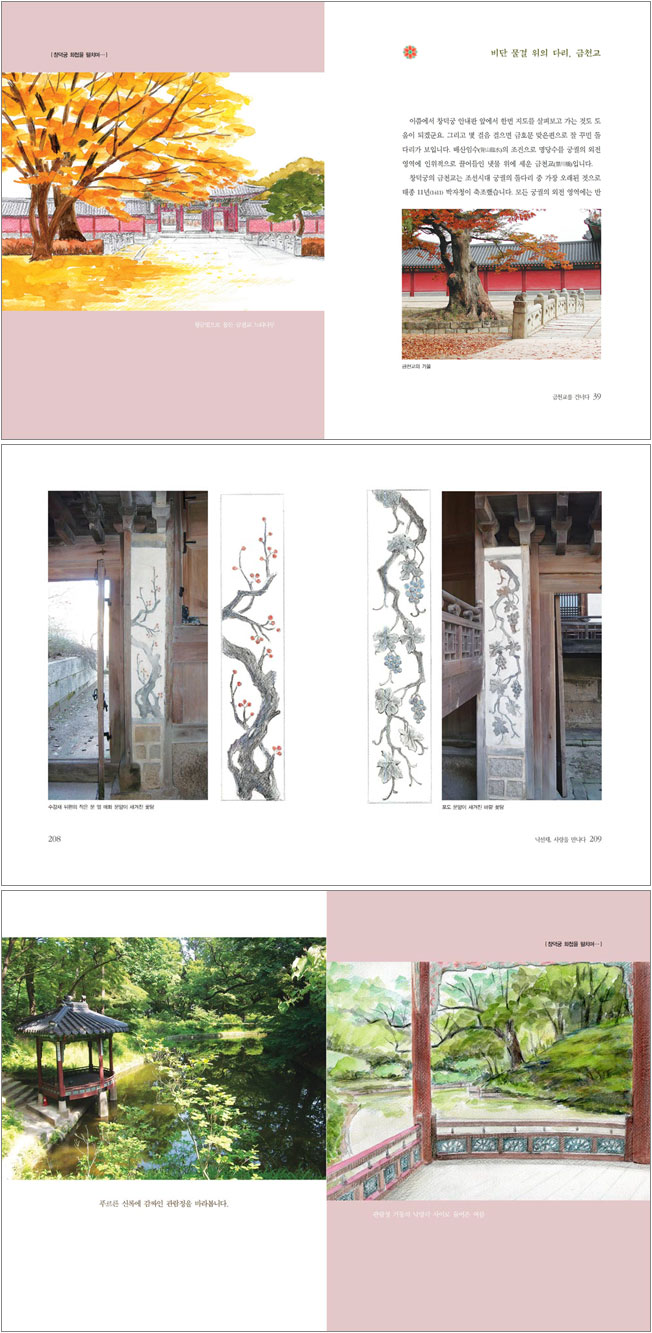
When you reach Geumcheon Bridge, the oldest stone bridge among the palace bridges of the Joseon Dynasty, you will see stone sculptures.
The author focuses on the charming expressions of these stone statues that we might otherwise pass by.
If you look closely, you can see that it has a smiling expression, and its tail is curled up behind its butt as if welcoming a visitor.
Through these small stone sculptures, the author speaks of the leisure and artistic perfection achieved by Joseon stonemasons.
Then, he guides us around the pavilion along the viewing route, telling us to look at the elegant curved roofline and walls.
We also carefully observe the value and beauty of pillars, signboards, and patterns that we may have passed by without much thought.
Above all, Nakseonjae and the pavilion and flower garden attached to the hill behind it clearly show the beauty of a high-class Hanok.
Discover the beauty of the geometric patterns of window frames illuminated by sunlight, or discover the symbolism of the immortal world in the bat and bottle-shaped figures decorating the veranda and hallway railings, as well as in the strange rocks, chimneys, lotus ponds, and flower walls.
This is the sad historical site where the last members of the Joseon royal family, including Princess Deokhye, Prince Yeongchin, and Lady Yi Bangja, ended their lives, but the author seems to be arguing that the beauty that permeates Nakseonjae has actually healed the wounds of history.
The hidden charm and fun of Changdeokgung Palace continues to the rear garden.
Buyongjeong and Buyongji, Aeryeonjeong and Aeryeonji, Gwanramjeong and Bandoji, Jondeokjeong and Banwolji, and Soyojeong and Okryucheon are small pavilions and ponds that blend in with nature and became royal resting places.
The rear garden of Changdeokgung Palace prioritized the comfort of experiencing the colors of nature rather than the artificial decorations or splendor seen in Western gardens.
It is a 'secret garden' that can only be seen by breathing with nature and feeling it with your heart.
The book also does not miss out on expressing the beauty of the four seasons: spring, summer, fall, and winter.
As you follow the author's footsteps and stroll, you will finally come to appreciate the hidden charm of Changdeokgung Palace and develop an aesthetic eye for palaces.
So, this is a book that makes you feel like you're walking through Changdeokgung Palace yourself! It's like a "secret book," immersing readers in the book and providing a healing moment.
The most beautiful palace in the world, Changdeokgung Palace!
Dr. Shin Hee-kwon, former director of the Changdeokgung Palace Management Office, confidently states in his book's recommendation that Changdeokgung Palace is the best palace in Korea and the most beautiful palace in the world.
And, we note the novelty of this book, which differentiates it from existing specialized books, academic books, and travel guides on Changdeokgung Palace.
Above all, this is because the author, who is active as a palace guard, is unfolding the story and beauty of the palace in a way that no one has ever attempted before.
In the recently published 『Healing Journey to the Palace: Gyeongbokgung Palace』, the author suggested a new way to tour the palace by starting the Gyeongbokgung Palace tour at Gwanghwamun Square in Sejong-ro.
This Changdeokgung Palace tour begins at Jongno 3-ga, the former Unjongga.
This perspective stimulates interest in palaces, showing that they are not just spaces of the past, but are also connected to our present lives.
2.
Shall we take a walk around Changdeokgung Palace?
We've probably only visited the palace once or twice, only to have a cursory glance. So, time in the palace has likely felt like it stopped.
The author's feelings, gained through over a decade of lovingly observing the palace, awaken our indifference throughout this book.
If you head north from Jongno 3-ga, you will see Donhwamun, the main gate of Changdeokgung Palace.
After looking around the restored Donhwamun Gate and the Sanguiwon area outside the wall, let's go inside Changdeokgung Palace.
When you reach Geumcheon Bridge, the oldest stone bridge among the palace bridges of the Joseon Dynasty, you will see stone sculptures.
The author focuses on the charming expressions of these stone statues that we might otherwise pass by.
If you look closely, you can see that it has a smiling expression, and its tail is curled up behind its butt as if welcoming a visitor.
Through these small stone sculptures, the author speaks of the leisure and artistic perfection achieved by Joseon stonemasons.
Then, he guides us around the pavilion along the viewing route, telling us to look at the elegant curved roofline and walls.
We also carefully observe the value and beauty of pillars, signboards, and patterns that we may have passed by without much thought.
Above all, Nakseonjae and the pavilion and flower garden attached to the hill behind it clearly show the beauty of a high-class Hanok.
Discover the beauty of the geometric patterns of window frames illuminated by sunlight, or discover the symbolism of the immortal world in the bat and bottle-shaped figures decorating the veranda and hallway railings, as well as in the strange rocks, chimneys, lotus ponds, and flower walls.
This is the sad historical site where the last members of the Joseon royal family, including Princess Deokhye, Prince Yeongchin, and Lady Yi Bangja, ended their lives, but the author seems to be arguing that the beauty that permeates Nakseonjae has actually healed the wounds of history.
The hidden charm and fun of Changdeokgung Palace continues to the rear garden.
Buyongjeong and Buyongji, Aeryeonjeong and Aeryeonji, Gwanramjeong and Bandoji, Jondeokjeong and Banwolji, and Soyojeong and Okryucheon are small pavilions and ponds that blend in with nature and became royal resting places.
The rear garden of Changdeokgung Palace prioritized the comfort of experiencing the colors of nature rather than the artificial decorations or splendor seen in Western gardens.
It is a 'secret garden' that can only be seen by breathing with nature and feeling it with your heart.
The book also does not miss out on expressing the beauty of the four seasons: spring, summer, fall, and winter.
As you follow the author's footsteps and stroll, you will finally come to appreciate the hidden charm of Changdeokgung Palace and develop an aesthetic eye for palaces.
So, this is a book that makes you feel like you're walking through Changdeokgung Palace yourself! It's like a "secret book," immersing readers in the book and providing a healing moment.
GOODS SPECIFICS
- Date of publication: June 20, 2013
- Page count, weight, size: 384 pages | 538g | 153*210*30mm
- ISBN13: 9788998259037
- ISBN10: 8998259036
You may also like
카테고리
korean


korean

![GQ KOREA Mark (Monthly): December [2025]](http://librairie.coreenne.fr/cdn/shop/files/8ef265dbbfbf186523ed75ba7319009d.jpg?v=1765340328&width=3840)


