

Vietnam War
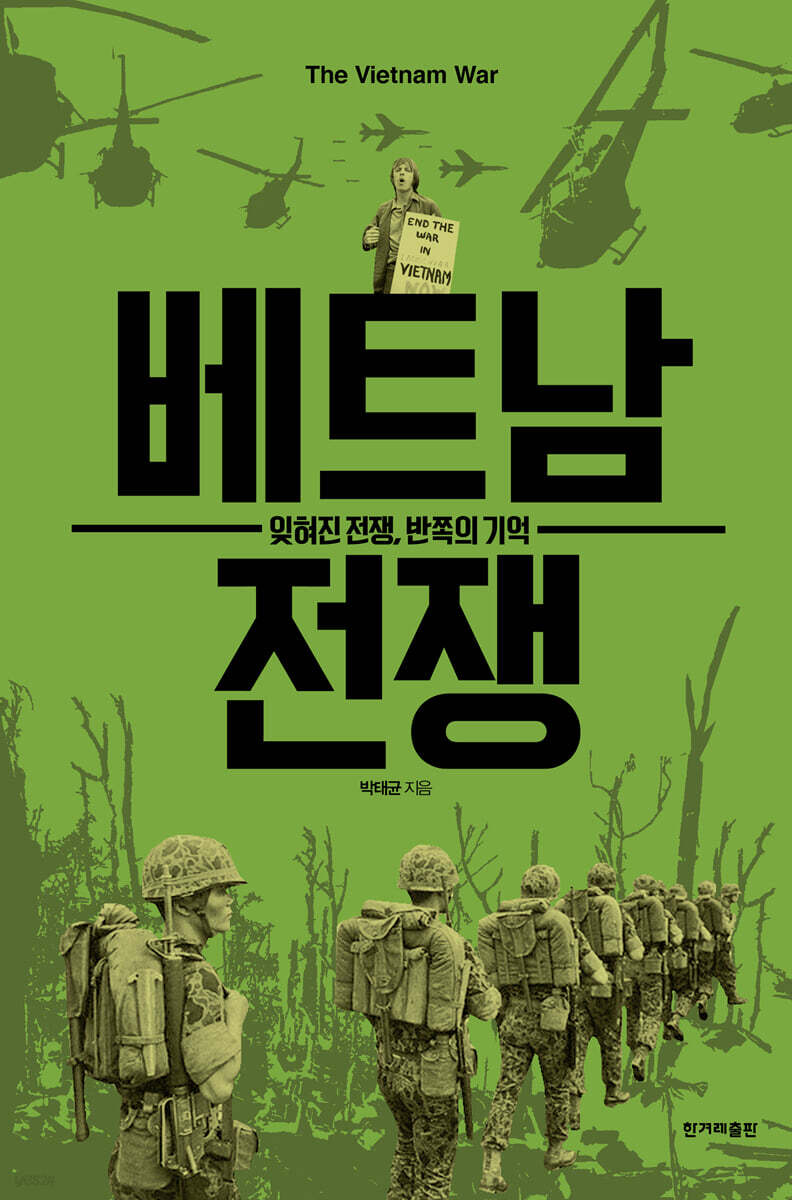 |
Description
Book Introduction
Another masterpiece by Park Tae-gyun following 『The Korean War』!
Why did the United States intervene in the Vietnam War? And why did South Korea, unable to even protect its own security, send combat troops to Vietnam? Why did the South Korean government decide to send troops when Britain and France, America's closest allies, refused to participate in the Vietnam War, which was initiated by active US intervention? Where does the Vietnam War, as remembered by us, originate?
Professor Park Tae-gyun of Seoul National University's Graduate School of International Studies, who received attention in 2005 for his book "The Korean War," has published a new book that comprehensively covers the Vietnam War.
This book was published after analyzing a vast amount of data, including domestic and international books and papers, as well as diplomatic documents, and after over ten years of research.
From the time South Korea first dispatched troops to the Vietnam War in 1964 until their withdrawal in March 1973, more than 320,000 South Korean troops went to Vietnam.
About 5,000 of them were killed in action, and more than 10,000 suffered from Agent Orange after the war.
And countless innocent Vietnamese people died.
The dispatch of troops to the Vietnam War was notable as the first and largest overseas dispatch of troops, and it was also a landmark event in modern Korean history as it had a significant impact on Korea's economic growth.
However, the issue of massacres of deployed soldiers and civilians, hidden in the special circumstances of war, is nowhere to be found.
We examine the footprints left by the Vietnam War, another war of the 20th century, on Korea and the world.
Why did the United States intervene in the Vietnam War? And why did South Korea, unable to even protect its own security, send combat troops to Vietnam? Why did the South Korean government decide to send troops when Britain and France, America's closest allies, refused to participate in the Vietnam War, which was initiated by active US intervention? Where does the Vietnam War, as remembered by us, originate?
Professor Park Tae-gyun of Seoul National University's Graduate School of International Studies, who received attention in 2005 for his book "The Korean War," has published a new book that comprehensively covers the Vietnam War.
This book was published after analyzing a vast amount of data, including domestic and international books and papers, as well as diplomatic documents, and after over ten years of research.
From the time South Korea first dispatched troops to the Vietnam War in 1964 until their withdrawal in March 1973, more than 320,000 South Korean troops went to Vietnam.
About 5,000 of them were killed in action, and more than 10,000 suffered from Agent Orange after the war.
And countless innocent Vietnamese people died.
The dispatch of troops to the Vietnam War was notable as the first and largest overseas dispatch of troops, and it was also a landmark event in modern Korean history as it had a significant impact on Korea's economic growth.
However, the issue of massacres of deployed soldiers and civilians, hidden in the special circumstances of war, is nowhere to be found.
We examine the footprints left by the Vietnam War, another war of the 20th century, on Korea and the world.
index
Opening Remarks: 50th Anniversary of Troop Deployment: Asking the Meaning of War
Part 1: Why Did They Go to Vietnam?
· A Choice to Protect the Free World? |The Real Reason for Deploying Troops
Another war on the Korean Peninsula | North Korea's provocations
· Were the dispatched troops 'Aladdin's lamp' to Park Chung-hee? |The different dreams of Korea and the United States
· Obsession with Ideology | Why America is in the Swamp
· The US just waited for the rabbit to die | The trauma of Chinese intervention
Part 2: Vietnam and the Vietnam War
Was the Domino Theory a Miscalculation? | The Conflict Between North Vietnam and China
· Ideology blinded the eyes | The end of the South Vietnamese president
· Why They Became Viet Cong | The Division of the Vietnamese Communists
· Stories of the Dead and the Killers | Massacre of Civilians
· It was a festival of mad killings | The My Lai Massacre of 1968
Part 3 Soldiers' Records
· Rescue us from the jungle of hell | Collapse of the military
· The War of the Working Class | Who Were the American Soldiers?
· Are the Korean military like dogs and pigs? | How the US military treats the Korean military
· "Fights well, but is overly brutal" | The Light and Dark Side of the Early Korean Army
· "All the people with money and a hundred dollars are gone" | Who went to Vietnam?
Part 4: How America Lost in Vietnam
· There Was No North Vietnamese Torpedo Attack | The Truth About the Gulf of Tonkin Incident
· Panic after Repelling the Viet Cong | The Tet Offensive and the Anti-War Movement
· "It's the economy, stupid" | The secret behind Nixon's withdrawal policy
Bombing for Peace? |The Missing Lessons of the Korean War
· A Stepping Stone to a New Era | America's Anti-War Movement
Part 5: The Miracle on the Han River and the Hidden Truth
· We are charged with the historical mission of national revival… |National mobilization
· Foreign currency pouring in and emerging conglomerates | Special wartime situation
· Where did the money earned on the front lines of death go? |Compensation for Powell soldiers and workers
· The US strikes Park Chung-hee in the back of the head | The Nixon Doctrine
Part 6: The World After the Withdrawal of US Troops
· Even Without US Troops? | Korea's Vietnam War, 1972
Was money more important than the lives of soldiers? |The government's foolishness and the Battle of An Khe Pass
Asia's Democracy on the Road to Darkness | The Crisis Caused by the Nixon Doctrine
· The Truth Behind Rumors of a 'Second Korean War' | The Fall of South Vietnam and the Korean Peninsula
Part 7: What is remembered and what is not remembered
· Speaking of the 1970s | War Specials, Land Speculation, and Acoustic Guitars
· Vietnamese troops appear in Pyongyang | POWs and missing persons
Is this a government worth protecting? Lessons from the fall of South Vietnam
· So, back to Iraq | Half a Memory
Closing Remarks _ The Unfinished Vietnam War
References
Chronology
map
Part 1: Why Did They Go to Vietnam?
· A Choice to Protect the Free World? |The Real Reason for Deploying Troops
Another war on the Korean Peninsula | North Korea's provocations
· Were the dispatched troops 'Aladdin's lamp' to Park Chung-hee? |The different dreams of Korea and the United States
· Obsession with Ideology | Why America is in the Swamp
· The US just waited for the rabbit to die | The trauma of Chinese intervention
Part 2: Vietnam and the Vietnam War
Was the Domino Theory a Miscalculation? | The Conflict Between North Vietnam and China
· Ideology blinded the eyes | The end of the South Vietnamese president
· Why They Became Viet Cong | The Division of the Vietnamese Communists
· Stories of the Dead and the Killers | Massacre of Civilians
· It was a festival of mad killings | The My Lai Massacre of 1968
Part 3 Soldiers' Records
· Rescue us from the jungle of hell | Collapse of the military
· The War of the Working Class | Who Were the American Soldiers?
· Are the Korean military like dogs and pigs? | How the US military treats the Korean military
· "Fights well, but is overly brutal" | The Light and Dark Side of the Early Korean Army
· "All the people with money and a hundred dollars are gone" | Who went to Vietnam?
Part 4: How America Lost in Vietnam
· There Was No North Vietnamese Torpedo Attack | The Truth About the Gulf of Tonkin Incident
· Panic after Repelling the Viet Cong | The Tet Offensive and the Anti-War Movement
· "It's the economy, stupid" | The secret behind Nixon's withdrawal policy
Bombing for Peace? |The Missing Lessons of the Korean War
· A Stepping Stone to a New Era | America's Anti-War Movement
Part 5: The Miracle on the Han River and the Hidden Truth
· We are charged with the historical mission of national revival… |National mobilization
· Foreign currency pouring in and emerging conglomerates | Special wartime situation
· Where did the money earned on the front lines of death go? |Compensation for Powell soldiers and workers
· The US strikes Park Chung-hee in the back of the head | The Nixon Doctrine
Part 6: The World After the Withdrawal of US Troops
· Even Without US Troops? | Korea's Vietnam War, 1972
Was money more important than the lives of soldiers? |The government's foolishness and the Battle of An Khe Pass
Asia's Democracy on the Road to Darkness | The Crisis Caused by the Nixon Doctrine
· The Truth Behind Rumors of a 'Second Korean War' | The Fall of South Vietnam and the Korean Peninsula
Part 7: What is remembered and what is not remembered
· Speaking of the 1970s | War Specials, Land Speculation, and Acoustic Guitars
· Vietnamese troops appear in Pyongyang | POWs and missing persons
Is this a government worth protecting? Lessons from the fall of South Vietnam
· So, back to Iraq | Half a Memory
Closing Remarks _ The Unfinished Vietnam War
References
Chronology
map
Into the book
When the United States first requested the dispatch of Korean troops, the South Korean government's decision was based on considerations for the ROK-US alliance and to prevent a reduction in US troops stationed in Korea or their transfer to Vietnam.
But over time, the South Korean government learned that it was possible to achieve another goal.
The point was that it was possible to receive more compensation from the United States, as the United States urgently wanted more Korean troops.
The Brown Memorandum of early 1966 was a prime example.
The Brown Memorandum contained a provision that the United States would provide economic as well as military aid to Korea in return for sending combat troops to Korea.
However, while the United States viewed the Brown Memorandum as the final compensation to the Korean government, Korea viewed it as a signal that it could receive more compensation.
--- p.40
The reasons why the United States and its allies withdrew from the Vietnam War without achieving their intended objectives can be approached from three main aspects.
First, the United States intervened in a war without a justification and waged the war with a flawed strategy.
Second, it was criticized by world public opinion for its immoral behavior, including the massacre of civilians.
Finally, the Vietnamese people fought well against the United States and its allies.
Although all three issues were important, the most important cause of the escalation of the Vietnam War was American policy and strategic errors.
And the faulty American strategy was due to America's miscalculation of Vietnam.
The United States and its allies did not fully understand why the war in Vietnam had begun.
Is the main enemy North Vietnam or the Viet Cong? Are the majority of South Vietnamese who support the Viet Cong enemies or allies? If Vietnam becomes communist, could China bring all of Southeast Asia under its sphere of influence? --- p.84
Going to war and sacrificing one's life for something is never easy.
There must be something worth sacrificing one's life to protect.
Something more important to me than life.
It was necessary to prove to those who lived in the Cold War era, a time when they “firmly pledged to dedicate their bodies and minds to the eternal glory of their country and people and to be loyal,” and who were “born in this land with the historical mission of national revival,” that it was worth risking their lives to protect something.
(…) the state failed to give them a reason to fight.
And instead of protecting their individual security, it threatened their security.
There they had to fight on their own, without the protection of the state.
The anti-war movement spread worldwide.
Why is the security of a nation that cannot protect the security of individuals important? The anti-war movement arose not only socially but also within the military.
--- pp.122-123
What must have been the feelings of the citizens who watched the Tet Offensive on TV? Having witnessed the deaths of their neighbors, the young men next door, their nephews, and their children during the Tet Offensive, citizens concluded that they could no longer send their young people into this swamp.
The anti-war movement gained momentum, and the leaders who had decided to intervene deeply were now forced to step down.
President Johnson requested negotiations with Ho Chi Minh on April 15, 1968.
It was a historic day.
It recognized North Vietnam as a dialogue partner.
When the Gulf of Tonkin incident occurred in 1964, the Viet Cong and their North Vietnamese supporters were simply targets to be eliminated from this world, but now they are partners in dialogue.
(…) Even while proposing negotiations, there was something Johnson did not forget.
A threat of massive retaliation if the US offer is not accepted.
But it was not Ho Chi Minh but Johnson who backed down.
--- p.179
Amidst the strengthening of the conscription system and the full implementation of the resident registration system, which strengthened social mobilization and control, President Park Chung-hee suddenly emphasized the importance of the "second economy" during a New Year's press conference on January 16, 1968.
As the material 'first economy' grew, a corresponding spiritual 'second economy' was needed.
President Park insisted that a "mental reform effort" must begin to eliminate "mental backwardness."
It was similar to Lee Gwang-su's theory of national reform.
The second economic theory, which aimed to reform the people's spirit, led to the erection of a statue of Admiral Yi Sun-sin in Gwanghwamun in 1968 and the enactment of the National Education Charter.
Now, a system was created that could successfully mobilize and control all citizens “born into this land with the historical mission of national revival.”
--- p.218
The South Korean army also suffered considerable casualties during the withdrawal process because it withdrew only at the very last minute.
(…) The Viet Cong also launched a full-scale offensive ahead of the ceasefire.
The Korean army was caught up in the fierce battle between the South Vietnamese government and the Viet Cong to secure one more place before the ceasefire.
(…) While the ROK military was no longer an "Aladdin's lamp" preventing the reduction or withdrawal of US troops, was it also seen as an "Aladdin's lamp" in another sense, capable of modernizing the ROK military through wartime specials or US aid? While the ROK military struggled on the Vietnam front, news related to wartime specials constantly filled the Korean newspapers.
After the Blue Dragon Unit withdrawal plan, the Army Division withdrawal plan was postponed from June to December 1972 and then again to the following year.
--- pp.264-265
Humans are stupid.
Because it is quickly forgotten.
The United States, which was struggling in the swamp of Vietnam, said it would not get stuck in the swamp any longer.
But now the United States is stuck in the swamps of Iraq and Afghanistan.
The Vietnam War taught Korean society the lessons of democracy, transparency, and fairness.
Although democratization has been achieved, Korea is currently failing to properly fulfill any of these three goals.
As President Park Chung-hee pointed out in his emergency address in 1975, we are 'wasting time by just sitting around arguing point by point.'
We must not forget the lessons of the Vietnam War in order to 'unite the government, the military, and the people as one and confront with all our might.'
We must become a government that the people want to protect.
That's not going to happen soon.
--- pp.319-320
Does the portrayal of the Vietnam War in Korean films and dramas accurately portray the true nature of the conflict? Unfortunately, the true nature of the Vietnam War and the situations Korean soldiers actually experienced are not portrayed realistically.
(…) Korean films and dramas about the Vietnam War clearly show the content and characteristics of Korean society’s memories of the Vietnam War.
In Korean society, only half of the Vietnam War is remembered.
Only what you want to remember is remembered.
Memories of only part of an event, rather than the whole event, also distort the event itself.
But over time, the South Korean government learned that it was possible to achieve another goal.
The point was that it was possible to receive more compensation from the United States, as the United States urgently wanted more Korean troops.
The Brown Memorandum of early 1966 was a prime example.
The Brown Memorandum contained a provision that the United States would provide economic as well as military aid to Korea in return for sending combat troops to Korea.
However, while the United States viewed the Brown Memorandum as the final compensation to the Korean government, Korea viewed it as a signal that it could receive more compensation.
--- p.40
The reasons why the United States and its allies withdrew from the Vietnam War without achieving their intended objectives can be approached from three main aspects.
First, the United States intervened in a war without a justification and waged the war with a flawed strategy.
Second, it was criticized by world public opinion for its immoral behavior, including the massacre of civilians.
Finally, the Vietnamese people fought well against the United States and its allies.
Although all three issues were important, the most important cause of the escalation of the Vietnam War was American policy and strategic errors.
And the faulty American strategy was due to America's miscalculation of Vietnam.
The United States and its allies did not fully understand why the war in Vietnam had begun.
Is the main enemy North Vietnam or the Viet Cong? Are the majority of South Vietnamese who support the Viet Cong enemies or allies? If Vietnam becomes communist, could China bring all of Southeast Asia under its sphere of influence? --- p.84
Going to war and sacrificing one's life for something is never easy.
There must be something worth sacrificing one's life to protect.
Something more important to me than life.
It was necessary to prove to those who lived in the Cold War era, a time when they “firmly pledged to dedicate their bodies and minds to the eternal glory of their country and people and to be loyal,” and who were “born in this land with the historical mission of national revival,” that it was worth risking their lives to protect something.
(…) the state failed to give them a reason to fight.
And instead of protecting their individual security, it threatened their security.
There they had to fight on their own, without the protection of the state.
The anti-war movement spread worldwide.
Why is the security of a nation that cannot protect the security of individuals important? The anti-war movement arose not only socially but also within the military.
--- pp.122-123
What must have been the feelings of the citizens who watched the Tet Offensive on TV? Having witnessed the deaths of their neighbors, the young men next door, their nephews, and their children during the Tet Offensive, citizens concluded that they could no longer send their young people into this swamp.
The anti-war movement gained momentum, and the leaders who had decided to intervene deeply were now forced to step down.
President Johnson requested negotiations with Ho Chi Minh on April 15, 1968.
It was a historic day.
It recognized North Vietnam as a dialogue partner.
When the Gulf of Tonkin incident occurred in 1964, the Viet Cong and their North Vietnamese supporters were simply targets to be eliminated from this world, but now they are partners in dialogue.
(…) Even while proposing negotiations, there was something Johnson did not forget.
A threat of massive retaliation if the US offer is not accepted.
But it was not Ho Chi Minh but Johnson who backed down.
--- p.179
Amidst the strengthening of the conscription system and the full implementation of the resident registration system, which strengthened social mobilization and control, President Park Chung-hee suddenly emphasized the importance of the "second economy" during a New Year's press conference on January 16, 1968.
As the material 'first economy' grew, a corresponding spiritual 'second economy' was needed.
President Park insisted that a "mental reform effort" must begin to eliminate "mental backwardness."
It was similar to Lee Gwang-su's theory of national reform.
The second economic theory, which aimed to reform the people's spirit, led to the erection of a statue of Admiral Yi Sun-sin in Gwanghwamun in 1968 and the enactment of the National Education Charter.
Now, a system was created that could successfully mobilize and control all citizens “born into this land with the historical mission of national revival.”
--- p.218
The South Korean army also suffered considerable casualties during the withdrawal process because it withdrew only at the very last minute.
(…) The Viet Cong also launched a full-scale offensive ahead of the ceasefire.
The Korean army was caught up in the fierce battle between the South Vietnamese government and the Viet Cong to secure one more place before the ceasefire.
(…) While the ROK military was no longer an "Aladdin's lamp" preventing the reduction or withdrawal of US troops, was it also seen as an "Aladdin's lamp" in another sense, capable of modernizing the ROK military through wartime specials or US aid? While the ROK military struggled on the Vietnam front, news related to wartime specials constantly filled the Korean newspapers.
After the Blue Dragon Unit withdrawal plan, the Army Division withdrawal plan was postponed from June to December 1972 and then again to the following year.
--- pp.264-265
Humans are stupid.
Because it is quickly forgotten.
The United States, which was struggling in the swamp of Vietnam, said it would not get stuck in the swamp any longer.
But now the United States is stuck in the swamps of Iraq and Afghanistan.
The Vietnam War taught Korean society the lessons of democracy, transparency, and fairness.
Although democratization has been achieved, Korea is currently failing to properly fulfill any of these three goals.
As President Park Chung-hee pointed out in his emergency address in 1975, we are 'wasting time by just sitting around arguing point by point.'
We must not forget the lessons of the Vietnam War in order to 'unite the government, the military, and the people as one and confront with all our might.'
We must become a government that the people want to protect.
That's not going to happen soon.
--- pp.319-320
Does the portrayal of the Vietnam War in Korean films and dramas accurately portray the true nature of the conflict? Unfortunately, the true nature of the Vietnam War and the situations Korean soldiers actually experienced are not portrayed realistically.
(…) Korean films and dramas about the Vietnam War clearly show the content and characteristics of Korean society’s memories of the Vietnam War.
In Korean society, only half of the Vietnam War is remembered.
Only what you want to remember is remembered.
Memories of only part of an event, rather than the whole event, also distort the event itself.
--- p.324
Publisher's Review
50th Anniversary of Troop Deployment: Reflecting on War
This book is divided into seven parts.
Part 1: Why Did They Go to Vietnam? examines why Korea participated in the Vietnam War.
Korean history textbooks describe the ideological conflict between North and South Vietnam and the spread of communism as the reasons for sending troops.
However, few people know that the South Korean military, which seized power through a coup in May 1961, and its representative, Park Chung-hee, first proposed the dispatch of South Korean troops as one of the conditions for gaining approval for their regime.
Here, we compare the truth about the dispatch of Korean troops with the image of the Vietnam War as we remember it today.
Part 2: Vietnam and the Vietnam War deals with the internal situation in Vietnam and the story of the Vietnamese people who were forced to kill each other.
It also draws attention to the lesser-known issue of civilian massacres by South Korean troops.
The United States also did not have a proper grasp of the situation inside Vietnam.
Whether the main enemy is North Vietnam, the Viet Cong, or the people of South Vietnam who support the Viet Cong.
A war started without a just cause was bound to fail.
And in that war, only innocent people died.
In 'Part 3: Soldiers' Records', we delve into the vivid testimonies of soldiers who fought in the Vietnam War, as well as the backgrounds and conscription processes of the soldiers who fought in the war.
Those who risked their lives to go to war needed a sense of mission or appropriate compensation to protect the country's security by stopping the communists in Vietnam.
But in reality, that wasn't the case at all.
The state failed to give them a reason to fight.
What soldiers from poor families needed more than anything was compensation.
But all they got in return was a cold gaze.
We also look at the post-war lives of soldiers who were both perpetrators and victims.
Part 4: How America Lost in Vietnam examines the withdrawal of American troops.
The war that began in earnest in the Gulf of Tonkin ran into a wall of anti-war movements in less than three years.
The decisive moment was the Tet Offensive of 1968.
It wasn't just the soldiers who were weary of war.
As the Viet Cong gradually lost the support of the South Vietnamese people, they finally decided to launch a full-scale offensive, but the result was a crushing defeat.
Although the Tet Offensive resulted in a victory for the US military, contrary to the Viet Cong's intentions, the Tet Offensive actually served as an opportunity for the anti-war movement to spread further in the US.
Ultimately, Nixon had no choice but to decide to withdraw American troops from Vietnam.
Part 5, “The Miracle of the Han River and the Hidden Truth,” depicts the lives of Korean soldiers and technicians on the front lines, where they risked their lives.
Park Chung-hee, who was able to secure stable power due to the special circumstances of the war, soon declared Yushin and solidified his dictatorship.
In addition, real estate speculation began among conglomerates who had benefited from the war.
The 1970s were a time when Korea suddenly became prosperous thanks to the Korean soldiers and technicians dispatched to Vietnam, but it was also a time when freedom and rights were most restricted.
Part 6: The World After the Withdrawal of US Troops examines the changes in peripheral countries that had been under the shadow of the United States after the Vietnam War shook American hegemony.
The Nixon Doctrine was an inevitable choice to save the American economy that had been ruined by the Vietnam War.
But on the other hand, it had unintended political consequences for the allies who sent troops to Vietnam.
Korea, Thailand, and the Philippines all experienced dictatorships at roughly the same time.
The Vietnam War shook Korea and the world.
So how will the changes of that era be remembered?
Part 7, "Remembered and Unremembered," addresses the issues of prisoners of war and missing persons, compensation for veterans and victims of the Vietnam War, and the historical awareness surrounding these issues.
The author says that if we look at movies, novels, and dramas that deal with the Vietnam War, we can clearly see how we remember the Vietnam War.
The portrayal of the Vietnam War in movies and dramas fails to properly portray the true nature of the war.
In Korean society, the Vietnam War is only half remembered.
And this half-memory became the decisive factor in the Korean government's dispatch of troops to Iraq in 2003.
History is a battle with memory.
In order to avoid repeating the same mistakes, we need to remember the correct history.
What and how to remember
How will we remember the Vietnam War? It brought the greatest defeat and economic and psychological devastation in American history.
The United States remembers the Vietnam War as the first war in American history that was lost, fought in the wrong place and with the wrong tactics.
In Korea, only the special effects of the Vietnam War are emphasized, and the suffering of the Vietnamese people is not taken into consideration.
There are also mixed opinions about the Vietnam War veterans.
Although the veterans were perpetrators to the Vietnamese people, they were also victims of the war who suffered from the aftereffects and trauma of Agent Orange after the war.
However, the veterans were not recognized as protagonists anywhere, nor were they compensated as victims.
The author cited the following three reasons for writing this article:
“First, to clearly reveal historical facts.”
Distortion? Because concealed facts are creating certain memories.
Second, because the historical memory of the Vietnam War “remains in a certain direction” and “has the potential to lead current Korean society in a certain direction.”
In Korea, only the special aspects of the Vietnam War have been emphasized.
The reasons for participating in the war, an objective assessment of the soldiers, and compensation for the Vietnamese people have been neglected.
As if Japan does not reflect on its war crimes.
And just as most Japanese textbooks describe the Korean War by emphasizing only the specific aspects of the war.
Thirdly, it is to change the social perception of the Vietnam War by revealing “what lessons Korean society truly needs to learn.”
What should we remember today? What lessons can we learn from the Vietnam War? Korea has a "civil society that reflects objectively and impartially on past history."
And we have a duty to tell our descendants the correct history.
Although the war is over, the issue of civilian massacre and compensation for the soldiers who were both perpetrators and victims remains controversial.
If we make an effort to uncover the truth, we may not be able to turn back the past, but we can rewrite history correctly.
This book is divided into seven parts.
Part 1: Why Did They Go to Vietnam? examines why Korea participated in the Vietnam War.
Korean history textbooks describe the ideological conflict between North and South Vietnam and the spread of communism as the reasons for sending troops.
However, few people know that the South Korean military, which seized power through a coup in May 1961, and its representative, Park Chung-hee, first proposed the dispatch of South Korean troops as one of the conditions for gaining approval for their regime.
Here, we compare the truth about the dispatch of Korean troops with the image of the Vietnam War as we remember it today.
Part 2: Vietnam and the Vietnam War deals with the internal situation in Vietnam and the story of the Vietnamese people who were forced to kill each other.
It also draws attention to the lesser-known issue of civilian massacres by South Korean troops.
The United States also did not have a proper grasp of the situation inside Vietnam.
Whether the main enemy is North Vietnam, the Viet Cong, or the people of South Vietnam who support the Viet Cong.
A war started without a just cause was bound to fail.
And in that war, only innocent people died.
In 'Part 3: Soldiers' Records', we delve into the vivid testimonies of soldiers who fought in the Vietnam War, as well as the backgrounds and conscription processes of the soldiers who fought in the war.
Those who risked their lives to go to war needed a sense of mission or appropriate compensation to protect the country's security by stopping the communists in Vietnam.
But in reality, that wasn't the case at all.
The state failed to give them a reason to fight.
What soldiers from poor families needed more than anything was compensation.
But all they got in return was a cold gaze.
We also look at the post-war lives of soldiers who were both perpetrators and victims.
Part 4: How America Lost in Vietnam examines the withdrawal of American troops.
The war that began in earnest in the Gulf of Tonkin ran into a wall of anti-war movements in less than three years.
The decisive moment was the Tet Offensive of 1968.
It wasn't just the soldiers who were weary of war.
As the Viet Cong gradually lost the support of the South Vietnamese people, they finally decided to launch a full-scale offensive, but the result was a crushing defeat.
Although the Tet Offensive resulted in a victory for the US military, contrary to the Viet Cong's intentions, the Tet Offensive actually served as an opportunity for the anti-war movement to spread further in the US.
Ultimately, Nixon had no choice but to decide to withdraw American troops from Vietnam.
Part 5, “The Miracle of the Han River and the Hidden Truth,” depicts the lives of Korean soldiers and technicians on the front lines, where they risked their lives.
Park Chung-hee, who was able to secure stable power due to the special circumstances of the war, soon declared Yushin and solidified his dictatorship.
In addition, real estate speculation began among conglomerates who had benefited from the war.
The 1970s were a time when Korea suddenly became prosperous thanks to the Korean soldiers and technicians dispatched to Vietnam, but it was also a time when freedom and rights were most restricted.
Part 6: The World After the Withdrawal of US Troops examines the changes in peripheral countries that had been under the shadow of the United States after the Vietnam War shook American hegemony.
The Nixon Doctrine was an inevitable choice to save the American economy that had been ruined by the Vietnam War.
But on the other hand, it had unintended political consequences for the allies who sent troops to Vietnam.
Korea, Thailand, and the Philippines all experienced dictatorships at roughly the same time.
The Vietnam War shook Korea and the world.
So how will the changes of that era be remembered?
Part 7, "Remembered and Unremembered," addresses the issues of prisoners of war and missing persons, compensation for veterans and victims of the Vietnam War, and the historical awareness surrounding these issues.
The author says that if we look at movies, novels, and dramas that deal with the Vietnam War, we can clearly see how we remember the Vietnam War.
The portrayal of the Vietnam War in movies and dramas fails to properly portray the true nature of the war.
In Korean society, the Vietnam War is only half remembered.
And this half-memory became the decisive factor in the Korean government's dispatch of troops to Iraq in 2003.
History is a battle with memory.
In order to avoid repeating the same mistakes, we need to remember the correct history.
What and how to remember
How will we remember the Vietnam War? It brought the greatest defeat and economic and psychological devastation in American history.
The United States remembers the Vietnam War as the first war in American history that was lost, fought in the wrong place and with the wrong tactics.
In Korea, only the special effects of the Vietnam War are emphasized, and the suffering of the Vietnamese people is not taken into consideration.
There are also mixed opinions about the Vietnam War veterans.
Although the veterans were perpetrators to the Vietnamese people, they were also victims of the war who suffered from the aftereffects and trauma of Agent Orange after the war.
However, the veterans were not recognized as protagonists anywhere, nor were they compensated as victims.
The author cited the following three reasons for writing this article:
“First, to clearly reveal historical facts.”
Distortion? Because concealed facts are creating certain memories.
Second, because the historical memory of the Vietnam War “remains in a certain direction” and “has the potential to lead current Korean society in a certain direction.”
In Korea, only the special aspects of the Vietnam War have been emphasized.
The reasons for participating in the war, an objective assessment of the soldiers, and compensation for the Vietnamese people have been neglected.
As if Japan does not reflect on its war crimes.
And just as most Japanese textbooks describe the Korean War by emphasizing only the specific aspects of the war.
Thirdly, it is to change the social perception of the Vietnam War by revealing “what lessons Korean society truly needs to learn.”
What should we remember today? What lessons can we learn from the Vietnam War? Korea has a "civil society that reflects objectively and impartially on past history."
And we have a duty to tell our descendants the correct history.
Although the war is over, the issue of civilian massacre and compensation for the soldiers who were both perpetrators and victims remains controversial.
If we make an effort to uncover the truth, we may not be able to turn back the past, but we can rewrite history correctly.
GOODS SPECIFICS
- Date of issue: May 10, 2023
- Page count, weight, size: 352 pages | 509g | 152*225*18mm
- ISBN13: 9791160409994
- ISBN10: 1160409994
You may also like
카테고리
korean


korean

![GQ KOREA Mark (Monthly): December [2025]](http://librairie.coreenne.fr/cdn/shop/files/8ef265dbbfbf186523ed75ba7319009d.jpg?v=1765340328&width=3840)


