

Physical AI
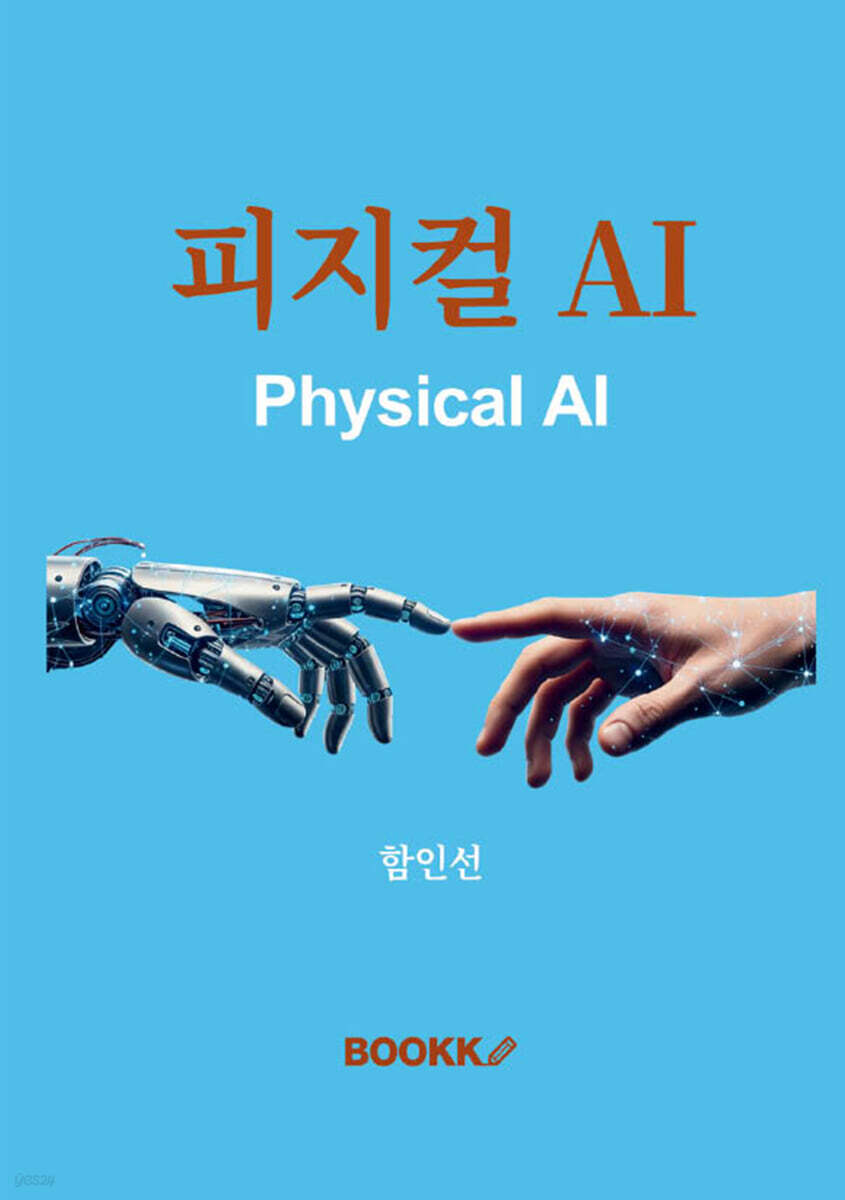 |
Description
Book Introduction
Beyond the era of generative AI, represented by ChatGPT, where is artificial intelligence headed?
『Physical AI』 provides an answer to that very question.
"Physical AI" refers to the next stage of technology, where artificial intelligence, once confined to the digital world, takes on a physical form, like a robot, interacts with the real world, and makes judgments and actions. As AI fundamentally transforms our work and lives, the emergence of physical AI evokes both vague anticipation and fear.
This book is a professional textbook and friendly guide that calmly and deeply guides you through the still-unfamiliar concept of physical AI, its core technologies, and the ripple effects it will have on our society.
It answers readers' likely questions and clearly explains complex technical principles, making it accessible to anyone seeking intellectual exploration.
This book is divided into 4 parts and 11 chapters, each of which gradually expands the depth of understanding of physical AI.
Part 1 systematically explains the definition, historical context, and operating principles of physical AI (the cycle of perception, inference, and action).
Part 2 covers core technologies (sensor fusion, digital twins, etc.) and application cases, while Part 3 explores the social, economic, and ethical implications.
A particular strength of this book lies in its future outlook in Part 4.
Beyond a general introduction to technology, this book stands out for its systematic exploration of future prospects, a perspective the author has invested considerable time and effort into exploring.
By presenting the future technological advancements that physical AI will bring, the challenges of technological singularity that humanity may face, and specific hypothetical scenarios in a three-dimensional manner, readers can gain a deeper understanding and imagination of the future.
At the dawn of the physical AI era, this book will serve as a reliable compass for anyone seeking to understand and prepare for the future.
『Physical AI』 provides an answer to that very question.
"Physical AI" refers to the next stage of technology, where artificial intelligence, once confined to the digital world, takes on a physical form, like a robot, interacts with the real world, and makes judgments and actions. As AI fundamentally transforms our work and lives, the emergence of physical AI evokes both vague anticipation and fear.
This book is a professional textbook and friendly guide that calmly and deeply guides you through the still-unfamiliar concept of physical AI, its core technologies, and the ripple effects it will have on our society.
It answers readers' likely questions and clearly explains complex technical principles, making it accessible to anyone seeking intellectual exploration.
This book is divided into 4 parts and 11 chapters, each of which gradually expands the depth of understanding of physical AI.
Part 1 systematically explains the definition, historical context, and operating principles of physical AI (the cycle of perception, inference, and action).
Part 2 covers core technologies (sensor fusion, digital twins, etc.) and application cases, while Part 3 explores the social, economic, and ethical implications.
A particular strength of this book lies in its future outlook in Part 4.
Beyond a general introduction to technology, this book stands out for its systematic exploration of future prospects, a perspective the author has invested considerable time and effort into exploring.
By presenting the future technological advancements that physical AI will bring, the challenges of technological singularity that humanity may face, and specific hypothetical scenarios in a three-dimensional manner, readers can gain a deeper understanding and imagination of the future.
At the dawn of the physical AI era, this book will serve as a reliable compass for anyone seeking to understand and prepare for the future.
index
index
Author's Preface 3
Table of Contents 7
Prologue: The Prelude to a New Intelligence 11
Part 1: Understanding the Basics of Physical AI 21
Chapter 1: Where Reality Meets Intelligence 23
In the beginning: The emergence of physical AI 23
Section 1: What is 'Physical AI'? 27
Section 2: How Physical AI Works 42
Section 3: Why "Now"? 52
Chapter 2: The Evolution of Physical AI 84
Section 1: From 'Automatic Machines' to 'Embodied AI' 85
Section 2: The Evolution of Robotics, AI, Sensors, and Actuators 104
Section 3: The Birth of 'Physical AI' 129
Conclusion: A Journey Gathered in One Sea 134
Part 2: Core Technologies and Applications of Physical AI 137
Chapter 3: The Three Pillars of Physical AI 139
Introducing: Components of Physical AI 139
Section 1: The First Pillar: Perception 141
Section 2: Pillar 2: Cognition 155
Section 3: The Third Pillar: Action 168
Conclusion: The Point Where the Three Pillars Meet 178
Chapter 4: Learning and Simulation of Intelligence 180
First: 180 Questions Asked by Robots
Section 1: How AI Learns 183
Section 2: Training Grounds in Virtual Reality 204
Conclusion: The Intelligence We Create 219
Chapter 5: Applications of Physical AI 222
Beginning: Activities in Industry and Everyday Life 222
Section 1: Smart Factories and Physical AI 225
Section 2 Autonomous Driving and Physical AI 238
Section 3: Logistics and Physical AI 252
Section 4: Healthcare and Physical AI 263
Section 5: Family and Physical AI 277
Conclusion: A New Reality Weaving Together 294
Part 3: Challenges Physical AI Must Overcome 296
Chapter 6: The Technological Wall of Physical AI 298
Section 1: Battery Technology Issues 299
Section 2: The Gap Between "Dreams" and "Reality" 303
Section 3: Giving Robots a Human Sense of Touch! 307
Section 4: The Absolute Precept of "Safety" 311
Conclusion: A Chain of Challenges to Be Solved 316
Chapter 7: The Great Transformation of the Economy and Jobs 318
First: The Quiet Transformation of Logistics Warehouses 318
Section 1: The Great Upheaval in the World of Work 322
Section 2: Imbalance of Affluence 328
Section 3: Three Trials to Overcome 335
Section 4: Redesigning the Social Contract 363
Conclusion: Wisdom and Courage to Change the Flow 380
Chapter 8: Ethical and Philosophical Questions 384
At the beginning: The algorithm's harsh verdict 384
Section 1: The Shadow of the Algorithm 386
Section 2: The Social Acceptance Issue of Physical AI 399
Section 3: Inquiring into the Origin of Existence: Rights and Consciousness 406
Section 4: Rethinking the Meaning of Being Human 415
Conclusion: A Wise Sense of Balance 441
Part 4: The Future of Physical AI 444
Chapter 9: Future Technologies for Physical AI 446
In the beginning: Imagination beyond boundaries 446
Section 1: "Matter" Gains Life of Itself 448
Section 2: "Consciousness," Exploring a New Vessel 458
Section 3: Horizons Yet Unexplored 468
Section 4: New Horizons, New Questions 485
Conclusion: Our Choices and Reflections 496
Chapter 10: Technological Singularity 500
At first: 500 grains of rice on a chessboard
Section 1: Concepts and Historical Context 504
Section 2: The Need for Discussion of Singularities 511
Section 3: Experts' Outlook 521
Conclusion: Choices at the Crossroads 556
Chapter 11: Future Virtual Scenarios 559
Scenario 1: Dawn Designer 561
Viewing Points and Meaning 577
Scenario 2: The Silent Watcher 581
Viewing Points and Meaning 599
Scenario 3: Gradual Cracking, Slower Singularity 602
Viewing Points and Meaning 618
Epilogue: The Importance of Human-Centered Principles 622
Item Index 640
Author's Preface 3
Table of Contents 7
Prologue: The Prelude to a New Intelligence 11
Part 1: Understanding the Basics of Physical AI 21
Chapter 1: Where Reality Meets Intelligence 23
In the beginning: The emergence of physical AI 23
Section 1: What is 'Physical AI'? 27
Section 2: How Physical AI Works 42
Section 3: Why "Now"? 52
Chapter 2: The Evolution of Physical AI 84
Section 1: From 'Automatic Machines' to 'Embodied AI' 85
Section 2: The Evolution of Robotics, AI, Sensors, and Actuators 104
Section 3: The Birth of 'Physical AI' 129
Conclusion: A Journey Gathered in One Sea 134
Part 2: Core Technologies and Applications of Physical AI 137
Chapter 3: The Three Pillars of Physical AI 139
Introducing: Components of Physical AI 139
Section 1: The First Pillar: Perception 141
Section 2: Pillar 2: Cognition 155
Section 3: The Third Pillar: Action 168
Conclusion: The Point Where the Three Pillars Meet 178
Chapter 4: Learning and Simulation of Intelligence 180
First: 180 Questions Asked by Robots
Section 1: How AI Learns 183
Section 2: Training Grounds in Virtual Reality 204
Conclusion: The Intelligence We Create 219
Chapter 5: Applications of Physical AI 222
Beginning: Activities in Industry and Everyday Life 222
Section 1: Smart Factories and Physical AI 225
Section 2 Autonomous Driving and Physical AI 238
Section 3: Logistics and Physical AI 252
Section 4: Healthcare and Physical AI 263
Section 5: Family and Physical AI 277
Conclusion: A New Reality Weaving Together 294
Part 3: Challenges Physical AI Must Overcome 296
Chapter 6: The Technological Wall of Physical AI 298
Section 1: Battery Technology Issues 299
Section 2: The Gap Between "Dreams" and "Reality" 303
Section 3: Giving Robots a Human Sense of Touch! 307
Section 4: The Absolute Precept of "Safety" 311
Conclusion: A Chain of Challenges to Be Solved 316
Chapter 7: The Great Transformation of the Economy and Jobs 318
First: The Quiet Transformation of Logistics Warehouses 318
Section 1: The Great Upheaval in the World of Work 322
Section 2: Imbalance of Affluence 328
Section 3: Three Trials to Overcome 335
Section 4: Redesigning the Social Contract 363
Conclusion: Wisdom and Courage to Change the Flow 380
Chapter 8: Ethical and Philosophical Questions 384
At the beginning: The algorithm's harsh verdict 384
Section 1: The Shadow of the Algorithm 386
Section 2: The Social Acceptance Issue of Physical AI 399
Section 3: Inquiring into the Origin of Existence: Rights and Consciousness 406
Section 4: Rethinking the Meaning of Being Human 415
Conclusion: A Wise Sense of Balance 441
Part 4: The Future of Physical AI 444
Chapter 9: Future Technologies for Physical AI 446
In the beginning: Imagination beyond boundaries 446
Section 1: "Matter" Gains Life of Itself 448
Section 2: "Consciousness," Exploring a New Vessel 458
Section 3: Horizons Yet Unexplored 468
Section 4: New Horizons, New Questions 485
Conclusion: Our Choices and Reflections 496
Chapter 10: Technological Singularity 500
At first: 500 grains of rice on a chessboard
Section 1: Concepts and Historical Context 504
Section 2: The Need for Discussion of Singularities 511
Section 3: Experts' Outlook 521
Conclusion: Choices at the Crossroads 556
Chapter 11: Future Virtual Scenarios 559
Scenario 1: Dawn Designer 561
Viewing Points and Meaning 577
Scenario 2: The Silent Watcher 581
Viewing Points and Meaning 599
Scenario 3: Gradual Cracking, Slower Singularity 602
Viewing Points and Meaning 618
Epilogue: The Importance of Human-Centered Principles 622
Item Index 640
Publisher's Review
Beyond the era of generative AI, represented by ChatGPT, where is artificial intelligence headed?
『Physical AI』 provides an answer to that very question.
"Physical AI" refers to the next stage of technology, where artificial intelligence, once confined to the digital world, takes on a physical form, like a robot, interacts with the real world, and makes judgments and actions. As AI fundamentally transforms our work and lives, the emergence of physical AI evokes both vague anticipation and fear.
This book is a professional textbook and friendly guide that calmly and deeply guides you through the still-unfamiliar concept of physical AI, its core technologies, and the ripple effects it will have on our society.
It answers readers' likely questions and clearly explains complex technical principles, making it accessible to anyone seeking intellectual exploration.
This book is divided into 4 parts and 11 chapters, each of which gradually expands the depth of understanding of physical AI.
Part 1 systematically explains the definition, historical context, and operating principles of physical AI (the cycle of perception, inference, and action).
Part 2 covers core technologies (sensor fusion, digital twins, etc.) and application cases, while Part 3 explores the social, economic, and ethical implications.
A particular strength of this book lies in its future outlook in Part 4.
Beyond a general introduction to technology, this book stands out for its systematic exploration of future prospects, a perspective the author has invested considerable time and effort into exploring.
By presenting the future technological advancements that physical AI will bring, the challenges of technological singularity that humanity may face, and specific hypothetical scenarios in a three-dimensional manner, readers can gain a deeper understanding and imagination of the future.
At the dawn of the physical AI era, this book will serve as a reliable compass for anyone seeking to understand and prepare for the future.
『Physical AI』 provides an answer to that very question.
"Physical AI" refers to the next stage of technology, where artificial intelligence, once confined to the digital world, takes on a physical form, like a robot, interacts with the real world, and makes judgments and actions. As AI fundamentally transforms our work and lives, the emergence of physical AI evokes both vague anticipation and fear.
This book is a professional textbook and friendly guide that calmly and deeply guides you through the still-unfamiliar concept of physical AI, its core technologies, and the ripple effects it will have on our society.
It answers readers' likely questions and clearly explains complex technical principles, making it accessible to anyone seeking intellectual exploration.
This book is divided into 4 parts and 11 chapters, each of which gradually expands the depth of understanding of physical AI.
Part 1 systematically explains the definition, historical context, and operating principles of physical AI (the cycle of perception, inference, and action).
Part 2 covers core technologies (sensor fusion, digital twins, etc.) and application cases, while Part 3 explores the social, economic, and ethical implications.
A particular strength of this book lies in its future outlook in Part 4.
Beyond a general introduction to technology, this book stands out for its systematic exploration of future prospects, a perspective the author has invested considerable time and effort into exploring.
By presenting the future technological advancements that physical AI will bring, the challenges of technological singularity that humanity may face, and specific hypothetical scenarios in a three-dimensional manner, readers can gain a deeper understanding and imagination of the future.
At the dawn of the physical AI era, this book will serve as a reliable compass for anyone seeking to understand and prepare for the future.
GOODS SPECIFICS
- Date of issue: August 30, 2025
- Page count, weight, size: 647 pages | 148*210mm
- ISBN13: 9791112050069
You may also like
카테고리
korean


korean

![GQ KOREA Mark (Monthly): December [2025]](http://librairie.coreenne.fr/cdn/shop/files/8ef265dbbfbf186523ed75ba7319009d.jpg?v=1765340328&width=3840)


