

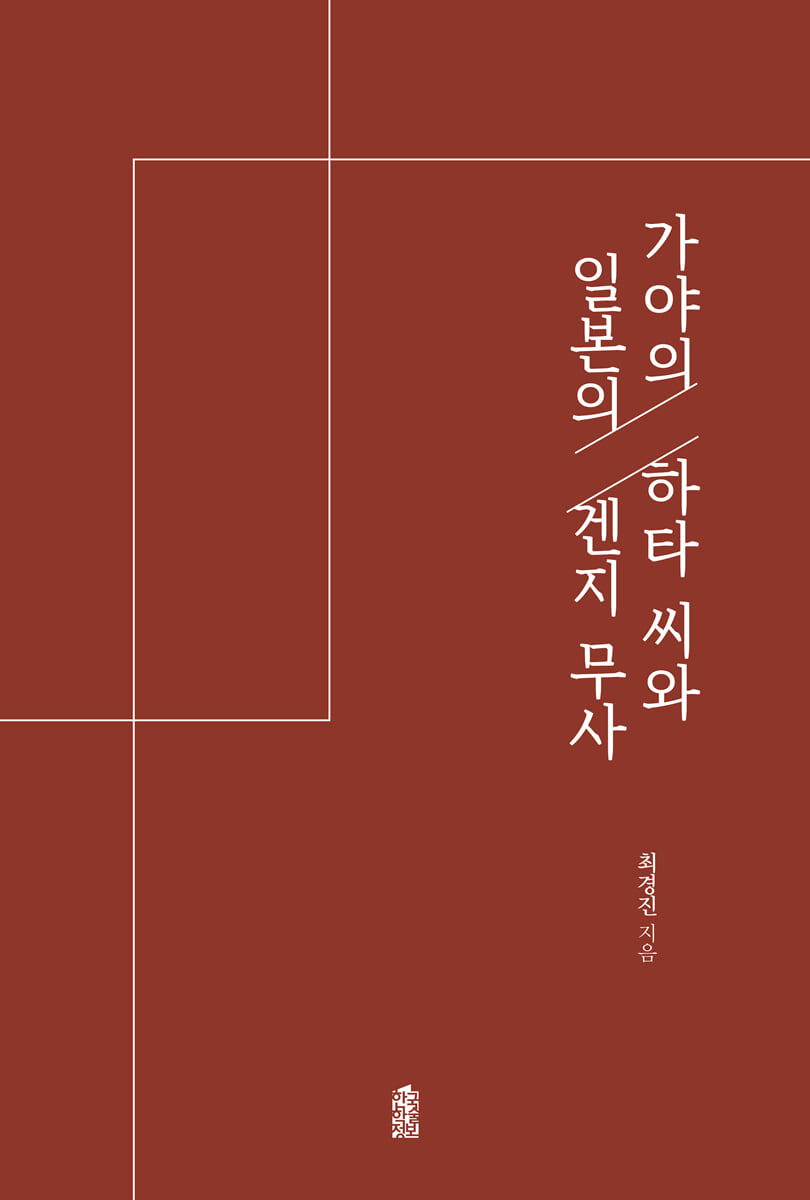
The Hata clan of Gaya and the Genji warriors of Japan
 |
Description
Book Introduction
This book has two purposes: first, to inform the public about the historical role and significance of the immigrants who crossed over from the Korean Peninsula to Japan, and to correct misunderstandings about them. Second, to examine the background and reasons why the warriors of the Genji clan (pronounced "Genji" when translated literally, "Minamoto" when translated literally), one of the greatest clans in Japanese history, performed coming-of-age ceremonies before the gods associated with the Korean immigrants.
index
As we begin
1.
About the Japanese Chronicles
- 『Nihon Shoki』, Japan's oldest historical book
- Why are there no historical books in Japan prior to the Nihon Shoki?
- King Taejong Muyeol of Silla Kim Chun-chu and Emperor Tenchi
2.
Ancient sea routes between Korea and Japan
- Route between Geojedo Island (Busan) and Kyushu
- Busan-Osaka route
- Uljin, Pohang-Tsuruga route
- West South Coast → Jeju Island → Ariake Bay (Ariake Bay, northwestern Kyushu) route
3.
The Hata clan (秦氏) of Gaya who crossed over to Japan
- Korean immigrants from the Shimonoseki region
- Mr. Buzen Hata from Northern Kyushu
- The god of the Kawara mine is a god from Gaya.
- The inhabitants of the Jin Kingdom are the Buzen Hata clan, immigrants from Gaya.
- The Hata clan who founded Karashima Village (辛島?) on the plains
- The birth of Yawata Shin (the Eight Banner Gods)
- The transformation of Yawata God
- Yawata God, who developed into a national god
- Mr. Hata (Ginae?)
- Mr. Ginae (畿?) Hata, who overcame the ordeal
- Mr. Ginae Hata, who developed Japan's ancient ironmaking
4.
Mr. Hata's growth and prosperity
- Mr. Hata, who has gained immense economic power
- The population of the ancient Hata clan exceeded 170,000.
- Japan's historical assessment of Mr. Hata is not so good.
- Controversy over Mr. Hata's hometown within the Korean Peninsula
5.
Kamo Myojin and the people of Yangsan, Gyeongnam
- A people from Yangsan who went to Katsuragi, Nara Prefecture, Japan 1,800 years ago
- Can we trust the record that the people of Yangsan went to the distant Katsuragi Kose?
- The people of Yangsan in ancient times
- Mr. Kamo's hometown
- The escape of the Kamo and Hata clans to Kyoto
- History of the Kamo clan
- Mr. Kamo and Mr. Hata are father-in-law and son-in-law.
-Kyoto's most famous Kamo Festival is a joint festival of the Kamo and Hata clans.
6.
Silla's famous ministers and the immigrants from the east coast of the Korean Peninsula
- Shiga Prefecture, the kingdom of Korean immigrants
- The Imjin War, the largest war in ancient Japan, took place in Shiga Prefecture.
- Where did Silla Myeongsin come from?
- What kind of god is Silla Myeongsin?
- A famous Shinra minister from Imajo, Nanjo-gun, Fukui Prefecture
- A famous Shinra minister from Okuizumo-cho, Nitta-gun, Shimane Prefecture
- Shilla famous god of Himeji City, Hyogo Prefecture
- Shilla famous deity of Otsu Wonseong Temple
- Silla Myeongsin was the iron god worshipped by miners.
7.
The Genji warrior family that opened the door to 700 years of samurai rule
- The birth of the shogunate
- Minamoto no Yoshiie, the ancestor of the Genji warrior family's revival
- The three-generation struggle between the Genji and Heike - the final winner is the Genji
- A brave and loyal warrior of the Genji clan from the East
- The premature fall of the Genji clan
- The revival of the Genji warrior clan and the Muromachi shogunate
- The fall of the Muromachi shogunate
- The Warring States period, a period of 120 years of war
- The Genji surname that even Tokugawa Ieyasu envied
- The relationship between the Shimazu clan, which ruled Satsuma Province for 700 years, and the Genji clan
- The greatest contributor to the success of the Meiji Restoration was the Shimazu clan of the Satsuma clan.
8.
The Coming-of-Age Ceremony of the Genji Warriors and the Gods of the Korean Peninsula
- The coming-of-age ceremony of the three Minamoto Yoshiie brothers
- The god of Yoshiie, the god of Yawata
- Yoshitsuna's god, Kamo Myojin
- Yoshimitsu's god, the famous god of Silla
- Theory on the Shinto Coming-of-Age Ceremony of the Genji Warrior Clan
- Criticism of the Shinto Coming-of-Age Ceremony
- The ages of father and son are reversed.
- The connection between the Seiwa Genji warrior group and the Hata clan, an immigrant from the Korean Peninsula.
In closing
References
Genji Warrior Family Tree
Japanese prefecture
Main characters
Comparison table of new and old place names
1.
About the Japanese Chronicles
- 『Nihon Shoki』, Japan's oldest historical book
- Why are there no historical books in Japan prior to the Nihon Shoki?
- King Taejong Muyeol of Silla Kim Chun-chu and Emperor Tenchi
2.
Ancient sea routes between Korea and Japan
- Route between Geojedo Island (Busan) and Kyushu
- Busan-Osaka route
- Uljin, Pohang-Tsuruga route
- West South Coast → Jeju Island → Ariake Bay (Ariake Bay, northwestern Kyushu) route
3.
The Hata clan (秦氏) of Gaya who crossed over to Japan
- Korean immigrants from the Shimonoseki region
- Mr. Buzen Hata from Northern Kyushu
- The god of the Kawara mine is a god from Gaya.
- The inhabitants of the Jin Kingdom are the Buzen Hata clan, immigrants from Gaya.
- The Hata clan who founded Karashima Village (辛島?) on the plains
- The birth of Yawata Shin (the Eight Banner Gods)
- The transformation of Yawata God
- Yawata God, who developed into a national god
- Mr. Hata (Ginae?)
- Mr. Ginae (畿?) Hata, who overcame the ordeal
- Mr. Ginae Hata, who developed Japan's ancient ironmaking
4.
Mr. Hata's growth and prosperity
- Mr. Hata, who has gained immense economic power
- The population of the ancient Hata clan exceeded 170,000.
- Japan's historical assessment of Mr. Hata is not so good.
- Controversy over Mr. Hata's hometown within the Korean Peninsula
5.
Kamo Myojin and the people of Yangsan, Gyeongnam
- A people from Yangsan who went to Katsuragi, Nara Prefecture, Japan 1,800 years ago
- Can we trust the record that the people of Yangsan went to the distant Katsuragi Kose?
- The people of Yangsan in ancient times
- Mr. Kamo's hometown
- The escape of the Kamo and Hata clans to Kyoto
- History of the Kamo clan
- Mr. Kamo and Mr. Hata are father-in-law and son-in-law.
-Kyoto's most famous Kamo Festival is a joint festival of the Kamo and Hata clans.
6.
Silla's famous ministers and the immigrants from the east coast of the Korean Peninsula
- Shiga Prefecture, the kingdom of Korean immigrants
- The Imjin War, the largest war in ancient Japan, took place in Shiga Prefecture.
- Where did Silla Myeongsin come from?
- What kind of god is Silla Myeongsin?
- A famous Shinra minister from Imajo, Nanjo-gun, Fukui Prefecture
- A famous Shinra minister from Okuizumo-cho, Nitta-gun, Shimane Prefecture
- Shilla famous god of Himeji City, Hyogo Prefecture
- Shilla famous deity of Otsu Wonseong Temple
- Silla Myeongsin was the iron god worshipped by miners.
7.
The Genji warrior family that opened the door to 700 years of samurai rule
- The birth of the shogunate
- Minamoto no Yoshiie, the ancestor of the Genji warrior family's revival
- The three-generation struggle between the Genji and Heike - the final winner is the Genji
- A brave and loyal warrior of the Genji clan from the East
- The premature fall of the Genji clan
- The revival of the Genji warrior clan and the Muromachi shogunate
- The fall of the Muromachi shogunate
- The Warring States period, a period of 120 years of war
- The Genji surname that even Tokugawa Ieyasu envied
- The relationship between the Shimazu clan, which ruled Satsuma Province for 700 years, and the Genji clan
- The greatest contributor to the success of the Meiji Restoration was the Shimazu clan of the Satsuma clan.
8.
The Coming-of-Age Ceremony of the Genji Warriors and the Gods of the Korean Peninsula
- The coming-of-age ceremony of the three Minamoto Yoshiie brothers
- The god of Yoshiie, the god of Yawata
- Yoshitsuna's god, Kamo Myojin
- Yoshimitsu's god, the famous god of Silla
- Theory on the Shinto Coming-of-Age Ceremony of the Genji Warrior Clan
- Criticism of the Shinto Coming-of-Age Ceremony
- The ages of father and son are reversed.
- The connection between the Seiwa Genji warrior group and the Hata clan, an immigrant from the Korean Peninsula.
In closing
References
Genji Warrior Family Tree
Japanese prefecture
Main characters
Comparison table of new and old place names
GOODS SPECIFICS
- Date of issue: June 28, 2024
- Page count, weight, size: 262 pages | 152*225*16mm
- ISBN13: 9791172174255
You may also like
카테고리
korean


korean

![ELLE 엘르 스페셜 에디션 A형 : 12월 [2025]](http://librairie.coreenne.fr/cdn/shop/files/b8e27a3de6c9538896439686c6b0e8fb.jpg?v=1766436872&width=3840)


