

Physical Education Teaching Theory
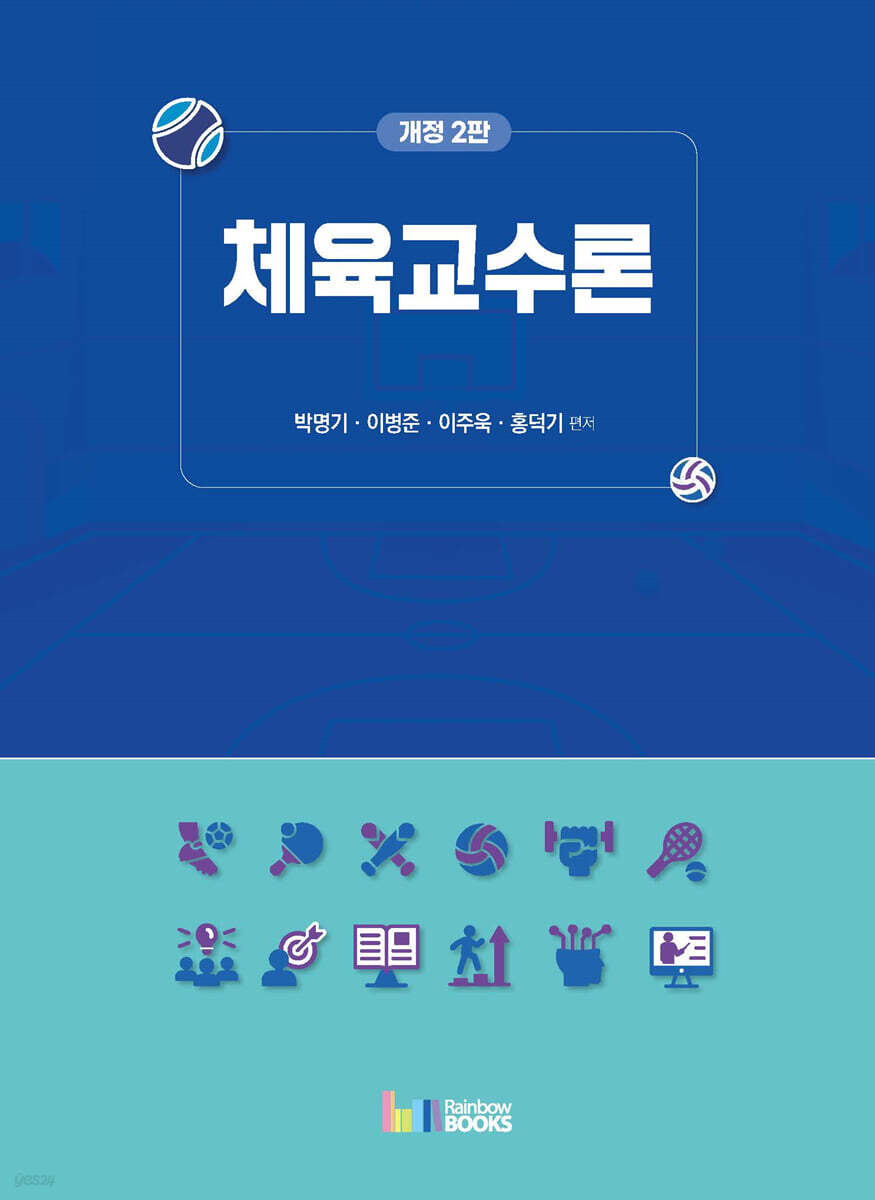 |
Description
Book Introduction
First, the content was supplemented with a new structure reflecting the trends in the field of physical education teaching theory.
Second, we have put a lot of effort into improving the errors, typos, spacing, and edits that readers have pointed out, as well as those that have reduced readability.
Second, we have put a lot of effort into improving the errors, typos, spacing, and edits that readers have pointed out, as well as those that have reduced readability.
- You can preview some of the book's contents.
Preview
index
∥Part 01∥ Physical Education Teaching Theory ························································· 1
[Chapter 1] Efficient Teaching and the Ecology of Physical Education Classes ························· 3
[Chapter 2] Preventive Class Operations and Learner Management Strategies ············· 10
[Chapter 3] Circumstances of Teaching Results, Scholarships, and Observations ························ 19
∥Part 02∥ Learner-Centered Physical Education Teaching Theory ········································ 45
[Chapter 1] Understanding Physical Education ································································ 47
[Chapter 2] Factors Affecting Motor Learning ········································· 53
[Chapter 3] Designing the Task ································································· 61
[Chapter 4] Assignment ··········································································· 67
[Chapter 5] Task Analysis and Task Development ································································· 72
[Chapter 6] Professors during class activities ········································································· 79
[Chapter 7] Teaching Strategies ······················································································· 84
[Chapter 8] Lesson Plan ··················································································· 91
[Chapter 9] Circumstances of the Teaching-Learning Process ················································· 99
∥Part 03∥ Physical Education Teaching Style ·························································· 113
[Chapter 1] Overview of Teaching Styles ································································ 115
[Chapter 2] Types of Teaching Styles ································································ 132
1.
Directive Style (A) ····························································· 132
2.
Practice Style (B) ············································································· 136
3.
Interactive learning style (C) ······································································ 141
4.
Self-inspection style (D) ······································································ 147
5.
Inclusive Style (E) ································································· 153
6.
Inductive Discovery Style (F) ·························································· 161
7.
Convergent discovery style (G) ······································································ 168
8.
Diffusion Discovery Style (H) ························································· 173
9.
Self-designed style (I) ························································ 182
10.
Self-directed style (J) ·························································· 187
11.
Self-learning style (K) ··································································· 191
∥Part 04∥ Overview of Model-Centered Physical Education Classes ············································· 193
[Chapter 1] Structure of a Physical Education Class Model ································································· 195
[Chapter 2] Teacher Knowledge Required for Model-Based Physical Education Classes ············ 204
[Chapter 3] Model-Centered Physical Education Class Strategy ······················································ 219
[Chapter 4] Effective Teaching Skills Required for Model-Centered Instruction ······················· 227
[Chapter 5] Planning Effective Physical Education Lessons ········································· 235
[Chapter 6] Student Assessment in Model-Centered Instruction ··················· 240
∥Part 05∥ Physical Education Class Model ························································ 251
[Chapter 1] Direct Instruction Model ·········································································· 253
[Chapter 2] Individualized Guidance Model ········································································· 272
[Chapter 3] Peer Faculty Model ·········································································· 288
[Chapter 4] Cooperative Learning Model ············································································· 303
[Chapter 5] Sports Education Model ········································································· 327
[Chapter 6] Inquiry Class Model ····························································· 346
[Chapter 7] Tactical Game Model ································································ 363
[Chapter 8] Personal and Social Responsibility Model ········································· 380
Search ······························································································· 399
[Chapter 1] Efficient Teaching and the Ecology of Physical Education Classes ························· 3
[Chapter 2] Preventive Class Operations and Learner Management Strategies ············· 10
[Chapter 3] Circumstances of Teaching Results, Scholarships, and Observations ························ 19
∥Part 02∥ Learner-Centered Physical Education Teaching Theory ········································ 45
[Chapter 1] Understanding Physical Education ································································ 47
[Chapter 2] Factors Affecting Motor Learning ········································· 53
[Chapter 3] Designing the Task ································································· 61
[Chapter 4] Assignment ··········································································· 67
[Chapter 5] Task Analysis and Task Development ································································· 72
[Chapter 6] Professors during class activities ········································································· 79
[Chapter 7] Teaching Strategies ······················································································· 84
[Chapter 8] Lesson Plan ··················································································· 91
[Chapter 9] Circumstances of the Teaching-Learning Process ················································· 99
∥Part 03∥ Physical Education Teaching Style ·························································· 113
[Chapter 1] Overview of Teaching Styles ································································ 115
[Chapter 2] Types of Teaching Styles ································································ 132
1.
Directive Style (A) ····························································· 132
2.
Practice Style (B) ············································································· 136
3.
Interactive learning style (C) ······································································ 141
4.
Self-inspection style (D) ······································································ 147
5.
Inclusive Style (E) ································································· 153
6.
Inductive Discovery Style (F) ·························································· 161
7.
Convergent discovery style (G) ······································································ 168
8.
Diffusion Discovery Style (H) ························································· 173
9.
Self-designed style (I) ························································ 182
10.
Self-directed style (J) ·························································· 187
11.
Self-learning style (K) ··································································· 191
∥Part 04∥ Overview of Model-Centered Physical Education Classes ············································· 193
[Chapter 1] Structure of a Physical Education Class Model ································································· 195
[Chapter 2] Teacher Knowledge Required for Model-Based Physical Education Classes ············ 204
[Chapter 3] Model-Centered Physical Education Class Strategy ······················································ 219
[Chapter 4] Effective Teaching Skills Required for Model-Centered Instruction ······················· 227
[Chapter 5] Planning Effective Physical Education Lessons ········································· 235
[Chapter 6] Student Assessment in Model-Centered Instruction ··················· 240
∥Part 05∥ Physical Education Class Model ························································ 251
[Chapter 1] Direct Instruction Model ·········································································· 253
[Chapter 2] Individualized Guidance Model ········································································· 272
[Chapter 3] Peer Faculty Model ·········································································· 288
[Chapter 4] Cooperative Learning Model ············································································· 303
[Chapter 5] Sports Education Model ········································································· 327
[Chapter 6] Inquiry Class Model ····························································· 346
[Chapter 7] Tactical Game Model ································································ 363
[Chapter 8] Personal and Social Responsibility Model ········································· 380
Search ······························································································· 399
Publisher's Review
I would like to share some thoughts as I revise 『Physical Education Teaching Theory』 for the second time.
The primary reason for this comprehensive revision is the editor's academic passion to reflect the developments and changes in the field of physical education teaching and to enhance the book's completeness.
This book, which comprehensively summarizes existing books in the field of physical education teaching, has received a great response from lecturers and students preparing for the teacher certification exam since its publication.
However, on the other hand, there were also many sober criticisms that the book had shortcomings in content composition and editing, and that it dealt with overly outdated theories.
In this comprehensive revision, Professors Lee Ju-wook and Hong Deok-gi, who have a deep understanding of the latest theories and practices in the field of physical education teaching, participated as authors, and attempted to make significant changes in two aspects.
First, the content was supplemented with a new structure reflecting the trends in the field of physical education teaching theory.
The revised edition boldly removed Part 2, “Inquiry-Based Physical Education Teaching Methods,” and included Judith E., recognized as the most authoritative textbook in the field of physical education teaching theory.
Rink's “Teaching Physical Education for Learning” was replaced with “Learner-Centered Physical Education Teaching Theory” which is a translation.
In addition, the contents of Part 1, Physical Education Teaching Theory, were reconstructed based on the latest theories.
Second, we have put a lot of effort into improving the errors, typos, spacing, and edits that readers have pointed out, as well as those that have reduced readability.
Thanks to the efforts of many scholars at home and abroad to improve physical education teaching methods, diverse and in-depth physical education teaching and learning theories have developed.
These achievements broadened the understanding of physical education among physical education students and physical education teachers and enabled practical improvements in physical education classes in schools.
However, sometimes, the mixture of various theories with different perspectives has caused confusion for those who study or practice physical education teaching and learning.
This book was planned with the intention of correcting this “confusion” situation as much as possible and systematically organizing the core topics of the major physical education teaching theory books currently used in Korea.
The intended purpose or utility of this book can be presented more specifically as follows:
First, it can be usefully used as a textbook for courses on physical education teaching theory, physical education guidance methods, and physical education curriculum education at universities.
This is because this book comprehensively and systematically presents core topics such as effective physical education teaching methods, learner-centered physical education teaching theory, physical education scholarship, teaching styles, and teaching models that have been established in the field of physical education teaching and learning.
Second, I am confident that this book will be of great help to students preparing for the physical education teacher certification exam.
One of the difficulties faced by students preparing for the teacher certification exam is that in the field of physical education education, the currently published theoretical books cover a vast amount of material, and sometimes the content elements are inconsistent between the theoretical books, the terminology used for the same concepts is different, and often the content is difficult to understand due to unfamiliar and incorrect translations.
This makes it very difficult for students to grasp the overall structure and context of physical education teaching theory and to understand its key elements.
This book, focusing on these points, summarizes and organizes the contents of several books on physical education teaching and learning theory according to a logical structure, and corrects awkward or incorrect translations as much as possible, enabling perfect preparation for the teacher certification exam with just one book.
Third, the authors have tried to supplement and organize the concepts that are used in conflicting or confusing ways in the field of physical education teaching through this book.
In our country, physical education education itself can be said to be a relatively new discipline.
Therefore, since most of the theories related to physical education teaching and learning currently in use were researched and verified in advanced Western countries, there are many cases in which unified terminology is not used or meanings are misconstrued during the translation process.
To address these issues, this book has indicated parallel usage of the same concept under different terms in parentheses, and has done its best to revise translations to ensure a clear understanding of any awkward or incorrect translations.
Finally, there is something I would like to make clear here.
Despite the editors' own academic ambitions and modest efforts, this book was published thanks to the efforts of several scholars who pioneered the field of physical education teaching and learning through the publication of related theoretical books.
We cannot deny that we are entirely indebted to the pioneering efforts of foreign scholars such as Siedentop, Rink, Mosston, and Metzler, as well as professors such as Kang Shin-bok, Son Cheon-taek, Ryu Tae-ho, Jo Mi-hye, and Yu Jeong-ae, who introduced the most valuable theories of physical education teaching to Korea.
I sincerely thank these people for their hard work.
This revised version may also continue to contain errors or shortcomings that deviate from its original intent.
But this is solely the responsibility of the editors.
We will gladly accept the sharp criticisms of our readers and continue to provide opportunities for revision and improvement in the future.
I would also like to express my gratitude to my family, who patiently encouraged us while we were busy organizing our materials and seemed indifferent for a while; to Mr. Min Seon-hong, CEO of Rainbow Books, who gave us permission to publish; and to the publishing staff who worked hard on the editing.
The primary reason for this comprehensive revision is the editor's academic passion to reflect the developments and changes in the field of physical education teaching and to enhance the book's completeness.
This book, which comprehensively summarizes existing books in the field of physical education teaching, has received a great response from lecturers and students preparing for the teacher certification exam since its publication.
However, on the other hand, there were also many sober criticisms that the book had shortcomings in content composition and editing, and that it dealt with overly outdated theories.
In this comprehensive revision, Professors Lee Ju-wook and Hong Deok-gi, who have a deep understanding of the latest theories and practices in the field of physical education teaching, participated as authors, and attempted to make significant changes in two aspects.
First, the content was supplemented with a new structure reflecting the trends in the field of physical education teaching theory.
The revised edition boldly removed Part 2, “Inquiry-Based Physical Education Teaching Methods,” and included Judith E., recognized as the most authoritative textbook in the field of physical education teaching theory.
Rink's “Teaching Physical Education for Learning” was replaced with “Learner-Centered Physical Education Teaching Theory” which is a translation.
In addition, the contents of Part 1, Physical Education Teaching Theory, were reconstructed based on the latest theories.
Second, we have put a lot of effort into improving the errors, typos, spacing, and edits that readers have pointed out, as well as those that have reduced readability.
Thanks to the efforts of many scholars at home and abroad to improve physical education teaching methods, diverse and in-depth physical education teaching and learning theories have developed.
These achievements broadened the understanding of physical education among physical education students and physical education teachers and enabled practical improvements in physical education classes in schools.
However, sometimes, the mixture of various theories with different perspectives has caused confusion for those who study or practice physical education teaching and learning.
This book was planned with the intention of correcting this “confusion” situation as much as possible and systematically organizing the core topics of the major physical education teaching theory books currently used in Korea.
The intended purpose or utility of this book can be presented more specifically as follows:
First, it can be usefully used as a textbook for courses on physical education teaching theory, physical education guidance methods, and physical education curriculum education at universities.
This is because this book comprehensively and systematically presents core topics such as effective physical education teaching methods, learner-centered physical education teaching theory, physical education scholarship, teaching styles, and teaching models that have been established in the field of physical education teaching and learning.
Second, I am confident that this book will be of great help to students preparing for the physical education teacher certification exam.
One of the difficulties faced by students preparing for the teacher certification exam is that in the field of physical education education, the currently published theoretical books cover a vast amount of material, and sometimes the content elements are inconsistent between the theoretical books, the terminology used for the same concepts is different, and often the content is difficult to understand due to unfamiliar and incorrect translations.
This makes it very difficult for students to grasp the overall structure and context of physical education teaching theory and to understand its key elements.
This book, focusing on these points, summarizes and organizes the contents of several books on physical education teaching and learning theory according to a logical structure, and corrects awkward or incorrect translations as much as possible, enabling perfect preparation for the teacher certification exam with just one book.
Third, the authors have tried to supplement and organize the concepts that are used in conflicting or confusing ways in the field of physical education teaching through this book.
In our country, physical education education itself can be said to be a relatively new discipline.
Therefore, since most of the theories related to physical education teaching and learning currently in use were researched and verified in advanced Western countries, there are many cases in which unified terminology is not used or meanings are misconstrued during the translation process.
To address these issues, this book has indicated parallel usage of the same concept under different terms in parentheses, and has done its best to revise translations to ensure a clear understanding of any awkward or incorrect translations.
Finally, there is something I would like to make clear here.
Despite the editors' own academic ambitions and modest efforts, this book was published thanks to the efforts of several scholars who pioneered the field of physical education teaching and learning through the publication of related theoretical books.
We cannot deny that we are entirely indebted to the pioneering efforts of foreign scholars such as Siedentop, Rink, Mosston, and Metzler, as well as professors such as Kang Shin-bok, Son Cheon-taek, Ryu Tae-ho, Jo Mi-hye, and Yu Jeong-ae, who introduced the most valuable theories of physical education teaching to Korea.
I sincerely thank these people for their hard work.
This revised version may also continue to contain errors or shortcomings that deviate from its original intent.
But this is solely the responsibility of the editors.
We will gladly accept the sharp criticisms of our readers and continue to provide opportunities for revision and improvement in the future.
I would also like to express my gratitude to my family, who patiently encouraged us while we were busy organizing our materials and seemed indifferent for a while; to Mr. Min Seon-hong, CEO of Rainbow Books, who gave us permission to publish; and to the publishing staff who worked hard on the editing.
GOODS SPECIFICS
- Date of issue: March 4, 2025
- Page count, weight, size: 416 pages | 190*260*30mm
- ISBN13: 9788962065657
- ISBN10: 8962065657
You may also like
카테고리
korean


korean

![GQ KOREA Mark (Monthly): December [2025]](http://librairie.coreenne.fr/cdn/shop/files/8ef265dbbfbf186523ed75ba7319009d.jpg?v=1765340328&width=3840)


