

Ametora
 |
Description
Book Introduction
The second edition of "Ametora: How Japan Saved American Style," which illuminates the fashion history of modern Japan, which went beyond being an enthusiastic imitator of American Ivy League fashion to a leader in American and global fashion, has been published.
In the second edition of 『Ametora』, author W.
David Marks (W.
David Marx) not only slightly revises the main text of the book based on the results of his research, but also writes a newly written “Afterword” to examine the growing influence of Ametora in the Japanese and global fashion world over the seven years since the first edition of Ametora was published.
In the second edition of 『Ametora』, author W.
David Marks (W.
David Marx) not only slightly revises the main text of the book based on the results of his research, but also writes a newly written “Afterword” to examine the growing influence of Ametora in the Japanese and global fashion world over the seven years since the first edition of Ametora was published.
index
preface
A country without style
Ivy becomes a cult
Ivy for everyone
Jeans Revolution
American catalog
Damn Yankees
nouveau riche
From Harajuku to everywhere
Vintage and replica
Export Ametora
Reviews
Acknowledgements
References
Translator's Note
Search
A country without style
Ivy becomes a cult
Ivy for everyone
Jeans Revolution
American catalog
Damn Yankees
nouveau riche
From Harajuku to everywhere
Vintage and replica
Export Ametora
Reviews
Acknowledgements
References
Translator's Note
Search
Into the book
“Over the past 20 years, Korea has become a cool place, creating strong, cutting-edge trends.
This book presents an alternative strategy with the same goal: to absorb Western traditions and, through them, create valuable reproductions and adaptations.
The strategies presented in this book can serve as a companion on Korea's path forward in fashion today.
Of course, that path may be quite 'conservative' for some, but there is much to be learned by imitating and editing the past for the future, and finding ways to recover what was 'lost.'
But let's remember that Japan's success wasn't due to any specific Japanese culture or technology.
“All possibilities are open to today’s (young) Koreans.”
--- p.10, from “To Korean Readers”
“The most profitable niche was somewhere else.
It was a luxury sports coat for the wealthy elite who had accumulated a lot of cash during the Korean War.
Ishizu, like the clothing industry as a whole, benefited from the ripple effects of economic growth as nouveau riche celebrated their success with new clothes.
The Hankyu Department Store in Osaka gave Ishizu a corner, and Ishizu began serving wealthy families from the suburbs as regular customers.
As the business grew, he needed a brand name that people would remember, so Ishizu changed the brand name to 'VAN Jacket'.
“The name ‘VAN Jacket’ was taken from the title of a comic magazine that came out after the war.”
--- p.42
“Now we needed a project name.
Kuros suggested 'Take Ivy'.
The title was a play on the famous song "Take Five" by the jazz band Dave Brubeck Quartet.
In Japanese, “Ivy” and “Five” sound slightly similar, but Hasegawa, who speaks English well, objected, saying that Americans would find the title “Take Ivy” nonsensical.
--- p.112
“In the history of Japanese fashion, Ivy represents a crucial moment in the 1960s when men began to dress up, but more importantly, it set the tone for how American styles would be imported, consumed, and transformed over the next 50 years.
After Ivy, Japan had the infrastructure to create and spread the latest American style.
This applies not only to the clean-cut clothes of New England youth, but also to more countercultural, rough-hewn clothes.”
--- p.134
In her “Editor’s Note,” Ginemarie wrote that Japan was “in a state of adrift” and that she wanted to introduce a more health-conscious lifestyle to young people, suggesting sports as a spiritual pillar for Japan’s future.
'We believe that an active lifestyle is crucial not only for your health but also for the survival of modern people.
The idea that exercise is fun is a really great message from my American peers.
“We must devote every spare moment, no matter how small, to exercise.”
--- p.188
“The style was taken from America, but Japanese preppies put their own spin on it.
That is, things like miniature bow ties and knit hats with pom-poms.
But the biggest difference between the two countries lies in context.
Japanese teenagers wear preppy clothes on the streets of the city, not on idyllic campuses.
Every Sunday, Japanese preppies would gather in groups with friends, wearing matching blazers or coordinating plaid and pastel oxfords with their girlfriends, and gather in the shopping districts of major cities.”
--- p.251
As A Bashing Ape gains momentum in the Japanese entertainment industry, a moment of sober decision comes to Nigo.
Will he remain half-hidden in the shadows like his mentor Fujiwara, or will he move forward to achieve full mainstream success?
At twenty-eight, Nigo decided to remove all the artificial veils that covered his business.
He abandoned limited production and exclusive approaches, setting A Bashing Ape's goal to become the most influential and luxurious streetwear brand ever."
--- p.282
“The rapid growth of vintage stores and replica product lines in Japan in the late 1990s gave consumers access to virtually any piece of quintessential American clothing, new or used.
Osaka Five and the brands that followed, hoping to bring back the magical glory days of Levi's, emerged with premium jeans born from a deep admiration for American denim.
But during this same time, there were people in Japan who stopped imitating classic American styles and tried something new.
Denim was trying to become something more Japanese.”
--- p.319
“The menswear revival would not have happened without the role of Japanese brands, consumers, and the media.
But Japan's influence on fashion runs much deeper.
The way we think about clothes follows a postmodern Japanese perspective.
According to that perspective, anyone can mix and match clothing from any era, and authenticity is proven through reverence for ancient production methods rather than being created within the original community.
It was Japanese consumers who first understood clothing as a floating signifier, blurring the strict boundaries between 'heritage', 'luxury', 'sportswear' and 'streetwear'.
This new paradigm has enabled Japanese brands to lead the pace of the modern global apparel market, and the wealth of design experience gained within this framework will enable them to continue to maintain their edge.
Like Take Ivy, Japanese fashion is not a passing fad.
Ameto will continue in the future.”
--- p.373, from “Review”
“This book, AmeTora: How Japan Saved American Style, faithfully shows how far reproduction can go.
Cultures like K-pop show how far this hybrid approach can go.
Whether it is reproduction or mixing, both reflect the subjectivity of the person who brought it, and that creates a new look.
The blurring of the past can be seen as a disadvantage, but on the other hand, it can also be an advantage.
“In a world where you can buy Levi’s jeans or Five Brothers flannel shirts from the 1950s, recreating the past and using it in new ways creates a culture of style for the present.”
This book presents an alternative strategy with the same goal: to absorb Western traditions and, through them, create valuable reproductions and adaptations.
The strategies presented in this book can serve as a companion on Korea's path forward in fashion today.
Of course, that path may be quite 'conservative' for some, but there is much to be learned by imitating and editing the past for the future, and finding ways to recover what was 'lost.'
But let's remember that Japan's success wasn't due to any specific Japanese culture or technology.
“All possibilities are open to today’s (young) Koreans.”
--- p.10, from “To Korean Readers”
“The most profitable niche was somewhere else.
It was a luxury sports coat for the wealthy elite who had accumulated a lot of cash during the Korean War.
Ishizu, like the clothing industry as a whole, benefited from the ripple effects of economic growth as nouveau riche celebrated their success with new clothes.
The Hankyu Department Store in Osaka gave Ishizu a corner, and Ishizu began serving wealthy families from the suburbs as regular customers.
As the business grew, he needed a brand name that people would remember, so Ishizu changed the brand name to 'VAN Jacket'.
“The name ‘VAN Jacket’ was taken from the title of a comic magazine that came out after the war.”
--- p.42
“Now we needed a project name.
Kuros suggested 'Take Ivy'.
The title was a play on the famous song "Take Five" by the jazz band Dave Brubeck Quartet.
In Japanese, “Ivy” and “Five” sound slightly similar, but Hasegawa, who speaks English well, objected, saying that Americans would find the title “Take Ivy” nonsensical.
--- p.112
“In the history of Japanese fashion, Ivy represents a crucial moment in the 1960s when men began to dress up, but more importantly, it set the tone for how American styles would be imported, consumed, and transformed over the next 50 years.
After Ivy, Japan had the infrastructure to create and spread the latest American style.
This applies not only to the clean-cut clothes of New England youth, but also to more countercultural, rough-hewn clothes.”
--- p.134
In her “Editor’s Note,” Ginemarie wrote that Japan was “in a state of adrift” and that she wanted to introduce a more health-conscious lifestyle to young people, suggesting sports as a spiritual pillar for Japan’s future.
'We believe that an active lifestyle is crucial not only for your health but also for the survival of modern people.
The idea that exercise is fun is a really great message from my American peers.
“We must devote every spare moment, no matter how small, to exercise.”
--- p.188
“The style was taken from America, but Japanese preppies put their own spin on it.
That is, things like miniature bow ties and knit hats with pom-poms.
But the biggest difference between the two countries lies in context.
Japanese teenagers wear preppy clothes on the streets of the city, not on idyllic campuses.
Every Sunday, Japanese preppies would gather in groups with friends, wearing matching blazers or coordinating plaid and pastel oxfords with their girlfriends, and gather in the shopping districts of major cities.”
--- p.251
As A Bashing Ape gains momentum in the Japanese entertainment industry, a moment of sober decision comes to Nigo.
Will he remain half-hidden in the shadows like his mentor Fujiwara, or will he move forward to achieve full mainstream success?
At twenty-eight, Nigo decided to remove all the artificial veils that covered his business.
He abandoned limited production and exclusive approaches, setting A Bashing Ape's goal to become the most influential and luxurious streetwear brand ever."
--- p.282
“The rapid growth of vintage stores and replica product lines in Japan in the late 1990s gave consumers access to virtually any piece of quintessential American clothing, new or used.
Osaka Five and the brands that followed, hoping to bring back the magical glory days of Levi's, emerged with premium jeans born from a deep admiration for American denim.
But during this same time, there were people in Japan who stopped imitating classic American styles and tried something new.
Denim was trying to become something more Japanese.”
--- p.319
“The menswear revival would not have happened without the role of Japanese brands, consumers, and the media.
But Japan's influence on fashion runs much deeper.
The way we think about clothes follows a postmodern Japanese perspective.
According to that perspective, anyone can mix and match clothing from any era, and authenticity is proven through reverence for ancient production methods rather than being created within the original community.
It was Japanese consumers who first understood clothing as a floating signifier, blurring the strict boundaries between 'heritage', 'luxury', 'sportswear' and 'streetwear'.
This new paradigm has enabled Japanese brands to lead the pace of the modern global apparel market, and the wealth of design experience gained within this framework will enable them to continue to maintain their edge.
Like Take Ivy, Japanese fashion is not a passing fad.
Ameto will continue in the future.”
--- p.373, from “Review”
“This book, AmeTora: How Japan Saved American Style, faithfully shows how far reproduction can go.
Cultures like K-pop show how far this hybrid approach can go.
Whether it is reproduction or mixing, both reflect the subjectivity of the person who brought it, and that creates a new look.
The blurring of the past can be seen as a disadvantage, but on the other hand, it can also be an advantage.
“In a world where you can buy Levi’s jeans or Five Brothers flannel shirts from the 1950s, recreating the past and using it in new ways creates a culture of style for the present.”
--- p.393~394, from “Translator’s Note: The Joy of Fashion”
Publisher's Review
Ametora: A Japanese coined word meaning 'American style'
Summer 1964, Ginza, Tokyo, Japan.
Police responded to reports from merchants and arrested hundreds of young people.
The crime of these so-called 'Miyuki Tribe' was that they simply wandered around the streets wearing button-down Oxford shirts, skinny ties, suit jackets, and chinos, rather than gakuran (Japanese school uniforms).
From the perspective of the Japanese government, which was preparing for the Olympics, which should have been a global celebration, they appeared to be thugs who were disrupting society.
At the center of this phenomenon, which is difficult to understand now, was Kensuke Ishizu, who founded the American style brand 'VAN Jacket'.
Until its bankruptcy in 1978, the VAN jacket was a huge success in Japan, and countless other styles emerged thereafter, including surfer, hippie, rockabilly, greaser, Boso, and Tagenoko.
This laid the foundation for Japan to become another stronghold of the American style.
This book, "Ame-tora," begins with Kensuke Ishizu, who sparked the American style in Japan, and traces how American style was imported, edited, preserved, and even reverse-exported to Japan, thereby changing the American style itself.
The legendary Japanese fashion photo book 『Take Ivy』 spread the fashion of Ivy League students throughout Japan, and illustrator Yasuhiko Kobayashi, who happened to come across 『Whole Earth Catalog』, started the 'heavy duty' boom.
Today, Japanese brands like Uniqlo, Kamakura Shirts, Evisu, Capital, and Bape have become huge industries that drive fashion around the world, including in the United States.
Small brands that have been exploring American styles like Oxford button-down shirts, jeans, sweatshirts, penny loafers, and sneakers for decades now produce products that are better than those in the US.
Now that many experts readily agree that the best jeans are now made in Japan, America has no choice but to look to Japan to find what it's missing.
That's because his past is still there.
And in a more advanced form.
It's no surprise that 'American style' is now called 'Ame-tora'.
Cultural researcher W., who won the Noma-Reischauer Prize for his thesis on the Japanese street brand 'A Bathing Ape'
David Marks says his fascination with Japanese fashion stems from an experience in the late 1990s when he waited three hours on the street in Tokyo to buy a T-shirt.
The moment when countless people were competing to get a single T-shirt was quite shocking to him.
Perhaps that's why the chance encounter with an employee at VAN Jacket, the starting point for this book, wasn't just a coincidence.
He introduced the author to the figures at the center of the golden age of Japanese fashion, and the author used his strengths to build a timeline of Japanese fashion.
This book is also the result of a scholarly otaku with a solid theoretical foundation discovering a treasure chest that no one has ever opened.
The original source of 'fashion legends' scattered across blogs and community bulletin boards
Anyone who has been on a fashion-related blog or community bulletin board will know this.
How much more people are passionate about reading than about wearing fashion.
Fashion stories posted by self-proclaimed fashion experts always boast high views.
Fashion columnist Park Se-jin, who translated this book, says:
“This book makes you reflect on fundamental concerns.
What on earth is fashion? Why do people find joy and satisfaction in simply wearing certain clothes?
By looking into this process, we can think about where and what process the clothes we wear went through to get to where they are now, and the meaning of originality and reproduction.
“Pleasure doesn’t just roll in.” If the joy of fashion can be found in the act of reading, this book offers more than just the act of wearing it.
It also clearly serves as a guide to deciphering Japan's unique "editorship" in dealing with culture.
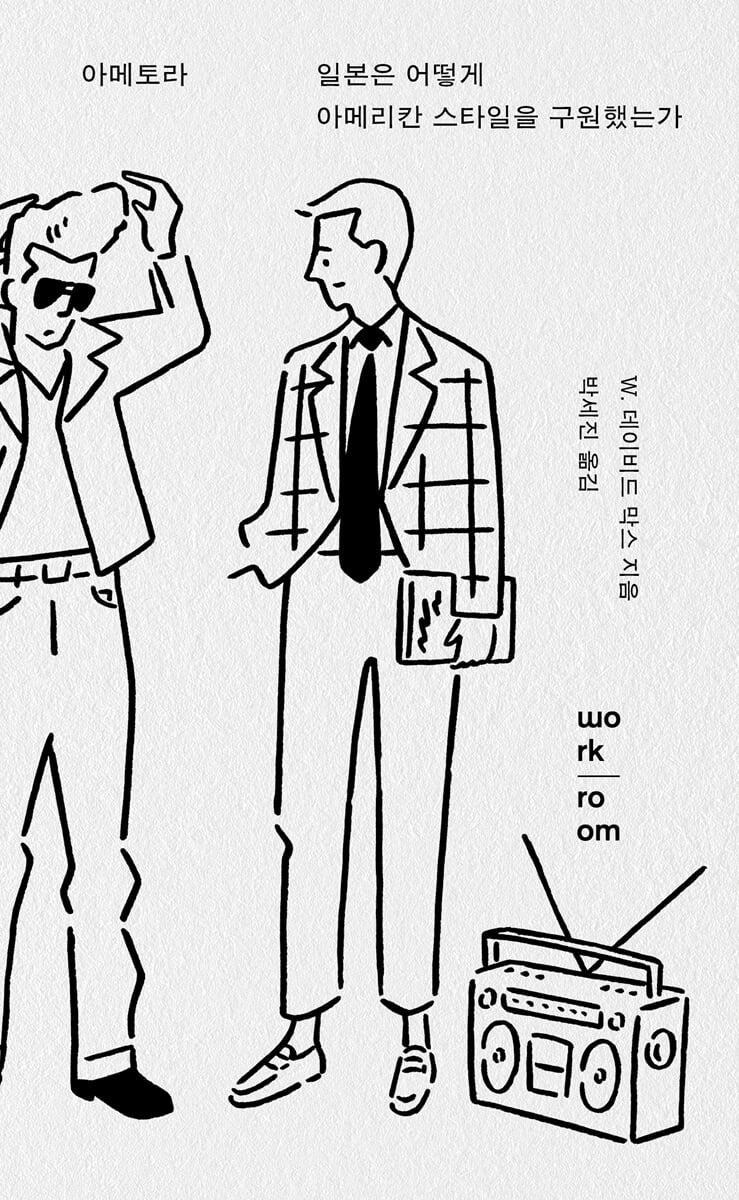
Meanwhile, the illustrations included in the Korean edition are the work of Yu Nagaba.
The collection of styles popular in Japan over time hints at the healthy, swirling fashion of today.
Summer 1964, Ginza, Tokyo, Japan.
Police responded to reports from merchants and arrested hundreds of young people.
The crime of these so-called 'Miyuki Tribe' was that they simply wandered around the streets wearing button-down Oxford shirts, skinny ties, suit jackets, and chinos, rather than gakuran (Japanese school uniforms).
From the perspective of the Japanese government, which was preparing for the Olympics, which should have been a global celebration, they appeared to be thugs who were disrupting society.
At the center of this phenomenon, which is difficult to understand now, was Kensuke Ishizu, who founded the American style brand 'VAN Jacket'.
Until its bankruptcy in 1978, the VAN jacket was a huge success in Japan, and countless other styles emerged thereafter, including surfer, hippie, rockabilly, greaser, Boso, and Tagenoko.
This laid the foundation for Japan to become another stronghold of the American style.
This book, "Ame-tora," begins with Kensuke Ishizu, who sparked the American style in Japan, and traces how American style was imported, edited, preserved, and even reverse-exported to Japan, thereby changing the American style itself.
The legendary Japanese fashion photo book 『Take Ivy』 spread the fashion of Ivy League students throughout Japan, and illustrator Yasuhiko Kobayashi, who happened to come across 『Whole Earth Catalog』, started the 'heavy duty' boom.
Today, Japanese brands like Uniqlo, Kamakura Shirts, Evisu, Capital, and Bape have become huge industries that drive fashion around the world, including in the United States.
Small brands that have been exploring American styles like Oxford button-down shirts, jeans, sweatshirts, penny loafers, and sneakers for decades now produce products that are better than those in the US.
Now that many experts readily agree that the best jeans are now made in Japan, America has no choice but to look to Japan to find what it's missing.
That's because his past is still there.
And in a more advanced form.
It's no surprise that 'American style' is now called 'Ame-tora'.
Cultural researcher W., who won the Noma-Reischauer Prize for his thesis on the Japanese street brand 'A Bathing Ape'
David Marks says his fascination with Japanese fashion stems from an experience in the late 1990s when he waited three hours on the street in Tokyo to buy a T-shirt.
The moment when countless people were competing to get a single T-shirt was quite shocking to him.
Perhaps that's why the chance encounter with an employee at VAN Jacket, the starting point for this book, wasn't just a coincidence.
He introduced the author to the figures at the center of the golden age of Japanese fashion, and the author used his strengths to build a timeline of Japanese fashion.
This book is also the result of a scholarly otaku with a solid theoretical foundation discovering a treasure chest that no one has ever opened.
The original source of 'fashion legends' scattered across blogs and community bulletin boards
Anyone who has been on a fashion-related blog or community bulletin board will know this.
How much more people are passionate about reading than about wearing fashion.
Fashion stories posted by self-proclaimed fashion experts always boast high views.
Fashion columnist Park Se-jin, who translated this book, says:
“This book makes you reflect on fundamental concerns.
What on earth is fashion? Why do people find joy and satisfaction in simply wearing certain clothes?
By looking into this process, we can think about where and what process the clothes we wear went through to get to where they are now, and the meaning of originality and reproduction.
“Pleasure doesn’t just roll in.” If the joy of fashion can be found in the act of reading, this book offers more than just the act of wearing it.
It also clearly serves as a guide to deciphering Japan's unique "editorship" in dealing with culture.
Meanwhile, the illustrations included in the Korean edition are the work of Yu Nagaba.
The collection of styles popular in Japan over time hints at the healthy, swirling fashion of today.
GOODS SPECIFICS
- Date of issue: April 1, 2024
- Page count, weight, size: 416 pages | 117*190*30mm
- ISBN13: 9791193480113
- ISBN10: 1193480116
You may also like
카테고리
korean


korean

![GQ KOREA Mark (Monthly): December [2025]](http://librairie.coreenne.fr/cdn/shop/files/8ef265dbbfbf186523ed75ba7319009d.jpg?v=1765340328&width=3840)


