

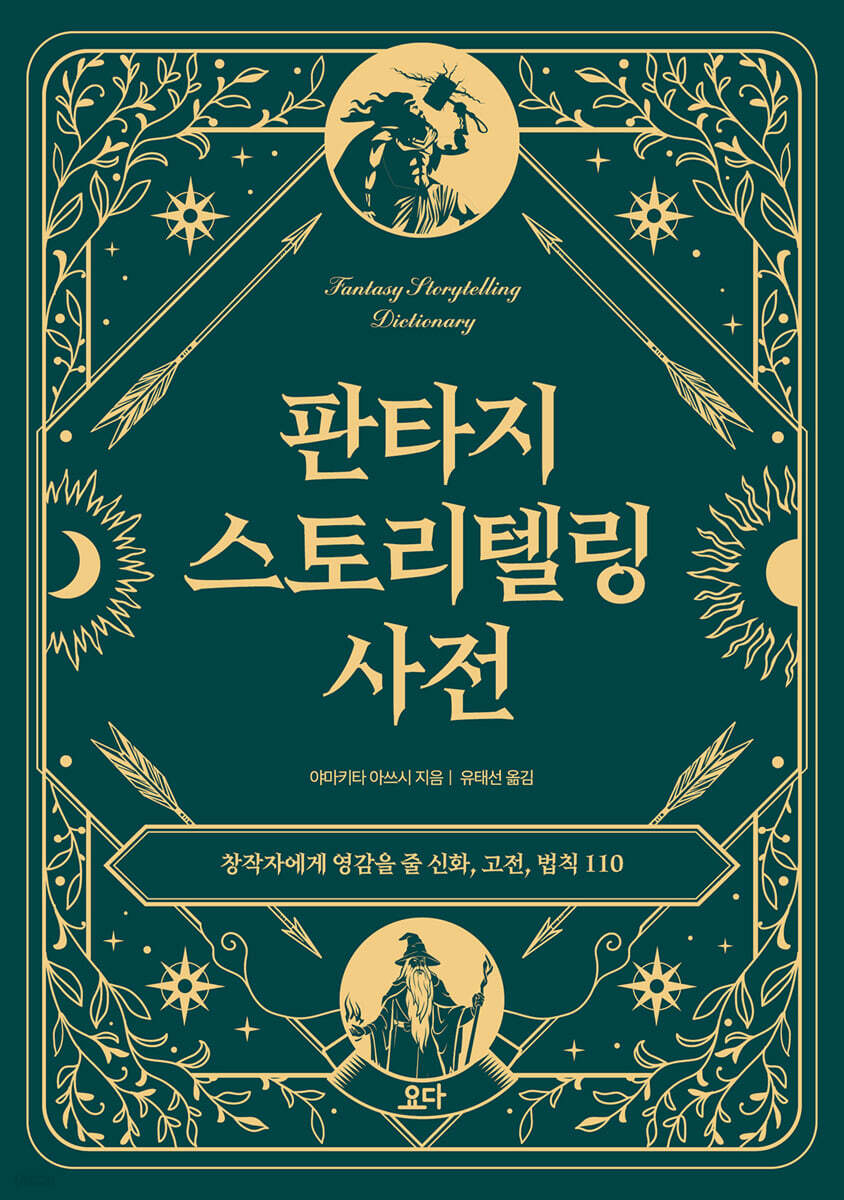
Fantasy Storytelling Dictionary
 |
Description
Book Introduction
A book that compiles the laws of classic masterpieces and mythology that can be used when creating fantasy stories.
It covers the main character's personality, main character's actions, supporting character settings, enemy character settings, story motifs, group names and member settings based on the number of people, etc.
Each chapter extracts elements that characterize classic masterpieces and myths, explains their meaning, and explains how they can be applied to other creative works.
It also introduces the plot and characteristics of each story and provides hints to those who wish to create by organizing the general methodology derived from it.
It covers the main character's personality, main character's actions, supporting character settings, enemy character settings, story motifs, group names and member settings based on the number of people, etc.
Each chapter extracts elements that characterize classic masterpieces and myths, explains their meaning, and explains how they can be applied to other creative works.
It also introduces the plot and characteristics of each story and provides hints to those who wish to create by organizing the general methodology derived from it.
- You can preview some of the book's contents.
Preview
index
Introduction
Overview of this book
Chapter 1: Character Profile of the Main Character
001 The Twelve Labours of Hercules│002 The Adventures of Alice│003 King Arthur and Uther│004 Don Quixote│005 Odin's Training│006 The Wandering Jew│007 Apollo and Artemis│008 Johnny Appleseed│009 The Bravery of Thor│010 Bradamante and Ruggiero│011 Joan of Arc and the Active Beautiful Girl│012 Hornblower and the Sea Adventure Novel│013 Scheherazade's Deeds│014 The Love of Cyrano de Bergerac│015 Jekyll and Hyde│016 Iron-Wielding Goetz
Chapter 2 The protagonist's actions
017 Andromeda's Love and Crisis│018 Tristan and Isolde│019 The Wandering Dutchman│020 Romeo and Juliet│021 Theseus and Ariadne's Thread│022 Solomon and the Queen of Sheba│023 Hamlet's Choice│024 King Hammurabi and the Code of Justice│025 Edmond Dantes' Choice│026 Sherlock Holmes│027 The Red Baron│028 Conan of the Cimmerians│029 The Identity of Zorro│030 Uranus → Cronus → Zeus│031 Percival and the Search for the Holy Grail│032 Tarzan's Solitude│033 Jean Valjean's Repentance│034 Daedalus and the Invention│035 Prometheus' Liver│036 Wyatt Earp│037 Cú Chulainn│038 Beowulf's Death│039 The Promise of the Chrysanthemum│040 Argo Expedition
Chapter 3: The Supporting Role: A Gathering of Weird People
041 King Charles XIV of Sweden│042 The Knights of Charlemagne│043 The Transformation and Essence of Alexander the Great│044 Prester John and the Ideal State│045 The Conversion of St. Paul│046 Sir Galahad and the Dangerous Position│047 The Knights of Dietrich von Berne│048 Boudicca's War│049 Sir Gawain and His Brothers│050 The Invincible Louis Nicolas Davout│051 Lancelot and Guinevere│052 Väinämöinen│053 The Ten Commandments of Moses│054 Finn mac Kull and the Three Wives│055 Robin Hood and His Companions│056 Dante and Beatrice│057 Troy and Helen│058 Carmen's Freedom│059 Cleopatra's Diplomacy│060 Cassandra's Prophecy│061 The Virgin Mary and Mary Magdalene│062 The Legend of Rosenkreuz
Chapter 4: Attractive Enemies
063 Loki's Betrayal│064 David and King Saul│065 Dracula's Arrogance│066 Al Capone's Business│067 Gilles de Rais's Corruption│068 Pizarro's Conquest│069 Davy Crockett and Kintaro│070 Don Juan│071 Rasputin's Power│072 The Greatest Magician of the 20th Century│073 Lupin's Methods│074 Captain Ahab's Madness│075 Edward Teach's Piracy Business│076 Narcissus's Disease│077 The Villainess Angelica│078 Elizabeth Bathory and the Bloodbath│079 Kriemhild's Revenge│080 Samson and Delilah│081 Salome of the Bible│082 Salome and the Neck of John│083 Adam and Lilith
Chapter 5: Motives of the Story
084 Ali Baba and the Forty Thieves│085 The Trojan War│086 Judas Iscariot│087 The Thirst of Tantalus│088 The Legend of Faust│089 Cain and Abel│090 Captain Kidd's Treasure│091 King Lear and His Daughters│092 The Dwarf's Ring│093 The Braggart Baron│094 Leminkainen's Oath│095 Wilhelm Tell and the Two Bows│096 The Solitude of Frankenstein's Monster│097 The Wanderings of Odysseus│098 The Voyage of Sinbad│099 Pandora's Box│100 Julian the Apostate
Chapter 6 Group Name
101 Twin Walls and Yin-Yang│102 Three Musketeers and Three Sages│103 Four Heavenly Kings│104 Five Elements and Stigmata│105 Six Heavenly Kings│106 Seven Sisters and Seven Sages of Greece│107 Eight Wisdom Bearers and Eight Trigrams│108 Nine Great Seals and Nine Stars│109 Ten Commandments, Ten Branches, and Sanada Ten Warriors│110 Twelve Apostles and Twelve Gods
References
Search
Overview of this book
Chapter 1: Character Profile of the Main Character
001 The Twelve Labours of Hercules│002 The Adventures of Alice│003 King Arthur and Uther│004 Don Quixote│005 Odin's Training│006 The Wandering Jew│007 Apollo and Artemis│008 Johnny Appleseed│009 The Bravery of Thor│010 Bradamante and Ruggiero│011 Joan of Arc and the Active Beautiful Girl│012 Hornblower and the Sea Adventure Novel│013 Scheherazade's Deeds│014 The Love of Cyrano de Bergerac│015 Jekyll and Hyde│016 Iron-Wielding Goetz
Chapter 2 The protagonist's actions
017 Andromeda's Love and Crisis│018 Tristan and Isolde│019 The Wandering Dutchman│020 Romeo and Juliet│021 Theseus and Ariadne's Thread│022 Solomon and the Queen of Sheba│023 Hamlet's Choice│024 King Hammurabi and the Code of Justice│025 Edmond Dantes' Choice│026 Sherlock Holmes│027 The Red Baron│028 Conan of the Cimmerians│029 The Identity of Zorro│030 Uranus → Cronus → Zeus│031 Percival and the Search for the Holy Grail│032 Tarzan's Solitude│033 Jean Valjean's Repentance│034 Daedalus and the Invention│035 Prometheus' Liver│036 Wyatt Earp│037 Cú Chulainn│038 Beowulf's Death│039 The Promise of the Chrysanthemum│040 Argo Expedition
Chapter 3: The Supporting Role: A Gathering of Weird People
041 King Charles XIV of Sweden│042 The Knights of Charlemagne│043 The Transformation and Essence of Alexander the Great│044 Prester John and the Ideal State│045 The Conversion of St. Paul│046 Sir Galahad and the Dangerous Position│047 The Knights of Dietrich von Berne│048 Boudicca's War│049 Sir Gawain and His Brothers│050 The Invincible Louis Nicolas Davout│051 Lancelot and Guinevere│052 Väinämöinen│053 The Ten Commandments of Moses│054 Finn mac Kull and the Three Wives│055 Robin Hood and His Companions│056 Dante and Beatrice│057 Troy and Helen│058 Carmen's Freedom│059 Cleopatra's Diplomacy│060 Cassandra's Prophecy│061 The Virgin Mary and Mary Magdalene│062 The Legend of Rosenkreuz
Chapter 4: Attractive Enemies
063 Loki's Betrayal│064 David and King Saul│065 Dracula's Arrogance│066 Al Capone's Business│067 Gilles de Rais's Corruption│068 Pizarro's Conquest│069 Davy Crockett and Kintaro│070 Don Juan│071 Rasputin's Power│072 The Greatest Magician of the 20th Century│073 Lupin's Methods│074 Captain Ahab's Madness│075 Edward Teach's Piracy Business│076 Narcissus's Disease│077 The Villainess Angelica│078 Elizabeth Bathory and the Bloodbath│079 Kriemhild's Revenge│080 Samson and Delilah│081 Salome of the Bible│082 Salome and the Neck of John│083 Adam and Lilith
Chapter 5: Motives of the Story
084 Ali Baba and the Forty Thieves│085 The Trojan War│086 Judas Iscariot│087 The Thirst of Tantalus│088 The Legend of Faust│089 Cain and Abel│090 Captain Kidd's Treasure│091 King Lear and His Daughters│092 The Dwarf's Ring│093 The Braggart Baron│094 Leminkainen's Oath│095 Wilhelm Tell and the Two Bows│096 The Solitude of Frankenstein's Monster│097 The Wanderings of Odysseus│098 The Voyage of Sinbad│099 Pandora's Box│100 Julian the Apostate
Chapter 6 Group Name
101 Twin Walls and Yin-Yang│102 Three Musketeers and Three Sages│103 Four Heavenly Kings│104 Five Elements and Stigmata│105 Six Heavenly Kings│106 Seven Sisters and Seven Sages of Greece│107 Eight Wisdom Bearers and Eight Trigrams│108 Nine Great Seals and Nine Stars│109 Ten Commandments, Ten Branches, and Sanada Ten Warriors│110 Twelve Apostles and Twelve Gods
References
Search
Into the book
King Arthur is a character who fulfills all three conditions of a hero in the story: 'overcoming trials to become great', 'the blood of great men actually flows through this ordinary child', and 'an ordinary man possesses powers that others do not have'.
It even achieves the goal of 'a hero relieving the nation's resentment'.
Moreover, despite being a great hero, he is betrayed by his close friend and wife, and ultimately dies in a rebellion led by his son, fulfilling the condition of 'heroes die tragically'.
And at the end, he left a prophecy that 'the savior will appear someday.'
It's no wonder it's popular.
--- p.25
Although Jekyll and Hyde are the same person, they are completely different in physical aspects such as face and physique, as well as mental aspects such as personality and intelligence.
These two people are so contrasting that it seems like it was done on purpose.
(Omitted) A split personality is a conflicting personality that appears in the same person, but even in cases where two different people are in conflict, the two must be extremely different not only in personality but also in appearance for the reader to notice and for the story to unfold easily.
If one side is wearing white, the other side is wearing black, and if one side is slim, the other side is made to have a strong physique.
By doing this, you can visually clearly convey that the two people are not compatible.
--- p.49
If a colleague suddenly appears and offers to sacrifice his life on the spot, it will not impress the reader.
If you don't introduce the character who will sacrifice as quickly as possible so that the reader can memorize his name and then have him die, the gratitude and pain of the sacrifice will not be conveyed.
It even achieves the goal of 'a hero relieving the nation's resentment'.
Moreover, despite being a great hero, he is betrayed by his close friend and wife, and ultimately dies in a rebellion led by his son, fulfilling the condition of 'heroes die tragically'.
And at the end, he left a prophecy that 'the savior will appear someday.'
It's no wonder it's popular.
--- p.25
Although Jekyll and Hyde are the same person, they are completely different in physical aspects such as face and physique, as well as mental aspects such as personality and intelligence.
These two people are so contrasting that it seems like it was done on purpose.
(Omitted) A split personality is a conflicting personality that appears in the same person, but even in cases where two different people are in conflict, the two must be extremely different not only in personality but also in appearance for the reader to notice and for the story to unfold easily.
If one side is wearing white, the other side is wearing black, and if one side is slim, the other side is made to have a strong physique.
By doing this, you can visually clearly convey that the two people are not compatible.
--- p.49
If a colleague suddenly appears and offers to sacrifice his life on the spot, it will not impress the reader.
If you don't introduce the character who will sacrifice as quickly as possible so that the reader can memorize his name and then have him die, the gratitude and pain of the sacrifice will not be conveyed.
--- p.117
Publisher's Review
It's a good book to read when you have concerns about creation or need help.
A Fantasy Creative Dictionary Filled with 110 Rich Ideas
In modern times, we are bombarded with so many stories that we cannot consume them all, and we are busy enjoying them.
But they did not come about naturally today.
Modern narratives are built on the legacy of those who created stories before the invention of writing.
In particular, classical masterpieces and myths that have survived for a long time have left behind the essence of story creation worthy of their value.
The author sought to extract these essences from classics and mythology.
Why is this classic so highly regarded and loved by people?
Why did this myth survive and not disappear?
There are many reasons why stories are loved and survive.
Among them, the 『Fantasy Storytelling Dictionary』 is a book that selects and explains each element that can be said to be the characteristic of each story.
This book compiles rules from classic masterpieces and myths that can be used when creating fantasy stories.
It covers the main character's personality, main character's actions, supporting character settings, enemy character settings, story motifs, group names and member settings based on the number of people, etc.
Each chapter extracts elements that characterize classic masterpieces and myths, explains their meaning and how they can be applied to other creative works, and provides hints for those who wish to create stories.
How should the main character, supporting characters, enemies, and story motifs be set?
The core elements of fantasy creation revealed by a former game scenario writer!
Chapter 1 examines the character type that suits the protagonist.
We talk about the characteristics of the protagonist, such as what kind of personality the protagonist should have to be loved by the readers, what kind of abilities the protagonist should have to fit the story development, and what kind of complexes the protagonist should have to make it easier to carry the story forward.
It introduces the reason why the protagonist begins his adventure, the conditions for a hero, and how to differentiate twin characters.
Chapter 2 is about the main character's activities.
This is a chapter where you think about the actions that are appropriate for a protagonist, such as what actions the protagonist takes to become the protagonist and what kind of growth the protagonist should show.
It covers the protagonist's love and romance, revenge, and how to convey the charm of an intellectual character like Sherlock Holmes.
Chapter 3 is about supporting roles.
Supporting characters are easier to portray as suspicious than the main character because they don't necessarily need to be loved by the reader like the main character.
Therefore, it is possible for a character to be loved and delight readers, but it is also possible for a character to disappoint readers or be hated.
It talks about characters who help or betray the protagonist, as well as wizards and mysterious figures who perform secret rituals.
Chapter 4 deals with the enemy characters, who are particularly important among the supporting characters.
Enemy characters can appear bizarre, downright annoying, or downright cool to capture the reader's attention.
This is a chapter that considers which enemy roles would be fun.
We look at characters who are both suitable as protagonists and enemies, such as a murderer who was once a man of integrity but became corrupted by a sense of betrayal toward society, a playboy who captivates all women, and the thief Lupin.
Chapter 5 introduces basic motifs that can be used in creation.
It deals with motifs that have been passed down since the era of myths and folk tales, such as the difficulties that arise in parent-child or sibling relationships, the fear of punishment from the gods, wisdom in war, and humans praying to the devil for their wishes.
Chapter 6 is a bit different in nature, as it is about a group of people who appear in the story.
There are many groups in the world, including groups of three, four, and five people.
When a story features a group of people (such as an evil organization, a spy, or a group of heroes), the members are often called by code names that match the group's origins.
Here are some examples of group names based on the number of members to help you create such groups.
This book was created to provide ideas for creative writing by examining the plots and characteristics of stories that have been loved by readers since ancient times, such as myths and classics, and organizing the universal methodologies derived from them.
How you use these 110 ideas is up to you.
I hope that by referring to this book, you will be able to complete a wonderful fantasy story that will be loved by readers for a long time.
A Fantasy Creative Dictionary Filled with 110 Rich Ideas
In modern times, we are bombarded with so many stories that we cannot consume them all, and we are busy enjoying them.
But they did not come about naturally today.
Modern narratives are built on the legacy of those who created stories before the invention of writing.
In particular, classical masterpieces and myths that have survived for a long time have left behind the essence of story creation worthy of their value.
The author sought to extract these essences from classics and mythology.
Why is this classic so highly regarded and loved by people?
Why did this myth survive and not disappear?
There are many reasons why stories are loved and survive.
Among them, the 『Fantasy Storytelling Dictionary』 is a book that selects and explains each element that can be said to be the characteristic of each story.
This book compiles rules from classic masterpieces and myths that can be used when creating fantasy stories.
It covers the main character's personality, main character's actions, supporting character settings, enemy character settings, story motifs, group names and member settings based on the number of people, etc.
Each chapter extracts elements that characterize classic masterpieces and myths, explains their meaning and how they can be applied to other creative works, and provides hints for those who wish to create stories.
How should the main character, supporting characters, enemies, and story motifs be set?
The core elements of fantasy creation revealed by a former game scenario writer!
Chapter 1 examines the character type that suits the protagonist.
We talk about the characteristics of the protagonist, such as what kind of personality the protagonist should have to be loved by the readers, what kind of abilities the protagonist should have to fit the story development, and what kind of complexes the protagonist should have to make it easier to carry the story forward.
It introduces the reason why the protagonist begins his adventure, the conditions for a hero, and how to differentiate twin characters.
Chapter 2 is about the main character's activities.
This is a chapter where you think about the actions that are appropriate for a protagonist, such as what actions the protagonist takes to become the protagonist and what kind of growth the protagonist should show.
It covers the protagonist's love and romance, revenge, and how to convey the charm of an intellectual character like Sherlock Holmes.
Chapter 3 is about supporting roles.
Supporting characters are easier to portray as suspicious than the main character because they don't necessarily need to be loved by the reader like the main character.
Therefore, it is possible for a character to be loved and delight readers, but it is also possible for a character to disappoint readers or be hated.
It talks about characters who help or betray the protagonist, as well as wizards and mysterious figures who perform secret rituals.
Chapter 4 deals with the enemy characters, who are particularly important among the supporting characters.
Enemy characters can appear bizarre, downright annoying, or downright cool to capture the reader's attention.
This is a chapter that considers which enemy roles would be fun.
We look at characters who are both suitable as protagonists and enemies, such as a murderer who was once a man of integrity but became corrupted by a sense of betrayal toward society, a playboy who captivates all women, and the thief Lupin.
Chapter 5 introduces basic motifs that can be used in creation.
It deals with motifs that have been passed down since the era of myths and folk tales, such as the difficulties that arise in parent-child or sibling relationships, the fear of punishment from the gods, wisdom in war, and humans praying to the devil for their wishes.
Chapter 6 is a bit different in nature, as it is about a group of people who appear in the story.
There are many groups in the world, including groups of three, four, and five people.
When a story features a group of people (such as an evil organization, a spy, or a group of heroes), the members are often called by code names that match the group's origins.
Here are some examples of group names based on the number of members to help you create such groups.
This book was created to provide ideas for creative writing by examining the plots and characteristics of stories that have been loved by readers since ancient times, such as myths and classics, and organizing the universal methodologies derived from them.
How you use these 110 ideas is up to you.
I hope that by referring to this book, you will be able to complete a wonderful fantasy story that will be loved by readers for a long time.
GOODS SPECIFICS
- Date of issue: June 30, 2023
- Page count, weight, size: 264 pages | 438g | 148*210*17mm
- ISBN13: 9791190749596
- ISBN10: 1190749599
You may also like
카테고리
korean


korean

![GQ KOREA Mark (Monthly): December [2025]](http://librairie.coreenne.fr/cdn/shop/files/8ef265dbbfbf186523ed75ba7319009d.jpg?v=1765340328&width=3840)


