

Jesus and the female disciples
 |
Description
Book Introduction
Professor Kim Seong-hee, a full-time researcher at the Christian Research Institute Nehemiah, reports:
The activities of female disciples in the Gospels!
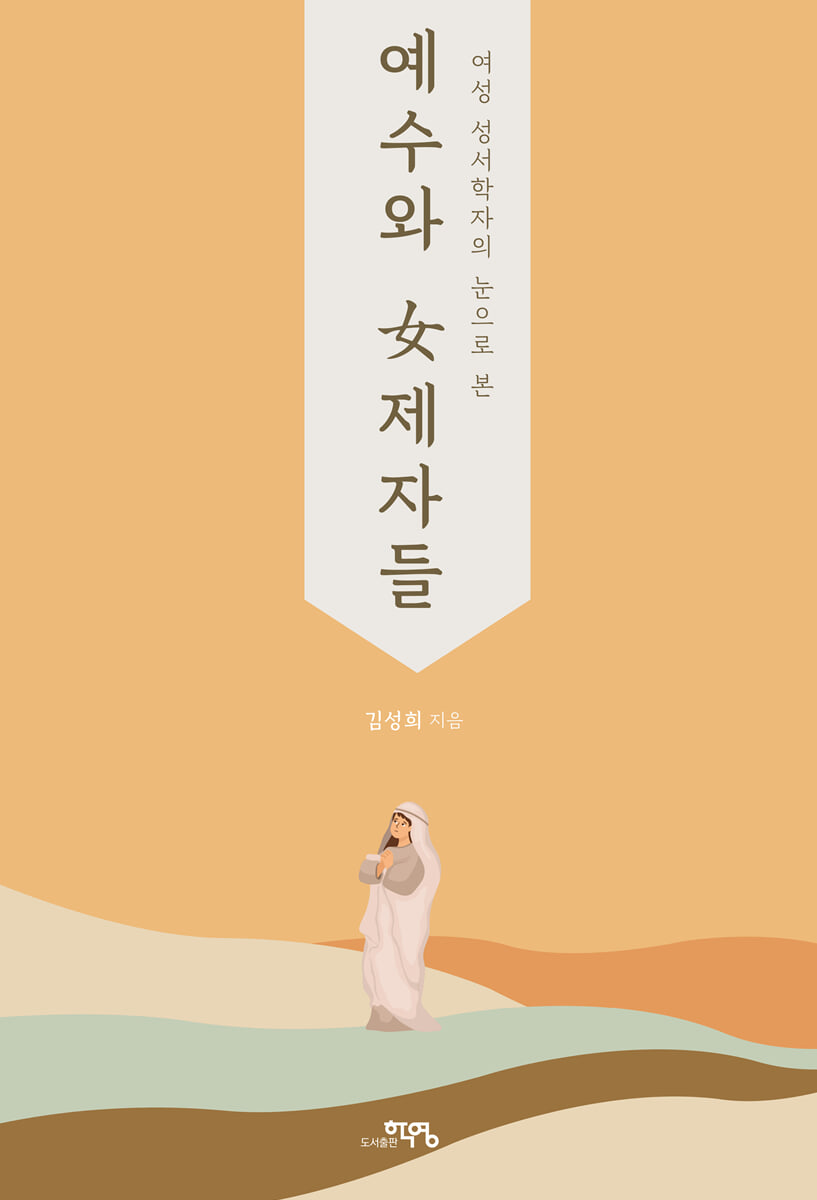
"Jesus and the Female Disciples" sheds new light on the lives and faith of the female disciples appearing in the Gospels, revealing the presence of women in the Bible, which has long been obscured by a male-centered perspective.
Although their names are not even recorded, such as Simon's mother-in-law, the Canaanite woman, the poor widow, and the woman who poured perfume, we pay attention to the activities of these women who nonetheless realized and practiced Jesus' teachings and the essence of the kingdom of God.
While utilizing a variety of hermeneutical methodologies, including historical criticism, feminism, and postcolonialism, it is structured to be easily accessible to the general reader, providing useful reading material for seminarians, pastors, and laypeople alike.
The activities of the female disciples in the Gospels, reinterpreted through the eyes of a female biblical scholar, offer profound insights that can restore the spirituality of solidarity, hospitality, and service that is so needed in our time.
The activities of female disciples in the Gospels!
"Jesus and the Female Disciples" sheds new light on the lives and faith of the female disciples appearing in the Gospels, revealing the presence of women in the Bible, which has long been obscured by a male-centered perspective.
Although their names are not even recorded, such as Simon's mother-in-law, the Canaanite woman, the poor widow, and the woman who poured perfume, we pay attention to the activities of these women who nonetheless realized and practiced Jesus' teachings and the essence of the kingdom of God.
While utilizing a variety of hermeneutical methodologies, including historical criticism, feminism, and postcolonialism, it is structured to be easily accessible to the general reader, providing useful reading material for seminarians, pastors, and laypeople alike.
The activities of the female disciples in the Gospels, reinterpreted through the eyes of a female biblical scholar, offer profound insights that can restore the spirituality of solidarity, hospitality, and service that is so needed in our time.
- You can preview some of the book's contents.
Preview
index
Introduction 9
1.
Simon's mother-in-law, the disciple of the servants, 17
2.
Jesus' supporters: Mary Magdalene, Joanna, and Susanna 37
3.
Each with their own calling… Supporting Martha and Mary 53
4.
A Mutually Transforming Encounter: Canaanite Woman 71
5.
Disciple of Justice Implementation: A Widow 105
6.
Preparing the Way of the Lord: The Poor Widow 135
7.
A Woman Who Is a Sinner Who Welcomes with Love 169
8.
The Prophet Who Proclaimed the Messiah, Anointed Woman 213
Conclusion 225
Question to Consider 248
1.
Simon's mother-in-law, the disciple of the servants, 17
2.
Jesus' supporters: Mary Magdalene, Joanna, and Susanna 37
3.
Each with their own calling… Supporting Martha and Mary 53
4.
A Mutually Transforming Encounter: Canaanite Woman 71
5.
Disciple of Justice Implementation: A Widow 105
6.
Preparing the Way of the Lord: The Poor Widow 135
7.
A Woman Who Is a Sinner Who Welcomes with Love 169
8.
The Prophet Who Proclaimed the Messiah, Anointed Woman 213
Conclusion 225
Question to Consider 248
Into the book
The two verbs that symbolize discipleship in the Gospel of Mark are ‘follow’ and ‘serve.’
Jesus said that he did not come to be served but to serve, and he expected his disciples to do the same.
Who was the first disciple to practice this service? It was Simon's mother-in-law.
The Greek verb translated “served” is diakoneō (διακον?ω).
This verb has different meanings depending on the situation and who the subject is.
The most basic meanings are 'to help', 'to take care of', and 'to provide'.
However, depending on the situation, it is also used to mean 'treat a meal', 'deliver news', 'advise', and 'teach'.
--- p.27~28
So why did Matthew change the Syrophoenician woman to a Canaanite woman? While this could be seen as a remnant of Jewish custom, it could also be seen as a setting designed to further emphasize the conflict between the Jewish people and the native Canaanites.
After the Israelites left Egypt, 'Canaan' referred to the land of foreigners flowing with milk and honey where they wanted to settle (and also to the land they had to fight against in order to occupy and settle there).
In the Old Testament, 'Canaan' or 'Canaanites' primarily meant enemies against whom the Israelites had to fight, and were never to be allowed into the Jewish community (Gen. 24:2-3, 37; 28:6, 8; Ex. 34:11-17; Deut. 7:1-4).
In Jewish tradition, “Canaanite” is also a metaphor used to refer to “all outsiders” or “rivals” who differ from the Jews in terms of race, religion, business, and culture.12 In this context, the fact that the “Canaanite woman” came from the region of Tyre and Sidon (Matt. 15:22) symbolizes that she came from a city traditionally representing the Gentiles.
--- p.90~91
The poor widow did not give her offering out of complete devotion to God, nor was she sacrificed to the scribes' false teachings.
She, who had been waiting and looking forward to the kingdom of God, recognized the conflict between the kingdom of God and the world (empire).
In the gap created by such conflict, she not only resisted the world's empires by throwing away all the possessions created by the imperialist system, but also boldly chose life in the kingdom of God.
Those who believe that the world's empires will continue cannot give much money because of their greed, but she recognized the end of the empire and, looking forward to the coming kingdom of God, completely abandoned worldly things.
--- p.163
Peter's confession contrasts with that of the woman who poured perfume.
Of course, we do not hear the voice of the woman who poured the perfume in the text of the Gospel of Mark.
But the prophetic actions she displayed were like confessing that Jesus was the Christ who would go the way of the cross.
She proclaimed the Messiah by pouring perfume on Jesus.
Her declaration, made with actions rather than words, shines even brighter when contrasted with Peter's powerful declaration of death.
--- p.221~222
The sisterhood of these two women shows that life is not just a zero-sum game of survival, but also a win-win model of mutual coexistence.
The humiliating experiences Elizabeth and Mary shared, and the sisterly love that accompanied them in God's work of salvation despite those experiences, give us a glimpse into what life in God's kingdom will be like.
The starting point of God's project to save the world, that is, the Messiah who would save the world, and the ministry of John the Baptist who prepared the way for such a Messiah, are the two mothers who conceived their lives.
The mutual empathy, encouragement, mutual dependence, and sisterhood of Elizabeth and Mary, two women, prepared the way for God's work of salvation to unfold on this earth.
Isn't this precisely what we need today as we strive to live in the kingdom of God? Elizabeth and Mary showed us that through empathy, solidarity, and sisterhood, we can participate in what God wants to do.
It is not by conquering, winning, or rising, but by empathizing, uniting, and solidarity that His will be done on earth as it is in heaven.
Jesus said that he did not come to be served but to serve, and he expected his disciples to do the same.
Who was the first disciple to practice this service? It was Simon's mother-in-law.
The Greek verb translated “served” is diakoneō (διακον?ω).
This verb has different meanings depending on the situation and who the subject is.
The most basic meanings are 'to help', 'to take care of', and 'to provide'.
However, depending on the situation, it is also used to mean 'treat a meal', 'deliver news', 'advise', and 'teach'.
--- p.27~28
So why did Matthew change the Syrophoenician woman to a Canaanite woman? While this could be seen as a remnant of Jewish custom, it could also be seen as a setting designed to further emphasize the conflict between the Jewish people and the native Canaanites.
After the Israelites left Egypt, 'Canaan' referred to the land of foreigners flowing with milk and honey where they wanted to settle (and also to the land they had to fight against in order to occupy and settle there).
In the Old Testament, 'Canaan' or 'Canaanites' primarily meant enemies against whom the Israelites had to fight, and were never to be allowed into the Jewish community (Gen. 24:2-3, 37; 28:6, 8; Ex. 34:11-17; Deut. 7:1-4).
In Jewish tradition, “Canaanite” is also a metaphor used to refer to “all outsiders” or “rivals” who differ from the Jews in terms of race, religion, business, and culture.12 In this context, the fact that the “Canaanite woman” came from the region of Tyre and Sidon (Matt. 15:22) symbolizes that she came from a city traditionally representing the Gentiles.
--- p.90~91
The poor widow did not give her offering out of complete devotion to God, nor was she sacrificed to the scribes' false teachings.
She, who had been waiting and looking forward to the kingdom of God, recognized the conflict between the kingdom of God and the world (empire).
In the gap created by such conflict, she not only resisted the world's empires by throwing away all the possessions created by the imperialist system, but also boldly chose life in the kingdom of God.
Those who believe that the world's empires will continue cannot give much money because of their greed, but she recognized the end of the empire and, looking forward to the coming kingdom of God, completely abandoned worldly things.
--- p.163
Peter's confession contrasts with that of the woman who poured perfume.
Of course, we do not hear the voice of the woman who poured the perfume in the text of the Gospel of Mark.
But the prophetic actions she displayed were like confessing that Jesus was the Christ who would go the way of the cross.
She proclaimed the Messiah by pouring perfume on Jesus.
Her declaration, made with actions rather than words, shines even brighter when contrasted with Peter's powerful declaration of death.
--- p.221~222
The sisterhood of these two women shows that life is not just a zero-sum game of survival, but also a win-win model of mutual coexistence.
The humiliating experiences Elizabeth and Mary shared, and the sisterly love that accompanied them in God's work of salvation despite those experiences, give us a glimpse into what life in God's kingdom will be like.
The starting point of God's project to save the world, that is, the Messiah who would save the world, and the ministry of John the Baptist who prepared the way for such a Messiah, are the two mothers who conceived their lives.
The mutual empathy, encouragement, mutual dependence, and sisterhood of Elizabeth and Mary, two women, prepared the way for God's work of salvation to unfold on this earth.
Isn't this precisely what we need today as we strive to live in the kingdom of God? Elizabeth and Mary showed us that through empathy, solidarity, and sisterhood, we can participate in what God wants to do.
It is not by conquering, winning, or rising, but by empathizing, uniting, and solidarity that His will be done on earth as it is in heaven.
--- p.226
Publisher's Review
[characteristic]
- Uncover the hidden activities of female disciples in the Bible through the delicate eyes of a female Bible scholar!
- We take a closer look at female disciples who have not been dealt with well so far, such as Simon's mother-in-law, the Canaanite woman, and the poor widow.
- It provides a starting point for overcoming the limitations of the “male-centered discipleship” that has traditionally been dominant.
- Uncover the hidden activities of female disciples in the Bible through the delicate eyes of a female Bible scholar!
- We take a closer look at female disciples who have not been dealt with well so far, such as Simon's mother-in-law, the Canaanite woman, and the poor widow.
- It provides a starting point for overcoming the limitations of the “male-centered discipleship” that has traditionally been dominant.
GOODS SPECIFICS
- Date of issue: August 6, 2025
- Page count, weight, size: 256 pages | 128*188*20mm
- ISBN13: 9791193931097
- ISBN10: 1193931096
You may also like
카테고리
korean


korean

![GQ KOREA Mark (Monthly): December [2025]](http://librairie.coreenne.fr/cdn/shop/files/8ef265dbbfbf186523ed75ba7319009d.jpg?v=1765340328&width=3840)


