

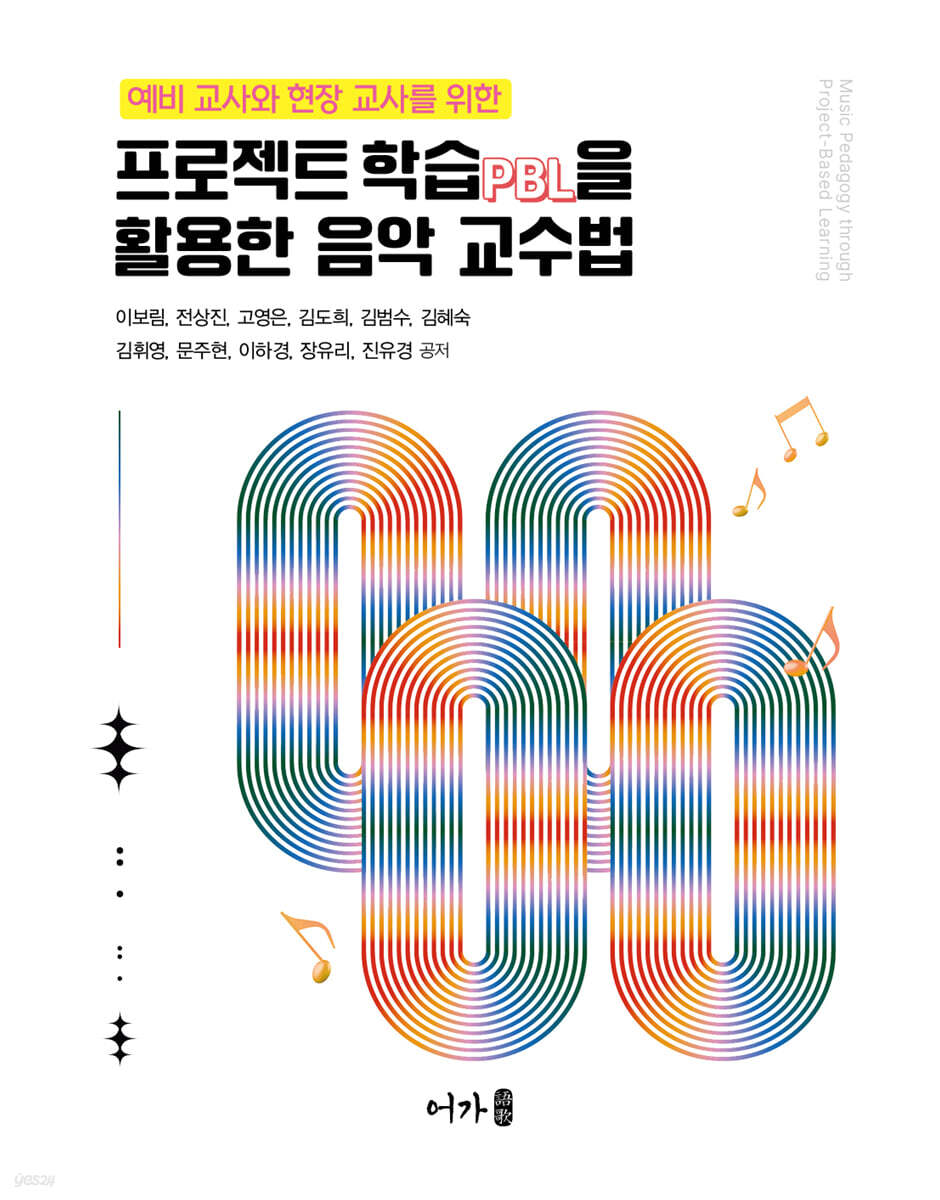
Teaching music using project-based learning (PBL)
 |
Description
Book Introduction
Teaching is not just a technique for imparting knowledge.
Music class is an act of bringing into life emotions and meanings that cannot be expressed in words, and it is a time when teachers and students work together to write musical scores of interpretation.
This book is a question and an invitation for all teachers who want to revisit music as the language of instruction and teaching as the art of relationships.
Music class is an act of bringing into life emotions and meanings that cannot be expressed in words, and it is a time when teachers and students work together to write musical scores of interpretation.
This book is a question and an invitation for all teachers who want to revisit music as the language of instruction and teaching as the art of relationships.
- You can preview some of the book's contents.
Preview
index
Part 1: Theory of Music and Project Classes
* Project-based teaching and learning class design for systematic operation
Chapter 1: Design Strategies for Project-Based Learning (PBL) in Music Curriculum
1. Characteristics and procedures of project classes
1) Concept and characteristics of project classes
2) Project class procedures
3) Supplementary strategies for practical implementation of project classes
2 Design Strategies for Project-Based Lessons in Music Curriculum
1) Goal-Based Project-Based Learning (BD-PBL) Model and Explanation
2) Expected effects and major challenges of applying the PBL model
Chapter 2: Music Curriculum Project Classes to Enhance Creativity
1 Creativity and Music Creativity
1) Creativity theory
2) Musical creativity
2. Enhancing Creativity in Music Curriculum Project Classes
1) Designing music and project classes to enhance creativity
* Project classes for singing, instrumental music, creative writing, and appreciation activities
Chapter 3 Project Lesson 1 in Music Class (Singing, Instrumental)
1 Project class in the singing area
1) Understanding the singing area project class
2) Execution of singing area project classes
? 3) Case study of singing area project class
2 Project classes in the instrumental area
1) Understanding the instrumental area project class
2) Execution of instrumental music project classes
3) Instrumental field project class case
Chapter 4 Project Lessons in Music Classes 2 (Creation, Appreciation)
1 Project classes in the creative field
1) Understanding the creative area project class
2) Execution of creative area project classes
3) Creative field project class examples
2 Project classes in the appreciation area
1) Understanding the appreciation area project class
2) Execution of appreciation area project class
3) Appreciation Area Project Class Case
* Integrated education through project classes
Chapter 5 Project Classes for Music-Based Convergence Education
1. Conceptual Understanding of Convergence Education
1) The concept of convergence education
2) Advantages of music-based convergence education
2 Music-based convergence education in project classes
1) Procedure for planning music-based convergence education in project classes
2) Case of music-based convergence education in project classes
* Integrating project classes with multicultural topics
Chapter 6 Project Class for Multicultural Music
1. Conceptual Understanding of Multicultural Music Classes
1) Background of multicultural society and music education
2) Conceptual understanding of multiculturalism
3) The necessity of multicultural music education
4) Remer's approach to multicultural music education: contextualism and universalism
5) A step-by-step approach to multicultural music education
2. Designing and Utilizing Project Music Classes in Multicultural Education
1) Multicultural music education presented in the 2022 revised curriculum
2) Designing music classes by area of application
3) The reality of project music classes
* Integration of project classes and cross-curricular topics
Chapter 7 Cross-curricular Topics and Project Classes
1. Conceptual understanding of cross-curricular topics
1) Understanding of interdisciplinary terminology
2) The necessity of cross-curricular subject classes
3) Types of interdisciplinary topics
4) Context and direction of interdisciplinary topics
2. Designing and utilizing project music classes on cross-curricular topics
1) Cross-curricular topics presented in the 2022 revised curriculum
2) Examples of music lesson plans by subject
3) The reality of music classes with cross-curricular themes and projects
* Music-based digital literacy education based on project-based classes
Chapter 8: Edutech and Music Project Classes
1 Understanding EdTech
1) The concept of edutech
2) Definition of EdTech
3) Types of EdTech
4) Awareness of EdTech
2. Potential Use of EdTech in Music Education
1) Music, Curriculum, and EdTech
2) AI-based composition program
3) Coding programs and related teaching aids
4) Smart applications
5) Metaverse
Part 2: Practice and Operation of Music and Project Classes
* From preparation to evaluation of project classes, explained in an easy-to-understand manner
Chapter 9: The Reality of Music and Project Classes
1. Stages of music and project classes: composition and preparation
1) Structure of music and project classes
2) Preparation stage
2. Implementation and Evaluation Steps for Each Type of Music and Project Class
1) Implementation and Evaluation Phase
2) Execution and evaluation by project type
* Singing classes made even more enjoyable with project-based learning
Chapter 10: School Song Project Class 'Kyoga Pella'
1 Lesson Design
1) Background of project class development
2) Learning topics and plans
3) Project class overview by period
2 Project Class Operation
1) Step-by-step class guidance content
* Project-based learning that promotes embodied performance
Chapter 11: Music Box Project Lesson 'Oh, My Orgel!'
1 Lesson Design
1) Background of project class development
2) Learning topics and plans
3) Project class overview by period
2 Project Class Operation
1) Step-by-step class guidance content
* The flower of project-based music classes, creative classes
Chapter 12 Presenting Music Creation Using Soundtrap
1 Lesson Design
1) Background of project class development
2) Learning topics and plans
3) Project class overview by period
2 Project Class Operation
1) Class preparation (teacher-led)
2) Individual learning and creative practice
3) Preparation and planning for creative activities by group
4) Create creative and presentation materials for each group
5) Appreciation and presentation
6) Evaluate
Chapter 13: Creating an Online Music Newspaper Using Canva
1 Lesson Design
1) Background of project class development
2) Learning topics and plans
3) Project class overview by period
2 Project Class Operation
1) Prepare for class
2) Learning and appreciating Western music history
3) Forming groups and deciding on a newspaper topic
4) Create a music newspaper for each group
5) Presentation
6) Evaluate
Chapter 14 Our School Challenge! - Creating a Short-Form Musical
1 Lesson Design
1) Background of project class development
2) Learning topics and plans
3) Project class overview by period
2 Project Class Operation
1) Step-by-step class guidance content
* Improving musical literacy, a skill often overlooked, through project-based learning: "AI+Music Creation."
Chapter 15: Creating Your Own Music with Hooktheory
1 Lesson Design
1) Background of project class development
2) Learning topics and plans
3) Project class overview by period
4) Description of artificial intelligence (AI) tools used in class
2 Project Class Operation
1) Step-by-step class guidance content
* Instrument Education Project
Chapter 16: K-Pop and AI Meet: Creating Children's Day Songs for Generation Alpha
1 Lesson Design
1) Background of project class development
2) Learning topics and plans
3) Project class overview by period
2 Project Class Operation
1) Step-by-step class guidance content
* More meaningful discussion and debate classes in project-based learning
Chapter 17: The Two Faces of Pansori: Designing a Discussion Class on Globalizing Korean Traditional Music
1 Lesson Design
1) Background of project class development
2) Learning topics and plans
3) Project class overview by period
2 Project Class Operation
1) Step-by-step class guidance content
* Project teaching and learning methods that support large-scale music curriculum events
Chapter 18: Make Small Changes! Musical Creation Performance Project
1 Lesson Design
1) Background of project class development
2) Learning topics and plans
3) Project class overview by period
4) Step-by-step project lesson outline
2 Project Class Operation
1) Appreciating and understanding musicals
2) Exploring musical career paths
3) Role setting
4) Writing a script
5) Music
6) Directing
7) Choreography
8) Practice, rehearsal, feedback
9) Performance, report writing
* Evaluation of project-based teaching and learning that is trustworthy for both instructors and learners.
Chapter 19: Music and Concept-Based Inquiry Lessons in Practice
1 Lesson Design
2. Analyzing the Curriculum
1) Analysis of achievement standards
2) Setting the core idea of the unit
3) Curriculum-based class design direction
3 Planning an evaluation based on a concept network
1) Development of evaluation tasks
2) Evaluation criteria
4-unit structure
5. Designing Teaching and Learning Based on Conceptual Networks
References |
Appendix 2022 Revised Music and Education Curriculum
* Project-based teaching and learning class design for systematic operation
Chapter 1: Design Strategies for Project-Based Learning (PBL) in Music Curriculum
1. Characteristics and procedures of project classes
1) Concept and characteristics of project classes
2) Project class procedures
3) Supplementary strategies for practical implementation of project classes
2 Design Strategies for Project-Based Lessons in Music Curriculum
1) Goal-Based Project-Based Learning (BD-PBL) Model and Explanation
2) Expected effects and major challenges of applying the PBL model
Chapter 2: Music Curriculum Project Classes to Enhance Creativity
1 Creativity and Music Creativity
1) Creativity theory
2) Musical creativity
2. Enhancing Creativity in Music Curriculum Project Classes
1) Designing music and project classes to enhance creativity
* Project classes for singing, instrumental music, creative writing, and appreciation activities
Chapter 3 Project Lesson 1 in Music Class (Singing, Instrumental)
1 Project class in the singing area
1) Understanding the singing area project class
2) Execution of singing area project classes
? 3) Case study of singing area project class
2 Project classes in the instrumental area
1) Understanding the instrumental area project class
2) Execution of instrumental music project classes
3) Instrumental field project class case
Chapter 4 Project Lessons in Music Classes 2 (Creation, Appreciation)
1 Project classes in the creative field
1) Understanding the creative area project class
2) Execution of creative area project classes
3) Creative field project class examples
2 Project classes in the appreciation area
1) Understanding the appreciation area project class
2) Execution of appreciation area project class
3) Appreciation Area Project Class Case
* Integrated education through project classes
Chapter 5 Project Classes for Music-Based Convergence Education
1. Conceptual Understanding of Convergence Education
1) The concept of convergence education
2) Advantages of music-based convergence education
2 Music-based convergence education in project classes
1) Procedure for planning music-based convergence education in project classes
2) Case of music-based convergence education in project classes
* Integrating project classes with multicultural topics
Chapter 6 Project Class for Multicultural Music
1. Conceptual Understanding of Multicultural Music Classes
1) Background of multicultural society and music education
2) Conceptual understanding of multiculturalism
3) The necessity of multicultural music education
4) Remer's approach to multicultural music education: contextualism and universalism
5) A step-by-step approach to multicultural music education
2. Designing and Utilizing Project Music Classes in Multicultural Education
1) Multicultural music education presented in the 2022 revised curriculum
2) Designing music classes by area of application
3) The reality of project music classes
* Integration of project classes and cross-curricular topics
Chapter 7 Cross-curricular Topics and Project Classes
1. Conceptual understanding of cross-curricular topics
1) Understanding of interdisciplinary terminology
2) The necessity of cross-curricular subject classes
3) Types of interdisciplinary topics
4) Context and direction of interdisciplinary topics
2. Designing and utilizing project music classes on cross-curricular topics
1) Cross-curricular topics presented in the 2022 revised curriculum
2) Examples of music lesson plans by subject
3) The reality of music classes with cross-curricular themes and projects
* Music-based digital literacy education based on project-based classes
Chapter 8: Edutech and Music Project Classes
1 Understanding EdTech
1) The concept of edutech
2) Definition of EdTech
3) Types of EdTech
4) Awareness of EdTech
2. Potential Use of EdTech in Music Education
1) Music, Curriculum, and EdTech
2) AI-based composition program
3) Coding programs and related teaching aids
4) Smart applications
5) Metaverse
Part 2: Practice and Operation of Music and Project Classes
* From preparation to evaluation of project classes, explained in an easy-to-understand manner
Chapter 9: The Reality of Music and Project Classes
1. Stages of music and project classes: composition and preparation
1) Structure of music and project classes
2) Preparation stage
2. Implementation and Evaluation Steps for Each Type of Music and Project Class
1) Implementation and Evaluation Phase
2) Execution and evaluation by project type
* Singing classes made even more enjoyable with project-based learning
Chapter 10: School Song Project Class 'Kyoga Pella'
1 Lesson Design
1) Background of project class development
2) Learning topics and plans
3) Project class overview by period
2 Project Class Operation
1) Step-by-step class guidance content
* Project-based learning that promotes embodied performance
Chapter 11: Music Box Project Lesson 'Oh, My Orgel!'
1 Lesson Design
1) Background of project class development
2) Learning topics and plans
3) Project class overview by period
2 Project Class Operation
1) Step-by-step class guidance content
* The flower of project-based music classes, creative classes
Chapter 12 Presenting Music Creation Using Soundtrap
1 Lesson Design
1) Background of project class development
2) Learning topics and plans
3) Project class overview by period
2 Project Class Operation
1) Class preparation (teacher-led)
2) Individual learning and creative practice
3) Preparation and planning for creative activities by group
4) Create creative and presentation materials for each group
5) Appreciation and presentation
6) Evaluate
Chapter 13: Creating an Online Music Newspaper Using Canva
1 Lesson Design
1) Background of project class development
2) Learning topics and plans
3) Project class overview by period
2 Project Class Operation
1) Prepare for class
2) Learning and appreciating Western music history
3) Forming groups and deciding on a newspaper topic
4) Create a music newspaper for each group
5) Presentation
6) Evaluate
Chapter 14 Our School Challenge! - Creating a Short-Form Musical
1 Lesson Design
1) Background of project class development
2) Learning topics and plans
3) Project class overview by period
2 Project Class Operation
1) Step-by-step class guidance content
* Improving musical literacy, a skill often overlooked, through project-based learning: "AI+Music Creation."
Chapter 15: Creating Your Own Music with Hooktheory
1 Lesson Design
1) Background of project class development
2) Learning topics and plans
3) Project class overview by period
4) Description of artificial intelligence (AI) tools used in class
2 Project Class Operation
1) Step-by-step class guidance content
* Instrument Education Project
Chapter 16: K-Pop and AI Meet: Creating Children's Day Songs for Generation Alpha
1 Lesson Design
1) Background of project class development
2) Learning topics and plans
3) Project class overview by period
2 Project Class Operation
1) Step-by-step class guidance content
* More meaningful discussion and debate classes in project-based learning
Chapter 17: The Two Faces of Pansori: Designing a Discussion Class on Globalizing Korean Traditional Music
1 Lesson Design
1) Background of project class development
2) Learning topics and plans
3) Project class overview by period
2 Project Class Operation
1) Step-by-step class guidance content
* Project teaching and learning methods that support large-scale music curriculum events
Chapter 18: Make Small Changes! Musical Creation Performance Project
1 Lesson Design
1) Background of project class development
2) Learning topics and plans
3) Project class overview by period
4) Step-by-step project lesson outline
2 Project Class Operation
1) Appreciating and understanding musicals
2) Exploring musical career paths
3) Role setting
4) Writing a script
5) Music
6) Directing
7) Choreography
8) Practice, rehearsal, feedback
9) Performance, report writing
* Evaluation of project-based teaching and learning that is trustworthy for both instructors and learners.
Chapter 19: Music and Concept-Based Inquiry Lessons in Practice
1 Lesson Design
2. Analyzing the Curriculum
1) Analysis of achievement standards
2) Setting the core idea of the unit
3) Curriculum-based class design direction
3 Planning an evaluation based on a concept network
1) Development of evaluation tasks
2) Evaluation criteria
4-unit structure
5. Designing Teaching and Learning Based on Conceptual Networks
References |
Appendix 2022 Revised Music and Education Curriculum
Publisher's Review
《Music Teaching Methods Using Project-Based Learning (PBL) (for Prospective and Current Teachers)》 is not a book containing simple techniques, but a confession about 'how to redesign classes.'
Educators who have made music education a part of their lives gathered together and presented their thoughts and practices like musical scores.
Just as this book is not a complete answer, I hope it serves as an open-ended interpretation of the music for your classroom.
Project-Based Learning (PBL) is often misunderstood as activity-based learning, but it is essentially an educational innovation that places learners in the center of the classroom.
In the art form of music, PBL helps students reconstruct their knowledge through the process of setting topics, expressing them, and interacting with their peers.
This is about designing living experiences that go beyond textbooks, making classes an educational transformation where sensation, interpretation, and creation intersect.
Part 1 covers the philosophical foundations of PBL and strategies for designing music lessons.
We reexamine the fundamental questions of "What is a good class?" and "What should music be taught for?" from a PBL perspective.
Part 2 vividly demonstrates its potential through various real-world examples, including singing, instrumental music, appreciation, and creative classes that blossomed in actual classrooms, multicultural music education, discussion and debate-centered classes, performance projects, and AI creative classes.
As smooth as music, yet as firm as education!
I hope this book will leave a small but definite impact in your classroom.
Educators who have made music education a part of their lives gathered together and presented their thoughts and practices like musical scores.
Just as this book is not a complete answer, I hope it serves as an open-ended interpretation of the music for your classroom.
Project-Based Learning (PBL) is often misunderstood as activity-based learning, but it is essentially an educational innovation that places learners in the center of the classroom.
In the art form of music, PBL helps students reconstruct their knowledge through the process of setting topics, expressing them, and interacting with their peers.
This is about designing living experiences that go beyond textbooks, making classes an educational transformation where sensation, interpretation, and creation intersect.
Part 1 covers the philosophical foundations of PBL and strategies for designing music lessons.
We reexamine the fundamental questions of "What is a good class?" and "What should music be taught for?" from a PBL perspective.
Part 2 vividly demonstrates its potential through various real-world examples, including singing, instrumental music, appreciation, and creative classes that blossomed in actual classrooms, multicultural music education, discussion and debate-centered classes, performance projects, and AI creative classes.
As smooth as music, yet as firm as education!
I hope this book will leave a small but definite impact in your classroom.
GOODS SPECIFICS
- Date of issue: October 13, 2025
- Page count, weight, size: 376 pages | 188*240*30mm
- ISBN13: 9791170752127
- ISBN10: 1170752128
You may also like
카테고리
korean


korean

![GQ KOREA Mark (Monthly): December [2025]](http://librairie.coreenne.fr/cdn/shop/files/8ef265dbbfbf186523ed75ba7319009d.jpg?v=1765340328&width=3840)


