

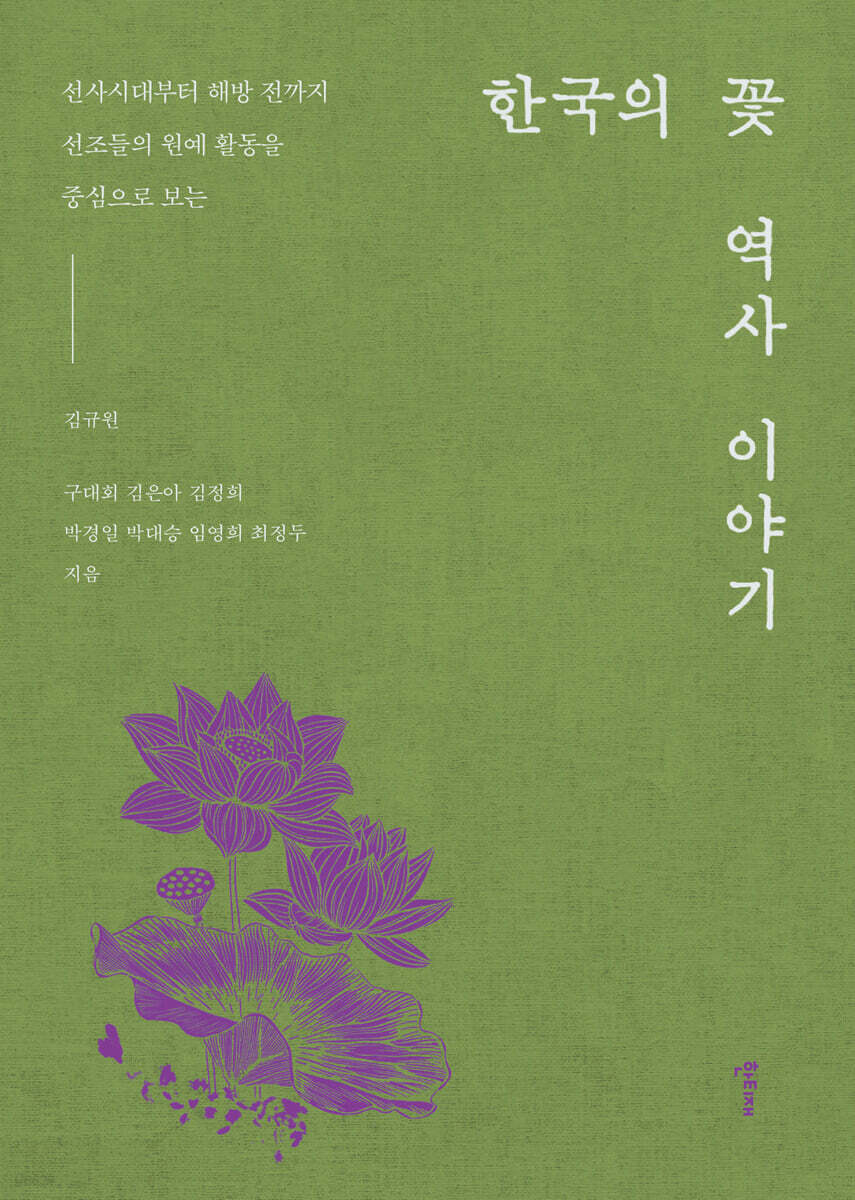
The Story of Korean Flower History
 |
Description
Book Introduction
From prehistoric times to before liberation
Focusing on the gardening activities of our ancestors
The Story of Korean Flower History
Our flowers and our ancestors' gardening activities as described in literature
A new book has been published by veteran horticulturalist Kim Gyu-won, who published “Flowers of Two Thousand Years” and “Stories of Flowers from the Three Kingdoms Period,” which researched and organized flowers and plants contained in literature from the Three Kingdoms period.
This book, written in collaboration with seven disciples, is a compilation of records of our ancestors' horticultural activities and plants from prehistoric times to before liberation, compiled from literature.
We looked for records of flowers, grasses, and trees in our ancient literature, examined how they appeared and were used in the lives of our ancestors by era, and then organized them according to plant classification.
Focusing on the gardening activities of our ancestors
The Story of Korean Flower History
Our flowers and our ancestors' gardening activities as described in literature
A new book has been published by veteran horticulturalist Kim Gyu-won, who published “Flowers of Two Thousand Years” and “Stories of Flowers from the Three Kingdoms Period,” which researched and organized flowers and plants contained in literature from the Three Kingdoms period.
This book, written in collaboration with seven disciples, is a compilation of records of our ancestors' horticultural activities and plants from prehistoric times to before liberation, compiled from literature.
We looked for records of flowers, grasses, and trees in our ancient literature, examined how they appeared and were used in the lives of our ancestors by era, and then organized them according to plant classification.
- You can preview some of the book's contents.
Preview
index
In publishing the book
Part 1: Flowers and Our Ancestral Gardening Activities, Examined by Era
Prehistoric flowers
Flowers of the Paleolithic Age | Flowers of the Neolithic Age | Flowers of the Bronze Age | Flowers of the Early Iron Age
Flower of the Three Kingdoms Period
Flowers of the 1st Century BC | Flowers of the 1st Century | Flowers of the 2nd Century | Flowers of the 3rd Century | Flowers of the 4th Century | Flowers of the 5th Century | Flowers of the 6th Century | Flowers of the 7th Century
Flowers of the Unified Silla Period
Flowers of the 7th Century | Flowers of the 8th Century | Flowers of the 9th Century | Flowers of the 10th Century
Flowers of the Goryeo Dynasty
Flowers of the 10th Century | Flowers of the 11th Century | Flowers of the 12th Century | Flowers of the 13th Century | Flowers of the 14th Century
Flowers of the Joseon Dynasty
Flowers of the 15th Century | Flowers of the 16th Century | Flowers of the 17th Century | Flowers of the 18th Century | Flowers of the 19th Century | Flowers of the 20th Century
Flowers of the Japanese colonial period
Part 2: Ornamental Grasses and Trees in Literature and Illustrations
annual herb
Goldfinch | Mandrami | Zinnia | Balsam | Amaranth | Sunflower
biennial herb
Poppy | Poppy | Hollyhock
perennial herb
Reed | Chrysanthemum | Chrysanthemum | Lily | Morning glory | Orchid | Dahlia | Bellflower | Oriental orchid | Daylily | Wild chrysanthemum | Ophiopogon japonicus | Pansy | Begonia | Cattail | Iris | Mountain chrysanthemum | Dendrobium | Cactus | Water lily | Daffodil | Water parsley | Cymbidium | Lotus | Daylily | Daylily | Peony | Violet | Tiger lily | Iris | Spring orchid | Carnation | Tulip | Plantain | Dianthus | Cymbidium | Cymbidium chinensis | Cymbidium chinensis | Orchid | Sky lily | Hallasan orchid | Pasqueflower | Hyeran | Hongcho
small tree
Forsythia | Double yellow plum blossom | Korean dandelion | Azalea | Chinese juniper | Olive tree | Snow cedar | Japanese cypress | Peony | Osmanthus | Rose of Sharon | Chinese juniper | Rose of Sharon | Four seasons flower | Japanese cypress | Korean azalea | Western juniper | Hydrangea | Azalea | Cherry tree | Korean rhododendron | Korean chrysanthemum | Japanese azalea | Laurel flower | Citron tree | Rose | Clove tree | Bamboo reed | Spiraea | Azalea | Rose of Sharon | Rose of Sharon | Tea tree | Rhododendron | Gardenia | Tangerine | Rosehip | Oleander | Holly | Yellow plum | Boxwood
medium-sized tree
Tangerine | Apple tree | Plum tree | Peach tree | Pomegranate tree | Cycad | Agave | Tamarisk | Albizia julibrissin | Cornus officinalis
tall tree
Persimmon tree | Cinnamon tree | Golden pine | Camphor tree | Zelkova | Willow tree | Maple tree | Bamboo | Jujube tree | Camellia | Eucommia | Quince tree | Magnolia | Pine tree | Banjo tree | Banjo | Chestnut tree | Pear tree | Crape myrtle | White magnolia | Willow | Parasol tree | Pine tree | Apple tree | Cornus officinalis / Apricot tree | Pine tree | Weeping willow | Paulownia tree | Japanese bamboo | King bamboo | Ginkgo tree | Plum tree | Purple magnolia | Korean pine | Palm tree | Yew | Juksundae | Thuja japonica | Japanese cypress | Black pine | Juniper tree | Walnut tree | Pagoda tree
vines
Morning glory | Poppy | Cherry blossom | Cornelian cherry | Cornelian cherry | Honeysuckle | Grape | Lotus
Epilogue
References
Part 1: Flowers and Our Ancestral Gardening Activities, Examined by Era
Prehistoric flowers
Flowers of the Paleolithic Age | Flowers of the Neolithic Age | Flowers of the Bronze Age | Flowers of the Early Iron Age
Flower of the Three Kingdoms Period
Flowers of the 1st Century BC | Flowers of the 1st Century | Flowers of the 2nd Century | Flowers of the 3rd Century | Flowers of the 4th Century | Flowers of the 5th Century | Flowers of the 6th Century | Flowers of the 7th Century
Flowers of the Unified Silla Period
Flowers of the 7th Century | Flowers of the 8th Century | Flowers of the 9th Century | Flowers of the 10th Century
Flowers of the Goryeo Dynasty
Flowers of the 10th Century | Flowers of the 11th Century | Flowers of the 12th Century | Flowers of the 13th Century | Flowers of the 14th Century
Flowers of the Joseon Dynasty
Flowers of the 15th Century | Flowers of the 16th Century | Flowers of the 17th Century | Flowers of the 18th Century | Flowers of the 19th Century | Flowers of the 20th Century
Flowers of the Japanese colonial period
Part 2: Ornamental Grasses and Trees in Literature and Illustrations
annual herb
Goldfinch | Mandrami | Zinnia | Balsam | Amaranth | Sunflower
biennial herb
Poppy | Poppy | Hollyhock
perennial herb
Reed | Chrysanthemum | Chrysanthemum | Lily | Morning glory | Orchid | Dahlia | Bellflower | Oriental orchid | Daylily | Wild chrysanthemum | Ophiopogon japonicus | Pansy | Begonia | Cattail | Iris | Mountain chrysanthemum | Dendrobium | Cactus | Water lily | Daffodil | Water parsley | Cymbidium | Lotus | Daylily | Daylily | Peony | Violet | Tiger lily | Iris | Spring orchid | Carnation | Tulip | Plantain | Dianthus | Cymbidium | Cymbidium chinensis | Cymbidium chinensis | Orchid | Sky lily | Hallasan orchid | Pasqueflower | Hyeran | Hongcho
small tree
Forsythia | Double yellow plum blossom | Korean dandelion | Azalea | Chinese juniper | Olive tree | Snow cedar | Japanese cypress | Peony | Osmanthus | Rose of Sharon | Chinese juniper | Rose of Sharon | Four seasons flower | Japanese cypress | Korean azalea | Western juniper | Hydrangea | Azalea | Cherry tree | Korean rhododendron | Korean chrysanthemum | Japanese azalea | Laurel flower | Citron tree | Rose | Clove tree | Bamboo reed | Spiraea | Azalea | Rose of Sharon | Rose of Sharon | Tea tree | Rhododendron | Gardenia | Tangerine | Rosehip | Oleander | Holly | Yellow plum | Boxwood
medium-sized tree
Tangerine | Apple tree | Plum tree | Peach tree | Pomegranate tree | Cycad | Agave | Tamarisk | Albizia julibrissin | Cornus officinalis
tall tree
Persimmon tree | Cinnamon tree | Golden pine | Camphor tree | Zelkova | Willow tree | Maple tree | Bamboo | Jujube tree | Camellia | Eucommia | Quince tree | Magnolia | Pine tree | Banjo tree | Banjo | Chestnut tree | Pear tree | Crape myrtle | White magnolia | Willow | Parasol tree | Pine tree | Apple tree | Cornus officinalis / Apricot tree | Pine tree | Weeping willow | Paulownia tree | Japanese bamboo | King bamboo | Ginkgo tree | Plum tree | Purple magnolia | Korean pine | Palm tree | Yew | Juksundae | Thuja japonica | Japanese cypress | Black pine | Juniper tree | Walnut tree | Pagoda tree
vines
Morning glory | Poppy | Cherry blossom | Cornelian cherry | Cornelian cherry | Honeysuckle | Grape | Lotus
Epilogue
References
Publisher's Review
Part 1 describes how each flower was used in each era, divided into prehistoric times, the Three Kingdoms period, the Unified Silla period, the Goryeo period, the Joseon period, and before liberation.
Along with records of the characteristics and growth habits of flowers, the flower preferences of our ancestors as shown in literature, flower ornaments that gave dignity to flowers, space decoration using cut flowers or branches, flower offerings, flower gifts, etc., we have organized the gardening activities of our ancestors as shown in literature, such as plant materials for flower gardens and growing potted plants.
In Part 2, the plants appearing in the literature are organized into seven groups applicable to horticulture.
The plants that appear in literature have a long history and are numerous in number, with each having a different growth habit. However, considering practicality, they are divided into seven groups.
Grasses are divided into three groups: annual, biennial, and perennial; trees are divided into three groups: small, medium, and large; and grasses and trees that cannot stand upright on their own are classified as vines.
Currently, in Korea, there are tens of thousands of people who make a living producing, distributing, and decorating flowers, and there are numerous flower-related civil servants and researchers in central and local governments, research institutes, and universities.
Flowers are neither luxury nor valuables, but rather a daily necessity, a luxury, and an agricultural product.
However, it is very unfortunate that there is a lack of understanding and interest in flowers.
Our ancestors recognized the beauty of flowers and utilized them since prehistoric times.
Stories in literature reveal our ancestors engaging in a variety of horticultural activities with innovative ideas and techniques.
It has been difficult to find a work that systematically organizes the history of our flowers by examining the horticultural activities of our ancestors as recorded in literature, and adding theory to it to show when, where, and how they used which flowers.
This book will provide a glimpse into our flowers and the horticultural activities of our ancestors, and will hopefully increase readers' interest in and understanding of flowers.
Along with records of the characteristics and growth habits of flowers, the flower preferences of our ancestors as shown in literature, flower ornaments that gave dignity to flowers, space decoration using cut flowers or branches, flower offerings, flower gifts, etc., we have organized the gardening activities of our ancestors as shown in literature, such as plant materials for flower gardens and growing potted plants.
In Part 2, the plants appearing in the literature are organized into seven groups applicable to horticulture.
The plants that appear in literature have a long history and are numerous in number, with each having a different growth habit. However, considering practicality, they are divided into seven groups.
Grasses are divided into three groups: annual, biennial, and perennial; trees are divided into three groups: small, medium, and large; and grasses and trees that cannot stand upright on their own are classified as vines.
Currently, in Korea, there are tens of thousands of people who make a living producing, distributing, and decorating flowers, and there are numerous flower-related civil servants and researchers in central and local governments, research institutes, and universities.
Flowers are neither luxury nor valuables, but rather a daily necessity, a luxury, and an agricultural product.
However, it is very unfortunate that there is a lack of understanding and interest in flowers.
Our ancestors recognized the beauty of flowers and utilized them since prehistoric times.
Stories in literature reveal our ancestors engaging in a variety of horticultural activities with innovative ideas and techniques.
It has been difficult to find a work that systematically organizes the history of our flowers by examining the horticultural activities of our ancestors as recorded in literature, and adding theory to it to show when, where, and how they used which flowers.
This book will provide a glimpse into our flowers and the horticultural activities of our ancestors, and will hopefully increase readers' interest in and understanding of flowers.
GOODS SPECIFICS
- Date of issue: July 10, 2024
- Page count, weight, size: 276 pages | 150*210*27mm
- ISBN13: 9791192455556
- ISBN10: 119245555X
You may also like
카테고리
korean


korean

![GQ KOREA Mark (Monthly): December [2025]](http://librairie.coreenne.fr/cdn/shop/files/8ef265dbbfbf186523ed75ba7319009d.jpg?v=1765340328&width=3840)


