

Tokyo Modern Stroll
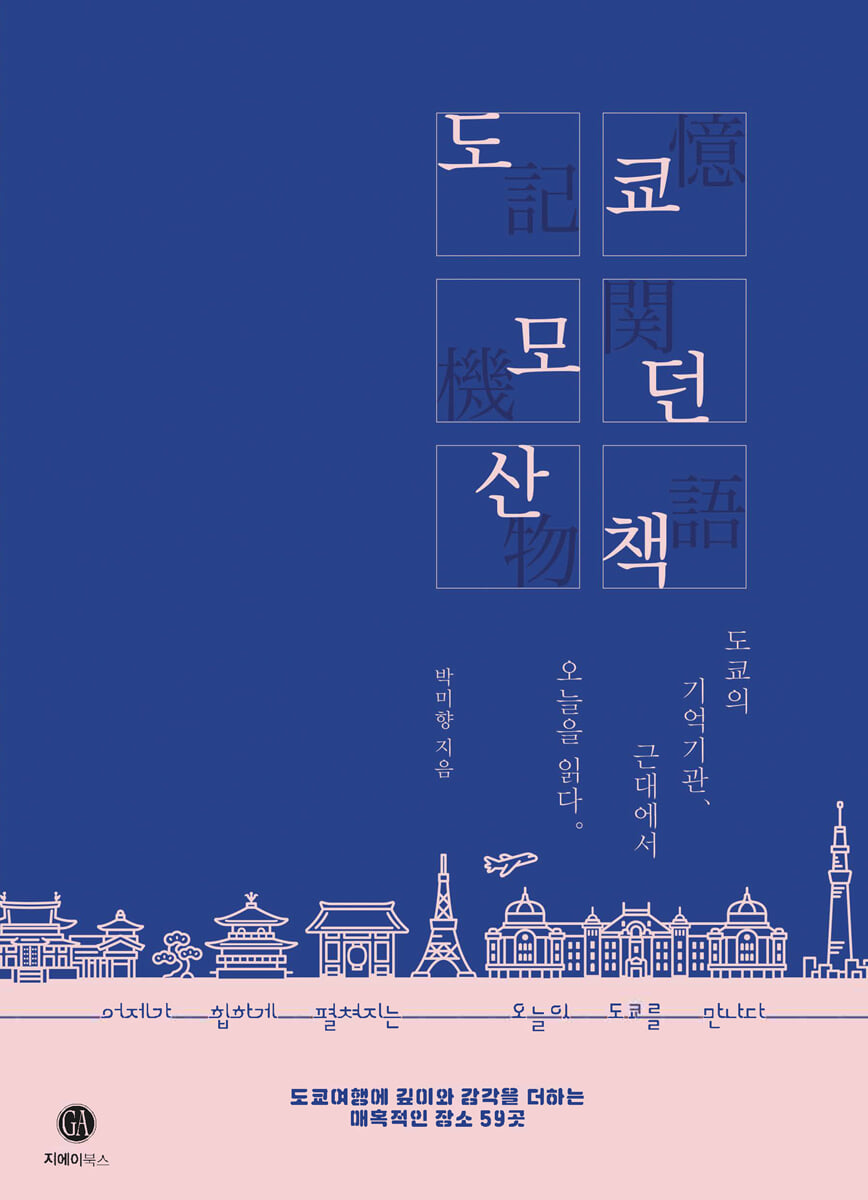 |
Description
index
Recommendation
Opening remarks: A deeper look into Tokyo's story through culture and arts.
+ Full map of Japan
+ Tokyo Main Spot Map
Starting with Retro Tokyo, Meet Modern Tokyo
+ World History Timeline: Major historical events at a glance
Part 1: Strolling through the heart of modernity
+ Modern Era Memory Chronology: Modern Era Art and Culture at a Glance
Chapter 1: The Richly Shining Flow of Modernity
The Meiji era, when civilization flourished
The Taisho era, when democracy and modernism sprouted
The early Showa period, when cultural activities were suppressed
Chapter 2: Modern Tokyo through Culture and Architecture
The essence of modernity in the heart of Tokyo
The National Museum of Modern Art, Tokyo | A Treasure Trove of Modern and Contemporary Art
Showa-kan | A place to remember the hardships of war and life
Okura House | How Entrepreneurs Are Culturally Remembered
Akasakai Palace, State Guest House | Changing clothes with each era
Tokyo Metropolitan Teien Art Museum | From an aristocratic mansion to a beautiful public space
Minato City Local History Museum | Creating Layers of Memory
The Museum of Modern Japanese Literature in Komaba Park | Literary Achievements of the Modern Era
Japan Folk Crafts Museum | In Search of the First Flow of Folk Crafts
A place where you can enjoy culture in a comprehensive way,
Ebisu Garden Place & Tokyo Metropolitan Museum of Photography
Memories that become stronger as time passes
National Museum of Western Art | Le Corbusier's Great Traces
Kuroda Memorial Museum | Modern Art Remembered Through Figures
International Children's Library | An Intellectual Refreshment Created Through Architecture
Asakura Museum of Sculpture | A Way to Remember Artists Forever
Considering the public role of department stores, Tagashimaya Historical Museum
Seiko Museum Ginza | The Fascinating History of Time
Let's all have a toast, Ginza Lion Beer Hall
Sweet memories loved by modern novelists,
Kameido Tenjin Shrine and Funabashiya
A time to explore and delve into the refined modern world.
Mori Ogai Memorial Hall | In Search of the Origins of Modern Japanese Literature
Toyobunko | For noblesse oblige to shine
Soseki Sanbang Memorial Hall | A Precious Restoration by the Waseda Architectural Team
Waseda University Theatre Museum | This world is like a play on stage
Jayu Academy Myeongilgwan | Shining here and now
The Stamp Museum: 150 years of modern and contemporary world culture and landmarks
Kita Ward Central Library | Memories of Modern Architecture
Kamakura Kiyokata Memorial Museum of Art | In Search of the Essence of Painting Beautiful Women
Kamakura Museum of Literature | Literary Sites That Inspired Literary Works
A modern and orphaned experience outside Tokyo
Meiji Mura Museum | Preserving Modern Architectural Heritage
In Kobe, modern steak
A coffee shop with a retro-modern feel
Yasunari Kawabata Museum | Beyond the Tunnel: In Search of "Snow Country"
Northern Culture Museum | The House of a Rich Farmer with Beautiful Wisteria
Chapter 3 Modern Living Here Now
Adding present time to modern times
Akasaka Prince Classic House | Afternoon Tea at the Former Residence of Prince Yoshihiro
Okuno Building | Old Memories of Ginza
The achievements of the founder couple we met on the Hoguksa Temple trail: Ginza Cozy Corner
Aoyama Youngwon | Traces of Kim Ok-gyun on New Year's Day
Shinjuku Gyoen | Modern and Contemporary: Layers of Accumulating Memories
Zoshigaya Eternity | Natsume Soseki's Final Resting Place
Sankeien | Watch Yokohama's movies here
A resonance that deepens and broadens as time goes by
Noritake Forest | Noritake and Okura Encountered in Nagoya
Nara Hotel | Experience 100 Years of Past in the Highlands
Karuizawa Mampei Hotel | Where John Lennon Stayed
Chapter 4: The past is connected to the present through the memory organ
Modern and still attractive even today
The style of the past leads to the style of the present
Modern, closer and more active
Part 2: The Rich Scent of Edo in Tokyo
+ Edo Period Chronology: Edo Period Art and Culture at a Glance
Chapter 5: Ukiyo-e of Yesterday, Ukiyo-e of Today
The Three Meanings of Edo: Era, City, and Culture
Ukiyo-e, a collection of unforgettable moments
Chapter 6: Time Travel to Edo
The Edo atmosphere that spreads far and wide
National Library of Korea | The customs and scenery of that day
Hibiya Library and Cultural Center | Inside the First Western-Style Park
I found a modern chair at the New Year's Oedo Antique Market.
Suntory Museum of Art | Reviving Yesterday's Japan for Today
Sumida Hokusai Museum | A Special Way to Remember the Artist's Hometown
Edo-Tokyo Museum | Connecting Edo and Tokyo
Monzen-nakacho, an Edo town of New Year's processions and festivals
The warmth of Edo in sophisticated Tokyo
Ota Memorial Museum of Art | Adding Depth to the Fashion District
The Museum of Printing | The beauty of time recorded in printed matter
Ace Library | The charm of Old Town at a glance
Japanese sweet red bean porridge and green tea dessert enjoyed during the long winter solstice
Chihiro Art Museum Tokyo | Get a Step Closer to Innocent Hearts
Edo-Tokyo Open-Air Architectural Museum | Enjoy culture up close and personal in everyday life
Edo's elegance outside Tokyo
National Museum of Korean History | Even if tomorrow is uncertain, make today beautiful.
Flowers bloom every season, may our lives be like flowers.
Hiroshige Bato Museum of Art | Art Illustrated Through Architecture
Kusatsu Onsen Library | A Special Space for Writers' Hot Springs Recreation
Himeji Castle in Edo, with its elegant name
Chapter 7: Remembering and Reviving Yesterday and Living Today
What the Edo period tells us
Ukiyo-e that lives and breathes in everyday life
A culture that spreads further and wider
Going out_From Tokyo back to Seoul
References
Image source
Opening remarks: A deeper look into Tokyo's story through culture and arts.
+ Full map of Japan
+ Tokyo Main Spot Map
Starting with Retro Tokyo, Meet Modern Tokyo
+ World History Timeline: Major historical events at a glance
Part 1: Strolling through the heart of modernity
+ Modern Era Memory Chronology: Modern Era Art and Culture at a Glance
Chapter 1: The Richly Shining Flow of Modernity
The Meiji era, when civilization flourished
The Taisho era, when democracy and modernism sprouted
The early Showa period, when cultural activities were suppressed
Chapter 2: Modern Tokyo through Culture and Architecture
The essence of modernity in the heart of Tokyo
The National Museum of Modern Art, Tokyo | A Treasure Trove of Modern and Contemporary Art
Showa-kan | A place to remember the hardships of war and life
Okura House | How Entrepreneurs Are Culturally Remembered
Akasakai Palace, State Guest House | Changing clothes with each era
Tokyo Metropolitan Teien Art Museum | From an aristocratic mansion to a beautiful public space
Minato City Local History Museum | Creating Layers of Memory
The Museum of Modern Japanese Literature in Komaba Park | Literary Achievements of the Modern Era
Japan Folk Crafts Museum | In Search of the First Flow of Folk Crafts
A place where you can enjoy culture in a comprehensive way,
Ebisu Garden Place & Tokyo Metropolitan Museum of Photography
Memories that become stronger as time passes
National Museum of Western Art | Le Corbusier's Great Traces
Kuroda Memorial Museum | Modern Art Remembered Through Figures
International Children's Library | An Intellectual Refreshment Created Through Architecture
Asakura Museum of Sculpture | A Way to Remember Artists Forever
Considering the public role of department stores, Tagashimaya Historical Museum
Seiko Museum Ginza | The Fascinating History of Time
Let's all have a toast, Ginza Lion Beer Hall
Sweet memories loved by modern novelists,
Kameido Tenjin Shrine and Funabashiya
A time to explore and delve into the refined modern world.
Mori Ogai Memorial Hall | In Search of the Origins of Modern Japanese Literature
Toyobunko | For noblesse oblige to shine
Soseki Sanbang Memorial Hall | A Precious Restoration by the Waseda Architectural Team
Waseda University Theatre Museum | This world is like a play on stage
Jayu Academy Myeongilgwan | Shining here and now
The Stamp Museum: 150 years of modern and contemporary world culture and landmarks
Kita Ward Central Library | Memories of Modern Architecture
Kamakura Kiyokata Memorial Museum of Art | In Search of the Essence of Painting Beautiful Women
Kamakura Museum of Literature | Literary Sites That Inspired Literary Works
A modern and orphaned experience outside Tokyo
Meiji Mura Museum | Preserving Modern Architectural Heritage
In Kobe, modern steak
A coffee shop with a retro-modern feel
Yasunari Kawabata Museum | Beyond the Tunnel: In Search of "Snow Country"
Northern Culture Museum | The House of a Rich Farmer with Beautiful Wisteria
Chapter 3 Modern Living Here Now
Adding present time to modern times
Akasaka Prince Classic House | Afternoon Tea at the Former Residence of Prince Yoshihiro
Okuno Building | Old Memories of Ginza
The achievements of the founder couple we met on the Hoguksa Temple trail: Ginza Cozy Corner
Aoyama Youngwon | Traces of Kim Ok-gyun on New Year's Day
Shinjuku Gyoen | Modern and Contemporary: Layers of Accumulating Memories
Zoshigaya Eternity | Natsume Soseki's Final Resting Place
Sankeien | Watch Yokohama's movies here
A resonance that deepens and broadens as time goes by
Noritake Forest | Noritake and Okura Encountered in Nagoya
Nara Hotel | Experience 100 Years of Past in the Highlands
Karuizawa Mampei Hotel | Where John Lennon Stayed
Chapter 4: The past is connected to the present through the memory organ
Modern and still attractive even today
The style of the past leads to the style of the present
Modern, closer and more active
Part 2: The Rich Scent of Edo in Tokyo
+ Edo Period Chronology: Edo Period Art and Culture at a Glance
Chapter 5: Ukiyo-e of Yesterday, Ukiyo-e of Today
The Three Meanings of Edo: Era, City, and Culture
Ukiyo-e, a collection of unforgettable moments
Chapter 6: Time Travel to Edo
The Edo atmosphere that spreads far and wide
National Library of Korea | The customs and scenery of that day
Hibiya Library and Cultural Center | Inside the First Western-Style Park
I found a modern chair at the New Year's Oedo Antique Market.
Suntory Museum of Art | Reviving Yesterday's Japan for Today
Sumida Hokusai Museum | A Special Way to Remember the Artist's Hometown
Edo-Tokyo Museum | Connecting Edo and Tokyo
Monzen-nakacho, an Edo town of New Year's processions and festivals
The warmth of Edo in sophisticated Tokyo
Ota Memorial Museum of Art | Adding Depth to the Fashion District
The Museum of Printing | The beauty of time recorded in printed matter
Ace Library | The charm of Old Town at a glance
Japanese sweet red bean porridge and green tea dessert enjoyed during the long winter solstice
Chihiro Art Museum Tokyo | Get a Step Closer to Innocent Hearts
Edo-Tokyo Open-Air Architectural Museum | Enjoy culture up close and personal in everyday life
Edo's elegance outside Tokyo
National Museum of Korean History | Even if tomorrow is uncertain, make today beautiful.
Flowers bloom every season, may our lives be like flowers.
Hiroshige Bato Museum of Art | Art Illustrated Through Architecture
Kusatsu Onsen Library | A Special Space for Writers' Hot Springs Recreation
Himeji Castle in Edo, with its elegant name
Chapter 7: Remembering and Reviving Yesterday and Living Today
What the Edo period tells us
Ukiyo-e that lives and breathes in everyday life
A culture that spreads further and wider
Going out_From Tokyo back to Seoul
References
Image source
Publisher's Review
★ Strongly recommended by Professor Kim Ik-han, author of "The Giant's Notes," operator of the YouTube channel "Professor Kim's Three Things"
★ A new and rich Tokyo through the 'Memory Institute'
★ A new paradigm for higher-level Japanese travel
What is a memory institution/memory organization?
A general term for institutions that have served as “guardians of the collective memory of humanity,” such as archives, libraries, museums, and art galleries.
Beyond preserving and exhibiting a society's history and culture, it is an important cultural hub that reflects that society's identity and values.
“What did you see in Tokyo?”
Inspired by Tokyo's memory institutions that transcend time and space
Even if you travel to the same country, it won't be the same trip.
The trips of people who just visit crowded tourist spots and those who choose their own theme, plan their own itinerary, and fill their eyes with everything they want to see are bound to be different.
Moving away from the 'if everyone else is seeing it, I should see it too' type of travel, more and more people are pursuing travel that reflects their own tastes and interests.
In that sense, the publication of “Tokyo Modern Stroll” is welcome news.
The book presents various memory institutions that present the culture of the Meiji and Edo periods, which can be classified as "modern," from a contemporary perspective, offering an opportunity to experience Tokyo on a new level.
This book is not simply a travelogue, but contains the author's findings from several years of living in Tokyo as a visiting scholar at Waseda University, exploring the memory organs of every corner, making the introduction exceptionally dense and deep.
This is why Professor Shin Jung-jin of the Department of Architecture at Sungkyunkwan University evaluated it as “a cultural and artistic exploration book that goes beyond a simple travel guide and delves deeply into culture and history.”
Part 1 examines the modern era, while Part 2 deals with Edo as an early modern era. The composition method goes back to the past, which is close to our present, so you can gradually feel as if you are time traveling into the past.
We have also grouped together places that are close to each other in terms of spatial proximity to help readers plan their visits efficiently.
This book is full of various pictures, photos, and cute maps that make it fun to look at as well as read.
Another notable aspect is that it is organized into a chronological table so that world historical events and the flow of knowledge and culture can be seen at a glance.
By visiting various institutions of memory, from representative institutions such as the National Diet Library, the National Museum of Modern Art, Tokyo, and the Edo-Tokyo Museum to unique locations such as the Soseki Sanbo Memorial Museum and the Chihiro Art Museum, you will develop a three-dimensional perspective on Japanese culture and history.
Retro, antique, vintage, classic… …
A magical moment when old things come back with a new charm
There is a saying in the cultural and artistic world:
“There is nothing new under the sun.” This may be why things from the past are becoming popular again under the names of retro, antique, and vintage.
Moreover, things from the past have a classic elegance that cannot be matched by things from today, making them even more attractive.
In the memory organ, you can encounter such a sparkling moment of 'learning the new from the past'.
Exploring the memory system will not only allow you to encounter vivid episodes of various people, including writers and architects, who lived in that era, but will also provide you with inspiration to create a new tomorrow.
The author's meticulous observations and profound interpretations allow readers to see the city of Tokyo in a new light, viewing the old not as outdated but as new and attractive.
You will also experience the joy of developing creative perspectives as you look at the familiar city of Tokyo in a somewhat unfamiliar way.
Culture and art enrich life.
By sharing what we have accumulated so far, we help you chart a course for the future.
In that sense, the book goes beyond simply introducing the memory organs, but also provides new inspiration for the meaning and direction of life.
"Modern Tokyo Stroll" offers new perspectives and profound insights not only to those planning a trip to Japan, but also to all readers interested in culture and the arts.
It also provides readers who are bored with their repetitive daily lives with an opportunity to look at and plan their lives within the larger flow that connects the past, present, and future.
Discovering Tokyo's hidden charms, gaining a richer understanding of Japanese culture, and inspiring a broader perspective on my life—these are the three gifts books offer.
Curating my tastes and themes of my life
A profound journey to reflect on yesterday, enjoy today, and plan for tomorrow.
Another attraction of the book is that it allows readers to see in detail the exhibitions that were held at various memory institutions in Tokyo during the author's visit (2020-2023).
By vividly examining how various Japanese memory institutions curated regional and epochal characteristics, various episodes, and cultural materials to provide them to today's people, you can discover hints for curating your own work, your own tastes, and themes in your own life.
In fact, the book itself can be said to be a collection of memory organs curated by the author with delicate steps and hands.
Just as a professional curator carefully plans an exhibition, the memory organs are neatly woven into the warp and weft of time and space, and are placed within the book in an easily understandable manner for the reader.
As readers navigate the memory machine, they will discover and develop their own cultural tastes and interests.
"Tokyo Modern Stroll" goes beyond simply introducing Japanese culture; it offers an intellectual and emotional journey that empowers readers to become artists and curators of their own lives, cultivating their own unique cultural identity.
★ A new and rich Tokyo through the 'Memory Institute'
★ A new paradigm for higher-level Japanese travel
What is a memory institution/memory organization?
A general term for institutions that have served as “guardians of the collective memory of humanity,” such as archives, libraries, museums, and art galleries.
Beyond preserving and exhibiting a society's history and culture, it is an important cultural hub that reflects that society's identity and values.
“What did you see in Tokyo?”
Inspired by Tokyo's memory institutions that transcend time and space
Even if you travel to the same country, it won't be the same trip.
The trips of people who just visit crowded tourist spots and those who choose their own theme, plan their own itinerary, and fill their eyes with everything they want to see are bound to be different.
Moving away from the 'if everyone else is seeing it, I should see it too' type of travel, more and more people are pursuing travel that reflects their own tastes and interests.
In that sense, the publication of “Tokyo Modern Stroll” is welcome news.
The book presents various memory institutions that present the culture of the Meiji and Edo periods, which can be classified as "modern," from a contemporary perspective, offering an opportunity to experience Tokyo on a new level.
This book is not simply a travelogue, but contains the author's findings from several years of living in Tokyo as a visiting scholar at Waseda University, exploring the memory organs of every corner, making the introduction exceptionally dense and deep.
This is why Professor Shin Jung-jin of the Department of Architecture at Sungkyunkwan University evaluated it as “a cultural and artistic exploration book that goes beyond a simple travel guide and delves deeply into culture and history.”
Part 1 examines the modern era, while Part 2 deals with Edo as an early modern era. The composition method goes back to the past, which is close to our present, so you can gradually feel as if you are time traveling into the past.
We have also grouped together places that are close to each other in terms of spatial proximity to help readers plan their visits efficiently.
This book is full of various pictures, photos, and cute maps that make it fun to look at as well as read.
Another notable aspect is that it is organized into a chronological table so that world historical events and the flow of knowledge and culture can be seen at a glance.
By visiting various institutions of memory, from representative institutions such as the National Diet Library, the National Museum of Modern Art, Tokyo, and the Edo-Tokyo Museum to unique locations such as the Soseki Sanbo Memorial Museum and the Chihiro Art Museum, you will develop a three-dimensional perspective on Japanese culture and history.
Retro, antique, vintage, classic… …
A magical moment when old things come back with a new charm
There is a saying in the cultural and artistic world:
“There is nothing new under the sun.” This may be why things from the past are becoming popular again under the names of retro, antique, and vintage.
Moreover, things from the past have a classic elegance that cannot be matched by things from today, making them even more attractive.
In the memory organ, you can encounter such a sparkling moment of 'learning the new from the past'.
Exploring the memory system will not only allow you to encounter vivid episodes of various people, including writers and architects, who lived in that era, but will also provide you with inspiration to create a new tomorrow.
The author's meticulous observations and profound interpretations allow readers to see the city of Tokyo in a new light, viewing the old not as outdated but as new and attractive.
You will also experience the joy of developing creative perspectives as you look at the familiar city of Tokyo in a somewhat unfamiliar way.
Culture and art enrich life.
By sharing what we have accumulated so far, we help you chart a course for the future.
In that sense, the book goes beyond simply introducing the memory organs, but also provides new inspiration for the meaning and direction of life.
"Modern Tokyo Stroll" offers new perspectives and profound insights not only to those planning a trip to Japan, but also to all readers interested in culture and the arts.
It also provides readers who are bored with their repetitive daily lives with an opportunity to look at and plan their lives within the larger flow that connects the past, present, and future.
Discovering Tokyo's hidden charms, gaining a richer understanding of Japanese culture, and inspiring a broader perspective on my life—these are the three gifts books offer.
Curating my tastes and themes of my life
A profound journey to reflect on yesterday, enjoy today, and plan for tomorrow.
Another attraction of the book is that it allows readers to see in detail the exhibitions that were held at various memory institutions in Tokyo during the author's visit (2020-2023).
By vividly examining how various Japanese memory institutions curated regional and epochal characteristics, various episodes, and cultural materials to provide them to today's people, you can discover hints for curating your own work, your own tastes, and themes in your own life.
In fact, the book itself can be said to be a collection of memory organs curated by the author with delicate steps and hands.
Just as a professional curator carefully plans an exhibition, the memory organs are neatly woven into the warp and weft of time and space, and are placed within the book in an easily understandable manner for the reader.
As readers navigate the memory machine, they will discover and develop their own cultural tastes and interests.
"Tokyo Modern Stroll" goes beyond simply introducing Japanese culture; it offers an intellectual and emotional journey that empowers readers to become artists and curators of their own lives, cultivating their own unique cultural identity.
GOODS SPECIFICS
- Date of issue: October 18, 2024
- Page count, weight, size: 300 pages | 524g | 152*210*16mm
- ISBN13: 9791197680137
You may also like
카테고리
korean


korean

![GQ KOREA Mark (Monthly): December [2025]](http://librairie.coreenne.fr/cdn/shop/files/8ef265dbbfbf186523ed75ba7319009d.jpg?v=1765340328&width=3840)


