![Sensory Integration and Self-Regulation Strategies [Recovery Edition]](http://librairie.coreenne.fr/cdn/shop/files/1fe421d1dea67b76a9d69b58d1353228.jpg?v=1765449292&width=3840)

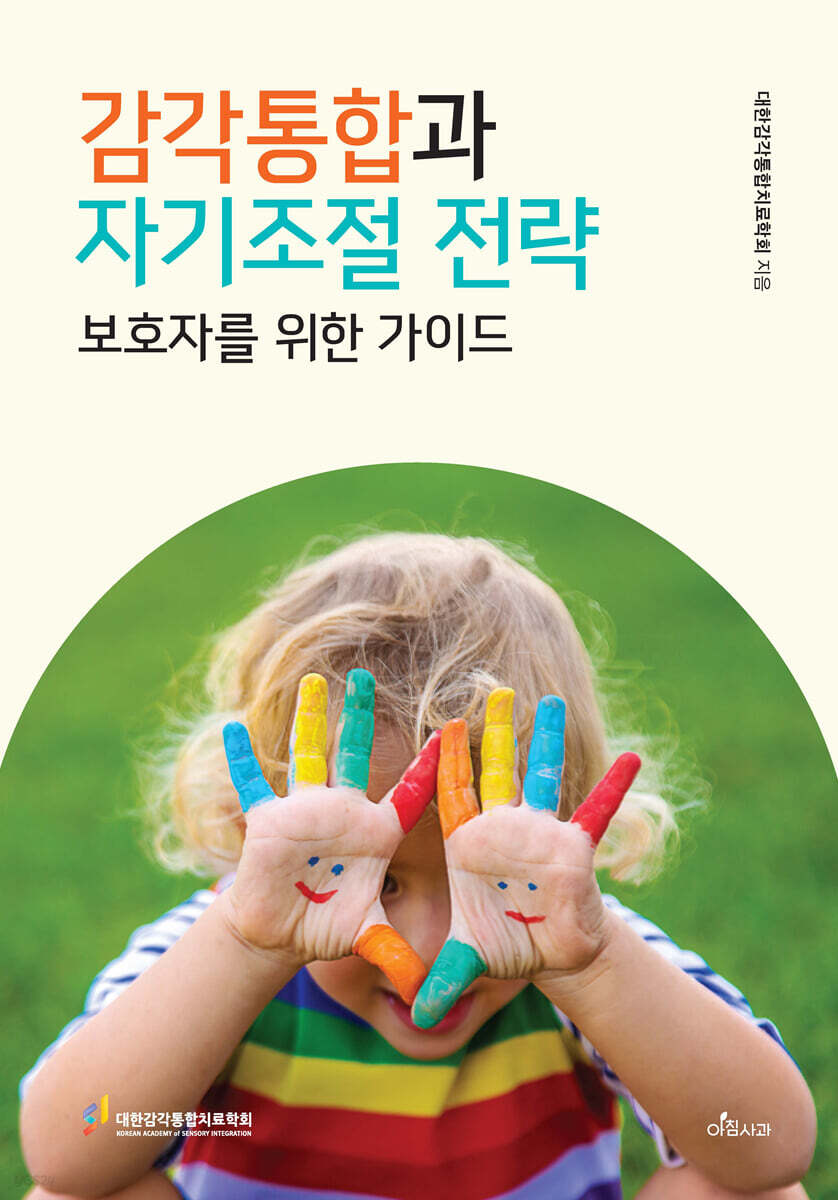
Sensory Integration and Self-Regulation Strategies [Recovery Edition]
 |
Description
Book Introduction
“Why is my child so sensitive to sound, touch, and light?”
Parents who understand their senses change their children.
The first step to changing a child's world: the power of sensory integration and self-regulation.
Children who are sensitive to sensations or exhibit repetitive problem behaviors in daily life.
The keyword ‘sensory integration’ is hidden in all of their actions.
《Sensory Integration and Self-Regulation Strategies》 is a guidebook that contains specific strategies to help children correctly understand their sensory responses and practice them in their daily lives.
It explains the functions and integration principles of eight senses, including vision, hearing, touch, proprioception, and vestibular senses, and provides detailed examples of behaviors and response methods for each type of sensory integration difficulty.
In particular, sensory diets and practical activities designed to develop self-regulation skills are practical because they can be applied directly at home and in educational settings.
The moment you understand the senses, your child's reactions begin to change.
Now it's time for parents and guardians to become their child's strong sensory coaches.
Parents who understand their senses change their children.
The first step to changing a child's world: the power of sensory integration and self-regulation.
Children who are sensitive to sensations or exhibit repetitive problem behaviors in daily life.
The keyword ‘sensory integration’ is hidden in all of their actions.
《Sensory Integration and Self-Regulation Strategies》 is a guidebook that contains specific strategies to help children correctly understand their sensory responses and practice them in their daily lives.
It explains the functions and integration principles of eight senses, including vision, hearing, touch, proprioception, and vestibular senses, and provides detailed examples of behaviors and response methods for each type of sensory integration difficulty.
In particular, sensory diets and practical activities designed to develop self-regulation skills are practical because they can be applied directly at home and in educational settings.
The moment you understand the senses, your child's reactions begin to change.
Now it's time for parents and guardians to become their child's strong sensory coaches.
- You can preview some of the book's contents.
Preview
index
Preface V
Recommendation VII
Chapter 1: Sensory Integration
What is sensory integration? 4
8 Senses 5
Chapter 2: Difficulties in Sensory Integration
Difficulty in sensory integration 16
Sensory Integration Disorder Type 19
Self-regulation 25
Chapter 3 Self-Regulation Strategies
General Strategies for Self-Regulation 34
Strategies for Special Issues 61
Strategies for Everyday Life 73
Chapter 4: Sensory Activities You Can Do at Home
Why should I play at home? 98
Proprioception 102
Vestibular sense 112
Tactile 123
Hearing 135
Time 142
Oral sensation 153
Chapter 5: Sensory Integration Assessment and Intervention
Sensory Integration Assessment 166
Sensory Integration Intervention 172
Reference 174
Recommendation VII
Chapter 1: Sensory Integration
What is sensory integration? 4
8 Senses 5
Chapter 2: Difficulties in Sensory Integration
Difficulty in sensory integration 16
Sensory Integration Disorder Type 19
Self-regulation 25
Chapter 3 Self-Regulation Strategies
General Strategies for Self-Regulation 34
Strategies for Special Issues 61
Strategies for Everyday Life 73
Chapter 4: Sensory Activities You Can Do at Home
Why should I play at home? 98
Proprioception 102
Vestibular sense 112
Tactile 123
Hearing 135
Time 142
Oral sensation 153
Chapter 5: Sensory Integration Assessment and Intervention
Sensory Integration Assessment 166
Sensory Integration Intervention 172
Reference 174
Detailed image

Into the book
The senses provide the brain with information about the environment and the body's internal state, enabling appropriate responses and actions.
At this time, no one sense is more important than the other.
It is important that all the senses work together in an integrated manner.
--- p.5
Sensory integration disorders can affect one sense or more than one sense.
These disabilities affect people's lives in many ways.
--- p.19
Self-regulation refers to an individual's ability to control their emotions and behavior.
So when exposed to unavoidable sensations, self-regulation can help children.
Self-regulation is also linked to the visceral sensory system, which provides us with information about what is happening inside our bodies.
This system signals us to take action when a problem arises.
It's the same thing with babies crying when they're hungry or sick from the moment they're born.
It's about developing a visceral sense of calling for help by crying.
--- p.25
Just as marking emotional pictures on a calendar can help children visually express and understand their emotions,
Through this learning, children develop self-regulation skills and learn to cope positively even in difficult situations.
--- p.27
Make sure you understand your child's feelings.
Children may need help from their parents or others around them in expressing their emotions.
For example, say, “You look tired” or “You look sad.”
It is also important to understand other people's emotions, so parents should not ignore their children's emotions and should share their own emotions with their children.
So, please say, “I feel upset when this happens.”
--- p.36
Now that you've identified your child's behavioral patterns and learned how to deal with them, let's explore how you can change their lifestyle.
Try making changes like this:
· Keep instructions short and simple.
Keeping instructions simple reduces the amount of information a child has to think about.
Use verbal instructions as well as gestures (pointing), signals, and objects.
And give your child time to listen to your instructions and organize his or her thoughts and actions.
The time may vary from child to child.
· Give your child enough time so he or she doesn't rush.
Rushing a child can increase their anxiety and change their coping mechanisms for sensory input.
· Reduce your child's anxiety by making activities fun and reducing pressure or demands.
· Allow your child to engage in activities in his or her own way whenever possible, when he or she is ready.
This is really important for sensory issues.
Give your children time and be patient.
· Provide a mix of difficult and easy tasks.
This will reduce the burden on the child.
--- p.37
Touch is the sensation that comes from the body, such as touch, pressure, temperature, and pain.
Touch helps us sense the world around us and is crucial for everyday activities such as play, learning, and self-care.
It also protects our bodies and allows us to perceive details of our environment.
It also has a protective function, telling you not to touch it if it is sharp or hot.
And it helps us find invisible objects by allowing us to judge and distinguish how each object is different based on detailed information.
--- p.123
How to help a child who has trouble finding or noticing touch
The goal of the activities below is to provide your child with tactile stimulation regularly throughout the day, thereby meeting his or her need for tactile stimulation, thereby reducing stimulation-seeking behavior and increasing awareness and attention to the stimulation.
--- p.130
standardized tests
The most common assessment done in hospitals and clinics for children with sensory modulation difficulties is the sensory profile.
It is conducted by having parents read the items and rate them based on the level of behavior, and this assessment can also be subjective depending on the level of interest of the evaluator.
At this time, no one sense is more important than the other.
It is important that all the senses work together in an integrated manner.
--- p.5
Sensory integration disorders can affect one sense or more than one sense.
These disabilities affect people's lives in many ways.
--- p.19
Self-regulation refers to an individual's ability to control their emotions and behavior.
So when exposed to unavoidable sensations, self-regulation can help children.
Self-regulation is also linked to the visceral sensory system, which provides us with information about what is happening inside our bodies.
This system signals us to take action when a problem arises.
It's the same thing with babies crying when they're hungry or sick from the moment they're born.
It's about developing a visceral sense of calling for help by crying.
--- p.25
Just as marking emotional pictures on a calendar can help children visually express and understand their emotions,
Through this learning, children develop self-regulation skills and learn to cope positively even in difficult situations.
--- p.27
Make sure you understand your child's feelings.
Children may need help from their parents or others around them in expressing their emotions.
For example, say, “You look tired” or “You look sad.”
It is also important to understand other people's emotions, so parents should not ignore their children's emotions and should share their own emotions with their children.
So, please say, “I feel upset when this happens.”
--- p.36
Now that you've identified your child's behavioral patterns and learned how to deal with them, let's explore how you can change their lifestyle.
Try making changes like this:
· Keep instructions short and simple.
Keeping instructions simple reduces the amount of information a child has to think about.
Use verbal instructions as well as gestures (pointing), signals, and objects.
And give your child time to listen to your instructions and organize his or her thoughts and actions.
The time may vary from child to child.
· Give your child enough time so he or she doesn't rush.
Rushing a child can increase their anxiety and change their coping mechanisms for sensory input.
· Reduce your child's anxiety by making activities fun and reducing pressure or demands.
· Allow your child to engage in activities in his or her own way whenever possible, when he or she is ready.
This is really important for sensory issues.
Give your children time and be patient.
· Provide a mix of difficult and easy tasks.
This will reduce the burden on the child.
--- p.37
Touch is the sensation that comes from the body, such as touch, pressure, temperature, and pain.
Touch helps us sense the world around us and is crucial for everyday activities such as play, learning, and self-care.
It also protects our bodies and allows us to perceive details of our environment.
It also has a protective function, telling you not to touch it if it is sharp or hot.
And it helps us find invisible objects by allowing us to judge and distinguish how each object is different based on detailed information.
--- p.123
How to help a child who has trouble finding or noticing touch
The goal of the activities below is to provide your child with tactile stimulation regularly throughout the day, thereby meeting his or her need for tactile stimulation, thereby reducing stimulation-seeking behavior and increasing awareness and attention to the stimulation.
--- p.130
standardized tests
The most common assessment done in hospitals and clinics for children with sensory modulation difficulties is the sensory profile.
It is conducted by having parents read the items and rate them based on the level of behavior, and this assessment can also be subjective depending on the level of interest of the evaluator.
--- p.170
Publisher's Review
How to help a child who is sensitive to sensory information?
Many modern parents are perplexed by their children's recurring tantrums, impulsivity, social ineptitude, and overreactions.
But it may not be a simple matter of personality or lack of discipline.
If a child has difficulty with sensory integration, the brain's ability to perceive and regulate sensations, he or she will not be able to respond appropriately to the environment and will have difficulty in daily life.
Sensory Integration and Self-Regulation Strategies is a must-read for parents seeking answers to these questions.
It details how sensory imbalances affect a child's behavior and provides practical examples that readers can deeply relate to.
A parent's guidebook filled with the expertise of sensory integration experts.
This book was co-authored by experts from the Korean Society of Sensory Integration Therapy, adding credibility and depth.
The concept of sensory integration is designed to be easily understood by readers unfamiliar with it, and covers a wide range of topics, from the types and functions of the senses to the various types of sensory integration disorders and self-regulation strategies.
In particular, strategies for improving self-regulation skills go beyond mere theory and provide practical approaches that can be implemented immediately in everyday life.
This book, rich in examples of sensory activities, spatial composition, and the use of visual aids, will serve as an excellent guide for both parents and teachers.
Each chapter is filled with practical strategies.
Chapter 1 explains the concept of sensory integration and the eight sensory systems, providing a foundation for understanding a child's sensory responses.
Chapter 2 specifically organizes the difficulties in sensory integration and the various problem behaviors that arise as a result, by type.
Chapter 3 covers very practical topics, from general strategies for improving self-regulation to everyday applications, spatial organization, and sensory diets.
Chapter 4 presents sensory activities that can be practiced at home by sensory type, so that caregivers can easily follow along.
The final chapter provides information on the assessment and intervention of sensory integration, enabling a more specialized approach.
The moment you understand your child's senses, parenting changes.
Sensory Integration and Self-Regulation Strategies is not just a book of treatment information.
This is a warm guide to deeply understanding children living in a world of senses and growing together with them.
When parents and teachers understand the principles of sensory integration and practice strategies to help children self-regulate, their children's lives change.
The practical tools and advice in this book can be applied starting today, and will serve as a foundation for your child's stable development.
Now, begin your journey of change with your child through this book.
When you understand the senses, you see the hidden messages behind your child's behavior.
And when you're ready to warmly receive that message, true growth begins.
Many modern parents are perplexed by their children's recurring tantrums, impulsivity, social ineptitude, and overreactions.
But it may not be a simple matter of personality or lack of discipline.
If a child has difficulty with sensory integration, the brain's ability to perceive and regulate sensations, he or she will not be able to respond appropriately to the environment and will have difficulty in daily life.
Sensory Integration and Self-Regulation Strategies is a must-read for parents seeking answers to these questions.
It details how sensory imbalances affect a child's behavior and provides practical examples that readers can deeply relate to.
A parent's guidebook filled with the expertise of sensory integration experts.
This book was co-authored by experts from the Korean Society of Sensory Integration Therapy, adding credibility and depth.
The concept of sensory integration is designed to be easily understood by readers unfamiliar with it, and covers a wide range of topics, from the types and functions of the senses to the various types of sensory integration disorders and self-regulation strategies.
In particular, strategies for improving self-regulation skills go beyond mere theory and provide practical approaches that can be implemented immediately in everyday life.
This book, rich in examples of sensory activities, spatial composition, and the use of visual aids, will serve as an excellent guide for both parents and teachers.
Each chapter is filled with practical strategies.
Chapter 1 explains the concept of sensory integration and the eight sensory systems, providing a foundation for understanding a child's sensory responses.
Chapter 2 specifically organizes the difficulties in sensory integration and the various problem behaviors that arise as a result, by type.
Chapter 3 covers very practical topics, from general strategies for improving self-regulation to everyday applications, spatial organization, and sensory diets.
Chapter 4 presents sensory activities that can be practiced at home by sensory type, so that caregivers can easily follow along.
The final chapter provides information on the assessment and intervention of sensory integration, enabling a more specialized approach.
The moment you understand your child's senses, parenting changes.
Sensory Integration and Self-Regulation Strategies is not just a book of treatment information.
This is a warm guide to deeply understanding children living in a world of senses and growing together with them.
When parents and teachers understand the principles of sensory integration and practice strategies to help children self-regulate, their children's lives change.
The practical tools and advice in this book can be applied starting today, and will serve as a foundation for your child's stable development.
Now, begin your journey of change with your child through this book.
When you understand the senses, you see the hidden messages behind your child's behavior.
And when you're ready to warmly receive that message, true growth begins.
GOODS SPECIFICS
- Date of issue: June 1, 2025
- Page count, weight, size: 188 pages | 150*214*20mm
- ISBN13: 9791159435041
- ISBN10: 1159435049
You may also like
카테고리
korean


korean

![GQ KOREA Mark (Monthly): December [2025]](http://librairie.coreenne.fr/cdn/shop/files/8ef265dbbfbf186523ed75ba7319009d.jpg?v=1765340328&width=3840)


