

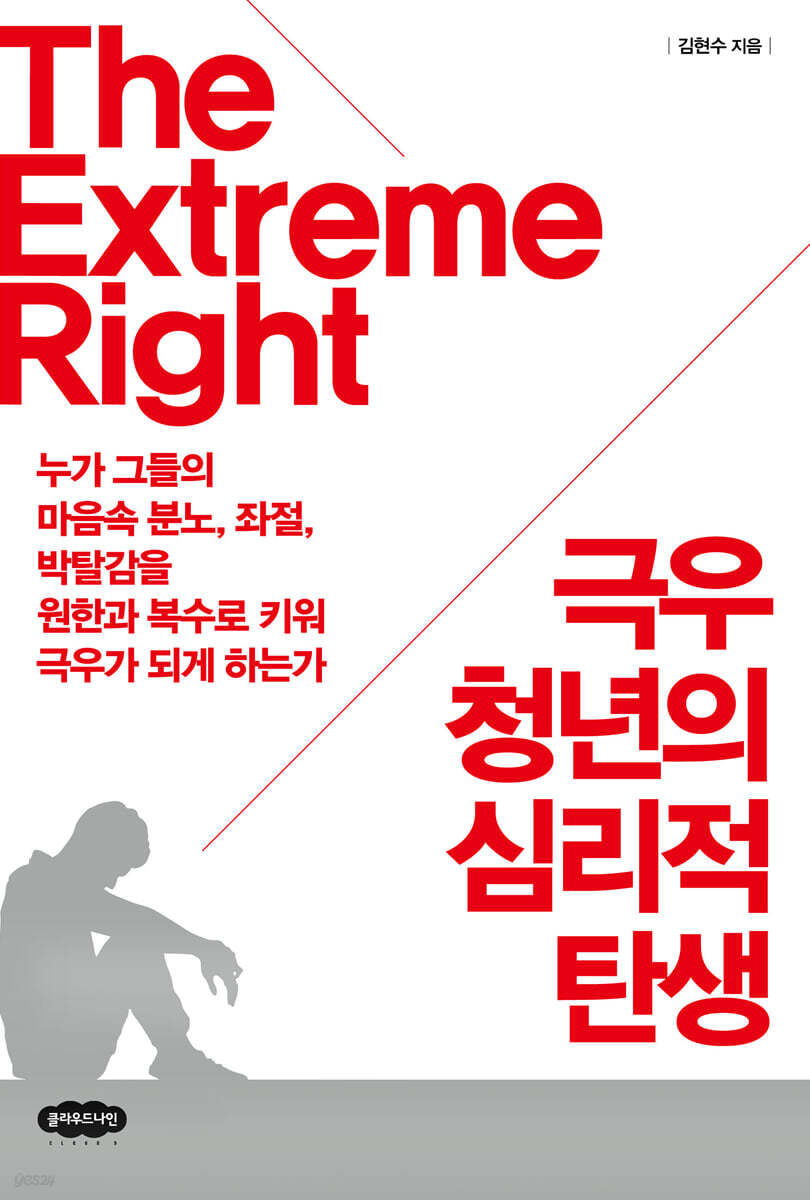
The Psychological Birth of Far-Right Youth
 |
Description
Book Introduction
What's behind the youth's shift to the right?
A field psychiatrist explores not only economic instability but also the psychological reasons behind it!
This book was written against the backdrop of new political and social crises facing Korean society, including the 'martial law attempt,' 'court raids,' and 'far-right remarks by young presidential candidates.'
After the shock of a series of far-right incidents, author psychiatrist Professor Kim Hyun-soo attempted to understand the psychological background, and this is the result of his research.
It is also a psychiatrist's observations and confessions to answer the question, "Why are Korean youth becoming more right-wing now?"
At the same time, it attempts to address the question, "How should we communicate with right-wing youth?" by providing insights into global trends, the resentment they feel due to lack of understanding, and the necessary points of understanding for dialogue.
This paper explains how theories of extreme right-wing extremism explain the emotions associated with the extreme right, such as anger, distrust, loneliness, resentment, and anxiety, that are embedded in the psychological structure of young people today.
A field psychiatrist explores not only economic instability but also the psychological reasons behind it!
This book was written against the backdrop of new political and social crises facing Korean society, including the 'martial law attempt,' 'court raids,' and 'far-right remarks by young presidential candidates.'
After the shock of a series of far-right incidents, author psychiatrist Professor Kim Hyun-soo attempted to understand the psychological background, and this is the result of his research.
It is also a psychiatrist's observations and confessions to answer the question, "Why are Korean youth becoming more right-wing now?"
At the same time, it attempts to address the question, "How should we communicate with right-wing youth?" by providing insights into global trends, the resentment they feel due to lack of understanding, and the necessary points of understanding for dialogue.
This paper explains how theories of extreme right-wing extremism explain the emotions associated with the extreme right, such as anger, distrust, loneliness, resentment, and anxiety, that are embedded in the psychological structure of young people today.
- You can preview some of the book's contents.
Preview
index
Introduction: Why Are They Moving to the Far Right?
Chapter 1: The Psychological Birth Path of Far-Right Youth
1.
From Ilbe to the right wing
Teenagers and young adults live on Ilbe and DC Inside, which are biased towards right-wing bulletin boards and broadcasts by far-right YouTubers.
2.
Listening to the voices of far-right youth
Anger and resentment in your heart lead you to the far right / You follow your friends to the far right
3.
Examining the Psychological Path to the Far Right
People become right-wing through the internet and YouTube, and they become right-wing through the proselytization and inclusion activities of pseudo-religious groups.
Chapter 2: The Feelings of a Far-Right Youth
1.
Anxiety and resentment breed revenge.
The anxiety that being pushed out means the end makes you violent / Experiences of frustration and despair breed resentment and a desire for revenge
2.
We must understand the anger of each era.
Angry young people's swords turn toward progress / Lonely voters vote for the far right
3.
Manliness is wounded and becomes right-wing
Young men feel their rights are being suppressed and they are being harmed / Young men need a place to vent their anxieties and frustrations / They are crazy about male-dominated gaming communities / They enjoy online hate and loathing as if it were a game / It's easy to join, but hard to leave
4.
There is a destructive desire for the existing order.
How the Youth Stock Market Community Became a Far-Right Community / Trump Sees Him as a Spokesperson for 2030 Men / Angry Jokes Are Becoming Actual Far-Right Actions
Chapter 3: Understanding the Far-Right Mind: Theory 1
: Status threat theory
1.
Losing one's existing status
The status of English, white, male, and Christian is under threat. / The theory of a grand change of ownership leads to discrimination and oppression. / Middle-class white men in America have become far-right due to fear of losing their status.
2.
The problem isn't reason, it's emotion.
Deep Story 1 Loss and Deprivation - We are losing America / Deep Story 2 Another Loss and Deprivation - We are losing religion and patriarchy / Deep Story 3 Anger at Contempt - I feel sick of the elite / Deep Story 4 Anger at Cutthroat - Big government is the biggest problem / Deep Story 5 A sense of alienation - We live in a completely different world / Deep Story 6 Inability to empathize - It is a problem of culture and emotions, not economics
3.
I want a return to patriarchy.
Young male workers see themselves as victims / Young men are united by the ideology of restoring masculinity
Chapter 4: Understanding the Polarization of the Mind: Theory 2
: Theory of Resentment and Weak Men
1.
Resentment in an uninclusive society breeds the far right.
Deep resentment is the emotional motivator for right-wing action / Who is driving young men to deep resentment? / Why do far-right youth target elite groups with their hatred? / Lack of care drives youth to the right.
2.
The rise of incels, far-right extremism, and weak masculinity
A competitive society where only the strong can survive belittles certain men / Weak men are relegated to a glass basement.
Chapter 5: Theory 3: Understanding the Far-Right Mind
: personality theory, repression, and identification theory
1.
Who Becomes a Far-Right Fascist
When people lose hope and feel fear, they become destructive / When the ego is weak, they become authoritarian and become fascists / Authoritarian and manipulative people become fascists
2.
Mistaking the exit for the oppressed
Crossing the moral line brings a sense of competence and thrill / Irrational oppression and authority can create far-right youth.
3.
Young people are looking for a savior in the far right.
Young people feel betrayed by hypocritical politics and fall for far-right movements. / Far-right agitators seek to be saviors or fathers. / Disheartened young people find healing in cult meetings.
4.
From victim to possessor to perpetrator
The victim identifies with the aggressor and submits / The victim becomes a collaborator through identification with the aggressor / When the victim falls into a victim mentality, they are viewed as a free rider rather than with pity.
Chapter 6: An Attempt at Understanding Korean Far-Right Youth
1.
Young people have been and still are unhappy.
The extreme rightward shift of the youth generation is becoming a global trend. / We must understand the anxiety and discontent of young people in this era of low growth. / From middle school, gender conflict and overheated competition lead to a rightward shift.
2.
I think young people have become the underdogs who are unfairly treated.
Men in their 20s feel they are being forced to pay unreasonable fees. / The pain and difficulties of men in their 20s need to be addressed in earnest.
3.
Outraged by the new social divide
The 2030 generation of men is becoming increasingly conservative. We need to become an inclusive and forward-looking society.
Chapter 7: Efforts to Prevent and Assist Youth Right-Wing Extremism
1.
We need to understand the process of youth radicalization.
We must understand the path of radicalization and suggest alternative paths. We must understand the inner socio-psychological narratives of far-right youth. We must create a hopeful ideology that can overcome resentment and anger.
2.
Let's build the strength to stand up to far-right agitation.
Right-wing YouTubers and far-right religious rallies are driving the right. / We must empower young people to develop a strong sense of self and autonomy. / We must help young people overcome the threat of being eliminated.
3.
We must have a kind and affectionate democracy.
We must educate ourselves to avoid being influenced by far-right content / We must wait as kind and compassionate democrats.
4.
Let's heal anxiety and create hope.
Society must act as a true father figure to young people. / Moral imperatives, punishments, coercion, and threats do not work on young people.
Reviews
We must start again by healing the wounds of young people.
Americas
Chapter 1: The Psychological Birth Path of Far-Right Youth
1.
From Ilbe to the right wing
Teenagers and young adults live on Ilbe and DC Inside, which are biased towards right-wing bulletin boards and broadcasts by far-right YouTubers.
2.
Listening to the voices of far-right youth
Anger and resentment in your heart lead you to the far right / You follow your friends to the far right
3.
Examining the Psychological Path to the Far Right
People become right-wing through the internet and YouTube, and they become right-wing through the proselytization and inclusion activities of pseudo-religious groups.
Chapter 2: The Feelings of a Far-Right Youth
1.
Anxiety and resentment breed revenge.
The anxiety that being pushed out means the end makes you violent / Experiences of frustration and despair breed resentment and a desire for revenge
2.
We must understand the anger of each era.
Angry young people's swords turn toward progress / Lonely voters vote for the far right
3.
Manliness is wounded and becomes right-wing
Young men feel their rights are being suppressed and they are being harmed / Young men need a place to vent their anxieties and frustrations / They are crazy about male-dominated gaming communities / They enjoy online hate and loathing as if it were a game / It's easy to join, but hard to leave
4.
There is a destructive desire for the existing order.
How the Youth Stock Market Community Became a Far-Right Community / Trump Sees Him as a Spokesperson for 2030 Men / Angry Jokes Are Becoming Actual Far-Right Actions
Chapter 3: Understanding the Far-Right Mind: Theory 1
: Status threat theory
1.
Losing one's existing status
The status of English, white, male, and Christian is under threat. / The theory of a grand change of ownership leads to discrimination and oppression. / Middle-class white men in America have become far-right due to fear of losing their status.
2.
The problem isn't reason, it's emotion.
Deep Story 1 Loss and Deprivation - We are losing America / Deep Story 2 Another Loss and Deprivation - We are losing religion and patriarchy / Deep Story 3 Anger at Contempt - I feel sick of the elite / Deep Story 4 Anger at Cutthroat - Big government is the biggest problem / Deep Story 5 A sense of alienation - We live in a completely different world / Deep Story 6 Inability to empathize - It is a problem of culture and emotions, not economics
3.
I want a return to patriarchy.
Young male workers see themselves as victims / Young men are united by the ideology of restoring masculinity
Chapter 4: Understanding the Polarization of the Mind: Theory 2
: Theory of Resentment and Weak Men
1.
Resentment in an uninclusive society breeds the far right.
Deep resentment is the emotional motivator for right-wing action / Who is driving young men to deep resentment? / Why do far-right youth target elite groups with their hatred? / Lack of care drives youth to the right.
2.
The rise of incels, far-right extremism, and weak masculinity
A competitive society where only the strong can survive belittles certain men / Weak men are relegated to a glass basement.
Chapter 5: Theory 3: Understanding the Far-Right Mind
: personality theory, repression, and identification theory
1.
Who Becomes a Far-Right Fascist
When people lose hope and feel fear, they become destructive / When the ego is weak, they become authoritarian and become fascists / Authoritarian and manipulative people become fascists
2.
Mistaking the exit for the oppressed
Crossing the moral line brings a sense of competence and thrill / Irrational oppression and authority can create far-right youth.
3.
Young people are looking for a savior in the far right.
Young people feel betrayed by hypocritical politics and fall for far-right movements. / Far-right agitators seek to be saviors or fathers. / Disheartened young people find healing in cult meetings.
4.
From victim to possessor to perpetrator
The victim identifies with the aggressor and submits / The victim becomes a collaborator through identification with the aggressor / When the victim falls into a victim mentality, they are viewed as a free rider rather than with pity.
Chapter 6: An Attempt at Understanding Korean Far-Right Youth
1.
Young people have been and still are unhappy.
The extreme rightward shift of the youth generation is becoming a global trend. / We must understand the anxiety and discontent of young people in this era of low growth. / From middle school, gender conflict and overheated competition lead to a rightward shift.
2.
I think young people have become the underdogs who are unfairly treated.
Men in their 20s feel they are being forced to pay unreasonable fees. / The pain and difficulties of men in their 20s need to be addressed in earnest.
3.
Outraged by the new social divide
The 2030 generation of men is becoming increasingly conservative. We need to become an inclusive and forward-looking society.
Chapter 7: Efforts to Prevent and Assist Youth Right-Wing Extremism
1.
We need to understand the process of youth radicalization.
We must understand the path of radicalization and suggest alternative paths. We must understand the inner socio-psychological narratives of far-right youth. We must create a hopeful ideology that can overcome resentment and anger.
2.
Let's build the strength to stand up to far-right agitation.
Right-wing YouTubers and far-right religious rallies are driving the right. / We must empower young people to develop a strong sense of self and autonomy. / We must help young people overcome the threat of being eliminated.
3.
We must have a kind and affectionate democracy.
We must educate ourselves to avoid being influenced by far-right content / We must wait as kind and compassionate democrats.
4.
Let's heal anxiety and create hope.
Society must act as a true father figure to young people. / Moral imperatives, punishments, coercion, and threats do not work on young people.
Reviews
We must start again by healing the wounds of young people.
Americas
Detailed image

Into the book
It is a reality that there is currently a global trend of far-right youth gaining power.
There are also forces that incite and fuel this trend, based on the confrontation and hatred of far-right youth, malicious incitement and destructive anger, and revenge and resentment, to explode.
I hope that my attempt to understand them will serve as a stepping stone from disgust to hope.
--- pp.5-6
Among the European intellectuals who fled to the United States to escape fascism, Theodor Adorno returned to Germany after World War II.
He made many social proposals to prevent the resurgence of fascism in German society.
He believed that fascism and the far right grew out of the wounds and scars of democracy, and that the far right emerged in society when the citizens' 'ego' was weakened.
Low growth, low birth rates, high suicide rates, and high youth unemployment are major social ills in our society today and are social changes that are causing a decline in self-esteem.
It is the result of over ten years of each person trying to survive on their own in a society of anxiety and distrust.
In this vulnerable and precarious situation, a reckless leader with a weak support base committed the dangerous act of opening the lid on far-right fascism, which had been sealed off.
And he ended up committing dangerous acts such as martial law and civil war, which we all know about.
--- pp.9-10
All teenagers and young adults who become far-right have lived in anxiety and eventually fallen into despair and ruin.
The experience remains a profound trauma.
I feel resentful, angry, and unfair because of the trauma from that time.
But there is something more difficult than that.
The fact is that at that very moment, there was no one to comfort him, hold his hand, or help him.
So, the trust of far-right youth and young adults in the existing society has been greatly broken.
Then, a major turning point occurs in the process of becoming far-right.
They no longer need or expect help.
They will only end up feeling resentful and vengeful towards the society that made them suffer.
They are disgusted by political slogans like “be kind,” “help each other,” and “be communal,” and tell us to stop lying because society is not like that.
In their view, this society is devoid of goodwill.
If there is, they say it is just packaging.
They now claim they do not want to be the object of sympathy wrapped in the good intentions of someone else.
Rather than sympathizing with such frustration, some say that a direct provocation to grow bigger and come up while being stepped on is better.
Now all that remains is resentment and revenge.
--- p.37
Norina Hertz, a British political economist and author of "The Age of Isolation," said that loneliness is a social risk and a gap that right-wing forces can exploit.
It was also said that loneliness and isolation lead to alienation, exclusion, polarization, and extremism.
It is said that when an individual is lonely, it becomes more aggressive and more inclined to perceive individuals approaching it as intruders.
Norina Hertz says, “There is brain research that shows a link between loneliness and reduced empathy.
Lonely people are wary of their surroundings and look for threats rather than trying to understand the suffering or perspectives of others.
“Loneliness is a feeling of being marginalized and powerless, of being isolated and excluded, of being deprived of one’s place and support,” he says.
Loneliness breeds disgust and creates social risks.
As loneliness deepens and isolation increases, inclusiveness also decreases.
--- p.45
In fact, the theoretical and ideological influence of far-right discourse in this process is not complicated.
It's similar to Trump's speech.
It's like a speech about making America great again, about taking back what was taken away from men, about not putting up with being treated like fools anymore, about how men were originally courageous beings but have become miserable over the course of history.
The ideologies that far-right discourse emphasizes to young people are anti-elite, anti-women, and racist.
Among these, we can gradually address where teenagers and young adults place their values.
Some far-right youth are more misogynistic, while others are more anti-elitist or PC-centric.
Or there are teenagers who are more sensitive to racial issues.
What they have in common is a strong feeling that they are being deprived of rights that were originally theirs.
Sometimes, they blame all the misfortunes of their youth on the left, women, elites, teachers, and parents, and project their expanded feelings of anger and resentment onto the process of radicalization.
For them, this reclamation, this restoration of narcissistic wounds, is a healing to restore their original, perfect self.
So there are young people who say they have been healed through far-right activities.
--- p.49
To men in their 20s and 30s, Trump seemed like their sole representative. As PCism created a social climate that tabooed even sound criticism of race and gender issues, men in their 20s and 30s turned their backs on the left, claiming it suppressed their freedom of expression.
And they took the 'charismatic macho hero' Elon Musk as their role model.
They sympathized with Musk's outrage at hedge funds and short sellers, whom he called "uninformed elitist."
The 'GameStop incident' broke out against this backdrop.
Nathaniel Popper's perspective that young American men attempted to overcome their despair and futility about society and their own lives through investment behavior could serve as a benchmark for understanding our youth.
There are also forces that incite and fuel this trend, based on the confrontation and hatred of far-right youth, malicious incitement and destructive anger, and revenge and resentment, to explode.
I hope that my attempt to understand them will serve as a stepping stone from disgust to hope.
--- pp.5-6
Among the European intellectuals who fled to the United States to escape fascism, Theodor Adorno returned to Germany after World War II.
He made many social proposals to prevent the resurgence of fascism in German society.
He believed that fascism and the far right grew out of the wounds and scars of democracy, and that the far right emerged in society when the citizens' 'ego' was weakened.
Low growth, low birth rates, high suicide rates, and high youth unemployment are major social ills in our society today and are social changes that are causing a decline in self-esteem.
It is the result of over ten years of each person trying to survive on their own in a society of anxiety and distrust.
In this vulnerable and precarious situation, a reckless leader with a weak support base committed the dangerous act of opening the lid on far-right fascism, which had been sealed off.
And he ended up committing dangerous acts such as martial law and civil war, which we all know about.
--- pp.9-10
All teenagers and young adults who become far-right have lived in anxiety and eventually fallen into despair and ruin.
The experience remains a profound trauma.
I feel resentful, angry, and unfair because of the trauma from that time.
But there is something more difficult than that.
The fact is that at that very moment, there was no one to comfort him, hold his hand, or help him.
So, the trust of far-right youth and young adults in the existing society has been greatly broken.
Then, a major turning point occurs in the process of becoming far-right.
They no longer need or expect help.
They will only end up feeling resentful and vengeful towards the society that made them suffer.
They are disgusted by political slogans like “be kind,” “help each other,” and “be communal,” and tell us to stop lying because society is not like that.
In their view, this society is devoid of goodwill.
If there is, they say it is just packaging.
They now claim they do not want to be the object of sympathy wrapped in the good intentions of someone else.
Rather than sympathizing with such frustration, some say that a direct provocation to grow bigger and come up while being stepped on is better.
Now all that remains is resentment and revenge.
--- p.37
Norina Hertz, a British political economist and author of "The Age of Isolation," said that loneliness is a social risk and a gap that right-wing forces can exploit.
It was also said that loneliness and isolation lead to alienation, exclusion, polarization, and extremism.
It is said that when an individual is lonely, it becomes more aggressive and more inclined to perceive individuals approaching it as intruders.
Norina Hertz says, “There is brain research that shows a link between loneliness and reduced empathy.
Lonely people are wary of their surroundings and look for threats rather than trying to understand the suffering or perspectives of others.
“Loneliness is a feeling of being marginalized and powerless, of being isolated and excluded, of being deprived of one’s place and support,” he says.
Loneliness breeds disgust and creates social risks.
As loneliness deepens and isolation increases, inclusiveness also decreases.
--- p.45
In fact, the theoretical and ideological influence of far-right discourse in this process is not complicated.
It's similar to Trump's speech.
It's like a speech about making America great again, about taking back what was taken away from men, about not putting up with being treated like fools anymore, about how men were originally courageous beings but have become miserable over the course of history.
The ideologies that far-right discourse emphasizes to young people are anti-elite, anti-women, and racist.
Among these, we can gradually address where teenagers and young adults place their values.
Some far-right youth are more misogynistic, while others are more anti-elitist or PC-centric.
Or there are teenagers who are more sensitive to racial issues.
What they have in common is a strong feeling that they are being deprived of rights that were originally theirs.
Sometimes, they blame all the misfortunes of their youth on the left, women, elites, teachers, and parents, and project their expanded feelings of anger and resentment onto the process of radicalization.
For them, this reclamation, this restoration of narcissistic wounds, is a healing to restore their original, perfect self.
So there are young people who say they have been healed through far-right activities.
--- p.49
To men in their 20s and 30s, Trump seemed like their sole representative. As PCism created a social climate that tabooed even sound criticism of race and gender issues, men in their 20s and 30s turned their backs on the left, claiming it suppressed their freedom of expression.
And they took the 'charismatic macho hero' Elon Musk as their role model.
They sympathized with Musk's outrage at hedge funds and short sellers, whom he called "uninformed elitist."
The 'GameStop incident' broke out against this backdrop.
Nathaniel Popper's perspective that young American men attempted to overcome their despair and futility about society and their own lives through investment behavior could serve as a benchmark for understanding our youth.
--- p.59
Publisher's Review
Why are some young people becoming far-right?
What do our youth have in common and what are their differences from that trend?
What are the changing times? This story explores how some young men experience, understand, and cope with the end of patriarchy, racial diversity, and the collapse of the job market, exploring themes such as status threat theory, social resentment, and unconscious identification with perpetrators.
In exploring the land of the right to explore a society becoming more extreme, Hochschild also argued that extreme right-wing extremism is not simply an economic problem, exploring how anxiety over deprivation and alienation, not only economic but also cultural and emotional, transforms religion and community.
This book addresses what is different about the right-wing shift among Korean youth and what it tells us.
In his clinic, the author meets young South Korean men who complain of reverse discrimination along with the destructive desires of young people who wish for the destruction of society, and the theory of weak masculinity.
It also tells the stories of young men who define Korean society as unfair and express their grievances while hating hypocrisy more than evil.
At the same time, we explore the mechanisms by which the hatred of right-wing youth is directed at elites, women, and immigrants.
We need to understand that the world of young people living in a low-growth society rather than a high-growth one and who are likely to be poorer than their parents is by no means a happy one, and that some men, among them, feel a great sense of threat that they will not be able to remain in the middle class.
Where will these men's anger and discontent be directed? And what political choices will they make, driven by their anger and resentment at the perceived betrayal of the progressives in youth employment and the hereditary succession of the middle class?
Knowing the structural origins and psychological path of youth right-wing shift
We must build an alternative with a warm and kind democracy!
Starting from the Internet, YouTube, and communities, analyzing the structure and path of various right-wing psychological processes, including emotions such as resentment, anger, and loneliness, and threats to status, we must understand the entrances and exits and the psychological mechanisms of the process to prevent and intervene in serious right-wing extremism.
The book also discusses social measures to prevent extremism.
We argue for a compassionate democracy that understands the psychology of young people, supports necessary measures, and can warmly address negative emotions.
Book structure
The content consists of a total of 6 chapters and unfolds as follows.
Chapter 1 discusses the process of becoming an extreme right-wing youth, from Ilbe to becoming an extreme right-wing YouTuber, and the influence of social experiences and communities, as well as the extreme right-wing incubation center.
Chapter 2 deals with the feelings of far-right youth.
It addresses the importance of understanding emotions in the far-right movement beyond economic issues, addressing anxiety, resentment, anger, loneliness, and destructive desires.
Chapter 3 explains the major axis of the theory of extreme right-wing extremism, the theory of status threat, and deals with the position on the maintenance of right-wing extremism and patriarchy as a reaction to new changes.
Chapter 4 discusses the theory of weak masculinity, which understands an unfair society with unresolved social resentment and a society of reverse discrimination against men.
It talks about the distortion of the male world with the emergence of incel groups in the male world.
Chapter 5 explores the deep psychological background of far-right youth through psychoanalytic perspectives related to right-wing extremism, including authoritarian nature, liberation from oppressive psychological structures, the search for a savior, and identification with the perpetrator.
Chapter 6 attempts to understand, however fragmentarily, the extreme right-wing extremism among Korean youth, and Chapter 7 contains suggestions for social activities and measures to prevent extreme right-wing extremism.
What do our youth have in common and what are their differences from that trend?
What are the changing times? This story explores how some young men experience, understand, and cope with the end of patriarchy, racial diversity, and the collapse of the job market, exploring themes such as status threat theory, social resentment, and unconscious identification with perpetrators.
In exploring the land of the right to explore a society becoming more extreme, Hochschild also argued that extreme right-wing extremism is not simply an economic problem, exploring how anxiety over deprivation and alienation, not only economic but also cultural and emotional, transforms religion and community.
This book addresses what is different about the right-wing shift among Korean youth and what it tells us.
In his clinic, the author meets young South Korean men who complain of reverse discrimination along with the destructive desires of young people who wish for the destruction of society, and the theory of weak masculinity.
It also tells the stories of young men who define Korean society as unfair and express their grievances while hating hypocrisy more than evil.
At the same time, we explore the mechanisms by which the hatred of right-wing youth is directed at elites, women, and immigrants.
We need to understand that the world of young people living in a low-growth society rather than a high-growth one and who are likely to be poorer than their parents is by no means a happy one, and that some men, among them, feel a great sense of threat that they will not be able to remain in the middle class.
Where will these men's anger and discontent be directed? And what political choices will they make, driven by their anger and resentment at the perceived betrayal of the progressives in youth employment and the hereditary succession of the middle class?
Knowing the structural origins and psychological path of youth right-wing shift
We must build an alternative with a warm and kind democracy!
Starting from the Internet, YouTube, and communities, analyzing the structure and path of various right-wing psychological processes, including emotions such as resentment, anger, and loneliness, and threats to status, we must understand the entrances and exits and the psychological mechanisms of the process to prevent and intervene in serious right-wing extremism.
The book also discusses social measures to prevent extremism.
We argue for a compassionate democracy that understands the psychology of young people, supports necessary measures, and can warmly address negative emotions.
Book structure
The content consists of a total of 6 chapters and unfolds as follows.
Chapter 1 discusses the process of becoming an extreme right-wing youth, from Ilbe to becoming an extreme right-wing YouTuber, and the influence of social experiences and communities, as well as the extreme right-wing incubation center.
Chapter 2 deals with the feelings of far-right youth.
It addresses the importance of understanding emotions in the far-right movement beyond economic issues, addressing anxiety, resentment, anger, loneliness, and destructive desires.
Chapter 3 explains the major axis of the theory of extreme right-wing extremism, the theory of status threat, and deals with the position on the maintenance of right-wing extremism and patriarchy as a reaction to new changes.
Chapter 4 discusses the theory of weak masculinity, which understands an unfair society with unresolved social resentment and a society of reverse discrimination against men.
It talks about the distortion of the male world with the emergence of incel groups in the male world.
Chapter 5 explores the deep psychological background of far-right youth through psychoanalytic perspectives related to right-wing extremism, including authoritarian nature, liberation from oppressive psychological structures, the search for a savior, and identification with the perpetrator.
Chapter 6 attempts to understand, however fragmentarily, the extreme right-wing extremism among Korean youth, and Chapter 7 contains suggestions for social activities and measures to prevent extreme right-wing extremism.
GOODS SPECIFICS
- Date of issue: June 10, 2025
- Page count, weight, size: 220 pages | 152*225*20mm
- ISBN13: 9791194534266
- ISBN10: 1194534260
You may also like
카테고리
korean


korean

![GQ KOREA Mark (Monthly): December [2025]](http://librairie.coreenne.fr/cdn/shop/files/8ef265dbbfbf186523ed75ba7319009d.jpg?v=1765340328&width=3840)


