

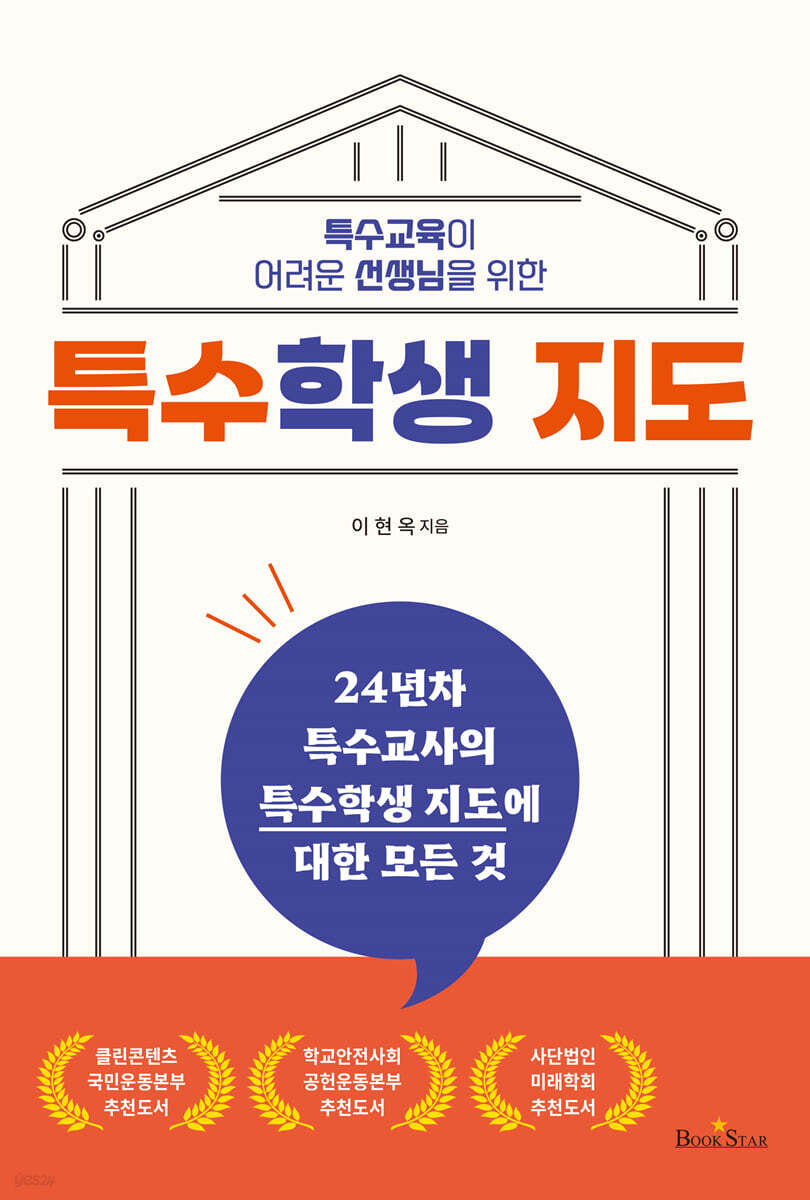
Special education student guidance
 |
Description
Book Introduction
The disabilities of special education students are becoming increasingly severe.
Even students with emotional disorders and schizophrenia are enrolled in special classes.
In addition, the number of special education teachers attending psychiatry departments is also increasing.
There are many teachers who transfer schools after going through the school authority review committee because they were beaten by students with autism due to their violent behavior.
What about parents?
Without the recognition that they are collaborators who will work together to educate, they do not trust special education teachers and send their children with activity assistants or record them.
My child has a disability, so he or she must be given unconditional consideration.
Sometimes, they treat the child as a caregiver rather than an educator, saying that the special education teacher must help with every action.
It's hard to find a balance between work and rest when you're constantly contacted, whether it's long after work hours, early in the morning, or on weekends.
And how are the managers treated?
The cry of a special education teacher who said that if he had known that bullying would happen like this, he would not have become a special education teacher in the first place is not in vain.
Who will understand the tears shed by special education teachers who, in a minority position, represent a minority of children and endure disadvantages?
Since our positions are different, I don't think we can understand.
In this situation, special education teachers suffer every day.
I wanted to live.
I wanted to save him.
I wrote this book because I wanted to save them, under the pressure that we, as special education teachers, are under to do everything.
Even students with emotional disorders and schizophrenia are enrolled in special classes.
In addition, the number of special education teachers attending psychiatry departments is also increasing.
There are many teachers who transfer schools after going through the school authority review committee because they were beaten by students with autism due to their violent behavior.
What about parents?
Without the recognition that they are collaborators who will work together to educate, they do not trust special education teachers and send their children with activity assistants or record them.
My child has a disability, so he or she must be given unconditional consideration.
Sometimes, they treat the child as a caregiver rather than an educator, saying that the special education teacher must help with every action.
It's hard to find a balance between work and rest when you're constantly contacted, whether it's long after work hours, early in the morning, or on weekends.
And how are the managers treated?
The cry of a special education teacher who said that if he had known that bullying would happen like this, he would not have become a special education teacher in the first place is not in vain.
Who will understand the tears shed by special education teachers who, in a minority position, represent a minority of children and endure disadvantages?
Since our positions are different, I don't think we can understand.
In this situation, special education teachers suffer every day.
I wanted to live.
I wanted to save him.
I wrote this book because I wanted to save them, under the pressure that we, as special education teachers, are under to do everything.
- You can preview some of the book's contents.
Preview
index
preface
Chapter 1.
When it's like this at school? When? Like this!
1.
Problem Behavior Guidance
ㆍDisruptive behavior during class.
ㆍThey yell at me, saying I am not qualified to be a teacher.
ㆍHe swung a cutter knife, saying he was angry.
ㆍRejects change and rebels in the integrated class.
ㆍSneak your friend's stuff.
2.
Improved social skills
ㆍNot a single word is said in the integrated class.
ㆍHe creates problems by interfering with everything.
ㆍImitates swear words or bad behavior.
ㆍI don't know what to say to my friends.
3.
Independence is the goal!
ㆍTeach you how to speak.
ㆍPractice on your own
ㆍToday I am the main character
How to Use Digital Devices Wisely
Chapter 2.
Friends are the best? It's difficult.
1.
Get along well
ㆍPlease also scold children in special classes.
ㆍI don't know what you're talking about.
ㆍIt is a meaningful experience for you too.
2.
Dealing with Conflict Situations
ㆍMake special class friends do bad things.
ㆍI'm very stressed because of a friend who curses and yells at me.
ㆍSometimes waiting is necessary.
3.
Disability Awareness Training
ㆍPlease let us know about the possibilities of people with disabilities.
ㆍGive them the experience of speaking and writing for themselves.
ㆍUse your children's interests.
Chapter 3.
Collaboration with parents is important
1.
Class Guide Conversation Method
ㆍShare the educational focus of each year.
ㆍPlease show me the special class classes.
ㆍYou also need to have a secret meeting with your parents.
ㆍConversation methods also differ depending on the parenting style of the parents.
2.
Captivating Parents with Special Education Classes' Key Lessons
ㆍPlease provide study materials for the integrated class.
ㆍIt develops students' strengths.
ㆍPlease help us read and participate in the world.
ㆍSpecial tasks are needed at home.
3.
Problem situation mediation
Parents who want their children to be on their side unconditionally
ㆍDo you want a full-time special class?
ㆍPlease do everything for me.
ㆍYour child is not the only one going through puberty.
Chapter 4.
Inclusive education is all about teacher competency
1.
The role of the homeroom teacher
ㆍThey said they took us on a field trip and received complaints.
ㆍI became estranged from my classmates because of my child in a special education class.
ㆍMy child is excluded from field trips and sports competitions.
ㆍThe class atmosphere has deteriorated because of the special education students.
2.
subject teacher
ㆍWhy is a special education child in my class?
ㆍIt's so sad that a child is completely integrated. Is there no alternative?
ㆍStudents with emotional problems are also eligible for special education.
ㆍI have a conflict with a fellow teacher.
3.
There is a need to improve the awareness of managers.
ㆍPlease take charge of general tasks.
ㆍI became a victim of bullying, not just bullying.
ㆍThere is a serious conflict with special education support personnel.
In conclusion
Chapter 1.
When it's like this at school? When? Like this!
1.
Problem Behavior Guidance
ㆍDisruptive behavior during class.
ㆍThey yell at me, saying I am not qualified to be a teacher.
ㆍHe swung a cutter knife, saying he was angry.
ㆍRejects change and rebels in the integrated class.
ㆍSneak your friend's stuff.
2.
Improved social skills
ㆍNot a single word is said in the integrated class.
ㆍHe creates problems by interfering with everything.
ㆍImitates swear words or bad behavior.
ㆍI don't know what to say to my friends.
3.
Independence is the goal!
ㆍTeach you how to speak.
ㆍPractice on your own
ㆍToday I am the main character
How to Use Digital Devices Wisely
Chapter 2.
Friends are the best? It's difficult.
1.
Get along well
ㆍPlease also scold children in special classes.
ㆍI don't know what you're talking about.
ㆍIt is a meaningful experience for you too.
2.
Dealing with Conflict Situations
ㆍMake special class friends do bad things.
ㆍI'm very stressed because of a friend who curses and yells at me.
ㆍSometimes waiting is necessary.
3.
Disability Awareness Training
ㆍPlease let us know about the possibilities of people with disabilities.
ㆍGive them the experience of speaking and writing for themselves.
ㆍUse your children's interests.
Chapter 3.
Collaboration with parents is important
1.
Class Guide Conversation Method
ㆍShare the educational focus of each year.
ㆍPlease show me the special class classes.
ㆍYou also need to have a secret meeting with your parents.
ㆍConversation methods also differ depending on the parenting style of the parents.
2.
Captivating Parents with Special Education Classes' Key Lessons
ㆍPlease provide study materials for the integrated class.
ㆍIt develops students' strengths.
ㆍPlease help us read and participate in the world.
ㆍSpecial tasks are needed at home.
3.
Problem situation mediation
Parents who want their children to be on their side unconditionally
ㆍDo you want a full-time special class?
ㆍPlease do everything for me.
ㆍYour child is not the only one going through puberty.
Chapter 4.
Inclusive education is all about teacher competency
1.
The role of the homeroom teacher
ㆍThey said they took us on a field trip and received complaints.
ㆍI became estranged from my classmates because of my child in a special education class.
ㆍMy child is excluded from field trips and sports competitions.
ㆍThe class atmosphere has deteriorated because of the special education students.
2.
subject teacher
ㆍWhy is a special education child in my class?
ㆍIt's so sad that a child is completely integrated. Is there no alternative?
ㆍStudents with emotional problems are also eligible for special education.
ㆍI have a conflict with a fellow teacher.
3.
There is a need to improve the awareness of managers.
ㆍPlease take charge of general tasks.
ㆍI became a victim of bullying, not just bullying.
ㆍThere is a serious conflict with special education support personnel.
In conclusion
Publisher's Review
I am a special education teacher.
I entered the special education department with the intention of becoming someone who can help people with disabilities.
Before that, I had rarely met anyone with a disability and had little idea what types of disabilities there were.
Although the disabled person is physically and mentally disabled, I thought it would be good if I could help them.
So, I was first assigned to a special school after only learning about the theory of disabilities.
They were children who were difficult to teach and didn't speak English, but they were cute in their own way.
The children were lovely, but their education was not easy.
There were a lot of problem behaviors and each child had different things to teach.
Once I taught it to them, they quickly forgot it, so I had to teach it over and over again.
Every evening, I stayed at school and studied how I could teach the children one more thing.
I've been thinking and thinking with my fellow teachers about how to solve problem behaviors.
Three years passed like that.
I was getting hit by disabled children, cleaning up after them, and all my worries piled up when I suddenly thought of this.
“This is not my path.
“I have to quit.” It wasn’t easy to find the sense of accomplishment I valued among students who didn’t change much and parents who were even more difficult.
I thought things might get better if the environment changed.
I moved him to a special class.
But special classes in regular schools were no joke either.
I had to fight against the prejudice of not only disabled children and their parents, but also general teachers and the narrow-minded views of administrators.
I made a resolution to myself to teach the children I was responsible for with all my heart this year, but 24 years have already passed since I've been worrying about it.
I used to think I would be too old to quit when I turned 40, but I still spend my days wrestling with children with disabilities.
Still, I was able to persevere because I believed that the prejudice against people with disabilities was changing through my efforts and education.
A while ago, I had a chance to have a meal with some junior special education teachers.
Now I thought the hardships of being a special education teacher had eased a little.
But the junior teacher's anecdote was so surprising.
The math teacher asked a special education student why he was in class.
We were informed that the rule is to have one hour of integrated class time for performance evaluation and student identification.
Then he got angry and said, "How can something like that exist?"
He scolded the child, telling him to hurry up and take the child to a special class so that he could take care of his own performance evaluation.
It was a repeat of the situation that had hurt and made me cry over ten years ago.
It was only then that I realized it, seeing the teacher's response to the words without any difference in meaning.
“Nothing has changed.
As I got older and gained experience, they just stopped messing with me.
“Such an unfair situation continues to exist for teachers with little experience.” I could only lower my head as I looked at my junior teacher.
As a senior, I tried to change even a little, but nothing changed.
I was so heartbroken and sorry.
The disabilities of special education students are becoming increasingly severe.
Even students with emotional disorders and schizophrenia are enrolled in special classes.
In addition, the number of special education teachers attending psychiatry departments is also increasing.
There are many teachers who transfer schools after going through the school authority review committee because they were beaten by students with autism due to their violent behavior.
What about parents?
Without the recognition that they are collaborators who will work together to educate, they do not trust special education teachers and send their children with activity assistants or record them.
My child has a disability, so he or she must be given unconditional consideration.
Sometimes, they treat the child as a caregiver rather than an educator, saying that the special education teacher must help with every action.
It's hard to find a balance between work and rest when you're constantly contacted, whether it's long after work hours, early in the morning, or on weekends.
And how are the managers treated?
The cry of a special education teacher who said that if he had known that bullying would happen like this, he would not have become a special education teacher in the first place is not in vain.
Who will understand the tears shed by special education teachers who, in a minority position, represent a minority of children and endure disadvantages?
Since our positions are different, I don't think we can understand.
In this situation, special education teachers suffer every day.
I wanted to live.
I wanted to save him.
I wrote this book because I wanted to save them, under the pressure that we, as special education teachers, are under to do everything.
I also recommend it to general teachers who have been misunderstood as neglecting special education.
It was difficult because I had not learned it and it was unfamiliar.
I thought that a special education teacher, who was an expert, would be able to teach better.
However, I cannot avoid meeting special education students in my classes, in a classroom without a special education teacher.
So I wanted to share how a special education teacher, an expert, uses it.
I would like to share with you how to treat your beloved disciples with pure and clear souls.
Professor Jeong Jae-seung says this on Instagram:
“The world we must create is one where people with disabilities are not treated as objects to be treated with warm technology or as objects to be treated with warm technology, but rather a society where disability does not cause inconvenience.”
We wholeheartedly support you, the special education teacher, who is taking each step forward with sincerity and effort for such a society.
Let's survive.
Let's live today with all our might.
I entered the special education department with the intention of becoming someone who can help people with disabilities.
Before that, I had rarely met anyone with a disability and had little idea what types of disabilities there were.
Although the disabled person is physically and mentally disabled, I thought it would be good if I could help them.
So, I was first assigned to a special school after only learning about the theory of disabilities.
They were children who were difficult to teach and didn't speak English, but they were cute in their own way.
The children were lovely, but their education was not easy.
There were a lot of problem behaviors and each child had different things to teach.
Once I taught it to them, they quickly forgot it, so I had to teach it over and over again.
Every evening, I stayed at school and studied how I could teach the children one more thing.
I've been thinking and thinking with my fellow teachers about how to solve problem behaviors.
Three years passed like that.
I was getting hit by disabled children, cleaning up after them, and all my worries piled up when I suddenly thought of this.
“This is not my path.
“I have to quit.” It wasn’t easy to find the sense of accomplishment I valued among students who didn’t change much and parents who were even more difficult.
I thought things might get better if the environment changed.
I moved him to a special class.
But special classes in regular schools were no joke either.
I had to fight against the prejudice of not only disabled children and their parents, but also general teachers and the narrow-minded views of administrators.
I made a resolution to myself to teach the children I was responsible for with all my heart this year, but 24 years have already passed since I've been worrying about it.
I used to think I would be too old to quit when I turned 40, but I still spend my days wrestling with children with disabilities.
Still, I was able to persevere because I believed that the prejudice against people with disabilities was changing through my efforts and education.
A while ago, I had a chance to have a meal with some junior special education teachers.
Now I thought the hardships of being a special education teacher had eased a little.
But the junior teacher's anecdote was so surprising.
The math teacher asked a special education student why he was in class.
We were informed that the rule is to have one hour of integrated class time for performance evaluation and student identification.
Then he got angry and said, "How can something like that exist?"
He scolded the child, telling him to hurry up and take the child to a special class so that he could take care of his own performance evaluation.
It was a repeat of the situation that had hurt and made me cry over ten years ago.
It was only then that I realized it, seeing the teacher's response to the words without any difference in meaning.
“Nothing has changed.
As I got older and gained experience, they just stopped messing with me.
“Such an unfair situation continues to exist for teachers with little experience.” I could only lower my head as I looked at my junior teacher.
As a senior, I tried to change even a little, but nothing changed.
I was so heartbroken and sorry.
The disabilities of special education students are becoming increasingly severe.
Even students with emotional disorders and schizophrenia are enrolled in special classes.
In addition, the number of special education teachers attending psychiatry departments is also increasing.
There are many teachers who transfer schools after going through the school authority review committee because they were beaten by students with autism due to their violent behavior.
What about parents?
Without the recognition that they are collaborators who will work together to educate, they do not trust special education teachers and send their children with activity assistants or record them.
My child has a disability, so he or she must be given unconditional consideration.
Sometimes, they treat the child as a caregiver rather than an educator, saying that the special education teacher must help with every action.
It's hard to find a balance between work and rest when you're constantly contacted, whether it's long after work hours, early in the morning, or on weekends.
And how are the managers treated?
The cry of a special education teacher who said that if he had known that bullying would happen like this, he would not have become a special education teacher in the first place is not in vain.
Who will understand the tears shed by special education teachers who, in a minority position, represent a minority of children and endure disadvantages?
Since our positions are different, I don't think we can understand.
In this situation, special education teachers suffer every day.
I wanted to live.
I wanted to save him.
I wrote this book because I wanted to save them, under the pressure that we, as special education teachers, are under to do everything.
I also recommend it to general teachers who have been misunderstood as neglecting special education.
It was difficult because I had not learned it and it was unfamiliar.
I thought that a special education teacher, who was an expert, would be able to teach better.
However, I cannot avoid meeting special education students in my classes, in a classroom without a special education teacher.
So I wanted to share how a special education teacher, an expert, uses it.
I would like to share with you how to treat your beloved disciples with pure and clear souls.
Professor Jeong Jae-seung says this on Instagram:
“The world we must create is one where people with disabilities are not treated as objects to be treated with warm technology or as objects to be treated with warm technology, but rather a society where disability does not cause inconvenience.”
We wholeheartedly support you, the special education teacher, who is taking each step forward with sincerity and effort for such a society.
Let's survive.
Let's live today with all our might.
GOODS SPECIFICS
- Date of issue: February 28, 2025
- Page count, weight, size: 296 pages | 546g | 152*225*20mm
- ISBN13: 9791188768912
- ISBN10: 1188768913
You may also like
카테고리
korean


korean

![GQ KOREA Mark (Monthly): December [2025]](http://librairie.coreenne.fr/cdn/shop/files/8ef265dbbfbf186523ed75ba7319009d.jpg?v=1765340328&width=3840)


