

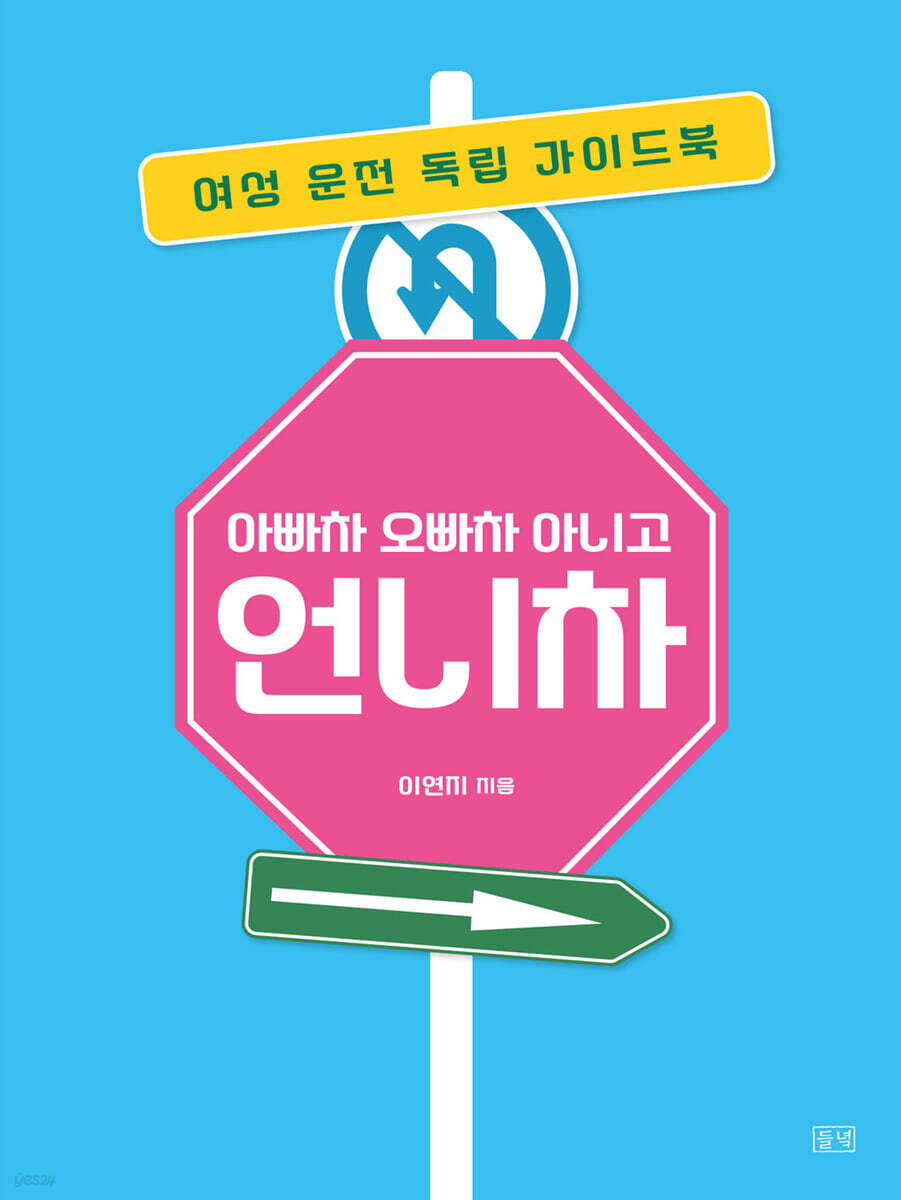
Not dad's car, not brother's car, but sister's car
 |
Description
Book Introduction
“I want women to be able to go on adventures wherever they want to go.
I hope I can leave and come back whenever I want.
It's not too late.
“Whether it’s today or tomorrow, if you leave, that’s when it starts.”
-From the author's note
A woman who drives goes everywhere!
“We can all be cool driving sisters.”
From registering for a driving school to purchasing a car, every moment a woman gets behind the wheel, the world becomes colder.
The road is a space where even novice drivers face obstacles that men do not have to experience or would not have experienced.
To gain mobility through driving, women must learn to drive 'on their own' and experience accident knowledge firsthand.
Asking your family about things you don't know doesn't make you feel better.
With "Not Dad's Car, Not Oppa's Car, Not Sister's Car," you can learn everything about cars and roads without having to go a long way or experience them firsthand.
You can learn in detail about complex signal systems, road types, signs, and even fault rates that can be useful in case of an accident.
The author is the planner of the ‘Sister’s Car Project.’
'Unnie Car' is a project for women who drive themselves instead of getting a ride from 'Oppa Car' or 'Dad Car'.
In early 2020, it was selected for the Ministry of Gender Equality and Family's Youth Gender Equality Culture Promotion Team project, and even after the support period ended, it continues to operate programs such as light maintenance classes, car wash meetings, accident response methods, safe driving, and 'My Car Management Workshop'.
Unnicha aims for women's independence and coexistence and advocates for the 'right to independent movement.'
This refers to the power to leave and return to wherever you want, whenever you want.
Freedom restricted by last train times and public transportation.
If we regain that freedom, we can enjoy happiness on our own without relying on others and without the temporal and physical constraints of public transportation.
The book argues that driving expands women's independence.
Unnicha has been working with women to enable them to live independent lives and develop.
Even now, she constantly communicates with her over 30,000 social media followers, sharing stories about cars and connecting with women interested in driving independently.
We have also been providing education to help middle-aged and older women achieve independence in their mobility.
The journey of the past five years, driving knowledge, road information, and all the stories are included in 『Dad's Car, Not Oppa's Car, But Unnie's Car』.
I hope I can leave and come back whenever I want.
It's not too late.
“Whether it’s today or tomorrow, if you leave, that’s when it starts.”
-From the author's note
A woman who drives goes everywhere!
“We can all be cool driving sisters.”
From registering for a driving school to purchasing a car, every moment a woman gets behind the wheel, the world becomes colder.
The road is a space where even novice drivers face obstacles that men do not have to experience or would not have experienced.
To gain mobility through driving, women must learn to drive 'on their own' and experience accident knowledge firsthand.
Asking your family about things you don't know doesn't make you feel better.
With "Not Dad's Car, Not Oppa's Car, Not Sister's Car," you can learn everything about cars and roads without having to go a long way or experience them firsthand.
You can learn in detail about complex signal systems, road types, signs, and even fault rates that can be useful in case of an accident.
The author is the planner of the ‘Sister’s Car Project.’
'Unnie Car' is a project for women who drive themselves instead of getting a ride from 'Oppa Car' or 'Dad Car'.
In early 2020, it was selected for the Ministry of Gender Equality and Family's Youth Gender Equality Culture Promotion Team project, and even after the support period ended, it continues to operate programs such as light maintenance classes, car wash meetings, accident response methods, safe driving, and 'My Car Management Workshop'.
Unnicha aims for women's independence and coexistence and advocates for the 'right to independent movement.'
This refers to the power to leave and return to wherever you want, whenever you want.
Freedom restricted by last train times and public transportation.
If we regain that freedom, we can enjoy happiness on our own without relying on others and without the temporal and physical constraints of public transportation.
The book argues that driving expands women's independence.
Unnicha has been working with women to enable them to live independent lives and develop.
Even now, she constantly communicates with her over 30,000 social media followers, sharing stories about cars and connecting with women interested in driving independently.
We have also been providing education to help middle-aged and older women achieve independence in their mobility.
The journey of the past five years, driving knowledge, road information, and all the stories are included in 『Dad's Car, Not Oppa's Car, But Unnie's Car』.
- You can preview some of the book's contents.
Preview
index
Entering | Carriage and Barbie Doll
01 First Drive: Getting to Know Your Car
My car's specifications and features
Interior and exterior names and functions of automobiles
Examine the buttons and levers
Take a look at the dashboard
Various types of lanterns
Classification of eco-friendly vehicles
Read car specifications and performance
- A Driving Life, One Story _ Women and Independent Life
- Driving Life, Story 2 _ Does 'there' have a name too?
Let's get in the car. Now it's time to make 'this car' 'my car'.
Things to do before getting in the car
Things to do after getting in the car
When using a rental car or shared car
- Driving Life, Story 3 _ The driver's seat, is it really uncomfortable?
03 To understand the road, you need to know the rules of the road.
Let's learn about the road
Road elements
Road classification
Road signals and directions
- Driving Life, Story 4 - The Road of Cars and the Road of People
- Driving Life, Story 5 _ What on earth is 'Type 1'!
04 Drive safely and confidently, even in snow or at night
Braking distance and princess distance
ABS system
Driving at night in rainy weather
engine brake
Driving Life, Story 6 - Automobile Safety Tests and Women
05 Accident? Don't worry in advance!
Starting to process the accident
Things to prepare before an accident occurs
How to respond at the scene when an accident occurs
- Driving Life, Story 7 _ I'm scared of the ginkgo tree
06 Is it true that insurance covers everything?
What is car insurance?
Learn about auto insurance terms
When Car Insurance Rates Go Up and Down
- Driving Life, Story Eight - The First Accident
07 Negligence by frequently occurring accident type
Type 1: Accident while changing lanes
Type 2: Rear-end collision with a car parked on the shoulder of the road
Type 3: Rear-end collision with a moving vehicle
Type 4: Accidents that occurred in a parking lot
Type 5: Crash at same-width intersection without traffic lights
Type 6: Right turn vs. straight-through accident at an intersection without a traffic light
Type 7: Left turn vs. straight-through accident at an intersection without a traffic light
Type 8: Unprotected left turn vs. straight-through accident at a traffic lighted intersection
Type 9: Lane change accident while waiting in a traffic jam
Type 10: Misdirection accident at intersection with traffic lights
- Driving Life, Story Nine + Accidents with Animals, Roadkill
- Driving Life, Story Heat _'Mrs. Kim', 'Moonjaknam', and Statistics
08 Various crackdowns, fines, and penalties
Fines and penalties for each violation
Differences and characteristics of fines, penalties, and fines
Park safely in a parking space
- Driving Life, Story 11 - I thought there would be at least one place in the world where my car could lie down.
09 Responding to Vehicle Warning Lights and Abnormal Symptoms
If it is not a malfunction
Types of warning lights
When the engine won't start: Jump start
- Driving Life, Story 12 - If My Car Could Talk
10 Maintaining Your Vehicle Regularly
Items to review daily
Items to review periodically
Check your driving habits
Take a look at the engine room
- Driving Life, Story 13 - Electric Vehicles and Internal Combustion Engines
11 Driving on a difficult course
Entering ramp sections such as forks and junctions
Entering the highway tollgate
Complexly shaped roads
Induction signal
- Driving Life, Story 14 - Beginner Driver and the Way Back
Special Corner | Practical Driving: Do This!
Going out
Appendix | Useful Apps and Sites to Know About
Appendix | References
Appendix | Note
01 First Drive: Getting to Know Your Car
My car's specifications and features
Interior and exterior names and functions of automobiles
Examine the buttons and levers
Take a look at the dashboard
Various types of lanterns
Classification of eco-friendly vehicles
Read car specifications and performance
- A Driving Life, One Story _ Women and Independent Life
- Driving Life, Story 2 _ Does 'there' have a name too?
Let's get in the car. Now it's time to make 'this car' 'my car'.
Things to do before getting in the car
Things to do after getting in the car
When using a rental car or shared car
- Driving Life, Story 3 _ The driver's seat, is it really uncomfortable?
03 To understand the road, you need to know the rules of the road.
Let's learn about the road
Road elements
Road classification
Road signals and directions
- Driving Life, Story 4 - The Road of Cars and the Road of People
- Driving Life, Story 5 _ What on earth is 'Type 1'!
04 Drive safely and confidently, even in snow or at night
Braking distance and princess distance
ABS system
Driving at night in rainy weather
engine brake
Driving Life, Story 6 - Automobile Safety Tests and Women
05 Accident? Don't worry in advance!
Starting to process the accident
Things to prepare before an accident occurs
How to respond at the scene when an accident occurs
- Driving Life, Story 7 _ I'm scared of the ginkgo tree
06 Is it true that insurance covers everything?
What is car insurance?
Learn about auto insurance terms
When Car Insurance Rates Go Up and Down
- Driving Life, Story Eight - The First Accident
07 Negligence by frequently occurring accident type
Type 1: Accident while changing lanes
Type 2: Rear-end collision with a car parked on the shoulder of the road
Type 3: Rear-end collision with a moving vehicle
Type 4: Accidents that occurred in a parking lot
Type 5: Crash at same-width intersection without traffic lights
Type 6: Right turn vs. straight-through accident at an intersection without a traffic light
Type 7: Left turn vs. straight-through accident at an intersection without a traffic light
Type 8: Unprotected left turn vs. straight-through accident at a traffic lighted intersection
Type 9: Lane change accident while waiting in a traffic jam
Type 10: Misdirection accident at intersection with traffic lights
- Driving Life, Story Nine + Accidents with Animals, Roadkill
- Driving Life, Story Heat _'Mrs. Kim', 'Moonjaknam', and Statistics
08 Various crackdowns, fines, and penalties
Fines and penalties for each violation
Differences and characteristics of fines, penalties, and fines
Park safely in a parking space
- Driving Life, Story 11 - I thought there would be at least one place in the world where my car could lie down.
09 Responding to Vehicle Warning Lights and Abnormal Symptoms
If it is not a malfunction
Types of warning lights
When the engine won't start: Jump start
- Driving Life, Story 12 - If My Car Could Talk
10 Maintaining Your Vehicle Regularly
Items to review daily
Items to review periodically
Check your driving habits
Take a look at the engine room
- Driving Life, Story 13 - Electric Vehicles and Internal Combustion Engines
11 Driving on a difficult course
Entering ramp sections such as forks and junctions
Entering the highway tollgate
Complexly shaped roads
Induction signal
- Driving Life, Story 14 - Beginner Driver and the Way Back
Special Corner | Practical Driving: Do This!
Going out
Appendix | Useful Apps and Sites to Know About
Appendix | References
Appendix | Note
Detailed image

Into the book
The three things that were banned in Afghanistan to take away women's freedom were education, employment, and driving.
This symbolically shows what is needed for a woman to live an independent life.
Through education, people gain the opportunity to learn skills and knowledge and develop their abilities.
Adults become independent from their parents or caregivers by getting a job and earning their own income.
It is about acquiring the basic strength to live without relying on anyone.
By learning driving skills with him, you become a free person who can go where you want, when you want.
Transportation is already an essential tool in modern society.
It allows us to get where we want to go, it provides us with a means of escape in times of emergency, and sometimes it gives us the strength to help someone in crisis.
Education = knowledge, employment = economic power, driving = acquiring the skills to move freely.
Aren't these three the elements that make one a fully autonomous member of modern society?
--- From "Women and Independent Life"
In the case of shared cars, since the smartphone acts as the key, if the smartphone powers off, you may find yourself in a very difficult situation, such as not being able to start the car.
What should I do if I rent a shared car and my smartphone dies? With Socar, anyone can start the car if the renter's smartphone dies while the car door is open.
You can also remotely lock your car by calling the customer service center using someone else's smartphone.
If the renter's smartphone turns off while the car is locked and the car is empty, the car will be unusable until it is charged.
To prevent this from happening, it is convenient to prepare a spare battery or charging cable and charge it in the car.
--- From "When using a rental car or shared car"
“Who in this world would stop women from riding in cars?”
“That’s true, but…….”
If you find it difficult to readily answer the above question, I would also like to ask you a question.
When you first started getting your driver's license, did you ever consider getting a Class 1 license? When you told people around you about your plans or even offered to enroll in a driving school to get a Class 1 license, did you ever receive any dissuasion? According to an in-house survey conducted through the "Unniecha" social media platform, approximately 31% of you have experienced dissuasion from getting a Class 1 license.
Only 31%? That's because approximately 50% of all female drivers have never even attempted to obtain a Class 1 license.
According to the analysis, there is about a 50% chance that you will attempt to acquire a Type 1 license, and there is about a 67% chance that you will be dissuaded or rejected when you attempt to acquire a Type 1 license.
Two out of three women who tried to get a first-class license were told to stop.
I've had the same experience.
--- From "What on earth is 'Type 1'!"
If you find it difficult to remember, just remember one thing.
If you exchange contact information after an accident, there is no chance of a hit-and-run case being established.
If you both agreed to make repairs or exchange cash, it would be better to leave a voice recording or transfer record.
However, this must be done carefully to avoid causing discomfort to the other party and thus hindering the agreement.
(Omitted) Sometimes, there are malicious drivers who take advantage of the hit-and-run penalty and pretend to have reached an agreement and report the accident, so you should make your intentions clear when reaching an agreement, but this should also be done according to the situation.
The most important thing is to avoid accidents, and if one does occur, to leave contact information.
--- From "How to Respond at the Scene When an Accident Occurs"
When I talked about driving with acquaintances as well as during my 'Unnie Car' activities, I heard quite a few things like, "Driving is scary" or "I can't do it anyway because it's so difficult."
When women talk about driving, it seems that the topic tends to be 'danger' rather than the fun of driving, driving episodes, or knowledge.
They vaguely describe it as 'driving is dangerous and an accident would be a disaster' and rather than talking about how to respond if an accident actually happens, they jokingly say things like 'it's too difficult for me anyway' or 'an accident would definitely be a disaster'.
In it, haven't we taken for granted the premise that 'driving is difficult'?
This symbolically shows what is needed for a woman to live an independent life.
Through education, people gain the opportunity to learn skills and knowledge and develop their abilities.
Adults become independent from their parents or caregivers by getting a job and earning their own income.
It is about acquiring the basic strength to live without relying on anyone.
By learning driving skills with him, you become a free person who can go where you want, when you want.
Transportation is already an essential tool in modern society.
It allows us to get where we want to go, it provides us with a means of escape in times of emergency, and sometimes it gives us the strength to help someone in crisis.
Education = knowledge, employment = economic power, driving = acquiring the skills to move freely.
Aren't these three the elements that make one a fully autonomous member of modern society?
--- From "Women and Independent Life"
In the case of shared cars, since the smartphone acts as the key, if the smartphone powers off, you may find yourself in a very difficult situation, such as not being able to start the car.
What should I do if I rent a shared car and my smartphone dies? With Socar, anyone can start the car if the renter's smartphone dies while the car door is open.
You can also remotely lock your car by calling the customer service center using someone else's smartphone.
If the renter's smartphone turns off while the car is locked and the car is empty, the car will be unusable until it is charged.
To prevent this from happening, it is convenient to prepare a spare battery or charging cable and charge it in the car.
--- From "When using a rental car or shared car"
“Who in this world would stop women from riding in cars?”
“That’s true, but…….”
If you find it difficult to readily answer the above question, I would also like to ask you a question.
When you first started getting your driver's license, did you ever consider getting a Class 1 license? When you told people around you about your plans or even offered to enroll in a driving school to get a Class 1 license, did you ever receive any dissuasion? According to an in-house survey conducted through the "Unniecha" social media platform, approximately 31% of you have experienced dissuasion from getting a Class 1 license.
Only 31%? That's because approximately 50% of all female drivers have never even attempted to obtain a Class 1 license.
According to the analysis, there is about a 50% chance that you will attempt to acquire a Type 1 license, and there is about a 67% chance that you will be dissuaded or rejected when you attempt to acquire a Type 1 license.
Two out of three women who tried to get a first-class license were told to stop.
I've had the same experience.
--- From "What on earth is 'Type 1'!"
If you find it difficult to remember, just remember one thing.
If you exchange contact information after an accident, there is no chance of a hit-and-run case being established.
If you both agreed to make repairs or exchange cash, it would be better to leave a voice recording or transfer record.
However, this must be done carefully to avoid causing discomfort to the other party and thus hindering the agreement.
(Omitted) Sometimes, there are malicious drivers who take advantage of the hit-and-run penalty and pretend to have reached an agreement and report the accident, so you should make your intentions clear when reaching an agreement, but this should also be done according to the situation.
The most important thing is to avoid accidents, and if one does occur, to leave contact information.
--- From "How to Respond at the Scene When an Accident Occurs"
When I talked about driving with acquaintances as well as during my 'Unnie Car' activities, I heard quite a few things like, "Driving is scary" or "I can't do it anyway because it's so difficult."
When women talk about driving, it seems that the topic tends to be 'danger' rather than the fun of driving, driving episodes, or knowledge.
They vaguely describe it as 'driving is dangerous and an accident would be a disaster' and rather than talking about how to respond if an accident actually happens, they jokingly say things like 'it's too difficult for me anyway' or 'an accident would definitely be a disaster'.
In it, haven't we taken for granted the premise that 'driving is difficult'?
--- From "I'm Scared of the Ginkgo Tree"
Publisher's Review
Driving 'honey tips' in one book
I'm going to end the days of just making excuses because I don't know!
Ten years ago, the author, a novice driver, had his first accident.
I couldn't avoid the car that cut in front of me.
The other party raised their voices, and the insurance investigator blamed the author.
In the end, he became the perpetrator of the accident.
Only after a long time did the author realize that his mistake at the time was not great.
Is it simply bad luck that women drivers face so many disadvantages, both big and small? Women have never had the opportunity to learn how to drive properly.
Amidst the perception that 'cars are a man's domain,' men naturally become accustomed to cars and driving.
On the other hand, women lose the opportunity to learn about cars and cannot help but feel distant from driving.
To avoid the difficulties that arise from these accumulated differences in perception, you must know the roads and learn about cars.
In "It's Not Dad's Car, It's Oppa's Car, It's Unnie's Car," you'll learn what to do when you first hit the road, how to use shared cars, and tips for dealing with rude drivers.
The issue of negligence ratio was also discussed importantly.
If you know this properly, you won't be intimidated even if the other driver yells at you in case of an accident.
This book is a life guide and an introductory guide to driving that looks at cars and driving from a woman's perspective.
From beginning to end, it was written in an easy and friendly manner, breathing and communicating with the reader.
This is a guide and encouragement for those who are about to start driving, those who have just started driving, or those who love driving but have only ever filled up their car with gas.
Driving, the more you know, the more you see and the more fear you have.
This book will serve as a first step toward guiding readers to achieve the freedom to move safely and respectfully.
There are many expressions related to tea in Korean.
The expression 'taking the wheel' literally means sitting in the driver's seat, but it is also used to mean being the protagonist who takes charge of one's life.
The art of movement is a part of life.
Instead of fearing, "Can I do it?", I hope you will find courage by being prepared with the thought, "It's not Dad's car, it's Oppa's car, it's Unnie's car."
After you finish the last chapter of this book, you'll feel like you're back behind the wheel.
Driving is the beginning.
Let's have our own room and our own car.
Today, too, Unnie's car runs to ensure safe roads for women and women.
I'm going to end the days of just making excuses because I don't know!
Ten years ago, the author, a novice driver, had his first accident.
I couldn't avoid the car that cut in front of me.
The other party raised their voices, and the insurance investigator blamed the author.
In the end, he became the perpetrator of the accident.
Only after a long time did the author realize that his mistake at the time was not great.
Is it simply bad luck that women drivers face so many disadvantages, both big and small? Women have never had the opportunity to learn how to drive properly.
Amidst the perception that 'cars are a man's domain,' men naturally become accustomed to cars and driving.
On the other hand, women lose the opportunity to learn about cars and cannot help but feel distant from driving.
To avoid the difficulties that arise from these accumulated differences in perception, you must know the roads and learn about cars.
In "It's Not Dad's Car, It's Oppa's Car, It's Unnie's Car," you'll learn what to do when you first hit the road, how to use shared cars, and tips for dealing with rude drivers.
The issue of negligence ratio was also discussed importantly.
If you know this properly, you won't be intimidated even if the other driver yells at you in case of an accident.
This book is a life guide and an introductory guide to driving that looks at cars and driving from a woman's perspective.
From beginning to end, it was written in an easy and friendly manner, breathing and communicating with the reader.
This is a guide and encouragement for those who are about to start driving, those who have just started driving, or those who love driving but have only ever filled up their car with gas.
Driving, the more you know, the more you see and the more fear you have.
This book will serve as a first step toward guiding readers to achieve the freedom to move safely and respectfully.
There are many expressions related to tea in Korean.
The expression 'taking the wheel' literally means sitting in the driver's seat, but it is also used to mean being the protagonist who takes charge of one's life.
The art of movement is a part of life.
Instead of fearing, "Can I do it?", I hope you will find courage by being prepared with the thought, "It's not Dad's car, it's Oppa's car, it's Unnie's car."
After you finish the last chapter of this book, you'll feel like you're back behind the wheel.
Driving is the beginning.
Let's have our own room and our own car.
Today, too, Unnie's car runs to ensure safe roads for women and women.
GOODS SPECIFICS
- Date of issue: March 10, 2025
- Page count, weight, size: 376 pages | 602g | 150*200*22mm
- ISBN13: 9791159259500
- ISBN10: 115925950X
You may also like
카테고리
korean


korean

![GQ KOREA Mark (Monthly): December [2025]](http://librairie.coreenne.fr/cdn/shop/files/8ef265dbbfbf186523ed75ba7319009d.jpg?v=1765340328&width=3840)


