

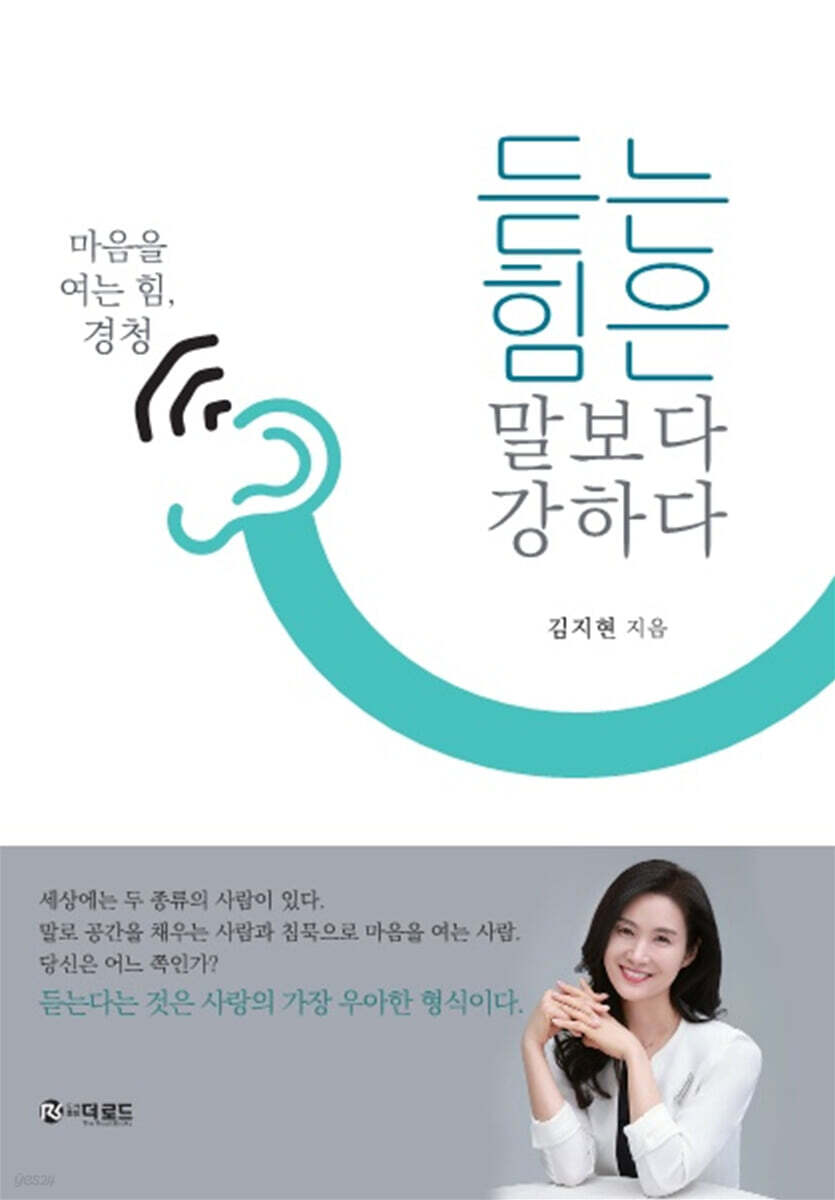
The power of listening is stronger than words.
 |
Description
Book Introduction
I hope this book will give you the courage to listen.
Listening well means understanding the world and yourself more deeply.
You hear it with your ears, but in the end you meet it with your heart.
The busier and more complicated life becomes, the more I hope we don't lose 'time to listen'.
Let's review the five stages of listening covered in this book.
Step 1: Pause - Give the other person space to speak.
Put down your smartphone and break the habit
Emptying your mind.
Listening starts here.
Step 2 Focus - Helping the other person open their heart.
Carefully observing words, feelings, facial expressions, and gestures
thing.
Focus gives you a safe space.
Step 3: Empathy - Warming up your relationship with the other person.
We share in sorrow and joy together
thing.
Empathy is sharing the echoes of the heart.
Step 4: Understanding the other person without misunderstanding.
“So what you’re saying is ○○?” A small confirmation is a big
Create trust.
Step 5: Respect the other person and build trust.
Empathy is more powerful than advice, understanding is more powerful than solutions.
Demonstrate.
By practicing these five steps over and over again, we will become more than just good listeners; we will become indispensable people in someone's life.
Listening well means understanding the world and yourself more deeply.
You hear it with your ears, but in the end you meet it with your heart.
The busier and more complicated life becomes, the more I hope we don't lose 'time to listen'.
Let's review the five stages of listening covered in this book.
Step 1: Pause - Give the other person space to speak.
Put down your smartphone and break the habit
Emptying your mind.
Listening starts here.
Step 2 Focus - Helping the other person open their heart.
Carefully observing words, feelings, facial expressions, and gestures
thing.
Focus gives you a safe space.
Step 3: Empathy - Warming up your relationship with the other person.
We share in sorrow and joy together
thing.
Empathy is sharing the echoes of the heart.
Step 4: Understanding the other person without misunderstanding.
“So what you’re saying is ○○?” A small confirmation is a big
Create trust.
Step 5: Respect the other person and build trust.
Empathy is more powerful than advice, understanding is more powerful than solutions.
Demonstrate.
By practicing these five steps over and over again, we will become more than just good listeners; we will become indispensable people in someone's life.
- You can preview some of the book's contents.
Preview
index
Prologue _ Why We Must Learn to Listen _ 4
Chapter 1: The Basics of Listening: How to Hear Myself
01 Moving forward together
02 Controlling the tone and speed of your speech
03 Trimming the words before they leave your lips
04 Becoming a Good Listener
05 Listen to the heart rather than the words
06 Understanding the context of life
07 Communicate with your heart
08 Reading the Trembling in Your Heart
09 Record and listen to me
10 Expect positively
Chapter 2 - Conditions for Listening, Confirmation, and Feedback
01 Show your will to grow
02 Listen to the rhythm of your heart
03 Read emotions rather than information
04 Empathize with the other person's feelings
05 The closer you are to someone, the more you should listen.
06 Ask questions rather than answers
07 Listen in everyday spaces
08 Don't miss the whispers
Chapter 3: The Five Stages of Listening: The Power to Open Your Heart
01 Stop_ Preparing your mind and body
02 Focus_ Listening to words and feelings
03 Empathy_ Sharing the echoes of our hearts
04 Confirmation_ Review the meaning
05 Response_ Respond with respect
Chapter 4: The Effects of Listening, Trust, and Self-Growth
01 Building Trust
02 Problem Solving
03 Strengthening teamwork
04 Improve communication skills
05 Self-reflection and growth
06 Strengthening Leadership
07 Motivation
08 Emotional Support
09 Improved decision-making skills
10 Increased efficiency
11 Understanding Culture
Chapter 5: Masters of Listening
01 Listening in Silence, Lincoln
02 Listening to Being, Mother Teresa
03 Empathetic Listening, Oprah Winfrey
04 Listening to the Universe, King Sejong
05 Listening Strategy, Dale Carnegie
06 Listening with Sincerity, Yoo Jae-suk
07 Psychological Listening, Carl Rogers
08 Listening to Leadership, Obama
09 Listening to Creation, J.K. Rowling
10. Listening with Humility, Yu-bi
Epilogue _ Listeners Change the World _ 238
Chapter 1: The Basics of Listening: How to Hear Myself
01 Moving forward together
02 Controlling the tone and speed of your speech
03 Trimming the words before they leave your lips
04 Becoming a Good Listener
05 Listen to the heart rather than the words
06 Understanding the context of life
07 Communicate with your heart
08 Reading the Trembling in Your Heart
09 Record and listen to me
10 Expect positively
Chapter 2 - Conditions for Listening, Confirmation, and Feedback
01 Show your will to grow
02 Listen to the rhythm of your heart
03 Read emotions rather than information
04 Empathize with the other person's feelings
05 The closer you are to someone, the more you should listen.
06 Ask questions rather than answers
07 Listen in everyday spaces
08 Don't miss the whispers
Chapter 3: The Five Stages of Listening: The Power to Open Your Heart
01 Stop_ Preparing your mind and body
02 Focus_ Listening to words and feelings
03 Empathy_ Sharing the echoes of our hearts
04 Confirmation_ Review the meaning
05 Response_ Respond with respect
Chapter 4: The Effects of Listening, Trust, and Self-Growth
01 Building Trust
02 Problem Solving
03 Strengthening teamwork
04 Improve communication skills
05 Self-reflection and growth
06 Strengthening Leadership
07 Motivation
08 Emotional Support
09 Improved decision-making skills
10 Increased efficiency
11 Understanding Culture
Chapter 5: Masters of Listening
01 Listening in Silence, Lincoln
02 Listening to Being, Mother Teresa
03 Empathetic Listening, Oprah Winfrey
04 Listening to the Universe, King Sejong
05 Listening Strategy, Dale Carnegie
06 Listening with Sincerity, Yoo Jae-suk
07 Psychological Listening, Carl Rogers
08 Listening to Leadership, Obama
09 Listening to Creation, J.K. Rowling
10. Listening with Humility, Yu-bi
Epilogue _ Listeners Change the World _ 238
Into the book
Why We Must Learn to Listen
There is a saying that comes to mind often these days.
“Words spoken without thinking settle into the subconscious, guide our actions, become our attitudes, and ultimately become our destiny.”
It may seem like words fly away quickly, but that's not the case.
It settles down somewhere, becomes reality, creates relationships, and sometimes leaves scars.
Neuroscientists say:
"When language changes, the brain changes, and when the brain changes, life changes." So, what's the first step to changing the language we use? It starts with restoring the power of listening.
We talk to countless people every day.
Nod your head, clap your hands, and smile.
But suddenly this thought occurs to me.
“Whose story are you really listening to right now?”
Often times, our ears are open but our hearts are closed.
We seem to listen to what the other person is saying, but in reality we are preparing our own thoughts and adding our own judgment.
Listening is an attitude, not a skill.
It's a quiet signal that 'I respect that person for who they are.'
When we listen to someone, we understand their life a little better, and that understanding becomes the strength to grow ourselves.
I have seen countless patients in my clinic for nearly 30 years.
They don't just talk about the sore spot or the treatment plan.
It talks about life, regrets, fears, and hopes.
The clinic is not simply a space for treatment, but a 'small stage' and 'site of life' where life stories are told.
One day, I suddenly realized something.
That listening to people's stories is what makes me happiest.
I enjoyed reading and discussing books in the Leaders Book Club, but I found even greater joy in hearing other people's stories and discovering how we grow together through them.
I was happier listening than talking.
I began writing this book with a fluttering heart, encountering again the feelings I had forgotten in my busy daily life.
This book is a record of my time living as a listener, and a guide for those who want to grow into a leader who listens.
In an age overflowing with words, I wanted to share what it means to live as a quiet listener.
Listening is the essence of humanity that we must recover as we live in this age, and it is the power of quiet listening that is easily overlooked in the digital age.
This book consists of the following contents:
Chapter 1.
All listening begins with 'listening to myself' - the basics of listening.
Chapter 2.
Listening is not 'unresponsive silence' but 'warm response' - the conditions for listening.
Chapter 3.
Developing the power to open your heart through 'Pause, Focus, Empathize, Confirm, Respond' - The 5 Steps of Listening
Chapter 4.
Good listeners are ultimately trusted and grow - The power of listening.
Chapter 5.
All great people knew how to listen first - the masters of listening.
There is a saying, ‘Jultak simultaneous poetry’.
It means that the mother and chick simultaneously knock on the shell from the inside and outside to help the chick break out of the egg.
The same goes for conversation.
A relationship doesn't open up just because one side knocks.
When we listen to each other with consideration and respect, the walls of our hearts break down.
I hope this book will be a small respite and a warm companion to those of you who want to listen to someone's story a little more quietly and a little more slowly.
Finally, I would like to express my sincere gratitude to Director Yoo Gil-moon of the Dale Carnegie Human Resources Development Institute, who guided me on my path to becoming a writer, and to Coach Baek Myeong-sook, who accompanied me through the entire process of writing the book.
November 2025, Waiting for the Sound of Winter
Kim Ji-hyun
There is a saying that comes to mind often these days.
“Words spoken without thinking settle into the subconscious, guide our actions, become our attitudes, and ultimately become our destiny.”
It may seem like words fly away quickly, but that's not the case.
It settles down somewhere, becomes reality, creates relationships, and sometimes leaves scars.
Neuroscientists say:
"When language changes, the brain changes, and when the brain changes, life changes." So, what's the first step to changing the language we use? It starts with restoring the power of listening.
We talk to countless people every day.
Nod your head, clap your hands, and smile.
But suddenly this thought occurs to me.
“Whose story are you really listening to right now?”
Often times, our ears are open but our hearts are closed.
We seem to listen to what the other person is saying, but in reality we are preparing our own thoughts and adding our own judgment.
Listening is an attitude, not a skill.
It's a quiet signal that 'I respect that person for who they are.'
When we listen to someone, we understand their life a little better, and that understanding becomes the strength to grow ourselves.
I have seen countless patients in my clinic for nearly 30 years.
They don't just talk about the sore spot or the treatment plan.
It talks about life, regrets, fears, and hopes.
The clinic is not simply a space for treatment, but a 'small stage' and 'site of life' where life stories are told.
One day, I suddenly realized something.
That listening to people's stories is what makes me happiest.
I enjoyed reading and discussing books in the Leaders Book Club, but I found even greater joy in hearing other people's stories and discovering how we grow together through them.
I was happier listening than talking.
I began writing this book with a fluttering heart, encountering again the feelings I had forgotten in my busy daily life.
This book is a record of my time living as a listener, and a guide for those who want to grow into a leader who listens.
In an age overflowing with words, I wanted to share what it means to live as a quiet listener.
Listening is the essence of humanity that we must recover as we live in this age, and it is the power of quiet listening that is easily overlooked in the digital age.
This book consists of the following contents:
Chapter 1.
All listening begins with 'listening to myself' - the basics of listening.
Chapter 2.
Listening is not 'unresponsive silence' but 'warm response' - the conditions for listening.
Chapter 3.
Developing the power to open your heart through 'Pause, Focus, Empathize, Confirm, Respond' - The 5 Steps of Listening
Chapter 4.
Good listeners are ultimately trusted and grow - The power of listening.
Chapter 5.
All great people knew how to listen first - the masters of listening.
There is a saying, ‘Jultak simultaneous poetry’.
It means that the mother and chick simultaneously knock on the shell from the inside and outside to help the chick break out of the egg.
The same goes for conversation.
A relationship doesn't open up just because one side knocks.
When we listen to each other with consideration and respect, the walls of our hearts break down.
I hope this book will be a small respite and a warm companion to those of you who want to listen to someone's story a little more quietly and a little more slowly.
Finally, I would like to express my sincere gratitude to Director Yoo Gil-moon of the Dale Carnegie Human Resources Development Institute, who guided me on my path to becoming a writer, and to Coach Baek Myeong-sook, who accompanied me through the entire process of writing the book.
November 2025, Waiting for the Sound of Winter
Kim Ji-hyun
--- From the prologue
GOODS SPECIFICS
- Date of issue: November 24, 2025
- Page count, weight, size: 244 pages | 145*205*20mm
- ISBN13: 9791163384984
- ISBN10: 1163384984
You may also like
카테고리
korean


korean

![ELLE 엘르 스페셜 에디션 A형 : 12월 [2025]](http://librairie.coreenne.fr/cdn/shop/files/b8e27a3de6c9538896439686c6b0e8fb.jpg?v=1766436872&width=3840)


