

Botany for Gardening
 |
Description
Book Introduction
Gardening, the work of tending a garden.
From growing several potted plants on your apartment balcony to landscaping a spacious garden reminiscent of an arboretum, or growing vegetables for your family in a corner of the yard, it's all gardening.
Plants not only provide us with food through their fruits and roots, but they also provide visual pleasure through the diverse shapes and colors of their flowers and leaves.
The sense of season and emotional stability felt during the process of growing plants are also indispensable charms of gardening.
For this reason, the number of people taking up gardening is increasing, and they are sharing information about gardening in online clubs and offline garden schools.
However, due to the different garden environments and climate conditions that change from year to year, gardening is always a series of trials and errors.
The truth that you need to know the principle to see the answer is not only applicable when solving a problem with a mathematical formula.
It is impossible to cultivate a bountiful garden without knowing the ecology and characteristics of the plants that are the subject.
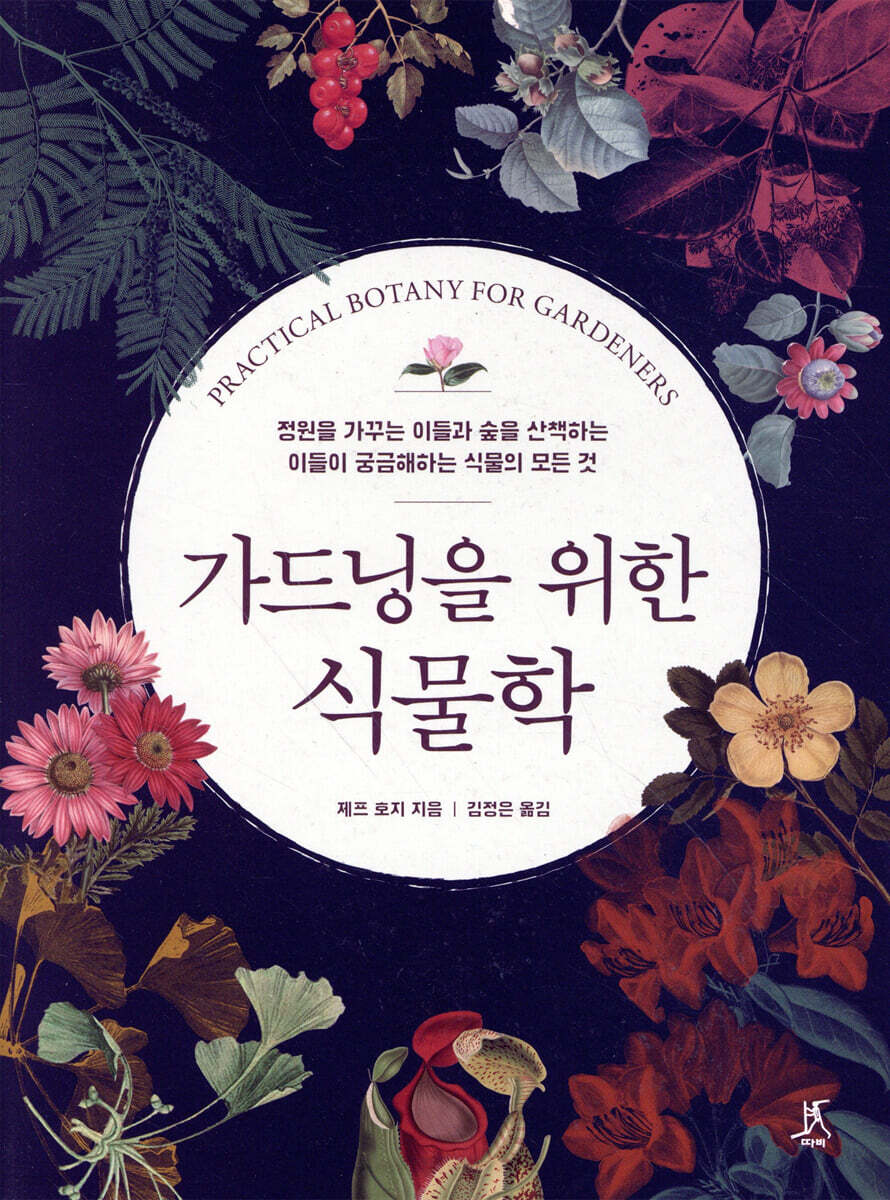
Tabi Publishing's new book, "Botany for Gardening - Everything Gardeners and Forest Walkers Want to Know About Plants," covers all the knowledge about plants needed for gardening.
The author of this book, Geoff Hodge, is a gardening expert who served as the online editor of the Royal Horticultural Society (RHS), which leads the gardening culture of the UK, a country that comes to mind when thinking of gardens, and as the president of the Guild of Gardening Writers of the UK.
From growing several potted plants on your apartment balcony to landscaping a spacious garden reminiscent of an arboretum, or growing vegetables for your family in a corner of the yard, it's all gardening.
Plants not only provide us with food through their fruits and roots, but they also provide visual pleasure through the diverse shapes and colors of their flowers and leaves.
The sense of season and emotional stability felt during the process of growing plants are also indispensable charms of gardening.
For this reason, the number of people taking up gardening is increasing, and they are sharing information about gardening in online clubs and offline garden schools.
However, due to the different garden environments and climate conditions that change from year to year, gardening is always a series of trials and errors.
The truth that you need to know the principle to see the answer is not only applicable when solving a problem with a mathematical formula.
It is impossible to cultivate a bountiful garden without knowing the ecology and characteristics of the plants that are the subject.
Tabi Publishing's new book, "Botany for Gardening - Everything Gardeners and Forest Walkers Want to Know About Plants," covers all the knowledge about plants needed for gardening.
The author of this book, Geoff Hodge, is a gardening expert who served as the online editor of the Royal Horticultural Society (RHS), which leads the gardening culture of the UK, a country that comes to mind when thinking of gardens, and as the president of the Guild of Gardening Writers of the UK.
- You can preview some of the book's contents.
Preview
index
How to Use This Book 6
A Brief History of Botany 8
Chapter 1: The Plant Kingdom
Bird 12
moss 14
Lichen 18
Ferns: Bracken and its Relatives 19
Gymnosperms: Conifers and Their Relatives 22
Angiosperms: Flowering Plants 25
Monocots and Dicots 28
Plant Naming and Common Names 29
Plant Fruit 31
34th floor
Bell 36
Hybrids and Cultivars 39
Chapter 2 Growth, Form, and Function
Plant Growth and Development 44
Eye 51
Root 56
Stem 62
Leaf 66
Flower 71
Seed 74
Fruit 78
Roots and other underground nutrient storage organs 82
Chapter 3 Internal Functions
Cells and Cell Division 86
Photosynthesis 89
Plant Nutrition 91
Distribution of water and nutrients 96
Plant hormone 98
Chapter 4 Reproduction
Nutritional Reproduction 102
Sexual reproduction 110
Evolution through Plant Breeding and Cultivation 118
Chapter 5: The Beginning of Life
Development of Seeds and Fruits 124
Seed Dormancy 125
Seed Germination 126
Sowing and Receiving Seeds 132
Seed Storage 134
Chapter 6 External Factors
Soil 138
Soil pH 144
Intelligence 145
Soil moisture and rainwater 148
Nutrients and Fertilizer Cycle 152
Life on the Soil 153
Chapter 7 Pruning
Reasons for Pruning 160
Pruning a Large Tree 164
Pruning for size and shape 170
Pruning for Flowers and Fruit 172
Chapter 8 Plants and the Senses
Light Detection 178
Odor Detection 184
Fragrance for Attraction 185
Vibration detection 186
Chapter 9 Pests, Diseases, and Abnormalities
Harmful insects 190
Other common pests 194
Fungi and Mold Diseases 198
Viral Disease 203
Bacterial diseases 205
Parasitic plants 207
Plant Self-Defense 209
Development of pest-resistant varieties 214
Physiological abnormalities 215
Botanist and botanical artist
Gregor Johann Mendel 16
Barbara McClintock, 32
Robert Fortune 54
Prospero Alpini 60
Richard Spruce 76
Charles Sprague Sargent 94
Luther Burbank 108
Franz Bauer and Ferdinand Bauer 116
Matilda Smith 130
John Lindley 150
Mary Ann North 168
Pierre-Joseph Redouté 182
James Sowerby 196
Vera Skars-Johnson 218
References and Websites 220
Search 221
Translator's Note 226
A Brief History of Botany 8
Chapter 1: The Plant Kingdom
Bird 12
moss 14
Lichen 18
Ferns: Bracken and its Relatives 19
Gymnosperms: Conifers and Their Relatives 22
Angiosperms: Flowering Plants 25
Monocots and Dicots 28
Plant Naming and Common Names 29
Plant Fruit 31
34th floor
Bell 36
Hybrids and Cultivars 39
Chapter 2 Growth, Form, and Function
Plant Growth and Development 44
Eye 51
Root 56
Stem 62
Leaf 66
Flower 71
Seed 74
Fruit 78
Roots and other underground nutrient storage organs 82
Chapter 3 Internal Functions
Cells and Cell Division 86
Photosynthesis 89
Plant Nutrition 91
Distribution of water and nutrients 96
Plant hormone 98
Chapter 4 Reproduction
Nutritional Reproduction 102
Sexual reproduction 110
Evolution through Plant Breeding and Cultivation 118
Chapter 5: The Beginning of Life
Development of Seeds and Fruits 124
Seed Dormancy 125
Seed Germination 126
Sowing and Receiving Seeds 132
Seed Storage 134
Chapter 6 External Factors
Soil 138
Soil pH 144
Intelligence 145
Soil moisture and rainwater 148
Nutrients and Fertilizer Cycle 152
Life on the Soil 153
Chapter 7 Pruning
Reasons for Pruning 160
Pruning a Large Tree 164
Pruning for size and shape 170
Pruning for Flowers and Fruit 172
Chapter 8 Plants and the Senses
Light Detection 178
Odor Detection 184
Fragrance for Attraction 185
Vibration detection 186
Chapter 9 Pests, Diseases, and Abnormalities
Harmful insects 190
Other common pests 194
Fungi and Mold Diseases 198
Viral Disease 203
Bacterial diseases 205
Parasitic plants 207
Plant Self-Defense 209
Development of pest-resistant varieties 214
Physiological abnormalities 215
Botanist and botanical artist
Gregor Johann Mendel 16
Barbara McClintock, 32
Robert Fortune 54
Prospero Alpini 60
Richard Spruce 76
Charles Sprague Sargent 94
Luther Burbank 108
Franz Bauer and Ferdinand Bauer 116
Matilda Smith 130
John Lindley 150
Mary Ann North 168
Pierre-Joseph Redouté 182
James Sowerby 196
Vera Skars-Johnson 218
References and Websites 220
Search 221
Translator's Note 226
Detailed image

Into the book
“The roots of most horticultural plants are relatively close to the soil surface, where ventilation and nutrient concentration are good for plant growth.
(Omitted) Covering the soil with a layer of organic matter may help, but if it is too thick, the roots may be 'suffocated'.
In the natural environment, fallen leaves play this role.”
--- p.59
“The phloem is located outside the water vessels and just inside the bark, so trees and other woody plants can easily die if the bark on the trunk or large stem is peeled off in a ring shape.
This process is called phantom peeling.
Incomplete annular debarking (for example, leaving one-third of the bark intact) can be used to regulate plant growth.
It can help promote flowering and fruiting by suppressing excessive leaf growth.
Fantasy peeling is very useful when fruit trees, except for drupes (fruits with a hard, woody core in the center, such as peaches and plums), do not produce fruit well.
Phantasmal peeling also often occurs when animals such as mice, rats, or rabbits gnaw through the nutrient-rich, sap-rich bark.
“Where these animals cause problems, trees should be protected by netting or other physical barriers.”
--- p.65
“When watering plants, it is important to water thoroughly.
Water, if applied lightly, stays near the soil surface and does not penetrate to the depth most beneficial to the roots when viewed in a cross-section of the soil.
If you only water lightly on a regular basis, this can cause the roots to grow towards the soil surface, making the plant more vulnerable to dry periods.
Rainwater is generally acidic, with a pH of around 5, but can drop to as low as pH 4.
(Omitted) Rainwater is generally better for plants than tap water, which can be too alkaline."
--- p.148
“It is a good idea to fertilize the plants after pruning.
Because plants store a lot of nutrients in their stems, pruning branches reduces the total amount of stored nutrients.
Therefore, it is important to allow the plant to grow well after pruning.
(Omitted) The fine roots of plants are mainly distributed along the edge of the area where the leaves fall, so fertilizer should be spread in a circular manner within this area.
Some gardeners make the mistake of fertilizing at the base of the stem, but there are few fine roots just below the main stem to absorb and utilize the fertilizer.
--- p.167
“Plants that grow in windy places grow thicker and stronger stems to withstand wind damage.
When supporting a tree, these issues must be realistically considered.
Short supports that do not exceed one-third of the tree's height allow the trunk to bend freely in the wind compared to long supports that support the entire trunk, causing the trunk to thicken from near the base.
So when you later remove the support, the tree will be able to support itself well.
"Stroking young seedlings with your fingers or paper will strengthen the stems and produce sturdier young plants."
(Omitted) Covering the soil with a layer of organic matter may help, but if it is too thick, the roots may be 'suffocated'.
In the natural environment, fallen leaves play this role.”
--- p.59
“The phloem is located outside the water vessels and just inside the bark, so trees and other woody plants can easily die if the bark on the trunk or large stem is peeled off in a ring shape.
This process is called phantom peeling.
Incomplete annular debarking (for example, leaving one-third of the bark intact) can be used to regulate plant growth.
It can help promote flowering and fruiting by suppressing excessive leaf growth.
Fantasy peeling is very useful when fruit trees, except for drupes (fruits with a hard, woody core in the center, such as peaches and plums), do not produce fruit well.
Phantasmal peeling also often occurs when animals such as mice, rats, or rabbits gnaw through the nutrient-rich, sap-rich bark.
“Where these animals cause problems, trees should be protected by netting or other physical barriers.”
--- p.65
“When watering plants, it is important to water thoroughly.
Water, if applied lightly, stays near the soil surface and does not penetrate to the depth most beneficial to the roots when viewed in a cross-section of the soil.
If you only water lightly on a regular basis, this can cause the roots to grow towards the soil surface, making the plant more vulnerable to dry periods.
Rainwater is generally acidic, with a pH of around 5, but can drop to as low as pH 4.
(Omitted) Rainwater is generally better for plants than tap water, which can be too alkaline."
--- p.148
“It is a good idea to fertilize the plants after pruning.
Because plants store a lot of nutrients in their stems, pruning branches reduces the total amount of stored nutrients.
Therefore, it is important to allow the plant to grow well after pruning.
(Omitted) The fine roots of plants are mainly distributed along the edge of the area where the leaves fall, so fertilizer should be spread in a circular manner within this area.
Some gardeners make the mistake of fertilizing at the base of the stem, but there are few fine roots just below the main stem to absorb and utilize the fertilizer.
--- p.167
“Plants that grow in windy places grow thicker and stronger stems to withstand wind damage.
When supporting a tree, these issues must be realistically considered.
Short supports that do not exceed one-third of the tree's height allow the trunk to bend freely in the wind compared to long supports that support the entire trunk, causing the trunk to thicken from near the base.
So when you later remove the support, the tree will be able to support itself well.
"Stroking young seedlings with your fingers or paper will strengthen the stems and produce sturdier young plants."
--- p.181
Publisher's Review
Different Perspectives of Botanists and Gardeners
Why do gardeners need "botany"? From a gardener's perspective, plant classification begins with the question, "Is it a tall tree, a shrub, a perennial, or a bulb?"
Botanists are aware of these distinctions, but taxonomy (scientific classification) is not based on them.
Organisms belonging to the plant kingdom are divided into their evolutionary groups (recall the classification of organisms you learned in school—subjects, classes, and kingdoms), starting with relatively simple algae and ending with more highly developed flowering plants.
While plant classification may seem complicated or even useless, knowing how plants are classified will help you better appreciate the plants growing in your garden and provide a solid foundation for further learning.
This book begins by understanding the classification of plants (including the nomenclature of not only plant types but also hybrids and cultivated varieties), and then moves on to learn about the form, growth, and reproduction of plants.
Like all living things, plants are made up of cells, and when these cells divide and expand, this is called growth.
The nutrients that make this possible come from the soil, and the energy needed to create new cells comes primarily from sunlight.
The plant's shape is basically like a straw.
Water and nutrients are absorbed from the soil and sent through the stem to the leaves, where water is lost through evaporation (more precisely, 'transpiration').
Nutrients circulate throughout the plant through vascular tissue, and hormones that control plant growth also move through vascular tissue.
Gardeners ultimately choose plants that are suitable for their gardens, grow them well, and harvest them, so knowledge of this is essential for gardeners.
Harvesting seems to be a more important concept to farmers than to gardeners.
However, knowledge and skills in plant propagation are essential for gardeners as well.
Which plants require pollination to produce seeds? Which plants can be propagated through division, grafting, or cuttings? How should I store collected seeds and rootstocks? Knowledge of these factors will enrich your garden the following year.
You can also learn how breeders who specialize in this work improve plants to produce more crops and more beautiful flowers.
Plant knowledge for gardening
Now let's start gardening in earnest.
Plants get nutrients from the soil.
The soil must retain adequate moisture and nutrients, and gardeners must manage the soil by fertilizing the soil in which the plants are located and taking steps to ensure good drainage.
Additionally, the plant's senses in response to light and gravity must be taken into consideration when determining the appropriate location.
If this is the job of laying the foundation for planting, pruning is something that gardeners must pay attention to throughout the plant's growth.
Pruning is the process of removing parts of a plant to improve its fruiting and health, as well as to shape and size the plant overall to suit its surroundings.
Pruning is often defined as a combination of art and science, requiring a balance between knowledge of pruning techniques and an aesthetic eye.
Of course, we must also respond appropriately to attacks by harmful insects and plant diseases.
Knowing the types of pests and diseases, how they manifest themselves, and how to control them is essential knowledge for gardening, and is why gardeners must diligently and meticulously inspect their plants every day.
Although it covers 'botanical' knowledge for gardeners, there is no need to worry that it will be difficult or stiff.
The scientific terms introduced in this book are explained in a friendly and understandable manner, and the range of botanical knowledge covered here is essential for gardening.
Pages introducing the history of botany and important botanists will help readers become more interested in plants through their vitality and the efforts of scientists.
Above all, the beautiful paintings by pioneering botanical artists and the diagrams that clearly show the structure and form of plants are eye-catching.
These illustrations not only help you understand the book, but also make you admire the beauty of plants once again.
Why do gardeners need "botany"? From a gardener's perspective, plant classification begins with the question, "Is it a tall tree, a shrub, a perennial, or a bulb?"
Botanists are aware of these distinctions, but taxonomy (scientific classification) is not based on them.
Organisms belonging to the plant kingdom are divided into their evolutionary groups (recall the classification of organisms you learned in school—subjects, classes, and kingdoms), starting with relatively simple algae and ending with more highly developed flowering plants.
While plant classification may seem complicated or even useless, knowing how plants are classified will help you better appreciate the plants growing in your garden and provide a solid foundation for further learning.
This book begins by understanding the classification of plants (including the nomenclature of not only plant types but also hybrids and cultivated varieties), and then moves on to learn about the form, growth, and reproduction of plants.
Like all living things, plants are made up of cells, and when these cells divide and expand, this is called growth.
The nutrients that make this possible come from the soil, and the energy needed to create new cells comes primarily from sunlight.
The plant's shape is basically like a straw.
Water and nutrients are absorbed from the soil and sent through the stem to the leaves, where water is lost through evaporation (more precisely, 'transpiration').
Nutrients circulate throughout the plant through vascular tissue, and hormones that control plant growth also move through vascular tissue.
Gardeners ultimately choose plants that are suitable for their gardens, grow them well, and harvest them, so knowledge of this is essential for gardeners.
Harvesting seems to be a more important concept to farmers than to gardeners.
However, knowledge and skills in plant propagation are essential for gardeners as well.
Which plants require pollination to produce seeds? Which plants can be propagated through division, grafting, or cuttings? How should I store collected seeds and rootstocks? Knowledge of these factors will enrich your garden the following year.
You can also learn how breeders who specialize in this work improve plants to produce more crops and more beautiful flowers.
Plant knowledge for gardening
Now let's start gardening in earnest.
Plants get nutrients from the soil.
The soil must retain adequate moisture and nutrients, and gardeners must manage the soil by fertilizing the soil in which the plants are located and taking steps to ensure good drainage.
Additionally, the plant's senses in response to light and gravity must be taken into consideration when determining the appropriate location.
If this is the job of laying the foundation for planting, pruning is something that gardeners must pay attention to throughout the plant's growth.
Pruning is the process of removing parts of a plant to improve its fruiting and health, as well as to shape and size the plant overall to suit its surroundings.
Pruning is often defined as a combination of art and science, requiring a balance between knowledge of pruning techniques and an aesthetic eye.
Of course, we must also respond appropriately to attacks by harmful insects and plant diseases.
Knowing the types of pests and diseases, how they manifest themselves, and how to control them is essential knowledge for gardening, and is why gardeners must diligently and meticulously inspect their plants every day.
Although it covers 'botanical' knowledge for gardeners, there is no need to worry that it will be difficult or stiff.
The scientific terms introduced in this book are explained in a friendly and understandable manner, and the range of botanical knowledge covered here is essential for gardening.
Pages introducing the history of botany and important botanists will help readers become more interested in plants through their vitality and the efforts of scientists.
Above all, the beautiful paintings by pioneering botanical artists and the diagrams that clearly show the structure and form of plants are eye-catching.
These illustrations not only help you understand the book, but also make you admire the beauty of plants once again.
GOODS SPECIFICS
- Publication date: November 25, 2021
- Page count, weight, size: 228 pages | 684g | 188*250*18mm
- ISBN13: 9788998439958
You may also like
카테고리
korean


korean

![GQ KOREA Mark (Monthly): December [2025]](http://librairie.coreenne.fr/cdn/shop/files/8ef265dbbfbf186523ed75ba7319009d.jpg?v=1765340328&width=3840)


